
Title 24 Report for Additions

Title 24 Report for Additions

Title 24 Report for Additions — Energy Compliance That Integrates Seamlessly with Your Existing Home

A Title 24 report for additions is required for many residential expansion projects in California. Whether you’re adding a new bedroom, extending a kitchen, building a second story, or expanding your living area, the California Building Energy Efficiency Standards apply to the newly conditioned space. Unlike new construction, additions must carefully integrate new energy-regulated components with an existing structure—making compliance both technical and strategic.

Additions are unique because they do not evaluate the entire home from scratch. Instead, they assess the newly added conditioned area and any affected systems. This requires precise coordination between architectural plans, insulation details, window specifications, HVAC system selections, and existing building conditions. If the energy documentation does not match the plans exactly, plan-check delays can occur.

A professionally prepared Title 24 report for additions ensures that your expansion project meets compliance requirements without unnecessary redesign or cost increases. Our team prepares permit-ready documentation that aligns with your plans and supports smooth approval and inspection. If you’re planning a home addition, call (626) 365-1518 to get started.

Why Additions Require a Specific Title 24 Approach

Home additions differ from new construction because they interact with existing walls, roofs, HVAC systems, and utilities. Compliance must reflect only the scope of work while ensuring that the added space meets current energy standards.

A Title 24 report for additions typically evaluates:

  • New wall, roof, and floor insulation assemblies
  • Window and door performance values in the addition area
  • Conditioned floor area increases
  • HVAC system extensions or new equipment serving the addition
  • Ventilation requirements for newly created habitable space
  • Water heating impacts if systems are modified

Because additions may tie into existing mechanical systems, careful documentation is critical. Misalignment between what is modeled and what is installed can result in correction notices or inspection issues.

Early coordination helps prevent compliance surprises—especially when window sizes, ceiling heights, or insulation assemblies are still being finalized.

Title 24 report for additions California

Common Types of Additions Requiring Title 24 Reports

Many residential additions require energy compliance documentation as part of the permit process. Common projects include:

  • Bedroom and bathroom additions
  • Kitchen expansions
  • Family room or great room expansions
  • Second-story additions
  • Master suite additions
  • Enclosed patio conversions that become conditioned space

In each case, the new conditioned space must meet current code requirements—even if the original home was built under older standards.

How a Title 24 Report for Additions Is Prepared

The process begins by reviewing permit-intent architectural drawings to identify the new conditioned area and affected systems. Key inputs include wall and roof assemblies, insulation R-values, window and door sizes with performance ratings, and HVAC system details serving the addition.

Energy modeling is performed using approved state software such as EnergyPro or CBECC-Res. The model evaluates only the new conditioned portion (and any impacted systems) against applicable code requirements.

If the proposed addition does not initially meet compliance targets, adjustments are recommended thoughtfully. These may include modest insulation upgrades, window performance refinements, or HVAC efficiency confirmations. The goal is to achieve compliance without forcing major design changes.

Once compliance is confirmed, the necessary documentation and compliance certificates are generated. A professional Title 24 report for additions includes internal checks to ensure all values align with the architectural and mechanical drawings.

Title 24 Report for Additions

How Proper Compliance Prevents Inspection Delays

After plan check approval, inspections verify that installed systems match the approved energy documentation. Additions often require HERS verification when HVAC systems are extended or replaced, or when certain performance measures are included.

When a Title 24 report for additions is prepared accurately:

  • Installations align with documented requirements
  • Inspection failures are reduced
  • Rework and scheduling disruptions are minimized
  • Final approval is achieved more smoothly

Accurate documentation ensures that what is modeled matches what is built.

How Much Does a Title 24 Report for Additions Cost?

Costs depend on the size and complexity of the addition. Smaller room additions typically require less modeling effort than large second-story expansions or projects involving mechanical system upgrades.

Pricing considerations include:

  • Square footage of the addition
  • Whether HVAC systems are modified or replaced
  • Window and insulation complexity
  • Number of design revisions prior to permit

HERS verification services, if triggered, are usually separate and scheduled during construction.

Best Practices for Title 24 Compliance on Additions

To streamline approval:

  • Provide finalized window specifications before modeling.
  • Clearly define conditioned versus unconditioned areas.
  • Coordinate HVAC plans early if extending existing systems.
  • Update compliance documentation whenever plans change.

These steps help ensure that compliance supports timely permit approval.
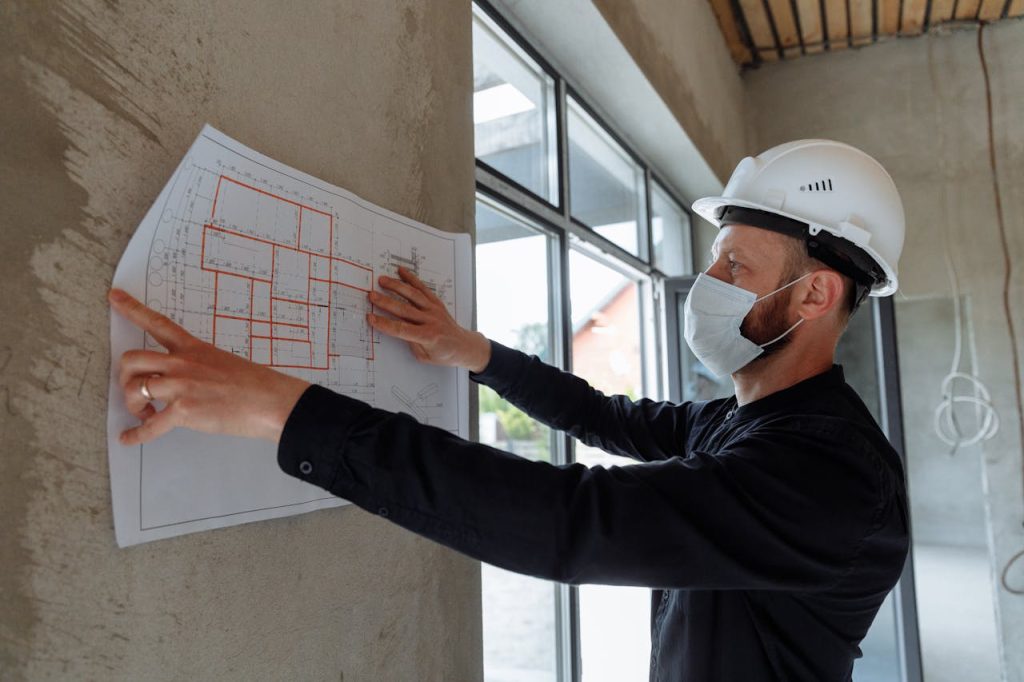
Title 24 report for additions

How to Get Started with a Title 24 Report for Additions

Getting started is simple. Submit your permit-intent plans to a trusted Title 24 consultant and request a Title 24 report for additions.

Call (626) 365-1518, upload plans through our contact page, or email info@title24energy.com with “Addition Title 24” in the subject line.

We’re Ready To Take Your Call

A properly prepared Title 24 report for additions helps your expansion project move confidently from design to permit approval and inspection. With coordinated modeling and accurate documentation, energy compliance becomes a manageable and predictable part of your home improvement process.

Call (626) 365-1518 today to get started. Your addition-ready Title 24 compliance documentation can be prepared accurately and efficiently—so your project stays on schedule.


Frequently Asked Questions About Title 24 Report for Additions

1. Is a Title 24 report required for home additions in California?

Yes. Most additions that increase conditioned floor area require energy compliance documentation before a permit can be issued.

2. Does the entire existing home need to be upgraded to current code?

No. Typically, only the newly added conditioned space and any affected systems must meet current energy standards.

3. What qualifies as an addition under Title 24?

An addition generally means any expansion that increases conditioned square footage, including new rooms, expanded living areas, or vertical additions.

4. Do second-story additions require energy compliance?

Yes. A second-story addition adds new conditioned space and must demonstrate compliance under current code.

5. Are garage conversions considered additions?

If the garage is converted into conditioned living space, it typically requires Title 24 documentation similar to an addition.

6. What documents are needed to prepare a Title 24 report for additions?

Permit-intent architectural plans, window schedules, insulation callouts, HVAC details, and any mechanical changes are required.

7. Does extending an existing HVAC system trigger additional requirements?

Yes. Extending or modifying HVAC systems may require updated modeling and possibly HERS verification.

8. Can I install different windows than what was modeled?

No. Installed window U-factor and SHGC values must match the performance values listed in the approved energy report.

9. How long does it take to complete a Title 24 report for additions?

Most standard residential additions can be completed within a few business days when plans are finalized.

10. What happens if the addition does not initially meet compliance?

Practical adjustments—such as insulation upgrades or window performance improvements—can be recommended to achieve compliance.

11. Does the size of the addition affect compliance requirements?

Yes. Larger additions typically involve more detailed modeling and may impact HVAC and ventilation requirements.

12. Are solar panels required for additions?

Solar requirements depend on project scope and whether the addition triggers specific thresholds under current code cycles.

13. Do bathroom or small bedroom additions require Title 24 modeling?

Yes, if they increase conditioned floor area and require a building permit.

14. What is HERS testing, and will my addition require it?

HERS testing is third-party verification of certain energy measures. It may be required if HVAC systems or other performance measures are part of the project.

15. Can a Title 24 report be revised after submission?

Yes. If plans change before permit approval, the energy documentation should be updated accordingly.

16. Does Title 24 affect insulation thickness in additions?

Yes. Wall, ceiling, and floor insulation must meet current minimum R-value requirements.

17. Will energy compliance slow down my permit process?

When prepared accurately and aligned with plans, energy documentation helps prevent plan-check delays rather than causing them.

18. Are lighting requirements included in additions?

Certain lighting efficiency standards may apply, particularly in kitchens and bathrooms.

19. Can contractors prepare their own Title 24 reports?

Title 24 reports are typically prepared by qualified energy consultants using state-approved software tools.

20. How do I get started with a Title 24 report for additions?

Call (626) 365-1518 or upload your plans through the contact page to begin your Title 24 compliance process.


Title 24 Report for New Construction

Title 24 Report for New Construction

Title 24 Report for New Construction — Energy Compliance Designed for Ground-Up Projects

A Title 24 report for new construction is one of the foundational documents required to secure permits for residential and commercial ground-up projects in California. Unlike remodels or additions, new construction must demonstrate full compliance with the current California Building Energy Efficiency Standards from the ground up. That means the building envelope, HVAC systems, water heating, ventilation strategy, lighting (where applicable), and performance assumptions must all work together in a coordinated energy model.

For architects, builders, developers, and homeowners, new construction represents a significant investment. Energy compliance should support that investment—not complicate it. When a Title 24 report is prepared early and aligned with the design intent, it helps prevent plan-check corrections, avoids redesign costs, and ensures inspections proceed smoothly later in construction.

A professionally prepared Title 24 report for new construction is more than a required form—it is a technical validation that your building meets statewide efficiency standards while staying true to your architectural and engineering plans. Whether you’re building a custom home, tract development, ADU, or commercial structure, our team prepares permit-ready documentation that supports approval and long-term performance. Call (626) 365-1518 to get started.

Why New Construction Requires a Dedicated Title 24 Report

New construction projects must meet current code requirements in full. Unlike alterations, which may apply partial compliance rules, ground-up buildings are evaluated comprehensively. The energy model must account for:

  • Wall, roof, and floor insulation assemblies
  • Window and door U-factor and SHGC values
  • Building orientation and glazing distribution
  • HVAC system type, efficiency, and controls
  • Duct location and leakage assumptions
  • Ventilation systems and indoor air quality compliance
  • Water heating equipment and distribution

Because all systems are new, there is no reliance on existing conditions. This makes early coordination critical. A Title 24 report for new construction prepared during design development helps ensure compliance targets are achievable before plans reach permit submittal.

Without proper coordination, new construction projects may encounter compliance shortfalls that require unexpected specification changes—such as higher-performance windows or upgraded mechanical equipment. Early modeling reduces that risk.

Title 24 report for new construction California

Residential and Commercial New Construction Projects

A Title 24 report for new construction applies to a wide range of building types. Each has its own compliance pathway and documentation requirements.

Common residential projects include:

  • Custom single-family homes
  • Tract and subdivision developments
  • Multi-family residential buildings
  • Detached and attached ADUs

Commercial and mixed-use projects may include:

  • Office buildings
  • Retail spaces
  • Light industrial buildings
  • Core-and-shell developments

Each project type requires modeling under the appropriate residential or nonresidential compliance pathway using approved state software.

How a Title 24 Report for New Construction Is Prepared

The process begins with reviewing permit-intent architectural and mechanical drawings. Geometry, conditioned floor area, insulation values, glazing schedules, HVAC selections, ventilation design, and water heating systems are entered into state-approved energy modeling software such as EnergyPro, CBECC-Res, or CBECC-Com.

The model evaluates the proposed building against a standard baseline to confirm compliance. If the design does not initially meet the performance target, practical adjustments are identified. These may include optimizing insulation levels, confirming realistic window performance, adjusting system efficiencies, or refining envelope assumptions.

Once compliance is achieved, the required documentation package is generated. This includes the appropriate certificates of compliance and supporting forms required for permit submission. A professional Title 24 report for new construction includes internal quality checks to ensure the documentation aligns precisely with the submitted drawings.

This alignment is essential for plan-check approval and for avoiding inspection issues later during construction.

Title 24 Report for New Construction

How Proper Energy Compliance Supports Inspections and Closeout

For new construction, energy compliance extends beyond permit approval. Many projects require HERS verification for systems such as HVAC installation, duct sealing, or insulation quality. These inspections confirm that what is installed matches what was modeled.

When a Title 24 report for new construction is prepared accurately, inspections tend to proceed smoothly. Installations align with documented requirements, reducing failed tests and costly rework.

Clear documentation also supports final occupancy approval. Because new construction must meet full code requirements, inspection consistency is critical for timely project completion.

How Much Does a Title 24 Report for New Construction Cost?

Costs vary based on building size, complexity, and project type. Small single-family homes are typically straightforward, while large custom residences or commercial buildings require more detailed modeling and coordination.

Pricing considerations include:

  • Total conditioned square footage
  • Number and type of mechanical systems
  • Complexity of the building envelope
  • Residential versus commercial compliance pathway

HERS verification services, if required, are typically separate and scheduled during construction. Transparent communication of scope and deliverables helps prevent surprises.

Best Practices for New Construction Title 24 Compliance

To streamline compliance and approval:

  • Coordinate energy modeling during design development.
  • Finalize window and HVAC selections before permit submittal.
  • Ensure insulation callouts are clearly documented on plans.
  • Update the energy report promptly if plans change.

These practices help ensure that energy compliance supports both plan check and inspections.

Title 24 report for new construction

How to Get Started with a Title 24 Report for New Construction

Getting started is simple. Submit your permit-intent architectural and mechanical plans to a trusted Title 24 consultant and request a Title 24 report for new construction.

Call (626) 365-1518, upload plans through our contact page, or email info@title24energy.com with “New Construction Title 24” in the subject line.

We’re Ready To Take Your Call

A properly prepared Title 24 report for new construction helps your project move confidently from design to permit approval to final inspection. With accurate modeling, coordinated documentation, and clear communication, energy compliance becomes a predictable part of the build process.

Call (626) 365-1518 today to get started. Your new-construction-ready Title 24 compliance documentation can be prepared accurately and efficiently—so your ground-up project stays on schedule.


Frequently Asked Questions About Title 24 Report for New Construction

1. Is a Title 24 report required for all new construction in California?

Yes. Most new residential and commercial buildings must demonstrate compliance with current California Building Energy Efficiency Standards before a permit can be approved.

2. When should Title 24 modeling begin?

Ideally during design development. Early modeling helps prevent costly specification changes and delays at permit submittal.

3. Does new construction require HERS verification?

Often yes, especially when HVAC systems, duct sealing, insulation quality installation, or certain performance measures are part of the project.

4. Can a Title 24 report be revised if plans change?

Yes. If window sizes, insulation values, HVAC systems, or other energy features change, the report should be updated to match the revised plans.

5. Which software is used for new construction compliance?

State-approved software such as EnergyPro, CBECC-Res, and CBECC-Com is used depending on whether the project is residential or nonresidential.

6. Does passing plan check guarantee final approval?

No. The installed systems must still match the approved energy documentation during inspections and verification.

7. What information is needed to prepare a Title 24 report?

Permit-intent architectural drawings, window schedules, insulation details, mechanical system specifications, and water heating information are typically required.

8. How long does it take to complete a Title 24 report for new construction?

Turnaround time depends on project size and complexity, but many residential projects can be completed within a few business days when plans are complete.

9. Does building orientation affect compliance?

Yes. Orientation and glazing distribution can influence solar heat gain and overall building performance in the energy model.

10. Can high-performance windows help achieve compliance?

Yes. Improved U-factor and SHGC values can significantly impact the building’s energy performance results.

11. Are solar panels required for new construction?

Many new residential buildings in California are required to include photovoltaic (PV) systems, depending on project type and code cycle requirements.

12. What happens if the project does not initially meet compliance?

Adjustments can be made to insulation levels, window performance, HVAC efficiencies, or other design elements to achieve compliance.

13. Does Title 24 affect HVAC system sizing?

While Title 24 does not replace load calculations, system efficiency and configuration must align with compliance documentation.

14. Are multi-family buildings modeled differently than single-family homes?

Yes. Multi-family projects may use different compliance pathways and documentation depending on building height and configuration.

15. Do commercial new construction projects follow different rules?

Yes. Commercial projects use nonresidential compliance pathways and may include lighting power density and control requirements.

16. Can energy compliance impact construction costs?

It can influence product selections and system efficiencies, but early coordination helps control costs and avoid last-minute changes.

17. Is Title 24 compliance the same across all California cities?

The energy code is statewide, but individual jurisdictions may have specific review procedures or submittal preferences.

18. What documents are submitted to the building department?

The required certificates of compliance and supporting forms generated by the approved software are submitted with the permit package.

19. Can a contractor prepare a Title 24 report?

Title 24 reports are typically prepared by certified energy consultants using approved software tools.

20. How do I get started?

Call (626) 365-1518 or upload plans through the contact page to begin your Title 24 report for new construction.

Title 24 Compliance for Permit Expediters

Title 24 compliance for permit expediters

Title 24 Compliance for Permit Expediters — Energy Documentation That Keeps Permits Moving

Title 24 compliance for permit expediters is a critical component of maintaining fast, predictable permit timelines in California jurisdictions. Permit expediters are hired to remove friction from the approval process—yet energy compliance is often the most common cause of unexpected delays. A missing detail, inconsistent value, or unclear compliance pathway can stop an otherwise complete permit submittal in its tracks.

Unlike designers or contractors, permit expediters focus on process efficiency, documentation completeness, and reviewer expectations. A Title 24 compliance partner who understands this workflow prepares energy documentation that is reviewer-ready, clearly coordinated, and easy for plan checkers to verify. The objective is not just technical compliance—it is approval without unnecessary corrections.

A professional Title 24 compliance for permit expediters service is built around speed, accuracy, and predictability. Whether you are submitting initial plans, responding to corrections, or managing multiple jurisdictions at once, our team supports expediters with compliance documentation that helps keep approvals on schedule. Call (626) 365-1518 to get started.

Why Permit Expediters Need Specialized Title 24 Compliance Support

Energy compliance is one of the few permit requirements that touches nearly every discipline—architectural, mechanical, and sometimes electrical. This makes it a frequent source of inconsistencies that plan check reviewers flag during review.

Common challenges permit expediters encounter include:

  • Energy reports that don’t clearly match submitted plans
  • Window, insulation, or HVAC values missing from drawings
  • Compliance documents prepared too early and not updated after revisions
  • Jurisdiction-specific reviewer preferences not accounted for
  • Multiple correction cycles due to avoidable documentation conflicts

Title 24 compliance for permit expediters addresses these challenges by focusing on alignment and clarity. Instead of treating compliance as a one-time deliverable, it is handled as an integrated part of the permit package—updated as plans evolve and formatted for efficient review.

Title 24 compliance for permit expediters California

Projects Where Permit Expediters Rely on Title 24 Compliance

Permit expediters work across a wide range of residential and commercial projects. In each case, energy compliance must be correct, current, and coordinated to avoid plan-check delays.

Projects that commonly require Title 24 compliance for permit expediters include:

  • New construction residential homes
  • Accessory Dwelling Units (ADUs) and junior ADUs
  • Residential additions and remodels
  • Garage conversions and change-of-use projects
  • Commercial tenant improvements
  • Mixed-use and light commercial developments

For expediters handling multiple permits simultaneously, standardized and predictable compliance workflows are especially important. A well-prepared Title 24 package reduces back-and-forth with consultants, clients, and building departments.

How Title 24 Compliance Is Prepared for Permit Expediting

Permit-expediter-focused Title 24 compliance begins with a review of permit-intent plans and submittal requirements. The goal is to confirm that all energy-regulated elements shown on the drawings are fully supported by the compliance documentation.

Energy modeling is performed using state-approved software such as EnergyPro, CBECC-Res, or CBECC-Com, depending on the project type. All assumptions—envelope assemblies, glazing performance, HVAC systems, ventilation, and water heating—are entered to match the submitted plans exactly.

Once compliance is achieved, the documentation is reviewed specifically from a plan-check perspective. This includes checking for common reviewer red flags, ensuring consistency across sheets, and confirming that required forms are complete and properly labeled. A professional Title 24 compliance service prioritizes reviewer clarity as much as technical accuracy.

Title 24 compliance for permit expediters service

How Expediter-Focused Compliance Reduces Correction Cycles

Every correction cycle adds time and cost. Permit expediters are often judged by how quickly they can move a project through review, and energy compliance is a frequent bottleneck.

Expediter-focused Title 24 compliance helps by:

  • Anticipating common plan-check reviewer comments
  • Ensuring drawings and compliance forms tell the same story
  • Reducing emergency revisions after submittal
  • Providing clear responses to correction notices

When energy documentation is prepared with the reviewer in mind, approvals tend to happen faster and with fewer interruptions.

How Much Does Title 24 Compliance for Permit Expediters Cost?

Pricing depends on project type, size, and urgency. Straightforward residential projects are typically predictable, while large or complex commercial projects require additional coordination.

Cost factors include:

  • Project size and scope
  • Residential versus commercial compliance pathways
  • Number of plan revisions anticipated
  • Urgency and turnaround expectations

A transparent compliance provider communicates pricing clearly so expediters can set expectations with clients and manage timelines effectively.

Best Practices for Permit Expediters Managing Title 24 Compliance

Permit expediters can reduce energy-related delays by:

  • Ensuring permit-intent plans are complete before compliance is prepared.
  • Confirming window, insulation, and HVAC details are clearly shown.
  • Updating energy documentation whenever plans change.
  • Submitting correction notices with revision requests.

These practices help keep compliance aligned with the permit package and reduce unnecessary resubmittals.

Title 24 compliance for permit expediters

How Permit Expediters Can Get Started with Title 24 Compliance

Getting started is simple. Permit expediters can submit permit-intent plans and submittal requirements to a trusted Title 24 consultant and request Title 24 compliance.

Call (626) 365-1518, upload documents through our contact page, or email info@title24energy.com with “Permit Expediter Title 24” in the subject line.

We’re Ready To Take Your Call

Title 24 compliance for permit expediters should accelerate approvals—not slow them down. With reviewer-ready documentation and disciplined coordination, energy compliance becomes a strength in your permit strategy.

Call (626) 365-1518 today to get started. Your expediter-ready Title 24 compliance documentation can be prepared accurately and efficiently—so permits move forward without delays.


Frequently Asked Questions About Title 24 Compliance for Permit Expediters

Why is Title 24 important for permit expediters?

Because energy compliance is a required part of plan check and one of the most common causes of permit delays.

Can Title 24 documents be revised during plan check?

Yes. Reports can be updated to address corrections or plan revisions.

Do expediters need jurisdiction-specific compliance?

While Title 24 is statewide, local review preferences can influence how documentation is presented.

Which software is used for expediter compliance?

Approved tools such as EnergyPro, CBECC-Res, and CBECC-Com are commonly used.

Does compliant documentation guarantee approval?

It greatly improves approval speed, provided the plans and installations remain consistent.

How do permit expediters get started?

Call (626) 365-1518 or upload documents through the contact page.

Title 24 Report for Plan Check Approval

Title 24 report for plan check approval

Title 24 Report for Plan Check Approval — Energy Documentation That Clears Review Without Delays

A Title 24 report for plan check approval is one of the most important documents in the California permit process. Even well-designed projects can stall if the energy compliance paperwork does not align perfectly with the plans submitted to the city or county building department. Plan check reviewers are not looking for creativity in energy documentation—they are looking for clarity, consistency, and verifiable compliance with the California Building Energy Efficiency Standards.

Plan check delays often occur not because a project fails energy code, but because the Title 24 report does not clearly match the drawings. Window values don’t align with schedules, insulation callouts differ between sheets, HVAC systems are described differently across documents, or conditioned space assumptions are unclear. Any of these issues can trigger corrections that push a project back weeks.

A properly prepared Title 24 report for plan check approval is built specifically to withstand reviewer scrutiny. It reflects the permit-intent plans exactly, uses the correct compliance pathway, and presents information in a way reviewers can quickly verify. The goal is simple: submit once, clear plan check, and keep your permit moving. If you’re preparing for submittal or responding to corrections, our team can help deliver plan-check-ready energy compliance. Call (626) 365-1518 to get started.

Why Plan Check Approval Depends on Accurate Title 24 Reports

In California, Title 24 energy compliance is part of the building code. Plan check reviewers are required to verify that every regulated energy feature shown on the plans is supported by compliant documentation. This means the energy report must be more than technically correct—it must be consistent with the drawings and easy to review.

Common reasons Title 24 reports fail plan check include:

  • Window U-factor or SHGC values missing or inconsistent with schedules
  • Insulation R-values conflicting between architectural notes and energy forms
  • HVAC system type or efficiency mismatches
  • Ventilation strategy not clearly documented
  • Conditioned floor area discrepancies

A Title 24 report for plan check approval anticipates these review points. It is structured to answer reviewer questions before they are asked, reducing the likelihood of correction notices and resubmittals.

Title 24 report for plan check approval California

Projects That Require a Title 24 Report for Plan Check Approval

Any project requiring a building permit and involving regulated energy components must pass energy plan check. This applies across residential and commercial construction.

Projects that commonly require a Title 24 report for plan check approval include:

  • New construction single-family homes
  • Accessory Dwelling Units (ADUs) and junior ADUs
  • Room additions and expansions
  • Garage conversions and change-of-use remodels
  • Major remodels affecting envelope or HVAC systems
  • Commercial tenant improvements and build-outs

In all of these cases, energy documentation must match the permit drawings exactly. Even minor discrepancies can result in plan-check corrections and delays.

How a Title 24 Report Is Prepared for Plan Check Approval

A plan-check-ready Title 24 report begins with a thorough review of the permit-intent plans. This includes architectural drawings, window and door schedules, insulation callouts, mechanical plans, and any notes related to energy features.

Energy modeling is then performed using state-approved software such as EnergyPro, CBECC-Res, or CBECC-Com, depending on the project type. All inputs—geometry, envelope assemblies, glazing performance, HVAC systems, ventilation, and water heating—are entered to match the drawings exactly.

If the initial model does not meet compliance, adjustments are made thoughtfully and strategically. The goal is to achieve compliance with minimal disruption to the design while maintaining consistency across the plan set. Once compliance is achieved, the documentation is reviewed internally to ensure there are no conflicts between the energy forms and the drawings.

A professional Title 24 report for plan check approval is not rushed—it is checked carefully to prevent avoidable corrections that slow down permitting.

Title 24 report for plan check approval service

How Plan-Check-Ready Reports Reduce Corrections and Resubmittals

Plan-check corrections cost time and money. Each correction cycle can push inspections, contractor scheduling, and project timelines further out. A plan-check-ready Title 24 report reduces this risk by prioritizing clarity and consistency.

Benefits include:

  • Fewer plan-check correction notices
  • Faster permit approval timelines
  • Reduced need for emergency revisions
  • Clear documentation for inspectors and verifiers

When the energy report aligns perfectly with the plans, reviewers can approve it quickly and move on to the next discipline—keeping your permit on track.

How Much Does a Title 24 Report for Plan Check Approval Cost?

The cost depends on project type, size, and complexity. Straightforward residential projects typically fall into predictable pricing ranges, while larger custom homes or commercial projects require additional coordination and modeling.

Pricing factors include:

  • Square footage and number of systems
  • Residential versus commercial compliance pathways
  • Completeness of permit-intent plans
  • Number of revisions required before approval

If HERS verification is required, it is usually billed separately and coordinated during construction. A transparent provider explains these requirements upfront.

Tips to Improve Your Chances of Passing Energy Plan Check

You can improve plan-check outcomes with a few best practices:

  • Submit permit-intent plans with finalized window and HVAC selections.
  • Ensure insulation callouts are consistent across all sheets.
  • Clearly define conditioned versus unconditioned spaces.
  • Update the energy report whenever plans change.

These steps help ensure your energy documentation supports approval instead of triggering corrections.

Title 24 report for plan check approval

How to Get a Title 24 Report Approved in Plan Check

Getting started is simple. Submit your permit-intent plans to a trusted Title 24 consultant and request a Title 24 report for plan check approval. Early coordination helps prevent corrections and keeps your permit timeline intact.

Call (626) 365-1518 or upload plans through our contact page. You can also email info@title24energy.com with “Plan Check Title 24” in the subject line.

We’re Ready To Take Your Call

A Title 24 report for plan check approval should remove obstacles—not create them. With accurate modeling, clear documentation, and reviewer-ready presentation, energy compliance becomes a smooth step toward permit approval.

Call (626) 365-1518 today to get started. Your plan-check-ready Title 24 compliance documentation can be prepared accurately and efficiently—so your project moves forward without delays.


Frequently Asked Questions About Title 24 Report for Plan Check Approval

What is a Title 24 report for plan check approval?

It is energy compliance documentation prepared specifically to match permit plans and pass building department review.

Why do Title 24 reports fail plan check?

Most failures are due to inconsistencies between the energy forms and the submitted drawings.

Does every permitted project require plan check approval?

Yes. Any project requiring a building permit must pass energy plan check if Title 24 applies.

Can an existing Title 24 report be revised for approval?

Yes. Reports can be updated to address plan-check comments or plan revisions.

Which software is used for plan-check reports?

Approved tools such as EnergyPro, CBECC-Res, and CBECC-Com are commonly used.

Does passing plan check guarantee inspection approval?

It helps, but installations must still match the approved documents during inspections.

How do I get started?

Call (626) 365-1518 or upload plans through the contact page.

Title 24 Energy Consultant for Engineers

Title 24 energy consultant for engineers

Title 24 Energy Consultant for Engineers — Technical Compliance That Aligns with Engineering Calculations

A Title 24 energy consultant for engineers provides the technical bridge between engineering design intent and California’s Building Energy Efficiency Standards. Engineers—whether mechanical, electrical, or energy-focused—are responsible for system performance, load calculations, equipment specifications, and integration across disciplines. When Title 24 compliance is not aligned with engineering assumptions, the result is often plan-check corrections, redesign effort, or inspection issues that delay project approval.

Title 24 compliance is not separate from engineering—it is built on it. HVAC system selection, efficiency ratings, ventilation strategy, lighting power densities, and control assumptions all rely on engineering decisions. A consultant who understands engineering workflows ensures that the energy model reflects the actual system design rather than generic or oversimplified inputs.

A professional Title 24 energy consultant for engineers works collaboratively, translating engineering calculations into compliant, verifiable energy documentation. The result is permit-ready compliance that supports plan approval, inspection, and long-term system performance. If you’re engineering a project that requires energy compliance, our team provides technical coordination that respects your calculations and design constraints. Call (626) 365-1518 to get started.

Why Engineers Need a Specialized Title 24 Energy Consultant

Engineering design often advances faster than compliance documentation. Loads are calculated, equipment is selected, and systems are optimized—yet if those details are not reflected accurately in the Title 24 documentation, reviewers will flag discrepancies. This can force engineers to revisit decisions that were already technically sound.

Common challenges engineers face include:

  • Energy models that do not reflect engineered HVAC system selections
  • Efficiency ratings or control strategies misaligned with specifications
  • Ventilation assumptions that differ from mechanical schedules
  • Lighting or power assumptions that conflict with electrical design
  • Plan-check corrections due to mismatched calculations and compliance forms

A Title 24 energy consultant for engineers mitigates these issues by coordinating directly with engineering drawings and schedules. Instead of forcing the design to fit the model, the model is built to reflect the engineered solution—reducing friction during review.

Title 24 energy consultant for engineers California

Engineering Projects That Require Title 24 Energy Consulting

Engineers encounter Title 24 requirements across residential, commercial, and mixed-use projects. Any project involving regulated energy systems must demonstrate compliance through accurate documentation.

Projects that commonly require a Title 24 energy consultant for engineers include:

  • New residential construction and custom homes
  • Multi-family residential developments
  • Commercial tenant improvements and core-and-shell buildings
  • Mixed-use and live/work projects
  • HVAC retrofits and system replacements tied to permits
  • Energy upgrades requiring performance documentation

In these projects, engineering decisions directly affect compliance outcomes. Proper coordination ensures that energy documentation supports the engineered design instead of undermining it.

How Title 24 Energy Consulting Supports Engineering Workflows

A Title 24 energy consultant for engineers begins by reviewing engineering drawings, schedules, and specifications. This includes HVAC system types, efficiencies, ventilation strategies, lighting layouts, control sequences, and any load calculations that inform system sizing.

Energy modeling is then performed using state-approved software such as EnergyPro, CBECC-Res, or CBECC-Com, depending on project type. Inputs are aligned with engineering selections so the compliance model reflects real performance assumptions rather than default values.

If compliance targets are not met initially, recommendations are framed technically—focused on efficiency tradeoffs, system adjustments, or compliance pathways that maintain engineering integrity. This avoids unnecessary redesign while still achieving code compliance.

Once compliance is achieved, documentation is reviewed against engineering plans to ensure consistency. A professional Title 24 energy consultant for engineers performs internal checks so schedules, notes, and compliance forms align across disciplines.

Title 24 energy consultant for engineers service

How Engineer-Aligned Consulting Reduces Plan-Check and Inspection Issues

Plan-check reviewers and inspectors look for consistency between calculations, drawings, and compliance documentation. When energy compliance reflects the engineered design, reviews tend to move faster and with fewer clarification requests.

Benefits include:

  • Fewer plan-check comments related to system mismatches
  • Reduced redesign due to compliance conflicts
  • Clear verification paths for inspections and HERS testing
  • Improved coordination between engineering and architectural teams

This alignment is especially important on complex projects where small discrepancies can trigger major review delays.

How Much Does a Title 24 Energy Consultant for Engineers Cost?

Costs depend on project type, system complexity, and coordination requirements. Residential projects with straightforward systems typically require less time than complex commercial or mixed-use projects.

Pricing considerations include:

  • Project size and number of systems
  • Complexity of engineered solutions
  • Extent of coordination across disciplines
  • Number of revisions during design and permitting

Verification services such as HERS testing are typically separate and coordinated during construction. A transparent consultant explains these requirements early so engineers can plan accordingly.

Tips for Engineers to Streamline Title 24 Compliance

Engineers can reduce compliance friction by coordinating early:

  • Share HVAC schedules and efficiencies early in design.
  • Align ventilation and control strategies with compliance assumptions.
  • Communicate system changes promptly.
  • Review compliance documentation against final engineering drawings.

These steps help ensure that energy compliance supports—not complicates—the engineering process.

Title 24 energy consultant for engineers

How Engineers Can Get Started with a Title 24 Energy Consultant

Engineers can get started by submitting permit-intent drawings, schedules, and specifications to a trusted Title 24 energy consultant. Early collaboration helps integrate compliance into the engineering workflow and reduces downstream revisions.

Call (626) 365-1518 or upload documents through our contact page. You can also email info@title24energy.com with “Engineer Title 24” in the subject line.

We’re Ready To Take Your Call

A Title 24 energy consultant for engineers provides the technical alignment needed for smooth permits, clear inspections, and compliant system performance.

Call (626) 365-1518 today to get started. Your engineer-aligned Title 24 compliance documentation can be prepared accurately and efficiently—so your designs move forward with confidence.


Frequently Asked Questions About Title 24 Energy Consultant for Engineers

What does a Title 24 energy consultant do for engineers?

They align energy compliance documentation with engineering calculations, schedules, and system designs.

Why is engineering coordination important for Title 24?

Because compliance models must reflect engineered systems to pass plan check and inspections.

Do engineered HVAC systems affect Title 24 compliance?

Yes. System type, efficiency, controls, and ventilation strategies directly impact compliance outcomes.

Which software is used for engineering-focused compliance?

Approved tools such as EnergyPro, CBECC-Res, and CBECC-Com are commonly used.

Can compliance be updated when engineering designs change?

Yes. Revisions can be made to reflect updated engineering decisions.

Does Title 24 affect inspections?

Yes. Inspectors and HERS raters verify installations against approved compliance documentation.

How do engineers get started?

Call (626) 365-1518 or upload documents through the contact page.

Title 24 Consultant for Homeowners

Title 24 consultant for homeowners

Title 24 Consultant for Homeowners — Clear Energy Compliance Guidance for Permits and Remodels

A Title 24 consultant for homeowners helps bridge the gap between California’s complex energy code requirements and the real-world decisions homeowners face when improving, expanding, or building a home. Whether you’re planning a remodel, an addition, a new home, or an ADU, Title 24 energy compliance is often required for permits—and for many homeowners, it’s unfamiliar territory. Without the right guidance, the process can feel confusing, technical, and stressful.

Title 24 compliance is not about adding unnecessary features or upselling equipment. It’s about documenting that your home meets California’s Building Energy Efficiency Standards based on what you’re actually building. A homeowner-focused Title 24 consultant explains what’s required, why it’s required, and how to meet compliance without disrupting your budget or design goals.

Our role as a Title 24 consultant for homeowners is to make energy compliance understandable and manageable. We coordinate with your plans, explain compliance requirements in plain language, and prepare permit-ready documentation that helps your project move forward. If you’re planning work that requires permits, we can guide you through the Title 24 process from start to finish. Call (626) 365-1518 to get started.

Why Homeowners Need a Title 24 Consultant

Most homeowners only encounter Title 24 when they apply for a permit—and by then, deadlines and plan-check requirements can feel overwhelming. Energy compliance involves details such as insulation levels, window performance, HVAC efficiency, ventilation, and water heating. These details must match your plans exactly or the permit can be delayed.

Common challenges homeowners face include:

  • Not knowing whether their project requires Title 24 compliance
  • Receiving plan-check corrections related to energy documentation
  • Confusion about windows, insulation, or HVAC requirements
  • Unexpected compliance issues after plans are already drawn
  • Uncertainty about inspections or verification requirements

A Title 24 consultant for homeowners helps prevent these issues by reviewing your project early, explaining what applies to your scope of work, and preparing compliance documentation that matches your plans. This reduces surprises and helps keep your permit timeline on track.

Title 24 consultant for homeowners California

Homeowner Projects That Commonly Require Title 24 Compliance

Many homeowner projects in California trigger Title 24 requirements, especially when they affect energy-related components or increase conditioned living space.

Projects that commonly require a Title 24 consultant for homeowners include:

  • New construction single-family homes
  • Room additions and home expansions
  • Accessory Dwelling Units (ADUs) and junior ADUs
  • Garage conversions to living space
  • Major remodels involving windows, insulation, or HVAC
  • HVAC system replacements tied to permitted work

Even projects that seem minor can require updated energy documentation if they involve regulated components. A homeowner-focused consultant helps determine exactly what applies to your project so you’re not guessing or overcomplying.

How a Title 24 Consultant Works with Homeowners

Working with a Title 24 consultant typically starts with reviewing your plans and understanding your goals. This includes confirming the scope of work, reviewing architectural drawings, and identifying which energy code requirements apply to your project.

Energy modeling is then performed using state-approved software such as EnergyPro or CBECC-Res. The model reflects your home’s layout, insulation, windows, HVAC system, and water heating setup. The goal is accuracy—so the resulting compliance documentation matches your permit drawings and can be approved by the building department.

If the initial model does not meet compliance, your consultant will explain practical options to resolve it. These recommendations are focused on realistic, homeowner-friendly solutions—such as minor insulation adjustments or confirming window performance—rather than expensive or unnecessary changes.

Once compliance is achieved, the required documentation is prepared and reviewed for consistency. A professional Title 24 consultant for homeowners ensures that the paperwork supports your permit application instead of delaying it.

Title 24 consultant for homeowners service

How Homeowner-Focused Consulting Reduces Permit Delays

Many permit delays happen because energy documentation doesn’t clearly match the plans. Homeowner-focused Title 24 consulting reduces this risk by prioritizing clarity and alignment.

Benefits include:

  • Clear explanation of what the city is looking for
  • Accurate documentation that matches your drawings
  • Fewer plan-check corrections and resubmittals
  • Better coordination with your architect or contractor

When homeowners understand what’s required and why, decisions can be made confidently and early—reducing stress and delays.

How Much Does a Title 24 Consultant for Homeowners Cost?

The cost of working with a Title 24 consultant depends on the type and complexity of the project. Simple remodels or small additions typically cost less than large additions or new construction homes.

Pricing factors include:

  • Project size and scope
  • Type of work (addition, remodel, ADU, new home)
  • Completeness of plans at the time of review
  • Number of revisions required

If third-party verification (HERS testing) is required, that is usually a separate cost coordinated during construction. A transparent consultant explains these requirements upfront so homeowners can plan accordingly.

Tips for Homeowners to Prepare for Title 24 Compliance

Homeowners can make the process smoother with a few proactive steps:

  • Work with permit-intent plans before requesting compliance.
  • Confirm window and HVAC selections early.
  • Clearly define the scope of work on the plans.
  • Communicate changes as soon as they occur.

These steps help ensure the energy documentation supports your permit application without unnecessary revisions.

Title 24 consultant for homeowners

How Homeowners Can Get Started with a Title 24 Consultant

Getting started is simple. Homeowners can submit their plans to a trusted Title 24 consultant and request homeowner-focused support. Early coordination helps avoid surprises later in the permit process.

Call (626) 365-1518 or upload your plans through our contact page. You can also email info@title24energy.com with “Homeowner Title 24” in the subject line.

We’re Ready To Take Your Call

A Title 24 consultant for homeowners provides clarity, guidance, and accurate documentation—so your project moves through permitting with fewer delays and less stress.

Call (626) 365-1518 today to get started. Your homeowner-ready Title 24 compliance documentation can be prepared accurately and efficiently—so you can focus on building or improving your home with confidence.


Frequently Asked Questions About Title 24 Consultant for Homeowners

Do homeowners need a Title 24 consultant?

Often yes. Many permitted projects in California require Title 24 energy compliance documentation prepared by a consultant.

What homeowner projects require Title 24 compliance?

Additions, ADUs, new homes, and major remodels that affect energy features typically require compliance.

Can a consultant explain Title 24 in simple terms?

Yes. A homeowner-focused consultant explains requirements clearly and helps you make informed decisions.

Will Title 24 compliance increase my project cost?

Not necessarily. Proper guidance often avoids unnecessary or excessive upgrades.

Does Title 24 affect inspections?

Yes. Inspectors verify that installations match the approved energy documentation.

Which software is used for homeowner compliance?

Approved tools such as EnergyPro and CBECC-Res are commonly used.

How do homeowners get started?

Call (626) 365-1518 or upload plans through the contact page.

Title 24 Compliance for ADU Designers

Title 24 compliance for ADU designers

Title 24 Compliance for ADU Designers — Energy Documentation That Supports Smart, Buildable ADU Plans

Title 24 compliance for ADU designers is a critical part of turning well-designed accessory dwelling units into approved, buildable projects. In California, ADUs are subject to the same Building Energy Efficiency Standards as other residential structures, yet they often come with unique design constraints: limited square footage, tight lot conditions, existing structures, and local jurisdiction nuances. When Title 24 compliance is not aligned with ADU design intent, the result is often plan-check corrections, redesigns, and delayed permits.

For ADU designers, energy compliance should work with the design—not against it. Window placement, wall assemblies, roof configurations, ceiling heights, and conditioned space boundaries all directly affect Title 24 modeling. A compliance approach that understands ADU layouts, common construction methods, and jurisdictional review patterns helps designers move through permitting faster and with fewer revisions.

A professional Title 24 compliance for ADU designers service translates design decisions into accurate, permit-ready energy documentation. Whether you’re designing detached ADUs, attached ADUs, garage conversions, or junior ADUs, our team provides compliance support that integrates cleanly with your plans and helps your projects get approved. Call (626) 365-1518 to get started.

Why ADU Designers Need Specialized Title 24 Compliance

ADU design is not simply scaled-down single-family design. Smaller footprints, shared walls, conversions of existing space, and proximity to primary dwellings all affect energy assumptions. When compliance is prepared without understanding these nuances, reviewers often flag inconsistencies between the plans and the energy documentation.

Common challenges ADU designers face include:

  • Conditioned versus unconditioned space confusion in conversions
  • Window and door performance values missing from ADU schedules
  • Insulation assumptions that don’t match existing construction
  • HVAC system selections that don’t fit ADU layouts
  • Plan-check corrections triggered by mismatched drawings and forms

Title 24 compliance for ADU designers addresses these challenges by coordinating directly with the ADU plans. Instead of relying on generic assumptions, the compliance documentation reflects the actual design intent—helping reviewers understand the project clearly and reducing the likelihood of corrections.

For designers working across multiple jurisdictions, this coordination becomes even more important. Each city may review ADUs slightly differently, and clear, consistent documentation helps avoid unnecessary back-and-forth.

Title 24 compliance for ADU designers California

ADU Project Types That Require Title 24 Compliance

Nearly all ADU types in California require Title 24 energy compliance documentation as part of the permit process. The specific requirements depend on the scope of work and whether the ADU is new construction or a conversion.

Projects that commonly require Title 24 compliance for ADU designers include:

  • Detached new-construction ADUs
  • Attached ADUs connected to the primary residence
  • Garage conversions to ADUs
  • Basement or interior space ADU conversions
  • Junior Accessory Dwelling Units (JADUs)

Each of these project types has different compliance considerations. For example, conversions may rely on existing wall and roof assemblies, while new ADUs require fully defined envelope details. A designer-focused compliance approach ensures that the documentation matches the specific ADU type being permitted.

How Title 24 Compliance Is Prepared for ADU Designs

Preparing Title 24 compliance for ADU designers starts with a detailed review of the architectural plans. This includes identifying conditioned spaces, reviewing wall and roof assemblies, confirming window and door locations and sizes, and understanding how the ADU connects—or does not connect—to existing structures.

Energy modeling is performed using state-approved software such as EnergyPro or CBECC-Res. The model reflects the ADU’s actual geometry, envelope, and system selections so the resulting compliance forms align with the permit drawings. This alignment is essential for passing plan check without additional clarification requests.

If the initial model does not meet compliance, recommendations are framed to preserve design intent. Instead of suggesting disruptive layout changes, adjustments may focus on realistic window performance values, insulation enhancements, or mechanical system efficiencies that fit the ADU’s size and budget.

Once compliance is achieved, the documentation is reviewed against the plans to ensure consistency. A professional Title 24 compliance for ADU designers service includes internal checks so the energy forms, plan notes, and schedules tell the same story to the reviewer.

Title 24 compliance for ADU designers service

How Designer-Focused Compliance Reduces ADU Plan-Check Delays

ADU plan checks often move quickly—until something is unclear. Small inconsistencies can trigger corrections that slow approval. Designer-focused compliance helps prevent this by ensuring that the energy documentation clearly reflects the design and scope of work.

Key benefits include:

  • Clear identification of conditioned ADU space
  • Consistent window and insulation documentation
  • Reduced plan-check correction cycles
  • Smoother coordination with structural and mechanical sheets

When Title 24 compliance is integrated into the ADU design workflow, permits tend to move faster and with fewer surprises.

How Much Does Title 24 Compliance for ADU Designers Cost?

Costs vary depending on the ADU type, square footage, and complexity of the design. New detached ADUs and simple conversions often fall within predictable ranges, while complex conversions or projects with multiple revisions may require additional coordination.

Pricing factors include:

  • ADU size and configuration
  • New construction versus conversion
  • Clarity and completeness of plans
  • Number of design revisions

If HERS verification is required, it is typically billed separately and coordinated during construction. A transparent provider explains these requirements upfront so designers can communicate expectations to their clients.

Tips for ADU Designers to Streamline Title 24 Compliance

ADU designers can reduce compliance friction with a few proactive steps:

  • Clearly define conditioned spaces on the plans.
  • Include window performance values in schedules.
  • Document existing insulation conditions for conversions.
  • Coordinate mechanical system selections early.

These practices help ensure that energy compliance supports the design instead of requiring late-stage changes.

Title 24 compliance for ADU designers

How ADU Designers Can Get Started with Title 24 Compliance

Getting started is simple. ADU designers can submit permit-intent plans to a trusted Title 24 consultant and request Title 24 compliance for ADU designers. Early coordination helps integrate compliance into the design workflow and avoid revisions later.

Call (626) 365-1518 or upload plans through our contact page. You can also email info@title24energy.com with “ADU Title 24” in the subject line.

We’re Ready To Take Your Call

Title 24 compliance for ADU designers should support efficient, buildable designs and fast permit approvals. With coordinated energy documentation, ADU projects move from concept to construction with fewer delays.

Call (626) 365-1518 today to get started. Your ADU-focused Title 24 compliance documentation can be prepared accurately and efficiently—so your designs get approved with confidence.


Frequently Asked Questions About Title 24 Compliance for ADU Designers

Do ADU designers need Title 24 compliance?

Yes. Most ADUs in California require Title 24 energy compliance documentation for permit approval.

Are garage conversion ADUs subject to Title 24?

Yes. Garage conversions typically require compliance documentation based on the scope of work.

Do junior ADUs require Title 24 reports?

Often yes, depending on the jurisdiction and extent of work involved.

Can one compliance approach work for multiple ADUs?

Sometimes, especially when designs are similar, but documentation must match each permit set.

Which software is used for ADU compliance?

Approved tools such as EnergyPro and CBECC-Res are commonly used.

Do design changes require updated Title 24 documents?

Yes. Changes affecting energy features usually require updated compliance forms.

How do ADU designers get started?

Call (626) 365-1518 or upload plans through the contact page.

Title 24 Report for Developers

Title 24 report for developers

Title 24 Report for Developers — Scalable Energy Compliance That Supports Entitlements, Permits, and Buildout

A Title 24 report for developers plays a strategic role far beyond a single permit submission. For real estate developers, energy compliance impacts feasibility, entitlement timelines, construction sequencing, inspection outcomes, and ultimately project profitability. In California, Title 24 is embedded in the building code, meaning that residential and commercial developments cannot move forward without compliant energy documentation that aligns with the approved plans.

Unlike one-off projects, development work often involves phased approvals, repeated plan sets, design iterations, and multiple building types within the same project. If Title 24 compliance is not coordinated with this reality, developers can face cascading delays—permits stuck in plan check, redesign costs, inspection failures, and costly rework across multiple units or buildings. A properly prepared Title 24 report for developers is built to scale with the project and adapt as plans evolve.

Developer-focused Title 24 reporting is about predictability. It ensures that energy assumptions are realistic, documentation is consistent across plan sets, and revisions can be handled efficiently without restarting the compliance process. Whether you are planning a single infill project or a multi-phase development, our team provides Title 24 services designed to support developer timelines and long-term execution. Call (626) 365-1518 to get started.

Why Developers Need Developer-Focused Title 24 Reports

Developers manage risk across schedules, budgets, and regulatory approvals. Energy compliance can become a hidden risk when it is treated as an isolated task rather than a coordinated system tied to design, construction, and inspection. A generic energy report may technically meet compliance, but if it doesn’t align with the way the project is actually built or phased, it can create downstream issues that multiply across units.

Common challenges developers face with Title 24 include:

  • Energy documentation that does not scale across multiple units or buildings
  • Late-stage design changes triggering repeated compliance revisions
  • Permit delays caused by inconsistent plans and energy forms
  • Inspection failures affecting multiple lots or buildings at once
  • Unclear verification requirements impacting construction sequencing

A Title 24 report for developers addresses these challenges by aligning compliance strategy with development strategy. That means confirming realistic assumptions early, standardizing energy features where possible, and preparing documentation that can be efficiently updated as plans move from concept to permit to construction.

Title 24 report for developers California

Development Projects That Commonly Require Title 24 Reports

Title 24 reporting applies across a wide range of development types. In each case, the complexity of the project increases the importance of clear, consistent, and scalable energy documentation.

Projects that commonly require a Title 24 report for developers include:

  • Single-family subdivision developments
  • Multi-family residential developments
  • Mixed-use and live/work projects
  • Townhome and condominium projects
  • ADU developments and small-lot subdivisions
  • Commercial and light-industrial developments

In these projects, energy compliance decisions—such as window specifications, insulation assemblies, HVAC system types, and water heating strategies—are often standardized across units to control costs and streamline construction. Developer-focused Title 24 reporting supports this approach by ensuring that the documentation reflects those standardized choices accurately and consistently.

How a Title 24 Report Is Prepared for Development Projects

Preparing a Title 24 report for developers starts with understanding the project as a system rather than a single building. This includes reviewing the architectural plans, identifying unit types, confirming conditioned spaces, and coordinating energy-related design decisions across the development.

Energy modeling is then performed using state-approved software such as EnergyPro, CBECC-Res, or CBECC-Com, depending on the project type. For residential developments, models may be created for representative unit types or buildings, with documentation structured to support replication. For commercial or mixed-use developments, compliance pathways are selected to align with the overall project scope and phasing strategy.

If compliance adjustments are required, recommendations are made with scalability in mind. Instead of one-off fixes, developer-focused compliance looks for solutions that can be applied consistently across the project—such as optimized insulation strategies, realistic window performance targets, or HVAC system selections that balance compliance and cost.

Once compliance is achieved, the documentation is reviewed for consistency across plans and unit types. A professional Title 24 report for developers includes internal checks to ensure that assumptions are repeatable and that revisions can be handled efficiently as the project advances through permits and construction.

Title 24 report for developers service

How Developer-Focused Title 24 Reporting Reduces Risk

For developers, risk compounds with scale. A compliance issue that affects one unit can affect dozens—or hundreds—if it is not addressed early. Developer-focused Title 24 reporting helps reduce this risk by creating clear, consistent documentation that inspectors and raters can verify without ambiguity.

Key benefits include:

  • Reduced plan-check delays across multiple permits
  • Fewer inspection failures that impact entire phases
  • Clear verification requirements for construction sequencing
  • Predictable compliance costs and timelines

When energy compliance is predictable, developers can plan construction schedules more accurately and avoid costly disruptions late in the project lifecycle.

How Much Does a Title 24 Report for Developers Cost?

The cost of a Title 24 report for developers varies based on project size, complexity, and phasing. Single-building developments may follow straightforward pricing models, while large or multi-phase projects require more detailed coordination and documentation.

Pricing considerations typically include:

  • Number of unit types or buildings
  • Residential versus commercial compliance pathways
  • Extent of standardization across the project
  • Number of anticipated revisions during design and permitting

HERS verification, when required, is typically a separate cost and must be coordinated with construction schedules. A transparent provider explains these requirements early so developers can factor them into project planning.

Tips for Developers to Streamline Title 24 Compliance

Developers can reduce compliance friction by planning energy strategy early:

  • Standardize window, insulation, and HVAC selections where possible.
  • Coordinate Title 24 early in design development.
  • Communicate phased permitting and construction schedules clearly.
  • Plan for verification requirements during construction sequencing.

These steps help ensure that energy compliance supports the development timeline instead of disrupting it.

Title 24 report for developers

How Developers Can Get Started with Title 24 Reporting

Getting started is straightforward. Developers can submit preliminary or permit-intent plans to a trusted Title 24 consultant and request a Title 24 report for developers. Early coordination allows compliance strategy to be integrated into the project from the beginning.

Call (626) 365-1518 or upload plans through our contact page. You can also email info@title24energy.com with “Developer Title 24” in the subject line.

We’re Ready To Take Your Call

A Title 24 report for developers should support scale, reduce regulatory risk, and keep projects moving through permits and construction. With developer-focused compliance, energy documentation becomes a predictable asset instead of an unpredictable obstacle.

Call (626) 365-1518 today to get started. Your development-ready Title 24 compliance documentation can be prepared accurately and efficiently—so your projects stay on schedule.


Frequently Asked Questions About Title 24 Report for Developers

What is a Title 24 report for developers?

It is energy compliance documentation prepared with scalability, phasing, and development timelines in mind.

Why is Title 24 important for development projects?

Because compliance affects permits, inspections, and construction across multiple units or buildings.

Can one Title 24 strategy be used across multiple units?

Often yes, especially when unit types and energy features are standardized.

Do plan changes require updated Title 24 reports?

Yes. Changes affecting energy features typically require updated documentation.

Which software is used for development projects?

Approved tools such as EnergyPro, CBECC-Res, and CBECC-Com are used depending on project type.

Does Title 24 affect construction phasing?

Yes. Verification requirements should be coordinated with construction schedules.

How do developers get started?

Call (626) 365-1518 or upload plans through the contact page.

Title 24 Services for Contractors

Title 24 services for contractors

Title 24 Services for Contractors — Practical Energy Compliance That Supports the Jobsite

Title 24 services for contractors are designed to translate California’s energy code into clear, buildable requirements that crews can follow without slowing down the job. Contractors are the ones coordinating trades, ordering materials, scheduling inspections, and delivering projects on time. When energy compliance is unclear or misaligned with construction reality, it shows up as failed inspections, last-minute change orders, and costly delays. When compliance is handled correctly, it becomes a predictable step that supports—not disrupts—the construction workflow.

Title 24 is not just a permit document. It affects insulation installation, window and door selections, HVAC equipment and ducting, ventilation systems, and water heating configuration. Inspectors and HERS raters verify that what’s installed matches the approved energy documentation. If there’s a mismatch, corrections are required. A contractor-focused approach to Title 24 services emphasizes clarity, coordination, and verification readiness from the start.

Our Title 24 services for contractors are built around real jobsite conditions. We coordinate with permit drawings, confirm realistic product selections, and provide documentation that inspectors can verify without confusion. Whether you’re bidding a project, pulling permits, mid-construction, or approaching final inspection, we can support your compliance needs so you can keep work moving. Call (626) 365-1518 to get started.

Why Contractors Need Contractor-Focused Title 24 Services

Contractors bridge the gap between design intent and field installation. Even small discrepancies between plans and energy documents can create inspection issues. When compliance is prepared without contractor input, assumptions can creep in—assumptions that don’t match how the project is actually built.

Common issues contractors face include:

  • Energy reports specifying equipment or efficiencies different from what was ordered
  • Window performance values that don’t match delivered products
  • Insulation details that are unclear or difficult to execute in the field
  • Ventilation or duct assumptions that don’t align with site conditions
  • Late revisions that force rework or inspection rescheduling

Title 24 services for contractors address these challenges by coordinating compliance with the construction plan—not just the design set. That means confirming products early, aligning documentation with what’s installable, and providing guidance on what inspectors will verify so there are no surprises.

Title 24 services for contractors California

Projects That Commonly Use Title 24 Services for Contractors

Contractors encounter Title 24 requirements across residential and commercial work whenever energy-regulated components are part of the scope. Clear compliance support helps avoid delays and failed inspections.

Projects that commonly require Title 24 services for contractors include:

  • New construction single-family and custom homes
  • Accessory Dwelling Units (ADUs) and junior ADUs
  • Residential additions and expansions
  • Garage conversions and change-of-use remodels
  • Major remodels with envelope or HVAC upgrades
  • Commercial tenant improvements and build-outs

In all of these cases, compliance documentation must match the installed work. Contractor-focused services help ensure the paperwork supports inspections instead of creating obstacles.

How Title 24 Services Are Delivered for Contractors

Effective Title 24 services begin with understanding the construction scope and schedule. We review permit plans and coordinate with the contractor to confirm materials, systems, and sequencing. This includes windows and doors, insulation assemblies, HVAC equipment, ventilation strategy, and water heating systems that will actually be installed.

Energy modeling is then performed using state-approved software such as EnergyPro, CBECC-Res, or CBECC-Com, depending on the project type. Inputs are based on realistic, buildable assumptions so the resulting compliance documentation aligns with field conditions.

If compliance adjustments are needed, recommendations are practical and cost-aware. Instead of disruptive redesigns, we focus on options that fit the build strategy—minor insulation tweaks, realistic equipment efficiencies, or pathway selections that keep the project on track. The result is permit-ready documentation that also works at inspection time.

Title 24 services for contractors service

How Contractor-Focused Services Help Pass Inspections

Title 24 compliance often includes third-party verification (HERS testing) during construction or at final inspection. Contractor-focused services reduce the risk of failed tests by ensuring documentation matches the installed work.

Key benefits include:

  • Clear guidance on what inspectors and raters will verify
  • Reduced failed HERS tests due to mismatches
  • Fewer last-minute corrections before finals
  • Better coordination between trades and inspectors

When contractors know exactly what the energy documents require, installations can be planned and executed correctly the first time.

How Much Do Title 24 Services for Contractors Cost?

Costs vary based on project type, size, and complexity. Standard residential projects often fall within predictable ranges, while larger custom homes or commercial work may require additional modeling and coordination.

Pricing factors include:

  • Project square footage and complexity
  • Number of systems and verification requirements
  • Extent of revisions during construction
  • Whether HERS testing is required

A transparent provider explains what’s included, how revisions are handled, and what verification steps apply so contractors can plan accordingly.

Tips for Contractors to Avoid Title 24 Delays

Contractors can minimize compliance issues with proactive coordination:

  • Confirm window and door performance values before ordering.
  • Install insulation exactly as documented.
  • Verify HVAC equipment efficiencies match compliance forms.
  • Communicate scope changes that affect energy features immediately.
  • Schedule HERS testing at the correct construction stage.

These steps help ensure inspections proceed smoothly and projects close out on time.

Title 24 services for contractors

How Contractors Can Get Started with Title 24 Services

Getting started is easy. Contractors can submit permit plans, specs, or current construction details to a trusted Title 24 consultant and request Title 24 services for contractors. Early coordination helps avoid revisions and inspection issues later.

Call (626) 365-1518 or upload documents through our contact page. You can also email info@title24energy.com with “Contractor Title 24” in the subject line.

We’re Ready To Take Your Call

Title 24 services for contractors should make compliance easier—not harder. With clear documentation, realistic assumptions, and inspection-ready coordination, energy compliance becomes a reliable part of the build process.

Call (626) 365-1518 today to get started. Your contractor-focused Title 24 compliance documentation can be prepared accurately and efficiently—so your projects stay on schedule.


Frequently Asked Questions About Title 24 Services for Contractors

What are Title 24 services for contractors?

They are energy compliance and coordination services designed around construction execution, inspections, and verification.

Why is contractor coordination important for Title 24?

Because what is modeled must match what is installed, or inspections and HERS testing can fail.

Do contractors need to be involved early?

Yes. Early input helps ensure compliance assumptions are realistic and buildable.

Does Title 24 affect construction inspections?

Yes. Inspectors and raters verify installations against approved energy documents.

Can compliance documents be revised during construction?

Yes, but revisions should be coordinated carefully to avoid inspection delays.

Which software is used for contractor services?

Approved tools such as EnergyPro, CBECC-Res, and CBECC-Com are commonly used.

How do contractors get started?

Call (626) 365-1518 or upload documents through the contact page.

Title 24 Compliance for Builders

Title 24 compliance for builders

Title 24 Compliance for Builders — Permit-Ready Energy Documentation That Keeps Construction on Schedule

Title 24 compliance for builders is a critical part of getting projects permitted, inspected, and signed off without costly delays. In California, builders are often the ones who feel the real-world impact of energy compliance issues—crews waiting, inspections failing, or permits stalled because documentation does not match what is being built. When Title 24 compliance is handled correctly, it becomes a predictable step in the process. When it is not, it can disrupt timelines, budgets, and subcontractor coordination.

For builders, Title 24 compliance is not just paperwork. It directly affects construction decisions such as insulation installation, window selection, HVAC equipment, duct layout, ventilation methods, and water heating systems. Inspectors and HERS raters verify that what is installed in the field matches what was modeled and documented. If there is a mismatch, corrections are required—often at the worst possible time, right before inspections or close-out.

A professional Title 24 compliance for builders service focuses on aligning energy documentation with how projects are actually built. The goal is clear, permit-ready compliance that supports smooth inspections, minimizes failed verifications, and helps builders keep projects moving forward. If you’re preparing for permit, mid-construction, or approaching final inspections, our team can support you with builder-focused Title 24 compliance. Call (626) 365-1518 to get started.

Why Builders Need Builder-Focused Title 24 Compliance

Builders operate at the intersection of plans and reality. Design decisions become installed systems, and any disconnect between documentation and construction shows up during inspections. Title 24 compliance that is prepared without builder coordination often leads to problems such as failed HERS tests, inspection corrections, or last-minute change orders.

Common challenges builders face include:

  • Energy reports that assume systems or materials different from what is installed
  • Window and door performance values that don’t match delivered products
  • Insulation callouts that are unclear or impractical to execute in the field
  • HVAC efficiency or system type mismatches during mechanical inspection
  • Late revisions that disrupt construction sequencing

Title 24 compliance for builders is prepared with these realities in mind. It emphasizes constructability, clarity, and verification readiness. That means the compliance documentation reflects the actual scope, products, and systems being used—not idealized assumptions that cause problems later.

Builder-focused compliance also improves communication. When compliance requirements are clearly explained, builders can coordinate with subcontractors early, reducing the risk of rework and inspection failures.

Title 24 compliance for builders California

Projects That Commonly Require Title 24 Compliance for Builders

Builders encounter Title 24 requirements across a wide range of residential and commercial construction projects. Anytime energy-regulated components are installed, compliance documentation and verification become part of the workflow.

Projects that commonly require Title 24 compliance for builders include:

  • New construction single-family and custom homes
  • Accessory Dwelling Units (ADUs) and junior ADUs
  • Residential additions and expansions
  • Garage conversions and change-of-use remodels
  • Major remodels involving envelope or HVAC upgrades
  • Commercial tenant improvements and build-outs

In each of these projects, builders must coordinate installations to meet both code and inspection requirements. A well-prepared Title 24 compliance package acts as a roadmap, helping ensure that what is installed will pass verification without surprises.

How Title 24 Compliance Is Prepared with Builders in Mind

Builder-focused Title 24 compliance starts with understanding the construction scope and sequencing. The consultant reviews permit-intent plans and coordinates with the builder to confirm window selections, insulation assemblies, HVAC equipment, ventilation methods, and water heating systems that will actually be installed.

Energy modeling is then performed using state-approved software such as EnergyPro, CBECC-Res, or CBECC-Com, depending on the project type. The model reflects realistic construction inputs so the compliance documentation aligns with field conditions.

If adjustments are needed to meet compliance, recommendations are framed to minimize disruption. For example, instead of suggesting design changes that require rework, the consultant may propose alternative insulation strategies, realistic equipment efficiencies, or compliance pathways that better fit the build strategy.

Once compliance is achieved, permit-ready documentation is produced and reviewed for consistency with the plans. For builders, this step is critical—it ensures the paperwork supports inspections rather than complicating them.

Title 24 compliance for builders service

How Builder-Focused Compliance Helps Pass Inspections

Title 24 compliance doesn’t end at permit approval. For many projects, third-party verification (HERS testing) is required during construction or at final inspection. Builder-focused compliance helps ensure that verification goes smoothly by aligning modeled assumptions with actual installation.

Benefits include:

  • Reduced failed HERS tests due to mismatched systems
  • Clear guidance on what inspectors will verify
  • Fewer last-minute corrections before final inspection
  • Better coordination between trades and inspectors

When builders understand what the energy documentation requires, they can plan installations accordingly. This reduces delays, avoids rework, and helps projects reach final sign-off faster.

How Much Does Title 24 Compliance for Builders Cost?

The cost of Title 24 compliance for builders depends on project type, size, and complexity. Standard residential projects often fall into predictable ranges, while larger custom homes or commercial projects may require more detailed modeling and coordination.

Pricing factors include:

  • Square footage and number of systems
  • Complexity of the building envelope
  • Number of plan revisions during construction
  • Whether HERS verification is required

A transparent provider explains what is included, what verification steps apply, and how revisions are handled if construction changes occur.

Tips for Builders to Avoid Title 24 Issues on Site

Builders can reduce compliance-related delays by coordinating early and often:

  • Confirm window and door performance values before ordering.
  • Ensure insulation is installed exactly as documented.
  • Verify HVAC equipment efficiencies match the compliance forms.
  • Communicate construction changes that affect energy features immediately.
  • Schedule HERS testing at the appropriate construction stage.

These steps help ensure that inspections go smoothly and that energy compliance supports—rather than disrupts—the build schedule.

Title 24 compliance for builders

How Builders Can Get Started with Title 24 Compliance

Getting started is straightforward. Builders can submit permit plans, specifications, or current construction details to a trusted Title 24 consultant and request Title 24 compliance for builders. Early coordination helps avoid revisions and inspection issues later.

Call (626) 365-1518 or upload documents through our contact page. You can also email info@title24energy.com with “Builder Title 24” in the subject line.

We’re Ready To Take Your Call

Title 24 compliance for builders should support construction—not slow it down. With clear documentation, realistic assumptions, and proper coordination, energy compliance becomes a predictable part of the build process.

Call (626) 365-1518 today to get started. Your builder-focused Title 24 compliance documentation can be prepared accurately and efficiently—so your project stays on schedule.


Frequently Asked Questions About Title 24 Compliance for Builders

What is Title 24 compliance for builders?

It is energy compliance documentation and coordination prepared with construction execution and inspections in mind.

Why is builder coordination important for Title 24?

Because what is modeled must match what is installed, or inspections and verification can fail.

Do builders need to be involved in Title 24 planning?

Yes. Builder input helps ensure compliance assumptions are realistic and buildable.

Does Title 24 affect construction inspections?

Yes. Inspectors and HERS raters verify that installations match the documented compliance measures.

Can compliance documents be revised during construction?

Yes, but revisions should be handled carefully to avoid inspection delays.

Which software is used for builder compliance?

Approved tools such as EnergyPro, CBECC-Res, and CBECC-Com are commonly used.

How do builders get started?

Call (626) 365-1518 or upload documents through the contact page.

Call Now Button