
Title 24 Compliance for ADU Designers — Energy Documentation That Supports Smart, Buildable ADU Plans
Title 24 compliance for ADU designers is a critical part of turning well-designed accessory dwelling units into approved, buildable projects. In California, ADUs are subject to the same Building Energy Efficiency Standards as other residential structures, yet they often come with unique design constraints: limited square footage, tight lot conditions, existing structures, and local jurisdiction nuances. When Title 24 compliance is not aligned with ADU design intent, the result is often plan-check corrections, redesigns, and delayed permits.
For ADU designers, energy compliance should work with the design—not against it. Window placement, wall assemblies, roof configurations, ceiling heights, and conditioned space boundaries all directly affect Title 24 modeling. A compliance approach that understands ADU layouts, common construction methods, and jurisdictional review patterns helps designers move through permitting faster and with fewer revisions.
A professional Title 24 compliance for ADU designers service translates design decisions into accurate, permit-ready energy documentation. Whether you’re designing detached ADUs, attached ADUs, garage conversions, or junior ADUs, our team provides compliance support that integrates cleanly with your plans and helps your projects get approved. Call (626) 365-1518 to get started.
Why ADU Designers Need Specialized Title 24 Compliance
ADU design is not simply scaled-down single-family design. Smaller footprints, shared walls, conversions of existing space, and proximity to primary dwellings all affect energy assumptions. When compliance is prepared without understanding these nuances, reviewers often flag inconsistencies between the plans and the energy documentation.
Common challenges ADU designers face include:
- Conditioned versus unconditioned space confusion in conversions
- Window and door performance values missing from ADU schedules
- Insulation assumptions that don’t match existing construction
- HVAC system selections that don’t fit ADU layouts
- Plan-check corrections triggered by mismatched drawings and forms
Title 24 compliance for ADU designers addresses these challenges by coordinating directly with the ADU plans. Instead of relying on generic assumptions, the compliance documentation reflects the actual design intent—helping reviewers understand the project clearly and reducing the likelihood of corrections.
For designers working across multiple jurisdictions, this coordination becomes even more important. Each city may review ADUs slightly differently, and clear, consistent documentation helps avoid unnecessary back-and-forth.

ADU Project Types That Require Title 24 Compliance
Nearly all ADU types in California require Title 24 energy compliance documentation as part of the permit process. The specific requirements depend on the scope of work and whether the ADU is new construction or a conversion.
Projects that commonly require Title 24 compliance for ADU designers include:
- Detached new-construction ADUs
- Attached ADUs connected to the primary residence
- Garage conversions to ADUs
- Basement or interior space ADU conversions
- Junior Accessory Dwelling Units (JADUs)
Each of these project types has different compliance considerations. For example, conversions may rely on existing wall and roof assemblies, while new ADUs require fully defined envelope details. A designer-focused compliance approach ensures that the documentation matches the specific ADU type being permitted.
How Title 24 Compliance Is Prepared for ADU Designs
Preparing Title 24 compliance for ADU designers starts with a detailed review of the architectural plans. This includes identifying conditioned spaces, reviewing wall and roof assemblies, confirming window and door locations and sizes, and understanding how the ADU connects—or does not connect—to existing structures.
Energy modeling is performed using state-approved software such as EnergyPro or CBECC-Res. The model reflects the ADU’s actual geometry, envelope, and system selections so the resulting compliance forms align with the permit drawings. This alignment is essential for passing plan check without additional clarification requests.
If the initial model does not meet compliance, recommendations are framed to preserve design intent. Instead of suggesting disruptive layout changes, adjustments may focus on realistic window performance values, insulation enhancements, or mechanical system efficiencies that fit the ADU’s size and budget.
Once compliance is achieved, the documentation is reviewed against the plans to ensure consistency. A professional Title 24 compliance for ADU designers service includes internal checks so the energy forms, plan notes, and schedules tell the same story to the reviewer.
How Designer-Focused Compliance Reduces ADU Plan-Check Delays
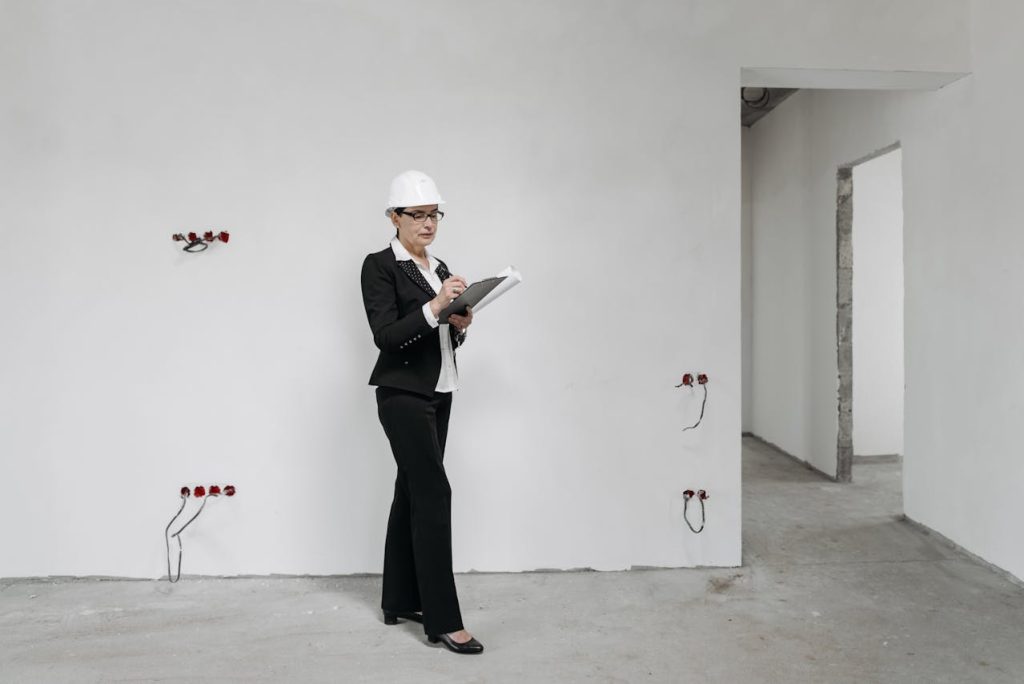
ADU plan checks often move quickly—until something is unclear. Small inconsistencies can trigger corrections that slow approval. Designer-focused compliance helps prevent this by ensuring that the energy documentation clearly reflects the design and scope of work.
Key benefits include:
- Clear identification of conditioned ADU space
- Consistent window and insulation documentation
- Reduced plan-check correction cycles
- Smoother coordination with structural and mechanical sheets
When Title 24 compliance is integrated into the ADU design workflow, permits tend to move faster and with fewer surprises.
How Much Does Title 24 Compliance for ADU Designers Cost?
Costs vary depending on the ADU type, square footage, and complexity of the design. New detached ADUs and simple conversions often fall within predictable ranges, while complex conversions or projects with multiple revisions may require additional coordination.
Pricing factors include:
- ADU size and configuration
- New construction versus conversion
- Clarity and completeness of plans
- Number of design revisions
If HERS verification is required, it is typically billed separately and coordinated during construction. A transparent provider explains these requirements upfront so designers can communicate expectations to their clients.
Tips for ADU Designers to Streamline Title 24 Compliance
ADU designers can reduce compliance friction with a few proactive steps:
- Clearly define conditioned spaces on the plans.
- Include window performance values in schedules.
- Document existing insulation conditions for conversions.
- Coordinate mechanical system selections early.
These practices help ensure that energy compliance supports the design instead of requiring late-stage changes.
How ADU Designers Can Get Started with Title 24 Compliance
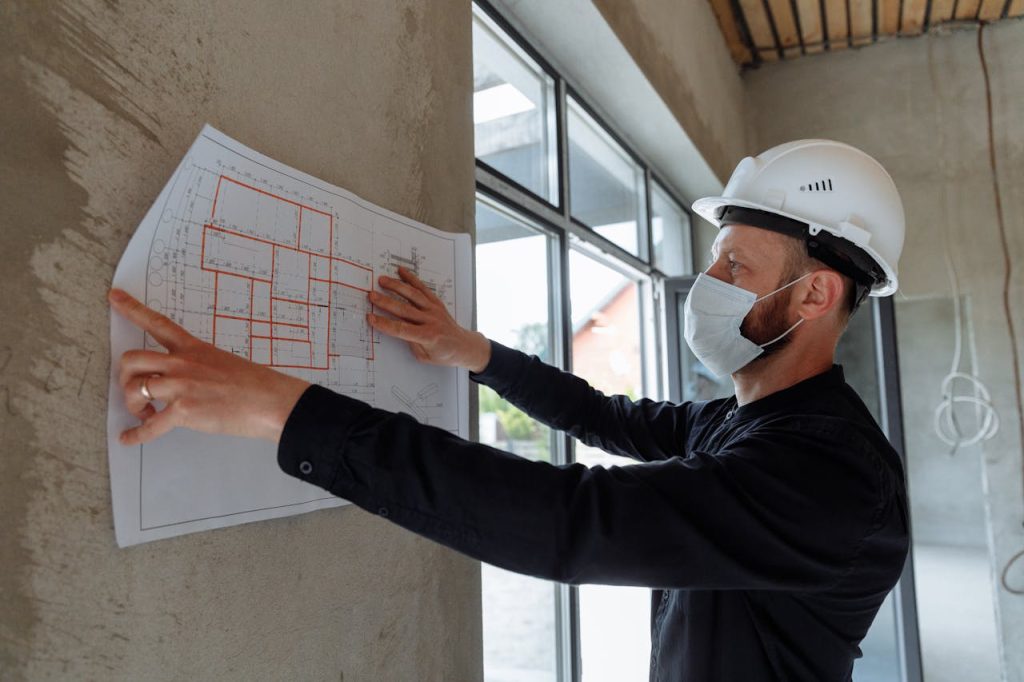
Getting started is simple. ADU designers can submit permit-intent plans to a trusted Title 24 consultant and request Title 24 compliance for ADU designers. Early coordination helps integrate compliance into the design workflow and avoid revisions later.
Call (626) 365-1518 or upload plans through our contact page. You can also email info@title24energy.com with “ADU Title 24” in the subject line.
We’re Ready To Take Your Call
Title 24 compliance for ADU designers should support efficient, buildable designs and fast permit approvals. With coordinated energy documentation, ADU projects move from concept to construction with fewer delays.
Call (626) 365-1518 today to get started. Your ADU-focused Title 24 compliance documentation can be prepared accurately and efficiently—so your designs get approved with confidence.
Frequently Asked Questions About Title 24 Compliance for ADU Designers
Do ADU designers need Title 24 compliance?
Yes. Most ADUs in California require Title 24 energy compliance documentation for permit approval.
Are garage conversion ADUs subject to Title 24?
Yes. Garage conversions typically require compliance documentation based on the scope of work.
Do junior ADUs require Title 24 reports?
Often yes, depending on the jurisdiction and extent of work involved.
Can one compliance approach work for multiple ADUs?
Sometimes, especially when designs are similar, but documentation must match each permit set.
Which software is used for ADU compliance?
Approved tools such as EnergyPro and CBECC-Res are commonly used.
Do design changes require updated Title 24 documents?
Yes. Changes affecting energy features usually require updated compliance forms.
How do ADU designers get started?
Call (626) 365-1518 or upload plans through the contact page.