
Title 24 Report for Plan Check Approval — Energy Documentation That Clears Review Without Delays
A Title 24 report for plan check approval is one of the most important documents in the California permit process. Even well-designed projects can stall if the energy compliance paperwork does not align perfectly with the plans submitted to the city or county building department. Plan check reviewers are not looking for creativity in energy documentation—they are looking for clarity, consistency, and verifiable compliance with the California Building Energy Efficiency Standards.
Plan check delays often occur not because a project fails energy code, but because the Title 24 report does not clearly match the drawings. Window values don’t align with schedules, insulation callouts differ between sheets, HVAC systems are described differently across documents, or conditioned space assumptions are unclear. Any of these issues can trigger corrections that push a project back weeks.
A properly prepared Title 24 report for plan check approval is built specifically to withstand reviewer scrutiny. It reflects the permit-intent plans exactly, uses the correct compliance pathway, and presents information in a way reviewers can quickly verify. The goal is simple: submit once, clear plan check, and keep your permit moving. If you’re preparing for submittal or responding to corrections, our team can help deliver plan-check-ready energy compliance. Call (626) 365-1518 to get started.
Why Plan Check Approval Depends on Accurate Title 24 Reports
In California, Title 24 energy compliance is part of the building code. Plan check reviewers are required to verify that every regulated energy feature shown on the plans is supported by compliant documentation. This means the energy report must be more than technically correct—it must be consistent with the drawings and easy to review.
Common reasons Title 24 reports fail plan check include:
- Window U-factor or SHGC values missing or inconsistent with schedules
- Insulation R-values conflicting between architectural notes and energy forms
- HVAC system type or efficiency mismatches
- Ventilation strategy not clearly documented
- Conditioned floor area discrepancies
A Title 24 report for plan check approval anticipates these review points. It is structured to answer reviewer questions before they are asked, reducing the likelihood of correction notices and resubmittals.

Projects That Require a Title 24 Report for Plan Check Approval
Any project requiring a building permit and involving regulated energy components must pass energy plan check. This applies across residential and commercial construction.
Projects that commonly require a Title 24 report for plan check approval include:
- New construction single-family homes
- Accessory Dwelling Units (ADUs) and junior ADUs
- Room additions and expansions
- Garage conversions and change-of-use remodels
- Major remodels affecting envelope or HVAC systems
- Commercial tenant improvements and build-outs
In all of these cases, energy documentation must match the permit drawings exactly. Even minor discrepancies can result in plan-check corrections and delays.
How a Title 24 Report Is Prepared for Plan Check Approval
A plan-check-ready Title 24 report begins with a thorough review of the permit-intent plans. This includes architectural drawings, window and door schedules, insulation callouts, mechanical plans, and any notes related to energy features.
Energy modeling is then performed using state-approved software such as EnergyPro, CBECC-Res, or CBECC-Com, depending on the project type. All inputs—geometry, envelope assemblies, glazing performance, HVAC systems, ventilation, and water heating—are entered to match the drawings exactly.
If the initial model does not meet compliance, adjustments are made thoughtfully and strategically. The goal is to achieve compliance with minimal disruption to the design while maintaining consistency across the plan set. Once compliance is achieved, the documentation is reviewed internally to ensure there are no conflicts between the energy forms and the drawings.
A professional Title 24 report for plan check approval is not rushed—it is checked carefully to prevent avoidable corrections that slow down permitting.

How Plan-Check-Ready Reports Reduce Corrections and Resubmittals
Plan-check corrections cost time and money. Each correction cycle can push inspections, contractor scheduling, and project timelines further out. A plan-check-ready Title 24 report reduces this risk by prioritizing clarity and consistency.
Benefits include:
- Fewer plan-check correction notices
- Faster permit approval timelines
- Reduced need for emergency revisions
- Clear documentation for inspectors and verifiers
When the energy report aligns perfectly with the plans, reviewers can approve it quickly and move on to the next discipline—keeping your permit on track.
How Much Does a Title 24 Report for Plan Check Approval Cost?
The cost depends on project type, size, and complexity. Straightforward residential projects typically fall into predictable pricing ranges, while larger custom homes or commercial projects require additional coordination and modeling.
Pricing factors include:
- Square footage and number of systems
- Residential versus commercial compliance pathways
- Completeness of permit-intent plans
- Number of revisions required before approval
If HERS verification is required, it is usually billed separately and coordinated during construction. A transparent provider explains these requirements upfront.
Tips to Improve Your Chances of Passing Energy Plan Check
You can improve plan-check outcomes with a few best practices:
- Submit permit-intent plans with finalized window and HVAC selections.
- Ensure insulation callouts are consistent across all sheets.
- Clearly define conditioned versus unconditioned spaces.
- Update the energy report whenever plans change.
These steps help ensure your energy documentation supports approval instead of triggering corrections.
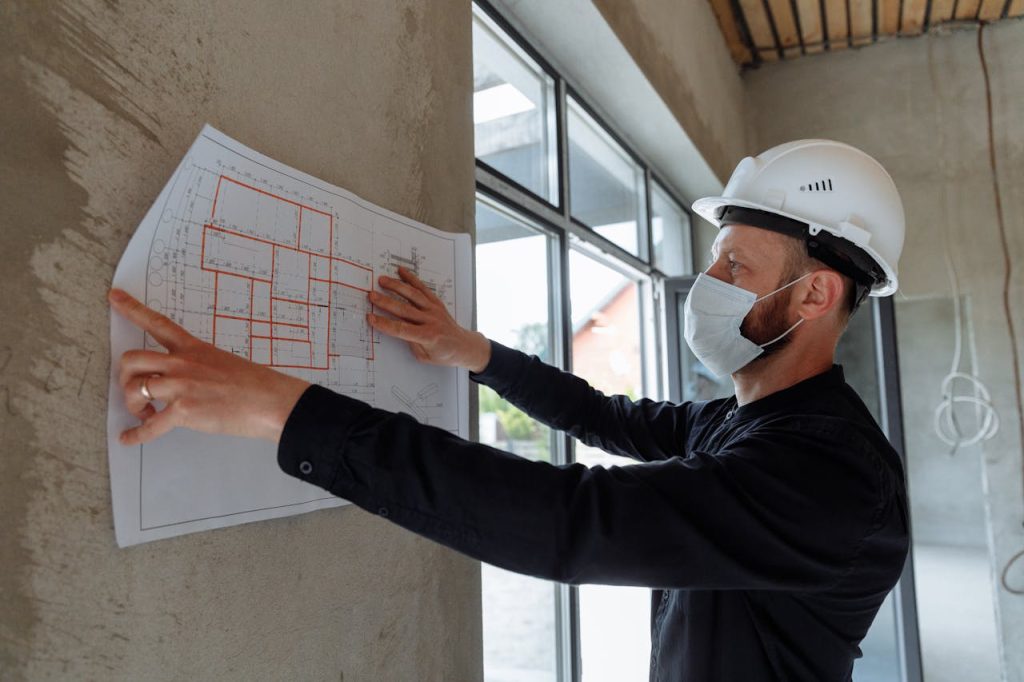
How to Get a Title 24 Report Approved in Plan Check
Getting started is simple. Submit your permit-intent plans to a trusted Title 24 consultant and request a Title 24 report for plan check approval. Early coordination helps prevent corrections and keeps your permit timeline intact.
Call (626) 365-1518 or upload plans through our contact page. You can also email info@title24energy.com with “Plan Check Title 24” in the subject line.
We’re Ready To Take Your Call
A Title 24 report for plan check approval should remove obstacles—not create them. With accurate modeling, clear documentation, and reviewer-ready presentation, energy compliance becomes a smooth step toward permit approval.
Call (626) 365-1518 today to get started. Your plan-check-ready Title 24 compliance documentation can be prepared accurately and efficiently—so your project moves forward without delays.
Frequently Asked Questions About Title 24 Report for Plan Check Approval
What is a Title 24 report for plan check approval?
It is energy compliance documentation prepared specifically to match permit plans and pass building department review.
Why do Title 24 reports fail plan check?
Most failures are due to inconsistencies between the energy forms and the submitted drawings.
Does every permitted project require plan check approval?
Yes. Any project requiring a building permit must pass energy plan check if Title 24 applies.
Can an existing Title 24 report be revised for approval?
Yes. Reports can be updated to address plan-check comments or plan revisions.
Which software is used for plan-check reports?
Approved tools such as EnergyPro, CBECC-Res, and CBECC-Com are commonly used.
Does passing plan check guarantee inspection approval?
It helps, but installations must still match the approved documents during inspections.
How do I get started?
Call (626) 365-1518 or upload plans through the contact page.