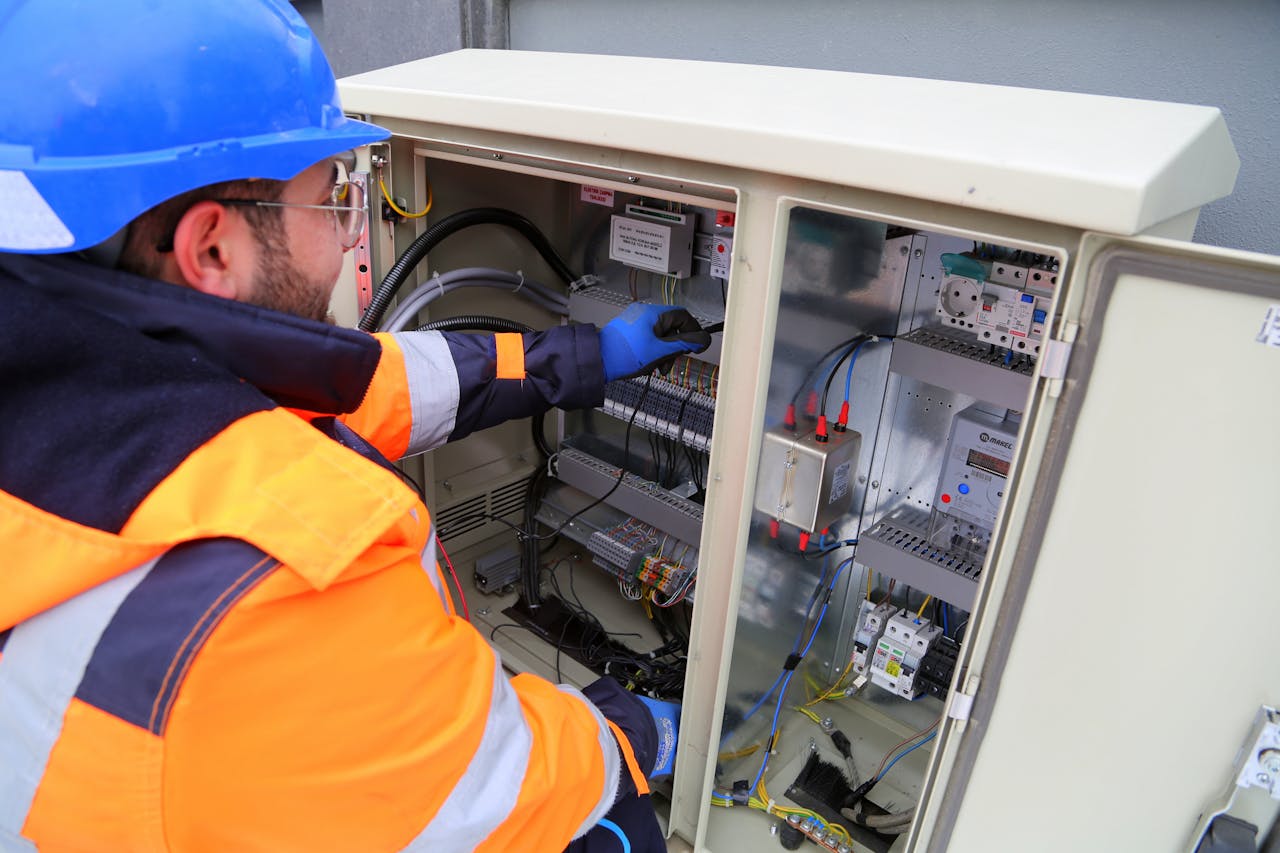
Title 24 Report for Additions — Energy Compliance That Integrates Seamlessly with Your Existing Home
A Title 24 report for additions is required for many residential expansion projects in California. Whether you’re adding a new bedroom, extending a kitchen, building a second story, or expanding your living area, the California Building Energy Efficiency Standards apply to the newly conditioned space. Unlike new construction, additions must carefully integrate new energy-regulated components with an existing structure—making compliance both technical and strategic.
Additions are unique because they do not evaluate the entire home from scratch. Instead, they assess the newly added conditioned area and any affected systems. This requires precise coordination between architectural plans, insulation details, window specifications, HVAC system selections, and existing building conditions. If the energy documentation does not match the plans exactly, plan-check delays can occur.
A professionally prepared Title 24 report for additions ensures that your expansion project meets compliance requirements without unnecessary redesign or cost increases. Our team prepares permit-ready documentation that aligns with your plans and supports smooth approval and inspection. If you’re planning a home addition, call (626) 365-1518 to get started.
Why Additions Require a Specific Title 24 Approach
Home additions differ from new construction because they interact with existing walls, roofs, HVAC systems, and utilities. Compliance must reflect only the scope of work while ensuring that the added space meets current energy standards.
A Title 24 report for additions typically evaluates:
- New wall, roof, and floor insulation assemblies
- Window and door performance values in the addition area
- Conditioned floor area increases
- HVAC system extensions or new equipment serving the addition
- Ventilation requirements for newly created habitable space
- Water heating impacts if systems are modified
Because additions may tie into existing mechanical systems, careful documentation is critical. Misalignment between what is modeled and what is installed can result in correction notices or inspection issues.
Early coordination helps prevent compliance surprises—especially when window sizes, ceiling heights, or insulation assemblies are still being finalized.

Common Types of Additions Requiring Title 24 Reports
Many residential additions require energy compliance documentation as part of the permit process. Common projects include:
- Bedroom and bathroom additions
- Kitchen expansions
- Family room or great room expansions
- Second-story additions
- Master suite additions
- Enclosed patio conversions that become conditioned space
In each case, the new conditioned space must meet current code requirements—even if the original home was built under older standards.
How a Title 24 Report for Additions Is Prepared
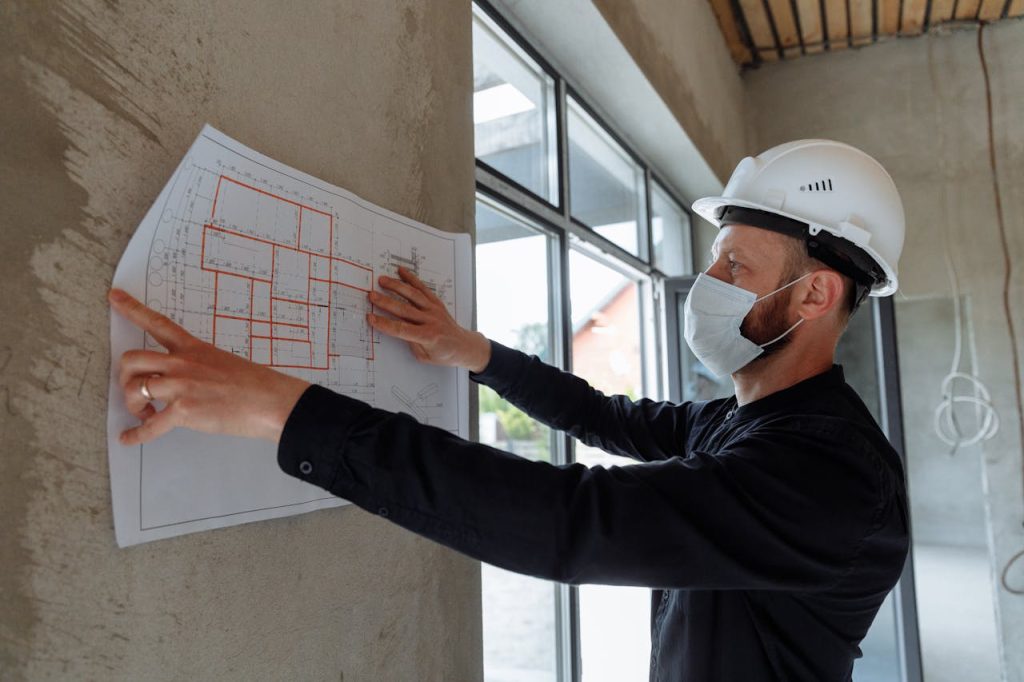
The process begins by reviewing permit-intent architectural drawings to identify the new conditioned area and affected systems. Key inputs include wall and roof assemblies, insulation R-values, window and door sizes with performance ratings, and HVAC system details serving the addition.
Energy modeling is performed using approved state software such as EnergyPro or CBECC-Res. The model evaluates only the new conditioned portion (and any impacted systems) against applicable code requirements.
If the proposed addition does not initially meet compliance targets, adjustments are recommended thoughtfully. These may include modest insulation upgrades, window performance refinements, or HVAC efficiency confirmations. The goal is to achieve compliance without forcing major design changes.
Once compliance is confirmed, the necessary documentation and compliance certificates are generated. A professional Title 24 report for additions includes internal checks to ensure all values align with the architectural and mechanical drawings.

How Proper Compliance Prevents Inspection Delays
After plan check approval, inspections verify that installed systems match the approved energy documentation. Additions often require HERS verification when HVAC systems are extended or replaced, or when certain performance measures are included.
When a Title 24 report for additions is prepared accurately:
- Installations align with documented requirements
- Inspection failures are reduced
- Rework and scheduling disruptions are minimized
- Final approval is achieved more smoothly
Accurate documentation ensures that what is modeled matches what is built.
How Much Does a Title 24 Report for Additions Cost?
Costs depend on the size and complexity of the addition. Smaller room additions typically require less modeling effort than large second-story expansions or projects involving mechanical system upgrades.
Pricing considerations include:
- Square footage of the addition
- Whether HVAC systems are modified or replaced
- Window and insulation complexity
- Number of design revisions prior to permit
HERS verification services, if triggered, are usually separate and scheduled during construction.
Best Practices for Title 24 Compliance on Additions
To streamline approval:
- Provide finalized window specifications before modeling.
- Clearly define conditioned versus unconditioned areas.
- Coordinate HVAC plans early if extending existing systems.
- Update compliance documentation whenever plans change.
These steps help ensure that compliance supports timely permit approval.
How to Get Started with a Title 24 Report for Additions
Getting started is simple. Submit your permit-intent plans to a trusted Title 24 consultant and request a Title 24 report for additions.
Call (626) 365-1518, upload plans through our contact page, or email info@title24energy.com with “Addition Title 24” in the subject line.
We’re Ready To Take Your Call
A properly prepared Title 24 report for additions helps your expansion project move confidently from design to permit approval and inspection. With coordinated modeling and accurate documentation, energy compliance becomes a manageable and predictable part of your home improvement process.
Call (626) 365-1518 today to get started. Your addition-ready Title 24 compliance documentation can be prepared accurately and efficiently—so your project stays on schedule.
Frequently Asked Questions About Title 24 Report for Additions
1. Is a Title 24 report required for home additions in California?
Yes. Most additions that increase conditioned floor area require energy compliance documentation before a permit can be issued.
2. Does the entire existing home need to be upgraded to current code?
No. Typically, only the newly added conditioned space and any affected systems must meet current energy standards.
3. What qualifies as an addition under Title 24?
An addition generally means any expansion that increases conditioned square footage, including new rooms, expanded living areas, or vertical additions.
4. Do second-story additions require energy compliance?
Yes. A second-story addition adds new conditioned space and must demonstrate compliance under current code.
5. Are garage conversions considered additions?
If the garage is converted into conditioned living space, it typically requires Title 24 documentation similar to an addition.
6. What documents are needed to prepare a Title 24 report for additions?
Permit-intent architectural plans, window schedules, insulation callouts, HVAC details, and any mechanical changes are required.
7. Does extending an existing HVAC system trigger additional requirements?
Yes. Extending or modifying HVAC systems may require updated modeling and possibly HERS verification.
8. Can I install different windows than what was modeled?
No. Installed window U-factor and SHGC values must match the performance values listed in the approved energy report.
9. How long does it take to complete a Title 24 report for additions?
Most standard residential additions can be completed within a few business days when plans are finalized.
10. What happens if the addition does not initially meet compliance?
Practical adjustments—such as insulation upgrades or window performance improvements—can be recommended to achieve compliance.
11. Does the size of the addition affect compliance requirements?
Yes. Larger additions typically involve more detailed modeling and may impact HVAC and ventilation requirements.
12. Are solar panels required for additions?
Solar requirements depend on project scope and whether the addition triggers specific thresholds under current code cycles.
13. Do bathroom or small bedroom additions require Title 24 modeling?
Yes, if they increase conditioned floor area and require a building permit.
14. What is HERS testing, and will my addition require it?
HERS testing is third-party verification of certain energy measures. It may be required if HVAC systems or other performance measures are part of the project.
15. Can a Title 24 report be revised after submission?
Yes. If plans change before permit approval, the energy documentation should be updated accordingly.
16. Does Title 24 affect insulation thickness in additions?
Yes. Wall, ceiling, and floor insulation must meet current minimum R-value requirements.
17. Will energy compliance slow down my permit process?
When prepared accurately and aligned with plans, energy documentation helps prevent plan-check delays rather than causing them.
18. Are lighting requirements included in additions?
Certain lighting efficiency standards may apply, particularly in kitchens and bathrooms.
19. Can contractors prepare their own Title 24 reports?
Title 24 reports are typically prepared by qualified energy consultants using state-approved software tools.
20. How do I get started with a Title 24 report for additions?
Call (626) 365-1518 or upload your plans through the contact page to begin your Title 24 compliance process.