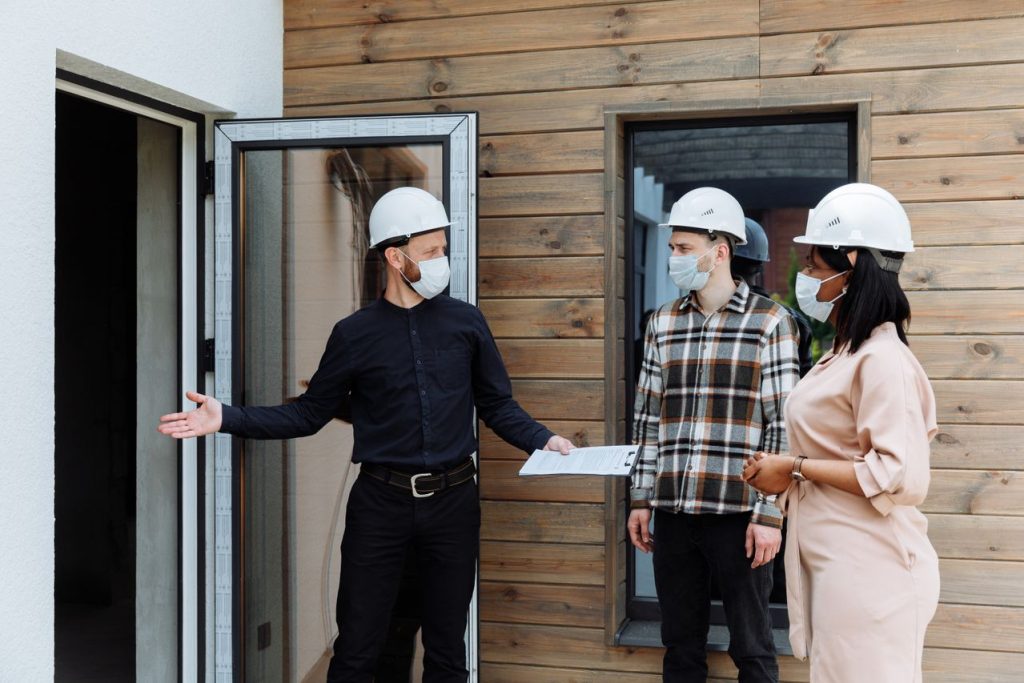
What Is QII HERS Verification?
Call (626) 365-1518 | Alternative Energy Systems
What Is QII HERS Verification is an important question when a California Title 24 energy report identifies Quality Insulation Installation as a compliance measure that must be verified during construction.
QII stands for Quality Insulation Installation.
The purpose of QII is not simply to confirm that insulation exists inside the building. It verifies that the insulation and associated air barriers are installed in a manner consistent with the California Energy Code, the approved energy documentation, applicable installation procedures, and the insulation manufacturer’s instructions.
QII can involve verification of:
- Air-barrier installation
- Air-infiltration sealing
- Wall insulation
- Ceiling insulation
- Roof-deck insulation
- Raised-floor insulation
- Insulation around plumbing and wiring
- Insulation around electrical boxes
- Hard-to-access framing cavities
- Window and door headers when applicable
- Attic conditions
- Kneewalls and skylight shafts
- Other applicable portions of the thermal envelope
The inspection occurs during construction because many of these conditions become impossible or difficult to see after drywall, interior finishes, or other materials conceal the framing and insulation.
For projects using the current 2025 California Energy Code, the terminology has changed.
Older California projects and forms commonly referred to this third-party process as HERS verification. Beginning with the 2025 Energy Code, California moved Energy Code field verification and diagnostic testing into the Energy Code Compliance Program, commonly abbreviated ECC.
That means a current 2025-code project will generally refer to an ECC Rater rather than a HERS Rater for this compliance verification.
The older phrase remains useful because many homeowners, builders, designers, contractors, existing permit files, and internet searches still refer to QII HERS Verification.
For general background on residential energy-rating terminology, review Home Energy Rating on Wikipedia. California’s Energy Code Compliance Program is a separate state compliance system, so the California requirements should always be confirmed through current California Energy Commission documentation.
Alternative Energy Systems brings more than 30 years of California energy-compliance experience to residential, multifamily, mixed-use, and commercial projects.
AES can prepare the applicable Title 24 analysis, identify QII when it appears as a required compliance measure, and help coordinate the energy documentation with the construction plans. Required field verification is performed separately by the appropriately qualified third-party rater.
Call (626) 365-1518 if QII appears on your energy report or permit documents and you need help understanding what the project requires.
What Does QII Mean?
QII means Quality Insulation Installation.
The concept recognizes that insulation performance depends on more than the R-value printed on the product.
Two walls can contain insulation labeled with the same nominal R-value while performing differently if one installation contains:
- Large gaps
- Voids
- Compression
- Poor fitting around pipes
- Poor fitting around electrical wiring
- Missing insulation behind obstructions
- Disconnected air barriers
QII addresses the quality of the complete installation rather than assuming that purchasing insulation with the correct label is enough.
Why Does Insulation Installation Quality Matter?
Insulation is intended to reduce heat transfer through the building envelope.
That envelope can include:
- Exterior walls
- Ceilings
- Roofs
- Floors over unconditioned spaces
- Kneewalls
- Other boundaries between conditioned and unconditioned space
Gaps and compressed insulation can create portions of an assembly that do not perform the way the energy analysis assumed.
Air leakage can also bypass insulation and reduce the effectiveness of the thermal envelope.
QII therefore looks at both insulation installation and applicable air-barrier conditions.
QII Is Not Just an Insulation R-Value Check
A QII verification does not simply involve locating an insulation label and confirming that it says R-13, R-15, R-21, R-30, or another value.
The installation itself matters.
Depending on the assembly, the verification can address whether insulation:
- Fills the intended cavity
- Remains in contact with required air barriers
- Fits around obstructions
- Avoids significant gaps and voids
- Avoids improper compression
- Matches the approved Certificate of Compliance
- Was installed according to manufacturer instructions
The exact requirements depend on the construction assembly and applicable QII procedure.
QII Is Also an Air-Sealing Process
Quality insulation depends on controlling unwanted air movement through the building envelope.
The QII process therefore includes an air-infiltration-sealing stage before the insulation installation is complete.
Potential air-leakage locations can include:
- Framing intersections
- Utility penetrations
- Plumbing penetrations
- Electrical penetrations
- Floor transitions
- Ceiling transitions
- Garage interfaces
- Attic boundaries
- Other envelope penetrations
The details vary according to the building.
QII Verification Happens During More Than One Construction Stage
Framing and Air Sealing Must Be Reviewed Before They Are Concealed
One of the most important things to understand about QII is timing.
The verification cannot simply be postponed until construction is completely finished.
California provides separate QII documentation for:
- Air-infiltration sealing at the framing stage
- Insulation installation
These stages exist because important construction details become concealed as the project progresses.
What Is the QII Framing-Stage Verification?
The framing-stage portion focuses on the building’s air-barrier system and preparation for insulation.
This stage occurs early enough for applicable envelope conditions to remain visible.
The current single-family forms identify QII air-infiltration sealing as a distinct framing-stage verification.
That can involve review of areas such as:
- Walls adjacent to unconditioned space
- Raised floors
- Ceiling air barriers
- Unvented attic boundaries
- Garage interfaces
- Cantilevered floors
- Attached porches
- Other applicable envelope assemblies
Why Must the Framing Stage Happen Before Insulation?
Some sealing and air-barrier conditions need to be visible before cavities are filled.
If insulation covers the framing before the applicable inspection occurs, the rater may not be able to verify the required conditions.
That can create avoidable construction delays or corrective work.
Builders and insulation contractors should therefore identify a QII requirement before insulation work begins.
What Is Checked During Air-Sealing Verification?
The specific checklist depends on the building, but the objective is to verify that applicable boundaries between conditioned and unconditioned areas have been prepared properly.
The rater is looking for construction that corresponds to the QII requirements rather than simply checking whether caulk or foam appears somewhere in the building.
What Happens After the Framing-Stage Verification?
Once applicable framing and air-sealing requirements have been addressed, insulation installation can proceed.
That does not complete QII.
A separate insulation-stage verification is still associated with the QII process when required.
Should the Insulation Contractor Know QII Is Required?
Yes.
The insulation installer needs to understand that the project is being built using QII assumptions.
That can affect:
- Installation quality
- Scheduling
- Product documentation
- Access for verification
- Correction of deficiencies
Finding out that QII is required after the insulation has already been covered is a preventable coordination problem.
Where Is QII Shown in the Title 24 Documentation?
When QII is part of the compliance design, it should be reflected in the applicable energy documentation.
Required field-verification measures are identified through the project’s compliance documents.
The contractor should review those documents before beginning the affected work.

What Does the QII Insulation Verification Check?
The Installed Insulation Must Match the Approved Energy Design
The insulation-stage verification occurs while the insulation remains accessible for inspection.
The current California QII verification documentation addresses multiple envelope assemblies and installation conditions.
Insulation Must Match the Certificate of Compliance
The insulation installed in the building should meet or exceed the applicable levels identified in the project’s Certificate of Compliance.
The field installation and energy calculation should represent the same building.
If the report identifies one envelope assembly but a different assembly is installed, the discrepancy needs to be resolved.
Gaps and Voids Matter
Insulation should fit the cavity and applicable air barriers as required by the QII procedures.
For applicable batt and loose-fill wall installations, current verification criteria address proper contact and the absence of unacceptable:
- Gaps
- Voids
- Compression
A partially insulated cavity should not automatically be treated as equivalent to a correctly filled cavity.
Insulation Around Electrical Boxes Matters
Electrical boxes interrupt wall cavities.
Insulation needs to fit around these obstructions according to the applicable installation criteria rather than leaving substantial uninsulated spaces.
The same principle applies to other penetrations.
Insulation Around Plumbing and Wiring Matters
Pipes and wiring can make insulation installation more difficult.
The insulation must be fitted around those obstructions so the assembly performs as intended.
Forcing a full batt into a complicated cavity without properly fitting it around obstructions can create compression and voids.
Hard-to-Reach Wall Cavities Matter
Certain framing conditions can become inaccessible later.
Examples can include:
- Wall intersections
- Corner channels
- Other enclosed framing locations
Current QII criteria specifically address insulation in hard-to-access cavities before exterior finishes or other construction makes those locations inaccessible.
Insulation Behind Tubs and Showers Can Matter
When tubs, showers, fireplaces, stairwells, or similar assemblies are located against exterior walls, insulation and air-barrier conditions can become difficult to correct after those features are installed.
QII procedures therefore address applicable insulation behind these areas.
Window and Door Headers Can Matter
Applicable QII criteria include insulation conditions for certain single-member window and door headers.
The requirement depends on the framing assembly.
This is another example of why QII is more detailed than a simple wall-cavity inspection.
Attic Insulation Is Also Part of QII
Applicable attic conditions can include:
- Insulation contact with the ceiling air barrier
- Attic access insulation
- Insulation dams
- Eave ventilation
- Loose-fill insulation depth
- Other applicable roof or ceiling conditions
The exact checklist varies according to the attic design.
Loose-Fill Insulation Has Additional Verification Details
Current California QII documentation includes procedures for checking loose-fill insulation depth and density.
Manufacturer coverage information can be important.
The current single-family QII form also requires product labels or specification information to be available to the rater.
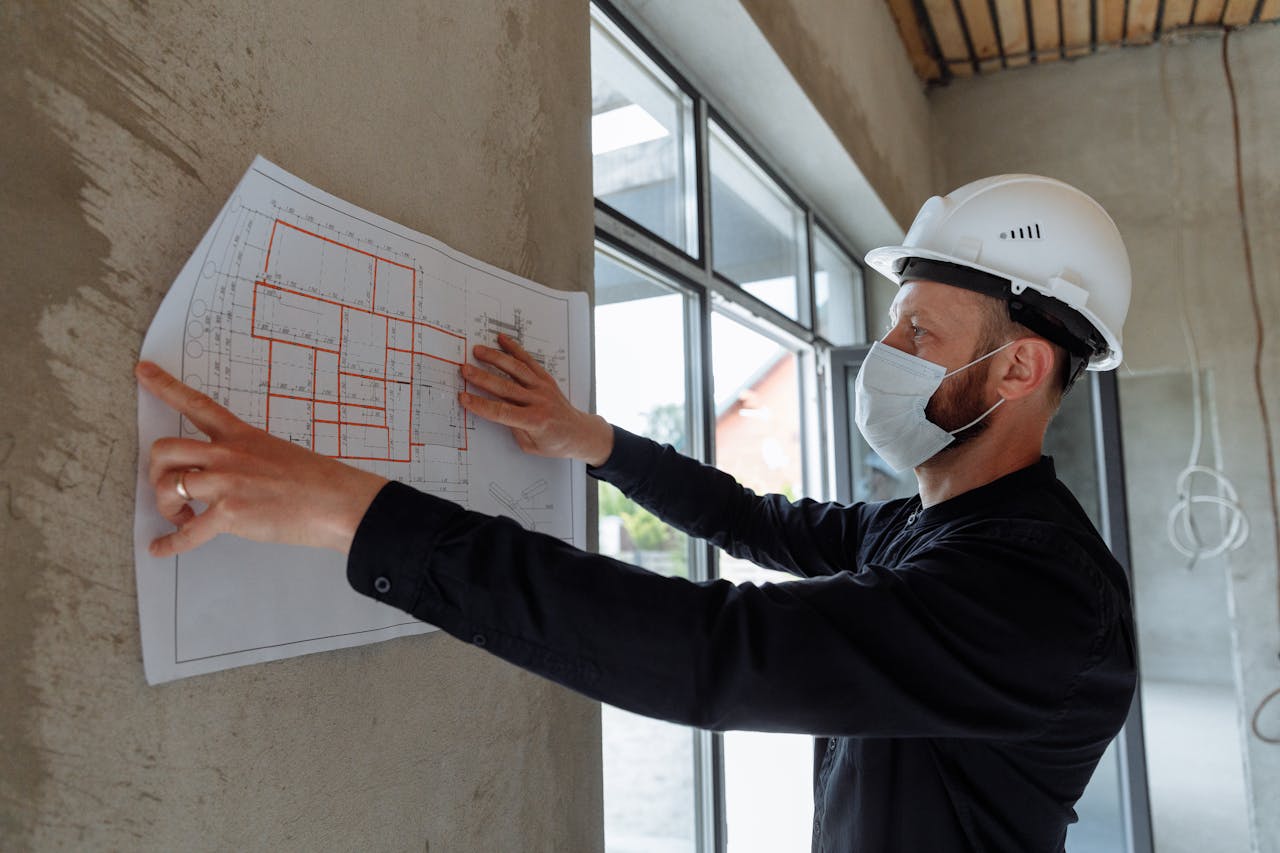
Is It Still Called HERS Verification in 2026?
The 2025 Energy Code Uses ECC Rater Terminology for Current Projects
This terminology change is important.
For older California Energy Code cycles, field verification and diagnostic testing were performed through the Home Energy Rating System compliance structure.
Those projects use terminology such as:
- HERS Provider
- HERS Rater
- HERS verification
California reorganized this process for the 2025 Energy Code.
Beginning January 1, 2026, the field-verification and diagnostic-testing portion of Energy Code compliance moved into the Energy Code Compliance Program.
Current terminology includes:
- ECC Provider
- ECC Rater
- Field Verification and Diagnostic Testing
For official information about this change, review the California Energy Commission Energy Code Compliance Program.
Why Do People Still Search for QII HERS Verification?
There are several practical reasons.
Older permit files still contain HERS terminology.
Architects, contractors, consultants, inspectors, and property owners have used the term for many years.
Search engines also contain years of information based on older code cycles.
A project submitted under the 2022 Energy Code may still correctly contain HERS terminology.
A new project using the 2025 Energy Code should use the current ECC terminology where the current compliance documents require it.
Does the Terminology Change Alter the Purpose of QII?
The program terminology changed, but the basic reason for third-party field verification remains straightforward.
Certain Energy Code measures depend on real installation conditions that cannot be established from plans alone.
Field verification confirms that applicable measures were actually installed according to the required procedures.
What Happens to an Older 2022 Project?
An older project established under the 2022 Energy Code can continue to use the HERS terminology and documentation associated with that code cycle.
Do not automatically convert old forms to 2025 ECC forms simply because the calendar is now 2026.
The applicable code cycle should be established first.
For more information, review Which Title 24 Energy Code Version Do I Need.
What About a New 2026 Permit Application?
An applicable new permit application filed on or after January 1, 2026 uses the 2025 California Energy Code.
When that project requires field verification, current ECC procedures and documentation apply.
The project team should use the forms associated with the correct code cycle.
Can the Building Department Perform the ECC Verification?
Building-department inspection and required third-party Energy Code verification are different functions.
When a compliance measure requires verification by an ECC Rater, ordinary building inspection should not be assumed to replace that requirement.
The applicable registered compliance documentation needs to be completed through the required process.
Does AES Perform the Third-Party Verification?
Alternative Energy Systems prepares energy-compliance calculations and documentation and can identify QII or other verification measures associated with a project.
Required third-party field verification is a separate construction-stage service performed by an appropriately qualified rater.
Do not assume the preparation of the Title 24 report automatically includes every third-party field-verification service.
The project agreement should identify the scope of services being provided.
When Is QII Required for a Title 24 Project?
The Certificate of Compliance Determines Whether QII Is Part of the Design
QII should not be described as a universal requirement for every California permit.
Whether it applies depends on:
- Building type
- Project scope
- Code cycle
- Compliance method
- Energy model
- Measures selected for compliance
Under the current 2025 Energy Code, when performance compliance requires field verification of QII, the building insulation system must be verified using the applicable California procedures.
Is QII Required on Every New Home?
Do not assume that every project automatically uses the same QII compliance measure.
New single-family buildings have field-verification requirements under the current Energy Code, but the individual measures required for a particular project are identified in the project’s Certificate of Compliance.
QII should be scheduled when the compliance documentation identifies it.
Can QII Be Used as a Performance Compliance Measure?
Yes.
The current 2025 Energy Code specifically addresses QII when performance compliance requires field verification of the measure.
When QII is modeled for compliance, the field installation must support the assumptions used in the performance analysis.
Does QII Apply to the Whole New Building?
Current 2025 single-family QII instructions state that QII applies to the entire building envelope for new construction when the measure is used.
That can include applicable:
- Roof and ceiling assemblies
- Walls
- Floors
The detailed requirements depend on each assembly.
Can an Addition Use QII?
QII treatment for additions is more specific.
Under current 2025 single-family instructions, compliance credit for applicable addition or alteration situations is associated with the existing-plus-addition-plus-alteration performance approach, with the credit applying to qualifying new surfaces in the new zone.
The actual project should be reviewed before assuming QII credit is available.
Does a Small Remodel Automatically Need QII?
No.
The fact that insulation is being installed does not by itself establish that formal QII field verification is required.
The project’s compliance documentation and applicable code provisions determine whether the QII verification measure applies.
What About ADUs?
A new detached ADU can be treated as new residential construction under the applicable Energy Code provisions.
If its compliance documentation identifies QII field verification, the construction needs to be coordinated accordingly.
Attached ADUs and conversions can involve different conditions.
For more information, review ADU Title 24.
What About Multifamily Projects?
Current California compliance documents also include QII installation and verification forms for applicable low-rise multifamily work.
Multifamily projects should be evaluated under the correct multifamily requirements rather than assuming that every single-family procedure applies unchanged.
What About Commercial Buildings?
QII HERS terminology is primarily associated with residential Energy Code procedures.
Commercial and nonresidential buildings have their own envelope installation, acceptance, and compliance requirements.
Do not automatically apply residential QII forms to a nonresidential building.

What Happens if the Insulation Does Not Pass QII Verification?
Corrections Should Be Made While the Work Is Still Accessible
The current QII verification forms provide for a verification status that can indicate whether applicable requirements pass or fail.
When deficiencies are found, correction notes can identify what needs attention.
The practical objective is to correct the installation before it becomes concealed.
What Can Cause a QII Verification Problem?
Potential issues can include:
- Missing insulation
- Gaps
- Voids
- Excessive compression
- Insulation that does not fit around wiring
- Insulation that does not fit around plumbing
- Missing insulation in difficult framing locations
- Incorrect attic conditions
- Missing or incomplete air barriers
- Insulation that does not match the approved documentation
The actual correction depends on the assembly.
Does Failing an Inspection Mean the Entire Project Fails?
A failed verification item means the applicable requirement needs to be addressed.
It should not automatically be interpreted as permanent failure of the entire building project.
The normal objective is to identify the deficiency, correct the condition, and complete the required verification process.
Can the Contractor Fix the Problem?
Applicable installation deficiencies can generally be corrected while the work remains accessible.
The contractor or insulation installer should coordinate with the rater regarding the items identified for correction.
The rater determines whether the applicable verification criteria have been satisfied.
What if Drywall Was Installed Too Soon?
This can create a serious coordination problem because insulation and air-barrier conditions may no longer be visible.
The appropriate response depends on what needs to be verified and what documentation is available.
The project team should contact the rater before assuming that photographs, statements, or other records will replace an inspection.
Do not conceal QII work until the required verification stages have been coordinated.
Can Photographs Replace the QII Inspection?
Do not assume so.
Required field verification follows specific California procedures.
Whether any alternative documentation is acceptable is determined by the applicable program requirements and rater procedures, not simply by whether photographs were taken.
Can the Title 24 Consultant Waive QII?
Not simply because construction has already progressed.
If QII is part of the approved compliance design, removing the measure can affect the energy calculation.
The project may need:
- A revised analysis
- Different compliance measures
- Updated forms
- Plan revisions
Whether an alternate design complies must be determined through the applicable Energy Code process.
Can QII Be Removed From the Energy Model?
Potentially, if a revised compliant design is available.
Removing QII from a performance model can change the modeled energy performance of the building.
Other efficiency measures may need to compensate.
The calculation should be revised before assuming the project remains compliant.
Should QII Be Removed Just to Avoid Verification?
That is a design and compliance decision rather than simply a scheduling decision.
The project team should evaluate:
- Energy performance
- Construction cost
- Alternative measures
- Revision requirements
- Project schedule
before changing an approved compliance strategy.
Does Passing QII Guarantee the Entire Permit Will Be Approved?
No.
QII verification addresses applicable insulation and envelope requirements.
The complete permit remains subject to all other applicable:
- Energy Code requirements
- Building Code requirements
- Mechanical requirements
- Electrical requirements
- Plumbing requirements
- CALGreen requirements
- Local plan-review requirements
QII is one part of the overall compliance process.

Need Help Understanding QII on Your Title 24 Report?
Call (626) 365-1518 | Alternative Energy Systems
If your Title 24 report identifies QII, review the requirement before framing, insulation, and drywall schedules are finalized.
Alternative Energy Systems can review the energy-compliance documentation and help identify:
- Whether QII appears in the compliance design
- Which code cycle the project uses
- Whether the project documentation uses HERS or ECC terminology
- Which envelope assemblies are represented in the calculation
- Whether design changes may require revised calculations
What Should I Send AES?
Useful information can include:
- Current construction plans
- Existing Title 24 calculations
- Certificate of Compliance
- Insulation specifications
- Wall and roof details
- Existing HERS or ECC documentation
- Building-department correction notices
- A description of current construction progress
For a broader project intake guide, review what AES will need from you.
What if My Existing Report Says HERS?
First determine the applicable Energy Code version.
A 2022-code project can legitimately contain HERS terminology.
A current 2025-code project uses the new ECC compliance terminology.
Do not replace forms simply because the names changed without confirming the project’s code cycle.
What if My Current 2025 Report Says QII?
The project team should identify the required ECC field-verification stages and coordinate them before the relevant work is concealed.
Current California single-family compliance documents include:
- CF2R-ENV-21-H QII Air Infiltration Sealing – Framing Stage
- CF2R-ENV-22-H QII Insulation Installation
- CF3R-ENV-21-H QII Air Infiltration Sealing – Framing Stage
- CF3R-ENV-22-H QII Insulation Installation
The Certificate of Installation and Certificate of Verification serve different roles in the compliance process.
What Is the Difference Between CF2R and CF3R QII Forms?
For current single-family compliance documentation:
- CF2R forms are Certificates of Installation
- CF3R forms are Certificates of Verification
The installation documentation and third-party verification documentation work together to demonstrate the applicable measure.
Who Coordinates the Rater?
Project responsibility can vary according to the contract and construction team.
The builder, owner, contractor, or another responsible project participant should make sure the required verification is scheduled at the correct construction stage.
Do not assume the building department or energy consultant automatically schedules every required third-party inspection.
When Should the Rater Be Contacted?
Before applicable QII work becomes concealed.
Ideally, the requirement is identified early enough to coordinate:
- Framing-stage verification
- Air sealing
- Insulation installation
- Insulation-stage verification
- Drywall scheduling
Early coordination can prevent the project from reaching a stage where required conditions can no longer be inspected easily.
Why Choose Alternative Energy Systems?
Alternative Energy Systems provides professional Title 24 calculations, compliance documentation, revisions, and energy-related plan-check support throughout California.
AES brings more than 30 years of California energy-compliance experience to:
- New homes
- ADUs
- Garage conversions
- Additions
- Residential remodels
- Multifamily projects
- Mixed-use projects
- Envelope compliance
- Projects involving QII requirements
- Energy-related plan-check corrections
AES prepares and coordinates the energy-analysis side of the project while required third-party field verification remains a separate rater function unless a project agreement expressly states otherwise.
Learn more through the About Us page, review company background on the clients page, or explore Title 24 energy compliance.
Frequently Asked Questions: What Is QII HERS Verification?
What Is QII HERS Verification?
QII HERS Verification is the commonly used older term for third-party field verification of Quality Insulation Installation under California Title 24. For 2025-code projects, current California terminology uses the Energy Code Compliance Program and ECC Raters instead of HERS Raters for Energy Code field verification.
What does QII stand for?
QII stands for Quality Insulation Installation.
What is the purpose of QII?
QII verifies applicable insulation installation and air-barrier conditions rather than assuming that nominal insulation R-value alone represents the completed building envelope.
Is QII just an insulation inspection?
No. QII also includes applicable air-infiltration-sealing and air-barrier requirements.
Is QII still called HERS verification?
Older code cycles use HERS terminology. Current 2025 Energy Code compliance uses ECC terminology for field verification and diagnostic testing.
When did California change from HERS to ECC for Energy Code verification?
The change applies with the 2025 Energy Code, which became effective January 1, 2026.
Does every new home require QII?
Do not assume that QII is an identical requirement on every project. The project’s Certificate of Compliance identifies the field-verification measures required for that design.
Can QII be used with performance compliance?
Yes. The 2025 Energy Code specifically requires field verification when QII is used as a verified performance-compliance measure.
Does QII apply to the entire building?
For applicable 2025 new-construction QII projects, current single-family instructions state that QII applies to the building envelope, including applicable roof or ceiling, wall, and floor assemblies.
Can an addition use QII credit?
Current 2025 instructions provide specific conditions for QII credit in applicable existing-plus-addition-plus-alteration performance projects. The actual project should be reviewed before assuming credit is available.
What happens at the framing-stage QII inspection?
Applicable air-barrier and air-infiltration-sealing conditions are verified before insulation conceals the framing.
What happens at the insulation-stage inspection?
The rater verifies applicable insulation materials and installation conditions while they remain accessible.
Does the rater check for insulation gaps?
Yes. Applicable QII criteria address gaps, voids, compression, and proper fitting of insulation.
Does insulation need to fit around electrical boxes?
Applicable QII criteria require insulation to fit around obstructions such as electrical boxes, plumbing, and wiring without improper gaps, voids, or compression.
Does attic insulation get checked?
Applicable QII procedures include attic, ceiling, roof-deck, access, ventilation, and insulation conditions according to the project configuration.
Does loose-fill insulation get checked?
Yes. Current QII procedures include applicable depth and density verification for loose-fill insulation.
What if the insulation fails verification?
The deficient condition should be corrected and the required verification process completed before the affected work is concealed whenever possible.
Can drywall be installed before QII verification?
Required inspection stages should be completed before drywall or other construction conceals the conditions that must be verified.
Can photographs replace the field inspection?
Do not assume they can. Required verification must follow the applicable California procedures and rater requirements.
Can the Title 24 consultant remove QII after construction starts?
Not automatically. If QII is part of the approved compliance model, removing it can require a revised energy analysis and potentially other efficiency measures.
Does passing QII guarantee permit approval?
No. QII verification addresses one portion of Energy Code compliance. The complete project remains subject to all applicable permit requirements.
What is a CF2R QII form?
For current single-family compliance, applicable CF2R QII forms document installation requirements.
What is a CF3R QII form?
Applicable CF3R QII forms are Certificates of Verification documenting required third-party field verification.
Who performs current 2025 QII verification?
Required third-party verification is performed by an appropriately qualified ECC Rater under the current Energy Code Compliance Program.
What if my project was permitted under the 2022 Energy Code?
Older 2022 projects continue to use the HERS terminology and procedures associated with that code cycle.
What if my permit application is new in 2026?
Applicable new permit applications filed on or after January 1, 2026 use the 2025 Energy Code and current ECC terminology.
How do I know if my project requires QII?
Review the Certificate of Compliance and energy report. AES can also review the Title 24 documentation and explain which field-verification measures appear in the design.
What should I send AES?
Send the current plans, Title 24 report, Certificate of Compliance, insulation and envelope information, available HERS or ECC documents, and any building-department correction comments.
How do I get help understanding QII?
Call Alternative Energy Systems at (626) 365-1518, email info@title24energy.com, or use the contact page.