
Why Are Energy Standards Important?
Call (626) 365-1518 | Alternative Energy Systems
Why Are Energy Standards Important is a question that reaches far beyond permit paperwork. Energy standards establish practical requirements for how buildings use energy, how efficiently major systems operate, and how construction decisions involving insulation, windows, HVAC equipment, ventilation, water heating, lighting, and other building components work together.
In California, energy standards are intended to reduce unnecessary energy consumption while supporting buildings that are more efficient, comfortable, durable, and better coordinated with the electrical grid.
For homeowners, contractors, architects, designers, developers, and commercial property owners, energy standards matter because they establish a consistent framework for:
- Reducing unnecessary energy use
- Controlling long-term operating costs
- Improving building-envelope performance
- Improving heating and cooling efficiency
- Supporting appropriate ventilation
- Improving coordination between building systems
- Reducing greenhouse-gas emissions
- Supporting grid reliability
- Creating measurable construction requirements
- Providing a basis for permit review
The standards also help turn broad goals such as “build efficiently” into measurable project requirements.
Alternative Energy Systems brings more than 30 years of California energy-compliance experience to residential, multifamily, mixed-use, and commercial projects.
Call (626) 365-1518 if your project requires Title 24 energy calculations, compliance documentation, revisions, or assistance coordinating the energy requirements with the construction plans.
The Short Answer: Energy Standards Create a Minimum Performance Baseline
Without defined energy standards, two buildings that appear similar could be constructed with dramatically different levels of energy performance.
One building might have:
- Poor insulation
- Inefficient windows
- Oversized or inefficient mechanical equipment
- Ducts exposed to difficult conditions
- Weak ventilation design
- Inefficient water heating
- Uncontrolled lighting loads
Another building could incorporate coordinated energy-efficient systems from the beginning.
Energy standards create a baseline that designers, builders, equipment suppliers, consultants, inspectors, and building departments can use when evaluating a project.
That baseline makes energy efficiency part of the construction process rather than an optional feature considered only after the building is complete.
Energy Standards Help Reduce Unnecessary Energy Consumption
One of the most direct reasons energy standards matter is that buildings use energy every day for:
- Heating
- Cooling
- Ventilation
- Water heating
- Lighting
- Other building systems
Small inefficiencies can accumulate over the life of a building.
Energy standards address building characteristics that influence those loads before inefficient choices become permanent parts of the construction.
The goal is not simply to reduce energy use on paper.
The standards influence real decisions involving:
- Insulation
- Glazing
- Roof assemblies
- Mechanical equipment
- Duct systems
- Water heating
- Lighting and controls
Energy Standards Can Reduce Long-Term Operating Costs
Construction cost is only one part of what a building costs.
Homes and commercial buildings continue to consume energy for decades after construction.
Efficient design can help reduce the amount of energy required to operate the building.
This makes decisions involving:
- Envelope performance
- Window performance
- HVAC efficiency
- Water heating
- Lighting
- Controls
important not only during plan review, but throughout the useful life of the building.
California’s energy standards are designed with long-term energy use and operating costs in mind.
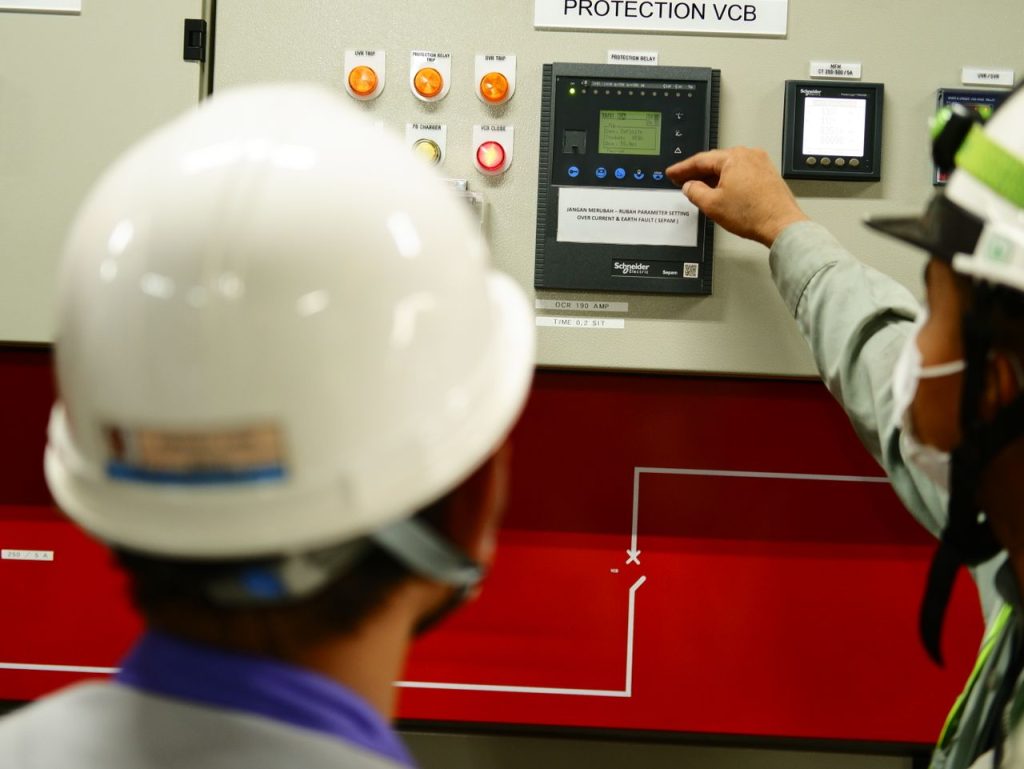
Energy Standards Make Building Performance Measurable
Saying that a building should be “energy efficient” is not enough for construction or permitting.
Designers and building departments need measurable requirements.
Energy standards provide a framework for evaluating factors such as:
- Insulation levels
- Window performance
- Roof characteristics
- Mechanical equipment efficiency
- Duct conditions
- Ventilation
- Water heating
- Lighting
- Lighting controls
Those requirements can then be represented in calculations, forms, schedules, specifications, and construction notes.
This gives the project team something concrete to design, build, review, and verify.
Energy Standards Improve Coordination Between Building Systems
A building is not a collection of completely separate products.
Its energy-related features interact.
For example:
- Window performance can influence heating and cooling demand
- Insulation affects the building envelope
- HVAC efficiency affects mechanical energy use
- Duct location can influence system performance
- Ventilation affects mechanical design
- Lighting affects commercial energy use
Energy standards encourage the project team to consider these components together.
This is particularly important when using a performance-based compliance approach, where one design decision can influence the overall energy analysis.
Energy Standards Help Improve Building-Envelope Performance
The building envelope separates conditioned space from outdoor or unconditioned environments.
Energy standards can influence:
- Exterior walls
- Roof assemblies
- Ceilings
- Floors
- Windows
- Glazed exterior doors
A better-performing envelope can reduce unwanted heat transfer and help heating and cooling systems operate more effectively.
The applicable requirements depend on the building, climate, construction type, and compliance path.
Insulation Standards Matter Because the Building Envelope Matters
Insulation is one of the most recognizable parts of energy-efficient construction.
Applicable requirements may involve:
- Exterior wall insulation
- Roof insulation
- Ceiling insulation
- Attic assemblies
- Floor insulation
- Other surfaces surrounding conditioned space
The goal is not simply to install “more insulation.”
The correct assembly must be identified for the project and represented consistently in both the energy documentation and construction plans.
Window Standards Affect More Than the Appearance of a Building
Windows are architectural features, but they are also part of the thermal envelope.
Energy standards can address window characteristics such as:
- Glazing area
- Orientation
- U-factor
- Solar heat gain coefficient
- Glazed exterior doors
A large area of glass can influence a building differently from a smaller window design.
That is why window decisions should be coordinated with the energy analysis before products are ordered.
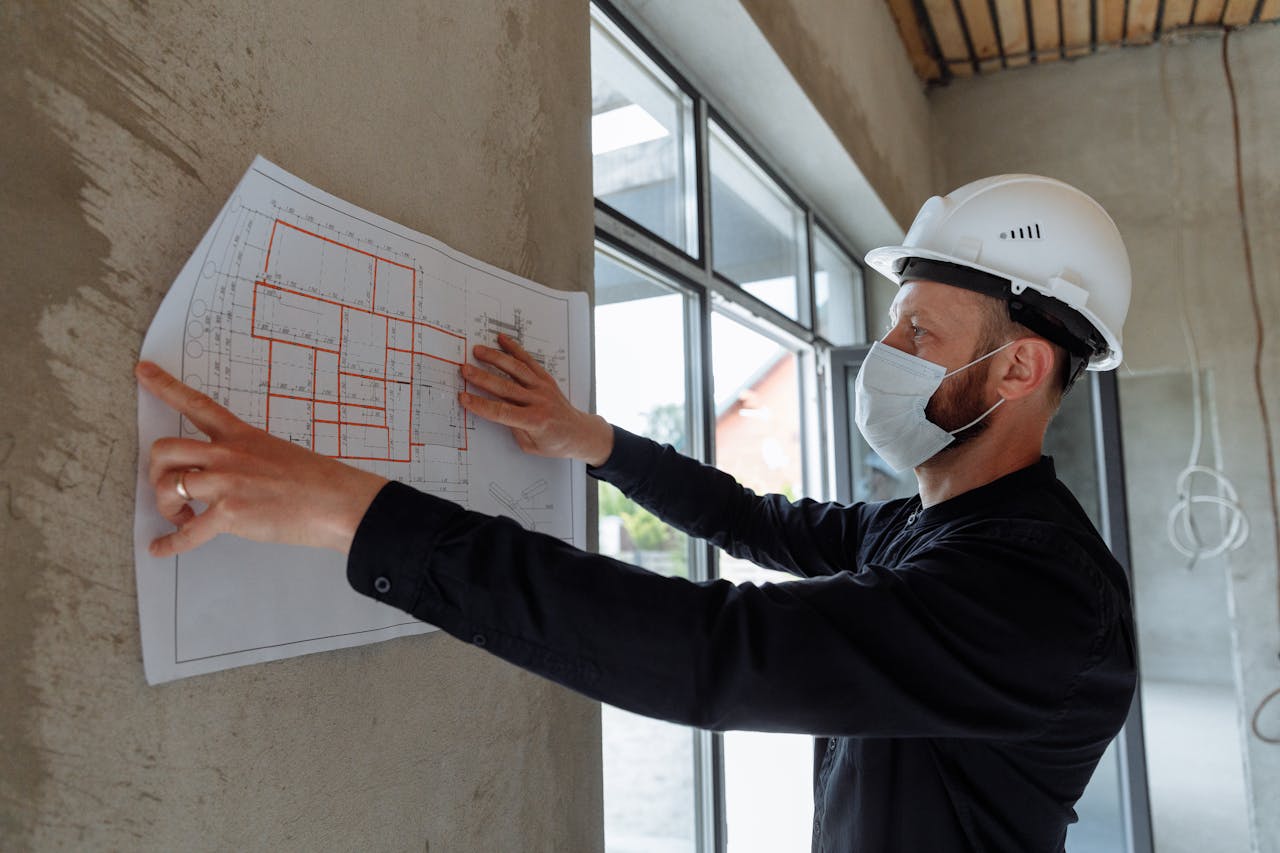
Energy Standards Influence Heating and Cooling Systems
Heating and cooling are major building energy uses.
Energy standards can affect:
- System type
- Equipment efficiency
- Heat-pump systems
- Mechanical configuration
- Duct conditions
- Other applicable system requirements
The equipment used in the energy analysis should correspond to the system actually proposed for construction.
Changing mechanical equipment after the calculations are completed can require the documentation to be reviewed or revised.
Energy Standards Help Address Duct Performance
A high-efficiency HVAC unit cannot deliver its intended performance effectively when other parts of the system are poorly coordinated.
Duct-related requirements can address issues involving:
- Duct location
- Duct insulation
- System configuration
- Applicable field-verification measures
This is an example of why energy standards consider the complete system rather than focusing only on equipment labels.
Energy Standards Support Better Ventilation
Energy efficiency should not be achieved by ignoring ventilation.
California’s current Energy Code includes ventilation requirements intended to support indoor air quality.
Depending on the project, ventilation considerations may involve:
- Whole-building ventilation
- Local exhaust
- Outdoor-air requirements
- Mechanical-system coordination
A building should not simply conserve energy by becoming poorly ventilated.
Energy and ventilation requirements need to work together.
Indoor Air Quality Is Part of the Bigger Picture
Building performance is not only about energy bills.
Ventilation and indoor environmental quality affect how occupants experience the building.
Modern energy standards increasingly account for the relationship between:
- Energy efficiency
- Mechanical systems
- Ventilation
- Indoor air quality
The California Energy Commission identifies improved indoor air quality as one of the benefits associated with current Energy Code requirements.

Energy Standards Influence Water Heating
Water heating represents another ongoing building energy use.
Energy compliance may consider:
- Equipment type
- Energy source
- Efficiency
- Heat-pump water heating
- Storage configuration
- Central or individual systems
The water-heating design shown in the energy documentation should correspond to the actual project specifications.
Energy Standards Matter for Commercial Lighting
Commercial buildings can use significant energy for lighting.
Energy requirements may address:
- Lighting power
- Fixture wattage
- Fixture quantities
- Interior lighting
- Exterior lighting
- Space use
Lighting design can therefore be part of the broader energy-compliance package.
A commercial lighting plan should not be changed substantially after the calculations are completed without determining whether the compliance documentation is affected.
Lighting Controls Help Avoid Unnecessary Energy Use
Controls allow lighting systems to respond to actual building use rather than operating continuously when light is unnecessary.
Depending on the project, requirements may involve:
- Occupancy controls
- Automatic shutoff
- Daylighting controls
- Other applicable control strategies
These measures demonstrate one of the central purposes of energy standards: reducing unnecessary consumption without eliminating the building function that occupants need.
Energy Standards Support Grid Reliability
Energy efficiency is not only a building-level issue.
When many buildings use electricity simultaneously, their combined demand affects the electrical grid.
California’s current Energy Code increasingly considers not only how much energy buildings use, but when certain loads occur.
Strategies involving:
- Efficient equipment
- Heat pumps
- Solar energy
- Battery storage
- Demand-flexible systems
can help buildings interact with the electrical system more efficiently.
Reducing unnecessary demand during high-use periods can support a more reliable grid.
Energy Standards Help Reduce Greenhouse-Gas Emissions
Energy use and greenhouse-gas emissions are connected.
Buildings that require less energy can reduce the amount of energy that must be produced to operate them.
California’s Energy Code also encourages building technologies intended to reduce carbon emissions associated with space conditioning, water heating, and other building loads.
For current statewide information, review the California Energy Commission Building Energy Efficiency Standards.
Energy Standards Encourage Better Building Technology
Building technology changes over time.
Equipment becomes more efficient.
Window products improve.
Heat-pump technology develops.
Controls become more sophisticated.
Solar, battery-storage, and demand-flexible technologies continue to evolve.
Updating energy standards allows building requirements to incorporate proven efficiency improvements instead of permanently relying on older construction practices.
California periodically updates its Building Energy Efficiency Standards to reflect changes in technology, economics, construction practices, and energy policy.
Why Do Energy Standards Change Over Time?
A building code written decades ago would not adequately reflect today’s equipment and construction technology.
Standards change because:
- Building products change
- Mechanical equipment changes
- Construction methods improve
- Energy costs change
- Grid conditions change
- New technologies become practical
- Building-performance research improves
California’s Energy Code is updated periodically so requirements continue to reflect current building practices and state energy goals.
For permit applications filed on or after January 1, 2026, the 2025 California Energy Code is the statewide code cycle currently in effect.
Energy Standards Provide Predictability for Designers and Builders
Standards give the project team a common reference point.
Architects, designers, contractors, engineers, consultants, equipment suppliers, and building departments can work from defined requirements instead of negotiating a new energy-performance baseline for every project.
This makes it easier to determine:
- What must be shown on the plans
- What specifications are needed
- What calculations must be prepared
- Which compliance forms apply
- Which measures require field verification
Clear standards can therefore improve communication among project participants.
Energy Standards Support the Permit Review Process
Building departments need a consistent basis for reviewing the energy-related features of a project.
Title 24 energy documentation translates project design decisions into:
- Calculations
- Compliance measures
- Forms
- Specifications
- Plan requirements
The building department can then review those documents alongside the architectural, mechanical, electrical, and other permit drawings.
For more information, review Title 24 energy compliance.
Energy Standards Help Identify Problems Before Construction
A Title 24 analysis performed during design can reveal conflicts before products are purchased and construction begins.
For example:
- Window performance may be incomplete
- Insulation values may not be identified
- HVAC equipment may not match the plans
- Water-heating information may be undecided
- Commercial lighting schedules may be incomplete
Identifying those issues before permit submission can reduce preventable plan-check corrections.
It can also help keep the final construction documents aligned with the energy requirements.
Why Are Energy Standards Important for Homeowners?
For homeowners, energy standards can influence the performance of features they will live with for years.
That includes:
- Windows
- Insulation
- Heating and cooling
- Ventilation
- Water heating
- Other building systems
The standards help establish performance requirements before construction is complete.
A homeowner does not need to understand every calculation, but should understand that product substitutions or design changes can affect the approved energy documentation.
Why Are Energy Standards Important for Contractors?
Contractors need to know what the approved energy documentation requires before ordering or installing products.
Important items may include:
- Insulation assemblies
- Window performance
- Roof requirements
- HVAC equipment
- Duct conditions
- Ventilation
- Water heating
- Lighting
- Controls
- Verification measures
Changing an energy-related feature in the field without reviewing the consequences can create conflicts with the approved plans.
Why Are Energy Standards Important for Architects and Designers?
For architects and designers, energy standards affect design decisions early in the project.
Those decisions can involve:
- Building orientation
- Glazing area
- Window specifications
- Wall assemblies
- Roof construction
- Mechanical systems
- Other energy-related features
Considering energy requirements early can reduce the need to redesign important building elements immediately before permit submission.
Why Are Energy Standards Important for Commercial Property Owners?
Commercial buildings often contain several energy-intensive systems.
Energy standards can influence:
- Building-envelope performance
- Mechanical systems
- Ventilation
- Service water heating
- Interior lighting
- Exterior lighting
- Lighting controls
A commercial tenant improvement may therefore require coordination among architects, mechanical engineers, electrical designers, lighting professionals, contractors, property managers, and tenants.
For related assistance, review Title 24 compliance services and Title 24 energy analysis.
Why Are Energy Standards Important for ADUs?
ADUs create new or converted living space that must operate efficiently as a residential environment.
The applicable energy analysis may involve:
- Conditioned floor area
- Walls
- Roof assemblies
- Windows
- Insulation
- HVAC
- Ventilation
- Water heating
Detached ADUs, attached ADUs, and garage conversions can have different existing conditions and project requirements.
Visit the ADU Title 24 page for additional information.
Why Energy Standards Matter for Additions and Remodels
Energy standards are not limited to brand-new buildings.
Additions and alterations can change:
- Conditioned floor area
- Exterior walls
- Windows
- Roof assemblies
- Insulation
- HVAC equipment
- Ductwork
- Ventilation
- Water heating
- Lighting
When an existing building is modified, the new work may need to comply with applicable energy requirements.
Energy Standards and Field Verification Work Together
Some energy measures cannot be confirmed from plans alone.
Applicable projects may require field verification or diagnostic testing related to:
- Duct systems
- Airflow
- Mechanical equipment
- Other performance-sensitive measures
This helps connect the energy requirements shown on paper with the way systems are actually installed.
The Title 24 report can identify applicable measures, but it does not replace required field testing or inspection.
For additional context, review Title 24 vs. CALGreen.

What Happens When Energy Standards Are Ignored During Design?
Waiting until the end of the design process to consider energy requirements can create avoidable problems.
Potential issues include:
- Window selections that do not match the analysis
- Incomplete insulation details
- Mechanical equipment conflicts
- Missing ventilation information
- Water-heating discrepancies
- Commercial lighting corrections
- Missing compliance forms
- Building-department corrections
- Revisions shortly before permit submission
Early coordination gives the design team more options for addressing these problems.
Energy Standards Do Not Eliminate Design Flexibility
Energy requirements do not mean every building must look the same.
California provides different compliance approaches that can preserve design flexibility.
Depending on the project, compliance may involve:
- Prescriptive requirements
- Performance-based calculations
Performance-based compliance can allow different building characteristics to be evaluated together.
This means energy efficiency can be incorporated into the design rather than simply imposed as one rigid product list.
For more information about the technical analysis, review Title 24 energy calculations.
Energy Standards Are More Than a Permit Requirement
It is easy to think about energy standards only when a building department asks for compliance documentation.
Their broader purpose is to influence how buildings perform after the permit is issued.
Energy standards connect:
- Design
- Construction
- Equipment selection
- Energy use
- Operating costs
- Comfort
- Indoor air quality
- Grid demand
- Environmental performance
The permit process is the mechanism used to document compliance, but the effect of the standards continues throughout the life of the building.
Why Choose Alternative Energy Systems?
Alternative Energy Systems provides professional Title 24 energy calculations, compliance documentation, report revisions, and plan-check support throughout California.
AES brings more than 30 years of California energy-compliance experience to:
- New residential construction
- New commercial construction
- ADUs and garage conversions
- Additions and remodels
- Multifamily projects
- Commercial tenant improvements
- HVAC projects
- Commercial lighting projects
- Plan-check corrections
- Revisions to existing reports and calculations
AES reviews the actual project plans and specifications, prepares the applicable energy analysis, and helps coordinate the resulting compliance measures with the design.
Learn more through the About Us page or review company background on the clients page.
Get Help With California Energy Compliance
Call (626) 365-1518 | Alternative Energy Systems
Understanding Why Are Energy Standards Important means looking beyond the permit form.
Energy standards establish measurable requirements intended to reduce unnecessary energy consumption, improve building performance, support comfortable and properly ventilated spaces, reduce operating costs, support grid reliability, and reduce environmental impacts.
They also give designers, contractors, consultants, building departments, and property owners a common framework for evaluating energy-related building decisions.
Alternative Energy Systems can help you:
- Review your project scope
- Identify applicable energy information
- Prepare Title 24 energy calculations
- Prepare applicable compliance forms
- Coordinate energy requirements with the plans
- Review design changes
- Address energy-related plan-check corrections
Call (626) 365-1518 or begin through the contact page.
When service and payment have already been arranged, payment can be completed through the AES payment page.
Frequently Asked Questions: Why Are Energy Standards Important?
Why Are Energy Standards Important?
Energy standards establish measurable requirements intended to reduce unnecessary energy use while improving the efficiency and coordination of building envelopes, mechanical systems, water heating, lighting, ventilation, and other regulated building features.
Do energy standards help reduce energy bills?
Energy standards are designed to reduce unnecessary building energy consumption, which can lower long-term operating costs compared with less efficient construction.
Do energy standards improve comfort?
Better-performing envelopes and properly coordinated mechanical systems can support more consistent indoor conditions and improved building performance.
Do energy standards affect indoor air quality?
Yes. California’s current Energy Code includes ventilation requirements, and the California Energy Commission identifies improved indoor air quality as an important benefit.
Why do energy standards regulate insulation?
Insulation affects heat transfer through walls, roofs, ceilings, floors, and other parts of the building envelope.
Why do energy standards regulate windows?
Windows influence heat transfer and solar heat gain, making window area and performance relevant to overall building energy use.
Why do energy standards regulate HVAC equipment?
Heating and cooling are major building energy uses. Equipment type, efficiency, ducts, and system configuration can affect energy performance.
Why are ducts included in energy standards?
Duct location, insulation, installation, and applicable verification can affect how efficiently conditioned air is delivered through a building.
Why is ventilation part of energy compliance?
Energy efficiency must be coordinated with appropriate ventilation and indoor air-quality requirements.
Why does water heating matter?
Water heating represents a significant recurring energy use in many residential and commercial buildings.
Why is commercial lighting regulated?
Lighting can represent a substantial commercial energy load, so applicable requirements address lighting power and controls.
Why do lighting controls matter?
Controls can reduce unnecessary lighting use when spaces are unoccupied or sufficient daylight is available.
Do energy standards support the electrical grid?
Yes. Efficient buildings and demand-responsive technologies can help reduce unnecessary demand and support grid reliability.
Do energy standards reduce greenhouse-gas emissions?
Reducing building energy use and encouraging efficient technologies can reduce greenhouse-gas emissions associated with building operation.
Why are energy standards updated?
Building technology, equipment efficiency, construction methods, energy systems, and policy goals change over time, so standards are updated periodically.
What California Energy Code is currently in effect?
For applicable permit applications filed on or after January 1, 2026, California uses the 2025 Building Energy Efficiency Standards.
Do energy standards apply only to new buildings?
No. Applicable additions and alterations to existing buildings can also be subject to Energy Code requirements.
Do all projects use the same energy requirements?
No. Requirements depend on building type, construction scope, climate, systems involved, and the applicable compliance method.
Are energy standards the same as CALGreen?
No. California’s Energy Code and CALGreen are related parts of the broader building-standard system but address different requirements. Review the Title 24 vs. CALGreen page for additional context.
Do energy standards guarantee permit approval?
No. Energy compliance is one portion of the complete permit process. The building department reviews the entire project.
How does a Title 24 report relate to energy standards?
A Title 24 report can document how the energy-related features of a proposed project address the applicable California Energy Code requirements.
Who prepares Title 24 calculations?
An energy-compliance professional reviews the project information, performs the applicable analysis, and prepares the required documentation within the project scope.
How can I get help with my project?
Call Alternative Energy Systems at (626) 365-1518 and provide the current plans and project information for review.