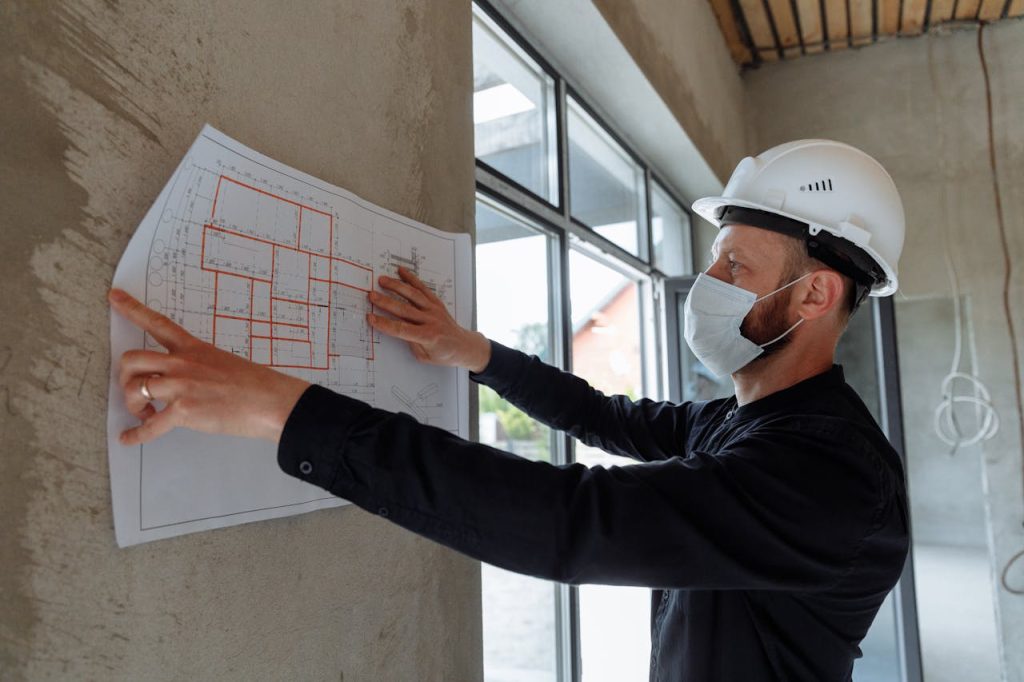
Title 24 Compliance Rejected by City

Title 24 compliance rejected by city

Title 24 Compliance Rejected by City — Why It Happens and How to Fix It Without Losing Time

Getting a notice that Title 24 compliance rejected by city can be frustrating because it often feels vague, urgent, and expensive all at once. The permit reviewer may reject the energy documents, hold the application in “incomplete” status, or issue correction comments that block approval until the compliance package is revised. In most cases, the rejection is not about the idea of compliance—it’s about the details: the documents do not clearly match the plan set, the compliance pathway is incorrect, or key information is missing.

In California, Title 24 compliance is part of the building code, which means local jurisdictions must verify energy documentation before issuing many permits. Cities also have their own internal plan-check procedures and formatting expectations. When the energy report is unclear or inconsistent, a city may reject the submission even if the building would ultimately comply once the documents are corrected.

The good news: most Title 24 compliance rejected by city situations are fixable with a structured review, targeted revisions, and a resubmittal package that is clean, consistent, and easy for the reviewer to verify. If your city has rejected your Title 24 documentation, call (626) 365-1518 for fast, permit-focused compliance support.

What “Title 24 Compliance Rejected by City” Usually Means

A rejection notice generally falls into one of three categories:

  • Inconsistency: The compliance forms conflict with the architectural, mechanical, or electrical drawings.
  • Incorrect pathway: The project was modeled under the wrong residential or nonresidential compliance method.
  • Missing/unclear documentation: The city cannot verify required forms, signatures, or supporting outputs.

When a reviewer marks Title 24 compliance rejected by city, they are essentially saying: “We can’t approve this permit with these energy documents as submitted.” The fastest way forward is to identify the exact reason, correct it once, and resubmit in a way that prevents additional rounds of corrections.

Top Reasons Cities Reject Title 24 Compliance Packages

While every jurisdiction has its own review habits, most rejections come from a predictable set of issues:

  • Window U-factor/SHGC on plans does not match the modeled inputs
  • Insulation R-values are inconsistent across details, notes, and schedules
  • HVAC equipment efficiency ratings differ between schedules and forms
  • Project scope changed (addition/remodel/TI) but the report was not updated
  • Lighting power density or controls documentation is incomplete (commercial/TI)
  • Incorrect occupancy classification (mixed-use, common areas, or use type)
  • Missing certificates, signatures, or required attachments/output files

In many cases, the city is not saying the design fails energy code—only that the submitted documentation is not reviewable or is internally inconsistent.

Title 24 compliance rejected by city plan check

Rejected vs. “Corrections Required” — What’s the Difference?

A city may use different language, but the practical difference is usually the status of your permit file:

Corrections Required:
The permit stays in plan-check review, and you are asked to revise specific items. You typically receive a correction list and resubmit revised documents.

Rejected / Incomplete:
The city may stop review, move the permit to an “incomplete” queue, or refuse to accept the energy documents until a corrected compliance package is provided. This can happen when key items are missing, the wrong pathway was used, or the documents are too inconsistent to evaluate.

Either way, the solution is the same: produce a clean, consistent, permit-ready compliance package that matches the plan set and addresses each comment directly.

How to Fix Title 24 Compliance Rejected by City

When Title 24 compliance rejected by city, the fastest path is a structured triage:

  • Review the rejection comments line by line (and request clarification if the city’s notes are vague)
  • Confirm the most current plan set and identify plan version/date
  • Cross-check key regulated items: windows, insulation, HVAC, ventilation, and (for commercial) lighting
  • Verify the correct compliance pathway for the project type and occupancy
  • Update the energy model and regenerate certificates and outputs as needed
  • Prepare a resubmittal package that clearly addresses each city comment

A successful resubmittal is not just a “new report.” It is a coordinated package where the reviewer can quickly see that the energy forms match the drawings and the project scope.

Title 24 compliance rejected by city fix

Residential Rejections: What Cities Commonly Flag

For residential projects, Title 24 compliance rejected by city often comes down to mismatches and missing clarity:

  • CF-1R values not matching the window schedule or elevation glazing sizes
  • Insulation notes missing for specific assemblies (e.g., vaulted ceilings, raised floors)
  • HVAC type or efficiency not consistent with the mechanical schedule
  • Ventilation strategy not clearly identified or not matching mechanical notes
  • Project scope misclassified (addition vs. remodel vs. new construction)

The fix is usually targeted: update modeling inputs, align plan notes, and regenerate forms so everything reads consistently.

Commercial/TI Rejections: What Cities Commonly Flag

Commercial building departments frequently reject compliance packages when lighting and controls are not fully documented. Common triggers include:

  • Lighting power density calculations missing or incorrect
  • Control sequences not shown or not code-compliant
  • Daylighting zones not identified where required
  • Mechanical equipment schedules missing efficiency data
  • Space use types not clearly identified (which affects allowances)

Because commercial projects involve multiple consultants, energy compliance must be coordinated across architectural, electrical, and mechanical sheets to avoid city rejection.

How to Prevent Another Rejection on Resubmittal

Once Title 24 compliance rejected by city, the biggest risk is resubmitting another package that creates new questions. The best prevention strategy is a “single-source of truth” resubmittal:

  • Use the latest plan set only (confirm revision date on every sheet)
  • Verify all schedules (windows, HVAC, lighting) match compliance inputs
  • Ensure plan notes do not conflict (insulation and ventilation notes are common culprits)
  • Provide complete required certificates and supporting outputs
  • Address each city comment directly in a clean revision set

This approach reduces “back-and-forth” cycles and helps the reviewer approve the correction more quickly.

Title 24 compliance rejected by city resubmittal

How to Get Help When Title 24 Compliance Is Rejected by City

If your project was marked Title 24 compliance rejected by city, gather these items to speed up the fix:

  • The city’s rejection notes or correction list
  • The latest architectural, mechanical, and electrical plan sheets
  • The submitted Title 24 compliance forms and modeling outputs
  • Any recent product substitutions (windows, HVAC, lighting)

With that information, we can identify the mismatch, correct the model and documents, and prepare a resubmittal package that is clear and reviewer-friendly.

Call (626) 365-1518, upload your documents through our contact page, or email info@title24energy.com with “City Rejected Title 24” in the subject line.

We’re Ready To Take Your Call

If Title 24 compliance rejected by city has paused your permit process, you don’t have to navigate it alone. With targeted review, accurate revisions, and coordinated documentation that matches the plan set, most rejections can be corrected without turning into a long delay.

Call (626) 365-1518 today to get your energy compliance package corrected and resubmitted—so your permit can move forward.


Frequently Asked Questions About Title 24 Compliance Rejected by City

1. What does it mean when Title 24 compliance is rejected by a city?

It means the building department cannot approve the permit with the submitted energy documentation as-is due to missing items, inconsistencies, or an incorrect compliance pathway.

2. Is a rejection the same as a failed Title 24 inspection?

No. A rejection usually happens during plan check; a failed inspection happens after installation in the field.

3. Can a project still be compliant even if the city rejects the report?

Yes. Many rejections are documentation alignment issues rather than true performance failures.

4. What is the most common reason a city rejects Title 24 documents?

Mismatch between the energy forms and the plan set (windows, insulation, HVAC, or lighting).

5. Can I resubmit the same report with minor edits?

Only if the city’s comments are truly minor; often a regenerated set of forms and outputs is required.

6. Do plan revisions trigger city rejection?

Yes. If the plans change and the report is not updated, the city may reject the compliance package.

7. Can window substitutions cause rejection?

Yes. If U-factor/SHGC values differ from what was modeled or listed on forms, the city may reject the report.

8. Can HVAC substitutions cause rejection?

Yes. Efficiency ratings and system type must match the compliance documentation.

9. Are lighting controls a common reason for commercial rejections?

Yes. Missing controls, daylighting zones, or LPD calculations frequently trigger rejection in TI and commercial permits.

10. Does the city require specific forms?

Most jurisdictions require specific compliance certificates and supporting outputs depending on project type.

11. Can the wrong compliance pathway cause rejection?

Yes. Using the wrong residential/nonresidential method or misclassifying the project scope can trigger rejection.

12. How do I know which plan set version should be used?

Use the latest permitted plan revision date and ensure all sheets are consistent with that version.

13. Will the city provide a correction list if the report is rejected?

Usually yes, though the detail level varies by jurisdiction and reviewer.

14. Can I talk to the plan checker to clarify the rejection?

In many cases, yes. Clarifying questions can prevent unnecessary resubmittals.

15. Do I need a new model to fix a rejected compliance package?

Sometimes. If inputs or pathway are wrong, the model must be updated and documents regenerated.

16. Does a rejection add time to the permit review queue?

It can, especially if the file is moved to an “incomplete” status until corrected documents are submitted.

17. How can I prevent a second rejection?

Ensure forms, schedules, and plan notes match exactly, and address every comment directly with a clean resubmittal package.

18. Is Title 24 enforcement different by city?

The energy code is statewide, but review procedures and formatting expectations can vary by jurisdiction.

19. What documents should I gather before requesting help?

City comments, plan set, submitted forms, and any product substitution details (windows, HVAC, lighting).

20. How do I get help fixing Title 24 compliance rejected by city?

Call (626) 365-1518 or upload your documents through the contact page for fast corrective support.

Title 24 Report for Restaurant Build-Outs

Title 24 report for restaurant build-outs

Title 24 Report for Restaurant Build-Outs — Energy Compliance for Commercial Kitchen & Dining Permits

A Title 24 report for restaurant build-outs is a required component of many commercial permit applications in California when a new restaurant, café, quick-service space, or food hall tenant improvement is underway. Restaurant projects are uniquely complex from an energy compliance standpoint because they combine multiple regulated systems: commercial lighting, HVAC, kitchen ventilation, refrigeration loads, and often outdoor dining or conditioned patio areas.

Unlike standard office tenant improvements, restaurant build-outs involve high internal heat gains, specialized exhaust systems, makeup air units, and tightly coordinated lighting layouts. That complexity makes early energy compliance modeling essential. When documentation is prepared accurately and aligned with mechanical, electrical, and architectural drawings, the plan-check process tends to move more smoothly and inspections are less likely to be delayed by documentation conflicts.

Our team prepares Title 24 report for restaurant build-outs with detailed coordination between kitchen design, HVAC strategy, lighting controls, and envelope requirements. If you’re planning a new restaurant tenant improvement or converting a space into a food service operation, call (626) 365-1518 to begin your compliance process.

Why Restaurant Build-Outs Have Unique Title 24 Requirements

Restaurants typically fall under the nonresidential energy compliance pathway. However, they differ from retail or office spaces because of the intensity of lighting, ventilation, and mechanical equipment.

A Title 24 report for restaurant build-outs may evaluate:

  • Lighting power density in dining areas, kitchens, storage, and restrooms
  • Automatic lighting controls and occupancy sensors
  • Daylighting controls near storefront glazing
  • HVAC equipment efficiency and system type
  • Kitchen exhaust and makeup air systems
  • Envelope performance for exterior walls and glazing
  • Conditioned outdoor dining areas (if applicable)

Because restaurants often operate extended hours, energy modeling must reflect accurate schedules and equipment assumptions. Clear documentation helps building departments verify that the project meets statewide energy standards before approving the permit.

Title 24 report for restaurant build-outs California

Common Restaurant Build-Out Scenarios

A Title 24 report for restaurant build-outs is typically required for:

  • New restaurant tenant improvements in shopping centers
  • Conversion of retail space into a food service establishment
  • Expansion of existing dining areas
  • Remodels involving lighting or HVAC upgrades
  • Installation of new rooftop units (RTUs)
  • Adding commercial kitchen exhaust and makeup air systems

Even relatively small food-service remodels can trigger updated energy documentation if regulated lighting or mechanical systems are modified.

How a Title 24 Report for Restaurant Build-Outs Is Prepared

The compliance process begins with a thorough review of architectural, mechanical, and electrical drawings. Particular attention is given to:

  • Lighting fixture schedules and control diagrams
  • Mechanical schedules for rooftop units and exhaust fans
  • Kitchen equipment layouts
  • Occupancy classifications and operating hours
  • Exterior envelope modifications

Using approved nonresidential compliance software such as CBECC-Com or EnergyPro, the building geometry and regulated systems are modeled. The proposed design is compared against a baseline standard building to confirm compliance.

If the design does not initially meet energy performance targets, adjustments may include:

  • Upgrading lighting fixtures to higher-efficiency LED options
  • Adjusting lighting control strategies
  • Confirming HVAC efficiency ratings
  • Refining envelope insulation or glazing performance

Once compliance is achieved, the required certificates of compliance and supporting forms are generated for permit submission. Internal quality checks ensure that the energy documentation matches the plan set exactly.

Restaurant Title 24 compliance service

Lighting and Ventilation: Two Key Compliance Drivers

For restaurant projects, lighting and ventilation are often the most scrutinized components of a Title 24 report for restaurant build-outs.

Dining areas require automatic lighting controls, occupancy sensors in certain spaces, and sometimes daylight-responsive controls near storefront glazing. Kitchens require careful coordination between exhaust systems and conditioned air supply.

Failing to document these systems clearly can result in plan-check corrections or inspection delays. Early coordination between designers and energy consultants reduces that risk.

How Compliance Impacts Inspections and Final Approval

After plan-check approval, inspectors verify that installed systems match the approved documentation. If lighting fixtures are substituted or mechanical equipment efficiencies change during construction, compliance documents may need revision.

Accurate Title 24 report for restaurant build-outs documentation helps prevent:

  • Inspection failures due to missing controls
  • Mismatched mechanical efficiency ratings
  • Lighting power density violations
  • Delays in final occupancy approval

Because restaurant openings are often tied to lease deadlines or investor schedules, preventing compliance-related delays is critical.

Cost Considerations for Restaurant Energy Compliance

Costs vary based on project size, number of lighting fixtures, complexity of kitchen ventilation systems, and whether the project is a simple remodel or full tenant build-out.

Pricing factors may include:

  • Total square footage
  • Lighting fixture count and control zoning
  • Number of mechanical systems
  • Extent of envelope modifications
  • Number of revisions before permit approval

Clear communication of scope and deliverables ensures predictable turnaround and cost management.

Title 24 report for restaurant build-outs permit ready

How to Get Started with a Title 24 Report for Restaurant Build-Outs

To begin your Title 24 report for restaurant build-outs, submit your architectural, electrical, and mechanical drawings for review. Early modeling can prevent plan-check corrections and support a smoother permit timeline.

Call (626) 365-1518, upload plans through our contact page, or email info@title24energy.com with “Restaurant Title 24” in the subject line.

We’re Ready To Take Your Call

A properly prepared Title 24 report for restaurant build-outs supports your project from design through final inspection. With accurate lighting documentation, coordinated mechanical modeling, and permit-ready forms, energy compliance becomes an organized and predictable part of your restaurant launch.

Call (626) 365-1518 today to get started.


Frequently Asked Questions About Title 24 Report for Restaurant Build-Outs

1. Do restaurant build-outs require Title 24 compliance in California?

Yes. Most new restaurant tenant improvements require nonresidential energy compliance documentation.

2. Are lighting controls required in dining areas?

Yes. Automatic shut-off and occupancy controls are typically required.

3. Does kitchen exhaust affect compliance?

Yes. Exhaust and makeup air systems must be documented accurately.

4. What software is used for restaurant compliance?

Approved nonresidential compliance software such as CBECC-Com or EnergyPro is used.

5. Does adding a new rooftop unit require updated documentation?

Yes. New mechanical systems must be included in the compliance model.

6. Are outdoor dining areas regulated?

If conditioned or enclosed, they may require modeling.

7. How long does it take to prepare a Title 24 report?

Turnaround depends on complexity, but many restaurant TI projects can be completed within a few business days.

8. What causes common plan-check corrections?

Incomplete lighting schedules, missing control details, and mechanical mismatches.

9. Can compliance documents be revised after submittal?

Yes, if equipment or lighting changes occur.

10. Does every restaurant remodel require compliance?

If regulated lighting or HVAC systems are modified, documentation is usually required.

11. Are refrigeration systems included in Title 24 modeling?

Some process loads may be treated separately depending on scope.

12. Do restaurants have higher lighting power limits?

Lighting power density limits vary by space type and must meet code requirements.

13. Are occupancy sensors required in restrooms?

Yes, automatic controls are typically required in certain spaces.

14. Does replacing lighting fixtures trigger compliance updates?

Yes, especially if the fixture count or type changes significantly.

15. Is HERS verification required for restaurant projects?

Typically no, but certain mechanical systems may require verification depending on scope.

16. Does the size of the restaurant affect compliance?

Yes. Larger spaces generally involve more detailed modeling.

17. Can contractors prepare their own compliance documentation?

Title 24 compliance is typically prepared by qualified energy consultants.

18. What documents are submitted to the city?

Certificates of compliance and supporting documentation generated by approved software.

19. Does compliance impact final inspection?

Yes. Inspectors verify installed systems against approved documentation.

20. How do I get started?

Call (626) 365-1518 or upload plans through the contact page.

Title 24 Report for Duplex and Triplex

Title 24 report for duplex and triplex

Title 24 Report for Duplex and Triplex — Permit-Ready Energy Compliance for Small Multi-Unit Builds

A Title 24 report for duplex and triplex projects is a key permit requirement for many two- and three-unit residential developments in California. Duplexes and triplexes sit in a unique space: they share some of the complexity of larger multi-family buildings, but they’re often designed and built with the speed and budget sensitivity of a single-family project. That combination makes energy compliance especially important—because small coordination mistakes can delay plan check, disrupt contractor schedules, and trigger avoidable resubmittals.

For duplex and triplex builds, the energy documentation needs to match the plan set with “detail-level accuracy.” Window performance values, insulation assemblies, HVAC system types, duct assumptions, ventilation approach, and water heating configuration must align across architectural sheets and mechanical notes. If the building department sees mismatched forms or missing specs, the permit package can get kicked back even when the design itself would meet code.

Our team prepares Title 24 report for duplex and triplex projects with an emphasis on clarity and coordination—so your compliance package is permit-ready, reviewer-friendly, and practical to build in the field. If you’re building a duplex, triplex, or small multi-unit development anywhere in California, call (626) 365-1518 to start your energy compliance process.

Why Duplex and Triplex Projects Have Title 24 Requirements

California’s energy standards apply to new residential construction and many major alterations. A duplex or triplex typically includes multiple dwelling units, which can increase the number of energy-regulated systems and the level of documentation required. Even when the design is straightforward, compliance must be verified and documented correctly before permits are issued.

A Title 24 report for duplex and triplex commonly evaluates:

  • Wall, roof, and floor insulation assemblies for each dwelling unit
  • Window and exterior door performance values (U-factor and SHGC)
  • HVAC system type, efficiency ratings, and distribution assumptions
  • Duct location, duct sealing, and leakage assumptions
  • Ventilation compliance for indoor air quality
  • Water heating system type (individual vs. shared systems) and distribution

Because duplexes and triplexes often share walls and may share equipment spaces, documenting the configuration clearly is essential for plan check approval and later inspections.

Title 24 report for duplex and triplex California

Common Duplex and Triplex Project Types

A Title 24 report for duplex and triplex is commonly needed for:

  • Ground-up duplex new construction
  • Ground-up triplex new construction
  • Single-family conversions into duplex or triplex configurations (scope dependent)
  • Lot splits or infill housing projects with multiple units
  • Small-scale rental property developments
  • Duplex/triplex additions that expand conditioned space significantly

Even when the architecture is similar to a single-family home, the multi-unit configuration can affect HVAC zoning, water heating choices, and ventilation requirements—so energy modeling must reflect the real design.

How a Title 24 Report for Duplex and Triplex Is Prepared

The process begins with reviewing permit-intent architectural and mechanical plans. We confirm the unit layout, conditioned floor areas, shared walls, and any shared mechanical or water heating components. Next, we identify the compliance pathway and model the project using state-approved software such as EnergyPro or CBECC-Res.

Key inputs typically include:

  • Envelope assemblies (insulation values, roof types, slab or raised floor details)
  • Window schedules and performance ratings
  • HVAC equipment selections and efficiency ratings
  • Ventilation strategy (bath fans, kitchen ventilation, whole-house ventilation where required)
  • Water heating type, location, and distribution assumptions

If the initial model indicates a compliance shortfall, recommendations focus on practical changes that keep the project buildable—such as confirming window performance values, adjusting insulation levels, or verifying HVAC efficiencies and control assumptions.

Once compliance is achieved, we generate the permit-ready documentation package and perform internal consistency checks to ensure the energy forms match the submitted plan set.

Title 24 report for duplex and triplex service

How Proper Compliance Supports Inspections and Final Approval

For duplex and triplex projects, compliance doesn’t end at plan check. Inspections verify that what gets installed matches what was documented. Depending on the project, HERS verification may be required for HVAC installation, duct leakage, or other regulated measures.

Accurate Title 24 report for duplex and triplex documentation helps:

  • Reduce failed inspections due to mismatched equipment or window ratings
  • Prevent delays caused by missing ventilation or control requirements
  • Support smoother HERS testing and verification scheduling
  • Keep final sign-off aligned with the approved permit set

Clear documentation also helps contractors and installers avoid guesswork—especially when multiple units must be built consistently.

How Much Does a Title 24 Report for Duplex and Triplex Cost?

Pricing depends on total square footage, number of units, design complexity, and how complete the plans are at the time of modeling. A straightforward duplex with standard systems may be predictable, while a custom triplex with unique glazing, multiple HVAC zones, or shared water heating systems may require additional coordination.

Pricing factors often include:

  • Total conditioned square footage across all units
  • Number of HVAC systems and zoning complexity
  • Window count and performance specification clarity
  • Water heating configuration (individual vs. centralized)
  • Number of plan revisions prior to permit approval

If HERS verification is required, it is typically scheduled during construction and billed separately.

Best Practices to Keep Duplex and Triplex Permits Moving

To reduce plan-check delays and avoid resubmittals:

  • Finalize window performance values (U-factor/SHGC) before modeling whenever possible.
  • Keep insulation callouts clear and consistent across sheets.
  • Confirm HVAC efficiency ratings and system types early.
  • Identify shared mechanical rooms or shared water heating systems clearly on plans.
  • Update energy documentation immediately when the plan set changes.

Most compliance delays are caused by missing details or mismatched documentation—not by the design itself.

Title 24 report for duplex and triplex

How to Get Started with a Title 24 Report for Duplex and Triplex

Getting started is simple. Submit your permit-intent plans to a trusted Title 24 consultant and request a Title 24 report for duplex and triplex. Early modeling and coordination can prevent plan-check corrections and help your permit package move smoothly through review.

Call (626) 365-1518, upload plans through our contact page, or email info@title24energy.com with “Duplex/Triplex Title 24” in the subject line.

We’re Ready To Take Your Call

A properly prepared Title 24 report for duplex and triplex helps your small multi-unit project stay on schedule—from plan check to inspections to final approval. With coordinated modeling and documentation that matches your drawings, energy compliance becomes predictable instead of stressful.

Call (626) 365-1518 today to begin. Your duplex/triplex-ready Title 24 compliance documentation can be prepared accurately and efficiently—so your project can move forward with confidence.


Frequently Asked Questions About Title 24 Report for Duplex and Triplex

1. Is a Title 24 report required for a duplex in California?

Yes. Most new duplex construction and many major permitted alterations require Title 24 energy compliance documentation.

2. Is a Title 24 report required for a triplex in California?

Yes. Triplex projects typically require compliance documentation for permit approval.

3. Is a duplex considered multi-family for Title 24 purposes?

In many cases, yes. It includes multiple dwelling units and is treated differently than a single-family home in planning and documentation.

4. Do duplex and triplex projects use residential compliance pathways?

Most do, but common areas or shared spaces can introduce additional documentation requirements depending on design.

5. What information is needed to prepare a Title 24 report?

Permit-intent plans, window schedules, insulation callouts, HVAC details, ventilation strategy, and water heating specs.

6. Do shared walls between units affect energy modeling?

Yes. Party walls and shared assemblies must be modeled and documented correctly.

7. Can each unit have its own HVAC system?

Yes. Many duplexes and triplexes have separate HVAC systems, and the model must reflect the actual design.

8. What if the project uses a shared mechanical room?

Shared mechanical spaces can be compliant, but they must be documented clearly so reviewers understand system configuration.

9. Do duplex/triplex projects require HERS verification?

Many do, especially when HVAC systems, ductwork, or specific performance measures trigger third-party verification.

10. How long does it take to complete a Title 24 report for a duplex or triplex?

Turnaround depends on plan completeness and complexity, but many projects can be completed within a few business days.

11. What causes the most plan-check corrections on duplex/triplex reports?

Mismatched window values, unclear insulation callouts, inconsistent HVAC schedules, and outdated plan versions are common issues.

12. Can the Title 24 report be revised if plans change?

Yes. If regulated features change, the report should be updated to match the revised permit drawings.

13. Do window performance values need to match exactly?

Yes. The U-factor and SHGC used in the model should match the specified window products for permit approval.

14. Does building orientation matter for duplex/triplex compliance?

It can. Glazing distribution and orientation affect solar heat gain and overall performance modeling results.

15. Are solar panels required on duplex and triplex new construction?

Many new residential projects in California require PV systems depending on the code cycle and project specifics.

16. Do water heaters need to meet specific efficiency standards?

Yes. Water heating equipment must meet applicable efficiency requirements and be documented correctly.

17. Does ventilation design affect compliance?

Yes. Ventilation assumptions and equipment must meet code requirements and match the plans.

18. Can a contractor prepare a Title 24 report?

Title 24 reports are typically prepared by qualified energy consultants using state-approved software.

19. Does Title 24 compliance affect inspections?

Yes. Inspectors and/or HERS raters verify that installations match the approved compliance documentation.

20. How do I get started with a Title 24 report for duplex and triplex?

Call (626) 365-1518 or upload your plans through the contact page to begin your compliance process.

Title 24 Report for Mixed-Use Projects

Title 24 report for mixed-use projects

Title 24 Report for Mixed-Use Projects — Coordinated Energy Compliance for Residential and Commercial in One Building

A Title 24 report for mixed-use projects requires a coordinated compliance strategy because these developments combine residential and commercial occupancies within a single structure. Ground-floor retail with residential units above, live/work developments, podium-style apartment buildings with commercial frontage, and vertical mixed-use towers all fall into this category. Each occupancy type follows different energy standards, documentation pathways, and review expectations. When these pathways are not coordinated correctly, plan-check corrections can multiply quickly.

Mixed-use buildings are not simply “two reports glued together.” They require structured documentation that clearly separates residential compliance (low-rise or high-rise, depending on the project) from nonresidential compliance (lighting power density, mandatory controls, mechanical standards, etc.). A professionally prepared Title 24 report for mixed-use projects ensures that both compliance tracks are accurate, internally consistent, and ready for permit submission.

The goal is clarity. Reviewers must be able to identify which portions of the building follow which compliance pathway. Contractors must be able to build according to documentation that matches the plan set. Developers must move from permit approval to inspections without costly delays. If you are planning or submitting a mixed-use development in California, call (626) 365-1518 to begin your compliance process.

Why Mixed-Use Projects Require Specialized Title 24 Coordination

Mixed-use buildings combine distinct energy code requirements within a single project. For example, residential dwelling units may be modeled under residential standards using one approved tool, while retail or office areas follow nonresidential standards using another pathway.

A Title 24 report for mixed-use projects must account for:

  • Separate residential and nonresidential compliance pathways
  • Lighting power density calculations for commercial spaces
  • Mandatory lighting and control requirements in nonresidential areas
  • HVAC and ventilation compliance for each occupancy type
  • Envelope assumptions that apply across multiple occupancy zones
  • Clear delineation of conditioned spaces and space use categories

If these components are not documented correctly, plan check may issue corrections requiring resubmittal—often delaying multiple trades and financing timelines.

Title 24 report for mixed-use projects California

Common Types of Mixed-Use Developments

A Title 24 report for mixed-use projects is commonly required for:

  • Ground-floor retail with residential apartments above
  • Live/work loft buildings
  • Podium-style developments
  • Multi-story apartment buildings with office or restaurant frontage
  • Condominium projects with commercial amenity spaces
  • Urban infill projects combining commercial and residential zones

Each occupancy type must be evaluated according to its applicable energy standards. For example, residential dwelling units may require different modeling assumptions than shared amenity areas or storefront spaces.

How a Title 24 Report for Mixed-Use Projects Is Prepared

Preparation begins with confirming occupancy classifications and separating building areas by compliance pathway. Architectural plans are reviewed to identify residential units, corridors, common areas, retail spaces, office suites, and mechanical zones.

State-approved software such as EnergyPro, CBECC-Res, or CBECC-Com is used depending on the portion of the building being modeled. Residential and nonresidential documentation is generated separately where required, then assembled into a coordinated permit-ready package.

Critical inputs include:

  • Envelope assemblies and insulation values
  • Window performance values and glazing distribution
  • Lighting fixture schedules and control strategies in commercial areas
  • Mechanical system efficiencies and zoning configurations
  • Ventilation strategies and outdoor air assumptions

When compliance challenges arise—such as lighting power exceedances or mechanical efficiency gaps—practical recommendations are provided to resolve issues while preserving design intent.

A complete Title 24 report for mixed-use projects ensures that documentation aligns with the full plan set and clearly identifies which standards apply to each area of the building.

Title 24 report for mixed-use projects service

How Mixed-Use Compliance Supports Inspections and Occupancy

Inspections for mixed-use buildings often involve multiple agencies or inspection categories. Residential units, commercial tenant areas, and common spaces may each undergo separate reviews.

Accurate Title 24 report for mixed-use projects documentation helps:

  • Prevent confusion during lighting and controls inspections
  • Align installed HVAC systems with documented efficiencies
  • Support HERS verification where required for residential portions
  • Reduce occupancy delays caused by documentation inconsistencies

Clear compliance pathways help contractors understand what must be installed in each zone of the building.

How Much Does a Title 24 Report for Mixed-Use Projects Cost?

Pricing varies depending on building size, number of occupancies, square footage distribution, and system complexity.

Key factors include:

  • Total residential and commercial square footage
  • Number of dwelling units
  • Lighting complexity in commercial areas
  • Mechanical zoning and equipment configuration
  • Number of revisions during plan check

Because mixed-use projects require coordination across multiple compliance pathways, accurate scoping at the beginning of the project helps control timelines and cost.

Best Practices for Mixed-Use Title 24 Compliance

To reduce plan-check delays:

  • Clearly label occupancy types on architectural plans.
  • Provide complete lighting schedules and control notes for commercial areas.
  • Ensure mechanical schedules reflect actual equipment efficiencies.
  • Update compliance documentation whenever design revisions occur.

Proper coordination prevents correction cycles that delay approvals.

Title 24 report for mixed-use projects

How to Get Started with a Title 24 Report for Mixed-Use Projects

Submit your permit-intent plans to a trusted Title 24 consultant and request a Title 24 report for mixed-use projects. Early coordination ensures that residential and commercial compliance pathways are structured correctly from the start.

Call (626) 365-1518, upload plans through our contact page, or email info@title24energy.com with “Mixed-Use Title 24” in the subject line.

We’re Ready To Take Your Call

Title 24 report for mixed-use projects compliance should simplify permitting—not complicate it. With coordinated documentation, correct occupancy classification, and reviewer-ready forms, mixed-use energy compliance becomes a predictable step toward approval and occupancy.

Call (626) 365-1518 today to begin your mixed-use compliance process.


Frequently Asked Questions About Title 24 Report for Mixed-Use Projects

1. What is a Title 24 report for mixed-use projects?

It is coordinated energy compliance documentation for buildings that combine residential and commercial occupancies.

2. Do mixed-use buildings require separate compliance pathways?

Yes. Residential and nonresidential portions often follow different energy standards and documentation methods.

3. Can one software program handle the entire mixed-use building?

Often, separate approved tools are used for residential and commercial portions depending on project type.

4. Do commercial portions require lighting power density calculations?

Yes. Nonresidential spaces typically require lighting power documentation and mandatory controls.

5. Do residential portions require HERS verification?

Some residential components may require HERS testing depending on systems installed.

6. Does occupancy classification affect compliance?

Yes. Occupancy type directly impacts lighting allowances, control requirements, and modeling assumptions.

7. Are podium buildings considered mixed-use?

Often yes, especially when residential units are located above commercial spaces.

8. How long does it take to prepare mixed-use compliance documentation?

Turnaround depends on building size and plan completeness but is often completed within several business days once documentation is finalized.

9. What causes plan-check corrections on mixed-use projects?

Incorrect occupancy separation, missing lighting controls, and inconsistent mechanical documentation are common issues.

10. Can documentation be revised during plan check?

Yes. Revisions are common when design changes occur or corrections are issued.

11. Does Title 24 affect inspections?

Yes. Inspectors verify that installed systems align with approved documentation.

12. Is commissioning required for mixed-use projects?

Some systems may require functional testing depending on scope and occupancy.

13. Does a change of use within the building affect compliance?

Yes. Changing space function can alter lighting and mechanical requirements.

14. Do common areas follow residential or commercial standards?

Common areas often follow nonresidential standards, depending on classification.

15. Can developers coordinate compliance early?

Yes. Early modeling reduces redesign risk and speeds permit approval.

16. Are separate permits required for each occupancy type?

Permit structure varies by jurisdiction, but compliance documentation must clearly identify each area.

17. Does mixed-use compliance increase project cost?

Coordination complexity may increase documentation effort, but early planning reduces delays.

18. Who prepares Title 24 documentation for mixed-use buildings?

A qualified energy consultant using state-approved software should prepare the documentation.

19. Can permit expediters assist with coordination?

Yes. Expediters often coordinate documentation between consultants and plan check departments.

20. How do I get started?

Call (626) 365-1518 or upload your plans through the contact page to begin your mixed-use compliance process.

Title 24 Report for Tenant Improvements

Title 24 report for tenant improvements

Title 24 Report for Tenant Improvements — Commercial Energy Compliance That Supports Fast Permits and Smooth Inspections

A Title 24 report for tenant improvements is a common requirement for commercial permits across California—especially when a project includes mechanical changes, lighting alterations, controls upgrades, envelope work, or changes in how a space is used. Tenant improvement (TI) projects move quickly in the real world: landlords need buildouts completed, businesses need doors open, and contractors need permits approved without delays. But energy compliance can become a bottleneck when documentation is incomplete, assumptions don’t match the plans, or the correct compliance pathway isn’t selected.

Commercial Title 24 is not identical to residential compliance. Tenant improvements often involve nonresidential standards, lighting power density (LPD) limits, mandatory controls, mechanical efficiency requirements, and documentation that plan check reviewers expect to see presented in a very specific way. A well-prepared Title 24 report for tenant improvements translates your TI scope into clear, verifiable compliance paperwork that matches the drawings and clears review.

The goal is not “extra paperwork.” The goal is to remove permit friction: create a compliance package that is consistent with the mechanical schedules, lighting plans, control sequences, and occupancy use—so the building department can approve the permit and the project can stay on schedule. Our team prepares TI-focused Title 24 documentation that supports plan check and helps prevent inspection surprises later. Call (626) 365-1518 to get started.

Why Tenant Improvements Trigger Title 24 Compliance

Tenant improvement projects typically modify energy-regulated systems. Even if you are not changing the building shell, updates to lighting, HVAC, ventilation, or controls can trigger Title 24 requirements. In many jurisdictions, the building department will not issue a TI permit until energy documentation is submitted and approved.

A Title 24 report for tenant improvements may be required when your TI scope includes:

  • Lighting layout changes, fixture replacements, or adding new circuits
  • Lighting controls, occupancy sensors, daylighting controls, or scheduling systems
  • HVAC replacements, relocations, or significant mechanical modifications
  • Ventilation changes or demand-controlled ventilation requirements
  • Envelope alterations such as new doors, storefront glazing, or roof work (when part of the scope)
  • Change of occupancy type or changes that affect energy calculations

Because TI plans often evolve quickly, keeping the energy report aligned with the latest plan set is essential. One outdated lighting plan or an HVAC schedule mismatch can create a correction cycle that delays the entire permit.

Title 24 report for tenant improvements California

Common Tenant Improvement Projects That Need Title 24 Reports

Tenant improvements apply to many commercial and mixed-use spaces. The following TI project types commonly require a Title 24 report for tenant improvements:

  • Retail buildouts and storefront remodels
  • Office renovations and open-plan reconfigurations
  • Restaurant and café tenant improvements
  • Medical and dental office buildouts
  • Fitness studios and small commercial gyms
  • Warehouses with office areas and lighting upgrades
  • Salons, spas, and personal service businesses
  • Mixed-use TI projects with commercial ground floor spaces

Each occupancy type can affect the compliance approach. For example, lighting and controls requirements differ between office, retail, and restaurant spaces. A strong compliance package reflects the correct use type and the actual scope shown on plans.

How a Title 24 Report for Tenant Improvements Is Prepared

A TI-focused workflow starts by confirming scope and occupancy. We review the architectural set, reflected ceiling plan, lighting plan, lighting fixture schedule, control notes, mechanical plans, and any sequences of operation relevant to the TI scope. Where applicable, we also review panel schedules and load assumptions used by the design team.

Compliance documentation is produced using state-approved tools such as EnergyPro or CBECC-Com (depending on project and jurisdiction). Inputs are coordinated to match your drawings—lighting power allowances, control requirements, mechanical efficiencies, and ventilation assumptions must be consistent across all sheets and schedules.

If issues are identified—such as lighting power density exceeding allowances or missing mandatory controls—recommendations are provided in a practical, TI-friendly way. The focus is on solutions that preserve the design intent while meeting compliance: control strategy adjustments, fixture selection tweaks, or clarifying notes that satisfy plan check requirements.

Once compliance is achieved, the permit-ready documentation package is produced and reviewed for plan-check clarity. A professional Title 24 report for tenant improvements is designed to be easy for reviewers to verify and easy for contractors to execute.

Title 24 report for tenant improvements service

How TI Compliance Supports Inspections and Project Closeout

For tenant improvements, inspections often focus on lighting and controls, mechanical equipment installation, and required commissioning or functional testing where applicable. When compliance documents match what is installed, inspections tend to proceed smoothly.

Accurate TI compliance helps:

  • Prevent failed inspections due to missing lighting controls
  • Reduce rework caused by fixture schedule and plan mismatches
  • Keep mechanical sign-off aligned with documented efficiencies
  • Support faster tenant occupancy and business opening timelines

TI projects are schedule-driven. Clear energy documentation helps prevent last-minute changes that disrupt finish work and opening dates.

How Much Does a Title 24 Report for Tenant Improvements Cost?

Pricing varies based on TI scope, square footage, occupancy type, and the complexity of the lighting and mechanical systems involved. A simple office lighting refresh is usually less complex than a restaurant TI with kitchen ventilation and multiple control zones.

Common pricing factors include:

  • Square footage and number of spaces/zones
  • Lighting fixture counts and control complexity
  • Mechanical system changes and ventilation requirements
  • Number of plan revisions and resubmittals

A transparent provider will explain what’s included, what triggers revisions, and what deliverables you’ll receive for plan check.

Best Practices to Keep Tenant Improvement Permits Moving

To reduce TI permit delays:

  • Confirm occupancy type and scope early (office, retail, restaurant, medical, etc.).
  • Provide a complete lighting plan, fixture schedule, and control notes.
  • Ensure mechanical schedules match the actual equipment being specified.
  • Update compliance documents immediately when plans change.

Most TI delays are documentation alignment issues—not code failures. Clean coordination is the fastest path to approval.

Title 24 report for tenant improvements

How to Get Started with a Title 24 Report for Tenant Improvements

Getting started is simple. Submit your permit-intent TI plans to a trusted Title 24 consultant and request a Title 24 report for tenant improvements. The faster we can confirm scope, occupancy, and system selections, the faster we can deliver plan-check-ready documentation.

Call (626) 365-1518, upload documents through our contact page, or email info@title24energy.com with “Tenant Improvement Title 24” in the subject line.

We’re Ready To Take Your Call

A properly prepared Title 24 report for tenant improvements helps your commercial project clear plan check, pass inspections, and stay on schedule—so the tenant can open on time and the buildout can close out cleanly.

Call (626) 365-1518 today to get started. Your TI-ready Title 24 compliance documentation can be prepared accurately and efficiently—so your permit timeline stays predictable.


Frequently Asked Questions About Title 24 Report for Tenant Improvements

1. What is a Title 24 report for tenant improvements?

It is energy compliance documentation that supports commercial TI permits, showing that lighting, controls, mechanical systems, and other regulated measures meet California energy standards.

2. Do all tenant improvements require Title 24 documentation?

Not all, but many permitted TI projects do—especially when lighting, HVAC, or controls are modified.

3. Is Title 24 for tenant improvements different from residential Title 24?

Yes. TI projects typically follow nonresidential standards and often include lighting power and control requirements.

4. What TI changes most commonly trigger Title 24?

Lighting alterations, control upgrades, HVAC changes, ventilation updates, and some envelope modifications are common triggers.

5. Do lighting fixture replacements require Title 24 compliance?

Often yes—especially when the permit includes new lighting layouts, new circuits, or changes to control strategies.

6. What are “mandatory” lighting controls under Title 24?

Mandatory controls often include occupancy sensors, automatic shutoff, and other control features depending on space type and scope.

7. Does a TI project need lighting power density (LPD) calculations?

Many do. LPD and compliance approach depend on occupancy and how the lighting is designed and documented.

8. Do restaurants and commercial kitchens have special Title 24 considerations?

Yes. Restaurants often involve more complex ventilation and lighting requirements, and documentation must reflect the actual scope.

9. What mechanical information is needed for TI compliance?

Mechanical plans, equipment schedules, efficiencies, ventilation rates, and any control sequences are commonly required.

10. What if the TI is “like-for-like” replacement?

Some like-for-like replacements may have simplified requirements, but many jurisdictions still require documentation if a permit is pulled—scope matters.

11. Can a Title 24 report be revised during plan check?

Yes. Reports are commonly revised to address corrections or updated plan sets.

12. How do plan-checkers review TI energy documentation?

They verify that forms, calculations, and assumptions match the submitted drawings, schedules, and control notes.

13. Does TI compliance affect inspections?

Yes. Inspectors often verify that lighting controls and equipment match what is shown in the approved documentation.

14. How long does it take to produce a Title 24 report for a TI?

Turnaround depends on scope and plan completeness, but many TI reports can be completed within a few business days.

15. What causes the most TI permit delays related to Title 24?

Mismatched lighting plans, missing control notes, inconsistent schedules, and outdated energy documentation are common causes.

16. Can a permit expediter coordinate TI Title 24 documentation?

Yes. Many expediters coordinate compliance, and having a responsive consultant helps keep timelines predictable.

17. Does a change of occupancy affect Title 24 requirements?

It can. Occupancy type influences lighting allowances, control requirements, and the compliance approach.

18. Is commissioning required for tenant improvements?

Some projects may require commissioning or functional testing depending on scope and systems—requirements vary by project.

19. Who should prepare a Title 24 report for tenant improvements?

A qualified energy consultant using state-approved software should prepare the documentation for permit submission.

20. How do I get started with a TI Title 24 report?

Call (626) 365-1518 or upload your plans through the contact page to begin your tenant improvement compliance process.

Title 24 Report for Remodels

Title 24 report for remodels

Title 24 Report for Remodels — Permit-Ready Energy Compliance for Smart Home Upgrades

A Title 24 report for remodels is required for many permitted renovation projects in California—especially when the scope affects energy-regulated components such as windows, insulation, HVAC equipment, ventilation, or water heating. Remodels can feel deceptively simple: you’re improving what already exists, not building from scratch. But from a permitting standpoint, the moment you touch certain systems or alter conditioned spaces, Title 24 energy compliance can become part of the review process.

Remodel compliance is different from new construction and different from additions. In remodels, the energy code is often applied to the specific systems being altered—meaning the requirements depend heavily on your scope of work. A kitchen remodel that changes lighting and ventilation will be evaluated differently than a whole-house renovation that replaces windows, upgrades insulation, and installs new HVAC equipment. A well-prepared Title 24 report for remodels makes those distinctions clear and documents compliance in a way plan check can approve quickly.

The goal is straightforward: you should be able to renovate with confidence, secure permits without delays, and avoid last-minute surprises that increase cost. Our team prepares permit-ready Title 24 documentation that aligns with your plans and supports smooth inspections later. If you’re planning a permitted remodel anywhere in California, call (626) 365-1518 to get started.

Why Remodels Trigger Title 24 Requirements

Many homeowners and contractors first encounter Title 24 during a remodel because building departments require energy documentation whenever certain regulated measures are included in the permit scope. The reason is simple: California’s energy code is designed to improve efficiency and indoor comfort over time as homes are upgraded.

A Title 24 report for remodels may be required when your permitted work includes:

  • Window or exterior door replacements
  • Insulation upgrades in walls, ceilings, or floors
  • HVAC replacements, relocations, or major modifications
  • Ductwork changes or duct sealing requirements
  • Ventilation changes (bath fans, range hoods, whole-house ventilation)
  • Water heater replacements tied to other permitted work
  • Changes to conditioned floor area or space use

Some remodels qualify as “alterations,” where only the modified components must comply. Others—especially major renovations—can behave like partial rebuilds and may require more extensive documentation. Accurate scope interpretation is one of the biggest reasons to work with an experienced consultant.

Title 24 report for remodels California

Common Remodel Projects That Need a Title 24 Report

Remodels come in many shapes and sizes. The following projects commonly require a Title 24 report for remodels when a permit is pulled and energy-regulated features are part of the scope:

  • Whole-house renovations with multiple system upgrades
  • Window replacement projects included in a larger permit set
  • Kitchen remodels with lighting and ventilation updates
  • Bathroom remodels involving ventilation improvements
  • HVAC change-outs associated with other permitted renovations
  • Attic or crawlspace insulation upgrades during remodeling
  • Garage-to-living-space remodels (change of use)

Even if your remodel seems “interior only,” energy compliance can apply whenever mechanical systems, ventilation, or lighting efficiency standards are impacted. Knowing what triggers documentation helps you plan ahead.

How a Title 24 Report for Remodels Is Prepared

A remodel-focused compliance workflow starts with defining the scope precisely. We review permit-intent plans, identify which assemblies and systems are being modified, and determine which compliance pathway applies. This is critical because the energy report must match the permit scope and the drawings exactly—otherwise plan check may request clarifications or revisions.

Depending on your remodel type, we use approved state software such as EnergyPro or CBECC-Res to model the regulated changes and generate the required compliance forms. We align inputs with your actual selections: window performance values, insulation R-values, HVAC efficiencies, duct assumptions, ventilation strategy, and water heating information.

If compliance gaps appear, recommendations focus on practical solutions that fit the remodel budget. Often, small adjustments—such as confirming realistic window ratings, improving a targeted insulation area, or ensuring the chosen HVAC system meets efficiency thresholds—can resolve compliance without redesigning the remodel.

Once finalized, the documentation package is reviewed for plan-check clarity. A professional Title 24 report for remodels is built to be easy for reviewers to verify and easy for contractors to execute in the field.

Title 24 report for remodels service

How Remodel Compliance Helps You Pass Inspections

Passing plan check is only part of the process. Remodels must also pass inspections—and certain measures may require third-party HERS verification. When you replace HVAC equipment, modify ductwork, or install measures that require verification, the documentation must match what gets installed.

Accurate compliance for remodels helps:

  • Reduce failed HERS tests related to duct leakage or airflow
  • Avoid inspector questions caused by mismatched equipment specs
  • Keep final sign-off from getting delayed by “paperwork conflicts”
  • Ensure contractors know what must be installed to match the permit set

Remodels move quickly in the field. Clear energy documentation protects that schedule by preventing stop-work moments triggered by compliance mismatches.

How Much Does a Title 24 Report for Remodels Cost?

Pricing depends on scope. A focused remodel involving a few regulated measures is usually less complex than a whole-house renovation with multiple system upgrades.

Factors that influence cost include:

  • Size of the home and extent of the remodel scope
  • Number of regulated measures included in the permit
  • HVAC and ductwork changes versus minor alterations
  • Plan completeness and number of revisions

If HERS verification is required, it is typically billed separately and coordinated during construction. We explain what triggers verification and how to schedule it correctly to avoid failed tests.

Best Practices for Title 24 Compliance on Remodels

To keep remodel permits moving, a few best practices make a big difference:

  • Finalize window and HVAC selections before modeling whenever possible.
  • Make sure insulation callouts are clear and consistent across plans.
  • Define the remodel scope precisely to avoid “scope creep” in compliance.
  • Communicate design or product changes immediately so the report stays accurate.

When scope and selections are clear, compliance becomes a predictable step instead of an emergency.

Title 24 report for remodels

How to Get Started with a Title 24 Report for Remodels

Getting started is simple. Submit your permit-intent plans and remodel scope to a trusted Title 24 consultant and request a Title 24 report for remodels. The faster we can confirm the scope and selections, the faster we can deliver permit-ready documentation.

Call (626) 365-1518, upload your plans through our contact page, or email info@title24energy.com with “Remodel Title 24” in the subject line.

We’re Ready To Take Your Call

A properly prepared Title 24 report for remodels helps your renovation move smoothly through plan check and inspections—without the stress of unexpected corrections. With accurate modeling, clear documentation, and a practical approach to compliance, you can renovate efficiently while meeting California energy standards.

Call (626) 365-1518 today to get started. Your remodel-ready Title 24 compliance documentation can be prepared accurately and efficiently—so your project stays on schedule.


Frequently Asked Questions About Title 24 Report for Remodels

1. Do remodels require a Title 24 report in California?

Many permitted remodels do—especially when windows, insulation, HVAC systems, ventilation, or other regulated measures are part of the scope.

2. What types of remodels typically trigger Title 24 compliance?

Whole-house renovations, window replacement projects, HVAC upgrades, garage conversions, and remodels that affect insulation or ventilation commonly require compliance documentation.

3. Does a kitchen remodel require Title 24 compliance?

It can, particularly if the permit includes lighting changes, ventilation updates, or mechanical system modifications.

4. Do bathroom remodels require a Title 24 report?

If ventilation systems, lighting, or other regulated components are altered under a permit, compliance documentation may be required.

5. Do window replacements in a remodel trigger Title 24 documentation?

Yes. Replacement windows and exterior doors must meet current performance standards and be documented properly.

6. Does replacing an HVAC system require Title 24 compliance?

Often yes. HVAC change-outs typically require documentation and may involve HERS verification.

7. What is HERS verification in a remodel?

HERS (Home Energy Rating System) verification is third-party testing required for certain measures such as duct sealing or airflow performance.

8. Do lighting upgrades require energy documentation?

Certain lighting efficiency standards apply, especially in kitchens and bathrooms, and may need to be documented.

9. Does replacing insulation during a remodel require compliance forms?

Yes. New insulation must meet minimum R-value standards and be reflected in the permit documentation.

10. What if my remodel only affects one room?

Even a single-room remodel may require compliance if regulated systems are modified within that space.

11. How long does it take to prepare a Title 24 report for remodels?

Most standard residential remodel reports can be completed within a few business days once plans are finalized.

12. Can I submit for permit without a Title 24 report?

If your scope triggers compliance requirements, the building department will typically request documentation before approving the permit.

13. Can a Title 24 report be updated if I change products mid-project?

Yes. If window models, HVAC equipment, or insulation values change, the report should be revised accordingly.

14. Does the age of the home affect remodel compliance?

While the original construction date matters for context, new regulated components must meet current standards.

15. Do garage-to-living-space remodels require Title 24 compliance?

Yes. Converting unconditioned space to conditioned living area typically requires full compliance documentation.

16. Will Title 24 requirements increase my remodel costs?

Energy standards may influence product selections, but early planning helps control costs and prevent last-minute changes.

17. Are duct modifications during remodels regulated?

Yes. Altered duct systems may require testing and documentation under current standards.

18. What happens if my remodel fails energy inspection?

Corrections may be required to bring installed components into alignment with the approved compliance documentation.

19. Can contractors prepare their own Title 24 reports?

Title 24 reports are typically prepared by qualified energy consultants using state-approved software tools.

20. How do I get started with a Title 24 report for remodels?

Call (626) 365-1518 or upload your plans through the contact page to begin your Title 24 compliance process.

Title 24 Report for Additions

Title 24 Report for Additions

Title 24 Report for Additions — Energy Compliance That Integrates Seamlessly with Your Existing Home

A Title 24 report for additions is required for many residential expansion projects in California. Whether you’re adding a new bedroom, extending a kitchen, building a second story, or expanding your living area, the California Building Energy Efficiency Standards apply to the newly conditioned space. Unlike new construction, additions must carefully integrate new energy-regulated components with an existing structure—making compliance both technical and strategic.

Additions are unique because they do not evaluate the entire home from scratch. Instead, they assess the newly added conditioned area and any affected systems. This requires precise coordination between architectural plans, insulation details, window specifications, HVAC system selections, and existing building conditions. If the energy documentation does not match the plans exactly, plan-check delays can occur.

A professionally prepared Title 24 report for additions ensures that your expansion project meets compliance requirements without unnecessary redesign or cost increases. Our team prepares permit-ready documentation that aligns with your plans and supports smooth approval and inspection. If you’re planning a home addition, call (626) 365-1518 to get started.

Why Additions Require a Specific Title 24 Approach

Home additions differ from new construction because they interact with existing walls, roofs, HVAC systems, and utilities. Compliance must reflect only the scope of work while ensuring that the added space meets current energy standards.

A Title 24 report for additions typically evaluates:

  • New wall, roof, and floor insulation assemblies
  • Window and door performance values in the addition area
  • Conditioned floor area increases
  • HVAC system extensions or new equipment serving the addition
  • Ventilation requirements for newly created habitable space
  • Water heating impacts if systems are modified

Because additions may tie into existing mechanical systems, careful documentation is critical. Misalignment between what is modeled and what is installed can result in correction notices or inspection issues.

Early coordination helps prevent compliance surprises—especially when window sizes, ceiling heights, or insulation assemblies are still being finalized.

Title 24 report for additions California

Common Types of Additions Requiring Title 24 Reports

Many residential additions require energy compliance documentation as part of the permit process. Common projects include:

  • Bedroom and bathroom additions
  • Kitchen expansions
  • Family room or great room expansions
  • Second-story additions
  • Master suite additions
  • Enclosed patio conversions that become conditioned space

In each case, the new conditioned space must meet current code requirements—even if the original home was built under older standards.

How a Title 24 Report for Additions Is Prepared

The process begins by reviewing permit-intent architectural drawings to identify the new conditioned area and affected systems. Key inputs include wall and roof assemblies, insulation R-values, window and door sizes with performance ratings, and HVAC system details serving the addition.

Energy modeling is performed using approved state software such as EnergyPro or CBECC-Res. The model evaluates only the new conditioned portion (and any impacted systems) against applicable code requirements.

If the proposed addition does not initially meet compliance targets, adjustments are recommended thoughtfully. These may include modest insulation upgrades, window performance refinements, or HVAC efficiency confirmations. The goal is to achieve compliance without forcing major design changes.

Once compliance is confirmed, the necessary documentation and compliance certificates are generated. A professional Title 24 report for additions includes internal checks to ensure all values align with the architectural and mechanical drawings.

Title 24 Report for Additions

How Proper Compliance Prevents Inspection Delays

After plan check approval, inspections verify that installed systems match the approved energy documentation. Additions often require HERS verification when HVAC systems are extended or replaced, or when certain performance measures are included.

When a Title 24 report for additions is prepared accurately:

  • Installations align with documented requirements
  • Inspection failures are reduced
  • Rework and scheduling disruptions are minimized
  • Final approval is achieved more smoothly

Accurate documentation ensures that what is modeled matches what is built.

How Much Does a Title 24 Report for Additions Cost?

Costs depend on the size and complexity of the addition. Smaller room additions typically require less modeling effort than large second-story expansions or projects involving mechanical system upgrades.

Pricing considerations include:

  • Square footage of the addition
  • Whether HVAC systems are modified or replaced
  • Window and insulation complexity
  • Number of design revisions prior to permit

HERS verification services, if triggered, are usually separate and scheduled during construction.

Best Practices for Title 24 Compliance on Additions

To streamline approval:

  • Provide finalized window specifications before modeling.
  • Clearly define conditioned versus unconditioned areas.
  • Coordinate HVAC plans early if extending existing systems.
  • Update compliance documentation whenever plans change.

These steps help ensure that compliance supports timely permit approval.

Title 24 report for additions

How to Get Started with a Title 24 Report for Additions

Getting started is simple. Submit your permit-intent plans to a trusted Title 24 consultant and request a Title 24 report for additions.

Call (626) 365-1518, upload plans through our contact page, or email info@title24energy.com with “Addition Title 24” in the subject line.

We’re Ready To Take Your Call

A properly prepared Title 24 report for additions helps your expansion project move confidently from design to permit approval and inspection. With coordinated modeling and accurate documentation, energy compliance becomes a manageable and predictable part of your home improvement process.

Call (626) 365-1518 today to get started. Your addition-ready Title 24 compliance documentation can be prepared accurately and efficiently—so your project stays on schedule.


Frequently Asked Questions About Title 24 Report for Additions

1. Is a Title 24 report required for home additions in California?

Yes. Most additions that increase conditioned floor area require energy compliance documentation before a permit can be issued.

2. Does the entire existing home need to be upgraded to current code?

No. Typically, only the newly added conditioned space and any affected systems must meet current energy standards.

3. What qualifies as an addition under Title 24?

An addition generally means any expansion that increases conditioned square footage, including new rooms, expanded living areas, or vertical additions.

4. Do second-story additions require energy compliance?

Yes. A second-story addition adds new conditioned space and must demonstrate compliance under current code.

5. Are garage conversions considered additions?

If the garage is converted into conditioned living space, it typically requires Title 24 documentation similar to an addition.

6. What documents are needed to prepare a Title 24 report for additions?

Permit-intent architectural plans, window schedules, insulation callouts, HVAC details, and any mechanical changes are required.

7. Does extending an existing HVAC system trigger additional requirements?

Yes. Extending or modifying HVAC systems may require updated modeling and possibly HERS verification.

8. Can I install different windows than what was modeled?

No. Installed window U-factor and SHGC values must match the performance values listed in the approved energy report.

9. How long does it take to complete a Title 24 report for additions?

Most standard residential additions can be completed within a few business days when plans are finalized.

10. What happens if the addition does not initially meet compliance?

Practical adjustments—such as insulation upgrades or window performance improvements—can be recommended to achieve compliance.

11. Does the size of the addition affect compliance requirements?

Yes. Larger additions typically involve more detailed modeling and may impact HVAC and ventilation requirements.

12. Are solar panels required for additions?

Solar requirements depend on project scope and whether the addition triggers specific thresholds under current code cycles.

13. Do bathroom or small bedroom additions require Title 24 modeling?

Yes, if they increase conditioned floor area and require a building permit.

14. What is HERS testing, and will my addition require it?

HERS testing is third-party verification of certain energy measures. It may be required if HVAC systems or other performance measures are part of the project.

15. Can a Title 24 report be revised after submission?

Yes. If plans change before permit approval, the energy documentation should be updated accordingly.

16. Does Title 24 affect insulation thickness in additions?

Yes. Wall, ceiling, and floor insulation must meet current minimum R-value requirements.

17. Will energy compliance slow down my permit process?

When prepared accurately and aligned with plans, energy documentation helps prevent plan-check delays rather than causing them.

18. Are lighting requirements included in additions?

Certain lighting efficiency standards may apply, particularly in kitchens and bathrooms.

19. Can contractors prepare their own Title 24 reports?

Title 24 reports are typically prepared by qualified energy consultants using state-approved software tools.

20. How do I get started with a Title 24 report for additions?

Call (626) 365-1518 or upload your plans through the contact page to begin your Title 24 compliance process.

Title 24 Report for New Construction

Title 24 Report for New Construction

Title 24 Report for New Construction — Energy Compliance Designed for Ground-Up Projects

A Title 24 report for new construction is one of the foundational documents required to secure permits for residential and commercial ground-up projects in California. Unlike remodels or additions, new construction must demonstrate full compliance with the current California Building Energy Efficiency Standards from the ground up. That means the building envelope, HVAC systems, water heating, ventilation strategy, lighting (where applicable), and performance assumptions must all work together in a coordinated energy model.

For architects, builders, developers, and homeowners, new construction represents a significant investment. Energy compliance should support that investment—not complicate it. When a Title 24 report is prepared early and aligned with the design intent, it helps prevent plan-check corrections, avoids redesign costs, and ensures inspections proceed smoothly later in construction.

A professionally prepared Title 24 report for new construction is more than a required form—it is a technical validation that your building meets statewide efficiency standards while staying true to your architectural and engineering plans. Whether you’re building a custom home, tract development, ADU, or commercial structure, our team prepares permit-ready documentation that supports approval and long-term performance. Call (626) 365-1518 to get started.

Why New Construction Requires a Dedicated Title 24 Report

New construction projects must meet current code requirements in full. Unlike alterations, which may apply partial compliance rules, ground-up buildings are evaluated comprehensively. The energy model must account for:

  • Wall, roof, and floor insulation assemblies
  • Window and door U-factor and SHGC values
  • Building orientation and glazing distribution
  • HVAC system type, efficiency, and controls
  • Duct location and leakage assumptions
  • Ventilation systems and indoor air quality compliance
  • Water heating equipment and distribution

Because all systems are new, there is no reliance on existing conditions. This makes early coordination critical. A Title 24 report for new construction prepared during design development helps ensure compliance targets are achievable before plans reach permit submittal.

Without proper coordination, new construction projects may encounter compliance shortfalls that require unexpected specification changes—such as higher-performance windows or upgraded mechanical equipment. Early modeling reduces that risk.

Title 24 report for new construction California

Residential and Commercial New Construction Projects

A Title 24 report for new construction applies to a wide range of building types. Each has its own compliance pathway and documentation requirements.

Common residential projects include:

  • Custom single-family homes
  • Tract and subdivision developments
  • Multi-family residential buildings
  • Detached and attached ADUs

Commercial and mixed-use projects may include:

  • Office buildings
  • Retail spaces
  • Light industrial buildings
  • Core-and-shell developments

Each project type requires modeling under the appropriate residential or nonresidential compliance pathway using approved state software.

How a Title 24 Report for New Construction Is Prepared

The process begins with reviewing permit-intent architectural and mechanical drawings. Geometry, conditioned floor area, insulation values, glazing schedules, HVAC selections, ventilation design, and water heating systems are entered into state-approved energy modeling software such as EnergyPro, CBECC-Res, or CBECC-Com.

The model evaluates the proposed building against a standard baseline to confirm compliance. If the design does not initially meet the performance target, practical adjustments are identified. These may include optimizing insulation levels, confirming realistic window performance, adjusting system efficiencies, or refining envelope assumptions.

Once compliance is achieved, the required documentation package is generated. This includes the appropriate certificates of compliance and supporting forms required for permit submission. A professional Title 24 report for new construction includes internal quality checks to ensure the documentation aligns precisely with the submitted drawings.

This alignment is essential for plan-check approval and for avoiding inspection issues later during construction.

Title 24 Report for New Construction

How Proper Energy Compliance Supports Inspections and Closeout

For new construction, energy compliance extends beyond permit approval. Many projects require HERS verification for systems such as HVAC installation, duct sealing, or insulation quality. These inspections confirm that what is installed matches what was modeled.

When a Title 24 report for new construction is prepared accurately, inspections tend to proceed smoothly. Installations align with documented requirements, reducing failed tests and costly rework.

Clear documentation also supports final occupancy approval. Because new construction must meet full code requirements, inspection consistency is critical for timely project completion.

How Much Does a Title 24 Report for New Construction Cost?

Costs vary based on building size, complexity, and project type. Small single-family homes are typically straightforward, while large custom residences or commercial buildings require more detailed modeling and coordination.

Pricing considerations include:

  • Total conditioned square footage
  • Number and type of mechanical systems
  • Complexity of the building envelope
  • Residential versus commercial compliance pathway

HERS verification services, if required, are typically separate and scheduled during construction. Transparent communication of scope and deliverables helps prevent surprises.

Best Practices for New Construction Title 24 Compliance

To streamline compliance and approval:

  • Coordinate energy modeling during design development.
  • Finalize window and HVAC selections before permit submittal.
  • Ensure insulation callouts are clearly documented on plans.
  • Update the energy report promptly if plans change.

These practices help ensure that energy compliance supports both plan check and inspections.

Title 24 report for new construction

How to Get Started with a Title 24 Report for New Construction

Getting started is simple. Submit your permit-intent architectural and mechanical plans to a trusted Title 24 consultant and request a Title 24 report for new construction.

Call (626) 365-1518, upload plans through our contact page, or email info@title24energy.com with “New Construction Title 24” in the subject line.

We’re Ready To Take Your Call

A properly prepared Title 24 report for new construction helps your project move confidently from design to permit approval to final inspection. With accurate modeling, coordinated documentation, and clear communication, energy compliance becomes a predictable part of the build process.

Call (626) 365-1518 today to get started. Your new-construction-ready Title 24 compliance documentation can be prepared accurately and efficiently—so your ground-up project stays on schedule.


Frequently Asked Questions About Title 24 Report for New Construction

1. Is a Title 24 report required for all new construction in California?

Yes. Most new residential and commercial buildings must demonstrate compliance with current California Building Energy Efficiency Standards before a permit can be approved.

2. When should Title 24 modeling begin?

Ideally during design development. Early modeling helps prevent costly specification changes and delays at permit submittal.

3. Does new construction require HERS verification?

Often yes, especially when HVAC systems, duct sealing, insulation quality installation, or certain performance measures are part of the project.

4. Can a Title 24 report be revised if plans change?

Yes. If window sizes, insulation values, HVAC systems, or other energy features change, the report should be updated to match the revised plans.

5. Which software is used for new construction compliance?

State-approved software such as EnergyPro, CBECC-Res, and CBECC-Com is used depending on whether the project is residential or nonresidential.

6. Does passing plan check guarantee final approval?

No. The installed systems must still match the approved energy documentation during inspections and verification.

7. What information is needed to prepare a Title 24 report?

Permit-intent architectural drawings, window schedules, insulation details, mechanical system specifications, and water heating information are typically required.

8. How long does it take to complete a Title 24 report for new construction?

Turnaround time depends on project size and complexity, but many residential projects can be completed within a few business days when plans are complete.

9. Does building orientation affect compliance?

Yes. Orientation and glazing distribution can influence solar heat gain and overall building performance in the energy model.

10. Can high-performance windows help achieve compliance?

Yes. Improved U-factor and SHGC values can significantly impact the building’s energy performance results.

11. Are solar panels required for new construction?

Many new residential buildings in California are required to include photovoltaic (PV) systems, depending on project type and code cycle requirements.

12. What happens if the project does not initially meet compliance?

Adjustments can be made to insulation levels, window performance, HVAC efficiencies, or other design elements to achieve compliance.

13. Does Title 24 affect HVAC system sizing?

While Title 24 does not replace load calculations, system efficiency and configuration must align with compliance documentation.

14. Are multi-family buildings modeled differently than single-family homes?

Yes. Multi-family projects may use different compliance pathways and documentation depending on building height and configuration.

15. Do commercial new construction projects follow different rules?

Yes. Commercial projects use nonresidential compliance pathways and may include lighting power density and control requirements.

16. Can energy compliance impact construction costs?

It can influence product selections and system efficiencies, but early coordination helps control costs and avoid last-minute changes.

17. Is Title 24 compliance the same across all California cities?

The energy code is statewide, but individual jurisdictions may have specific review procedures or submittal preferences.

18. What documents are submitted to the building department?

The required certificates of compliance and supporting forms generated by the approved software are submitted with the permit package.

19. Can a contractor prepare a Title 24 report?

Title 24 reports are typically prepared by certified energy consultants using approved software tools.

20. How do I get started?

Call (626) 365-1518 or upload plans through the contact page to begin your Title 24 report for new construction.

Title 24 Report for Plan Check Approval

Title 24 report for plan check approval

Title 24 Report for Plan Check Approval — Energy Documentation That Clears Review Without Delays

A Title 24 report for plan check approval is one of the most important documents in the California permit process. Even well-designed projects can stall if the energy compliance paperwork does not align perfectly with the plans submitted to the city or county building department. Plan check reviewers are not looking for creativity in energy documentation—they are looking for clarity, consistency, and verifiable compliance with the California Building Energy Efficiency Standards.

Plan check delays often occur not because a project fails energy code, but because the Title 24 report does not clearly match the drawings. Window values don’t align with schedules, insulation callouts differ between sheets, HVAC systems are described differently across documents, or conditioned space assumptions are unclear. Any of these issues can trigger corrections that push a project back weeks.

A properly prepared Title 24 report for plan check approval is built specifically to withstand reviewer scrutiny. It reflects the permit-intent plans exactly, uses the correct compliance pathway, and presents information in a way reviewers can quickly verify. The goal is simple: submit once, clear plan check, and keep your permit moving. If you’re preparing for submittal or responding to corrections, our team can help deliver plan-check-ready energy compliance. Call (626) 365-1518 to get started.

Why Plan Check Approval Depends on Accurate Title 24 Reports

In California, Title 24 energy compliance is part of the building code. Plan check reviewers are required to verify that every regulated energy feature shown on the plans is supported by compliant documentation. This means the energy report must be more than technically correct—it must be consistent with the drawings and easy to review.

Common reasons Title 24 reports fail plan check include:

  • Window U-factor or SHGC values missing or inconsistent with schedules
  • Insulation R-values conflicting between architectural notes and energy forms
  • HVAC system type or efficiency mismatches
  • Ventilation strategy not clearly documented
  • Conditioned floor area discrepancies

A Title 24 report for plan check approval anticipates these review points. It is structured to answer reviewer questions before they are asked, reducing the likelihood of correction notices and resubmittals.

Title 24 report for plan check approval California

Projects That Require a Title 24 Report for Plan Check Approval

Any project requiring a building permit and involving regulated energy components must pass energy plan check. This applies across residential and commercial construction.

Projects that commonly require a Title 24 report for plan check approval include:

  • New construction single-family homes
  • Accessory Dwelling Units (ADUs) and junior ADUs
  • Room additions and expansions
  • Garage conversions and change-of-use remodels
  • Major remodels affecting envelope or HVAC systems
  • Commercial tenant improvements and build-outs

In all of these cases, energy documentation must match the permit drawings exactly. Even minor discrepancies can result in plan-check corrections and delays.

How a Title 24 Report Is Prepared for Plan Check Approval

A plan-check-ready Title 24 report begins with a thorough review of the permit-intent plans. This includes architectural drawings, window and door schedules, insulation callouts, mechanical plans, and any notes related to energy features.

Energy modeling is then performed using state-approved software such as EnergyPro, CBECC-Res, or CBECC-Com, depending on the project type. All inputs—geometry, envelope assemblies, glazing performance, HVAC systems, ventilation, and water heating—are entered to match the drawings exactly.

If the initial model does not meet compliance, adjustments are made thoughtfully and strategically. The goal is to achieve compliance with minimal disruption to the design while maintaining consistency across the plan set. Once compliance is achieved, the documentation is reviewed internally to ensure there are no conflicts between the energy forms and the drawings.

A professional Title 24 report for plan check approval is not rushed—it is checked carefully to prevent avoidable corrections that slow down permitting.

Title 24 report for plan check approval service

How Plan-Check-Ready Reports Reduce Corrections and Resubmittals

Plan-check corrections cost time and money. Each correction cycle can push inspections, contractor scheduling, and project timelines further out. A plan-check-ready Title 24 report reduces this risk by prioritizing clarity and consistency.

Benefits include:

  • Fewer plan-check correction notices
  • Faster permit approval timelines
  • Reduced need for emergency revisions
  • Clear documentation for inspectors and verifiers

When the energy report aligns perfectly with the plans, reviewers can approve it quickly and move on to the next discipline—keeping your permit on track.

How Much Does a Title 24 Report for Plan Check Approval Cost?

The cost depends on project type, size, and complexity. Straightforward residential projects typically fall into predictable pricing ranges, while larger custom homes or commercial projects require additional coordination and modeling.

Pricing factors include:

  • Square footage and number of systems
  • Residential versus commercial compliance pathways
  • Completeness of permit-intent plans
  • Number of revisions required before approval

If HERS verification is required, it is usually billed separately and coordinated during construction. A transparent provider explains these requirements upfront.

Tips to Improve Your Chances of Passing Energy Plan Check

You can improve plan-check outcomes with a few best practices:

  • Submit permit-intent plans with finalized window and HVAC selections.
  • Ensure insulation callouts are consistent across all sheets.
  • Clearly define conditioned versus unconditioned spaces.
  • Update the energy report whenever plans change.

These steps help ensure your energy documentation supports approval instead of triggering corrections.

Title 24 report for plan check approval

How to Get a Title 24 Report Approved in Plan Check

Getting started is simple. Submit your permit-intent plans to a trusted Title 24 consultant and request a Title 24 report for plan check approval. Early coordination helps prevent corrections and keeps your permit timeline intact.

Call (626) 365-1518 or upload plans through our contact page. You can also email info@title24energy.com with “Plan Check Title 24” in the subject line.

We’re Ready To Take Your Call

A Title 24 report for plan check approval should remove obstacles—not create them. With accurate modeling, clear documentation, and reviewer-ready presentation, energy compliance becomes a smooth step toward permit approval.

Call (626) 365-1518 today to get started. Your plan-check-ready Title 24 compliance documentation can be prepared accurately and efficiently—so your project moves forward without delays.


Frequently Asked Questions About Title 24 Report for Plan Check Approval

What is a Title 24 report for plan check approval?

It is energy compliance documentation prepared specifically to match permit plans and pass building department review.

Why do Title 24 reports fail plan check?

Most failures are due to inconsistencies between the energy forms and the submitted drawings.

Does every permitted project require plan check approval?

Yes. Any project requiring a building permit must pass energy plan check if Title 24 applies.

Can an existing Title 24 report be revised for approval?

Yes. Reports can be updated to address plan-check comments or plan revisions.

Which software is used for plan-check reports?

Approved tools such as EnergyPro, CBECC-Res, and CBECC-Com are commonly used.

Does passing plan check guarantee inspection approval?

It helps, but installations must still match the approved documents during inspections.

How do I get started?

Call (626) 365-1518 or upload plans through the contact page.

Title 24 Report for Developers

Title 24 report for developers

Title 24 Report for Developers — Scalable Energy Compliance That Supports Entitlements, Permits, and Buildout

A Title 24 report for developers plays a strategic role far beyond a single permit submission. For real estate developers, energy compliance impacts feasibility, entitlement timelines, construction sequencing, inspection outcomes, and ultimately project profitability. In California, Title 24 is embedded in the building code, meaning that residential and commercial developments cannot move forward without compliant energy documentation that aligns with the approved plans.

Unlike one-off projects, development work often involves phased approvals, repeated plan sets, design iterations, and multiple building types within the same project. If Title 24 compliance is not coordinated with this reality, developers can face cascading delays—permits stuck in plan check, redesign costs, inspection failures, and costly rework across multiple units or buildings. A properly prepared Title 24 report for developers is built to scale with the project and adapt as plans evolve.

Developer-focused Title 24 reporting is about predictability. It ensures that energy assumptions are realistic, documentation is consistent across plan sets, and revisions can be handled efficiently without restarting the compliance process. Whether you are planning a single infill project or a multi-phase development, our team provides Title 24 services designed to support developer timelines and long-term execution. Call (626) 365-1518 to get started.

Why Developers Need Developer-Focused Title 24 Reports

Developers manage risk across schedules, budgets, and regulatory approvals. Energy compliance can become a hidden risk when it is treated as an isolated task rather than a coordinated system tied to design, construction, and inspection. A generic energy report may technically meet compliance, but if it doesn’t align with the way the project is actually built or phased, it can create downstream issues that multiply across units.

Common challenges developers face with Title 24 include:

  • Energy documentation that does not scale across multiple units or buildings
  • Late-stage design changes triggering repeated compliance revisions
  • Permit delays caused by inconsistent plans and energy forms
  • Inspection failures affecting multiple lots or buildings at once
  • Unclear verification requirements impacting construction sequencing

A Title 24 report for developers addresses these challenges by aligning compliance strategy with development strategy. That means confirming realistic assumptions early, standardizing energy features where possible, and preparing documentation that can be efficiently updated as plans move from concept to permit to construction.

Title 24 report for developers California

Development Projects That Commonly Require Title 24 Reports

Title 24 reporting applies across a wide range of development types. In each case, the complexity of the project increases the importance of clear, consistent, and scalable energy documentation.

Projects that commonly require a Title 24 report for developers include:

  • Single-family subdivision developments
  • Multi-family residential developments
  • Mixed-use and live/work projects
  • Townhome and condominium projects
  • ADU developments and small-lot subdivisions
  • Commercial and light-industrial developments

In these projects, energy compliance decisions—such as window specifications, insulation assemblies, HVAC system types, and water heating strategies—are often standardized across units to control costs and streamline construction. Developer-focused Title 24 reporting supports this approach by ensuring that the documentation reflects those standardized choices accurately and consistently.

How a Title 24 Report Is Prepared for Development Projects

Preparing a Title 24 report for developers starts with understanding the project as a system rather than a single building. This includes reviewing the architectural plans, identifying unit types, confirming conditioned spaces, and coordinating energy-related design decisions across the development.

Energy modeling is then performed using state-approved software such as EnergyPro, CBECC-Res, or CBECC-Com, depending on the project type. For residential developments, models may be created for representative unit types or buildings, with documentation structured to support replication. For commercial or mixed-use developments, compliance pathways are selected to align with the overall project scope and phasing strategy.

If compliance adjustments are required, recommendations are made with scalability in mind. Instead of one-off fixes, developer-focused compliance looks for solutions that can be applied consistently across the project—such as optimized insulation strategies, realistic window performance targets, or HVAC system selections that balance compliance and cost.

Once compliance is achieved, the documentation is reviewed for consistency across plans and unit types. A professional Title 24 report for developers includes internal checks to ensure that assumptions are repeatable and that revisions can be handled efficiently as the project advances through permits and construction.

Title 24 report for developers service

How Developer-Focused Title 24 Reporting Reduces Risk

For developers, risk compounds with scale. A compliance issue that affects one unit can affect dozens—or hundreds—if it is not addressed early. Developer-focused Title 24 reporting helps reduce this risk by creating clear, consistent documentation that inspectors and raters can verify without ambiguity.

Key benefits include:

  • Reduced plan-check delays across multiple permits
  • Fewer inspection failures that impact entire phases
  • Clear verification requirements for construction sequencing
  • Predictable compliance costs and timelines

When energy compliance is predictable, developers can plan construction schedules more accurately and avoid costly disruptions late in the project lifecycle.

How Much Does a Title 24 Report for Developers Cost?

The cost of a Title 24 report for developers varies based on project size, complexity, and phasing. Single-building developments may follow straightforward pricing models, while large or multi-phase projects require more detailed coordination and documentation.

Pricing considerations typically include:

  • Number of unit types or buildings
  • Residential versus commercial compliance pathways
  • Extent of standardization across the project
  • Number of anticipated revisions during design and permitting

HERS verification, when required, is typically a separate cost and must be coordinated with construction schedules. A transparent provider explains these requirements early so developers can factor them into project planning.

Tips for Developers to Streamline Title 24 Compliance

Developers can reduce compliance friction by planning energy strategy early:

  • Standardize window, insulation, and HVAC selections where possible.
  • Coordinate Title 24 early in design development.
  • Communicate phased permitting and construction schedules clearly.
  • Plan for verification requirements during construction sequencing.

These steps help ensure that energy compliance supports the development timeline instead of disrupting it.

Title 24 report for developers

How Developers Can Get Started with Title 24 Reporting

Getting started is straightforward. Developers can submit preliminary or permit-intent plans to a trusted Title 24 consultant and request a Title 24 report for developers. Early coordination allows compliance strategy to be integrated into the project from the beginning.

Call (626) 365-1518 or upload plans through our contact page. You can also email info@title24energy.com with “Developer Title 24” in the subject line.

We’re Ready To Take Your Call

A Title 24 report for developers should support scale, reduce regulatory risk, and keep projects moving through permits and construction. With developer-focused compliance, energy documentation becomes a predictable asset instead of an unpredictable obstacle.

Call (626) 365-1518 today to get started. Your development-ready Title 24 compliance documentation can be prepared accurately and efficiently—so your projects stay on schedule.


Frequently Asked Questions About Title 24 Report for Developers

What is a Title 24 report for developers?

It is energy compliance documentation prepared with scalability, phasing, and development timelines in mind.

Why is Title 24 important for development projects?

Because compliance affects permits, inspections, and construction across multiple units or buildings.

Can one Title 24 strategy be used across multiple units?

Often yes, especially when unit types and energy features are standardized.

Do plan changes require updated Title 24 reports?

Yes. Changes affecting energy features typically require updated documentation.

Which software is used for development projects?

Approved tools such as EnergyPro, CBECC-Res, and CBECC-Com are used depending on project type.

Does Title 24 affect construction phasing?

Yes. Verification requirements should be coordinated with construction schedules.

How do developers get started?

Call (626) 365-1518 or upload plans through the contact page.

Call Now Button