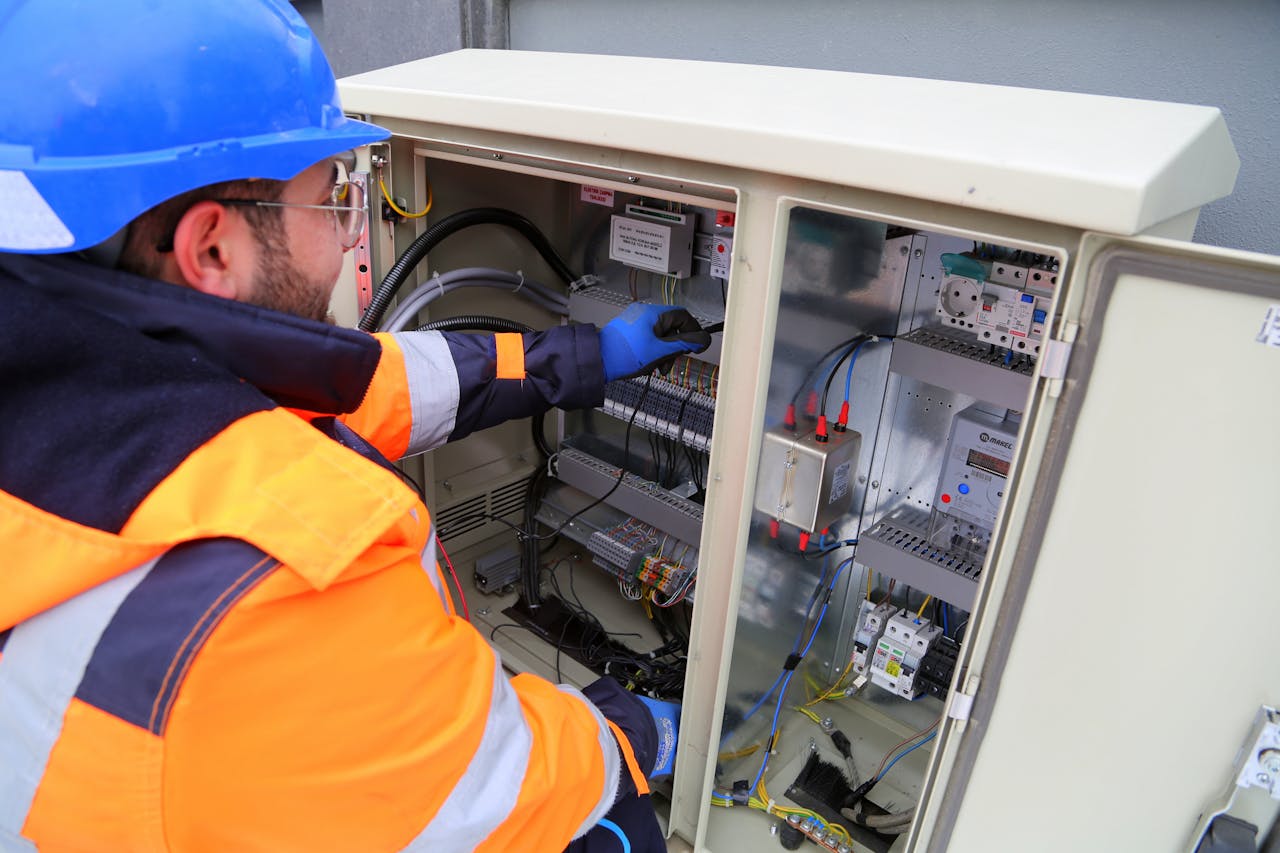
Title 24 Report for Tenant Improvements — Commercial Energy Compliance That Supports Fast Permits and Smooth Inspections
A Title 24 report for tenant improvements is a common requirement for commercial permits across California—especially when a project includes mechanical changes, lighting alterations, controls upgrades, envelope work, or changes in how a space is used. Tenant improvement (TI) projects move quickly in the real world: landlords need buildouts completed, businesses need doors open, and contractors need permits approved without delays. But energy compliance can become a bottleneck when documentation is incomplete, assumptions don’t match the plans, or the correct compliance pathway isn’t selected.
Commercial Title 24 is not identical to residential compliance. Tenant improvements often involve nonresidential standards, lighting power density (LPD) limits, mandatory controls, mechanical efficiency requirements, and documentation that plan check reviewers expect to see presented in a very specific way. A well-prepared Title 24 report for tenant improvements translates your TI scope into clear, verifiable compliance paperwork that matches the drawings and clears review.
The goal is not “extra paperwork.” The goal is to remove permit friction: create a compliance package that is consistent with the mechanical schedules, lighting plans, control sequences, and occupancy use—so the building department can approve the permit and the project can stay on schedule. Our team prepares TI-focused Title 24 documentation that supports plan check and helps prevent inspection surprises later. Call (626) 365-1518 to get started.
Why Tenant Improvements Trigger Title 24 Compliance
Tenant improvement projects typically modify energy-regulated systems. Even if you are not changing the building shell, updates to lighting, HVAC, ventilation, or controls can trigger Title 24 requirements. In many jurisdictions, the building department will not issue a TI permit until energy documentation is submitted and approved.
A Title 24 report for tenant improvements may be required when your TI scope includes:
- Lighting layout changes, fixture replacements, or adding new circuits
- Lighting controls, occupancy sensors, daylighting controls, or scheduling systems
- HVAC replacements, relocations, or significant mechanical modifications
- Ventilation changes or demand-controlled ventilation requirements
- Envelope alterations such as new doors, storefront glazing, or roof work (when part of the scope)
- Change of occupancy type or changes that affect energy calculations
Because TI plans often evolve quickly, keeping the energy report aligned with the latest plan set is essential. One outdated lighting plan or an HVAC schedule mismatch can create a correction cycle that delays the entire permit.

Common Tenant Improvement Projects That Need Title 24 Reports
Tenant improvements apply to many commercial and mixed-use spaces. The following TI project types commonly require a Title 24 report for tenant improvements:
- Retail buildouts and storefront remodels
- Office renovations and open-plan reconfigurations
- Restaurant and café tenant improvements
- Medical and dental office buildouts
- Fitness studios and small commercial gyms
- Warehouses with office areas and lighting upgrades
- Salons, spas, and personal service businesses
- Mixed-use TI projects with commercial ground floor spaces
Each occupancy type can affect the compliance approach. For example, lighting and controls requirements differ between office, retail, and restaurant spaces. A strong compliance package reflects the correct use type and the actual scope shown on plans.
How a Title 24 Report for Tenant Improvements Is Prepared
A TI-focused workflow starts by confirming scope and occupancy. We review the architectural set, reflected ceiling plan, lighting plan, lighting fixture schedule, control notes, mechanical plans, and any sequences of operation relevant to the TI scope. Where applicable, we also review panel schedules and load assumptions used by the design team.
Compliance documentation is produced using state-approved tools such as EnergyPro or CBECC-Com (depending on project and jurisdiction). Inputs are coordinated to match your drawings—lighting power allowances, control requirements, mechanical efficiencies, and ventilation assumptions must be consistent across all sheets and schedules.
If issues are identified—such as lighting power density exceeding allowances or missing mandatory controls—recommendations are provided in a practical, TI-friendly way. The focus is on solutions that preserve the design intent while meeting compliance: control strategy adjustments, fixture selection tweaks, or clarifying notes that satisfy plan check requirements.
Once compliance is achieved, the permit-ready documentation package is produced and reviewed for plan-check clarity. A professional Title 24 report for tenant improvements is designed to be easy for reviewers to verify and easy for contractors to execute.

How TI Compliance Supports Inspections and Project Closeout
For tenant improvements, inspections often focus on lighting and controls, mechanical equipment installation, and required commissioning or functional testing where applicable. When compliance documents match what is installed, inspections tend to proceed smoothly.
Accurate TI compliance helps:
- Prevent failed inspections due to missing lighting controls
- Reduce rework caused by fixture schedule and plan mismatches
- Keep mechanical sign-off aligned with documented efficiencies
- Support faster tenant occupancy and business opening timelines
TI projects are schedule-driven. Clear energy documentation helps prevent last-minute changes that disrupt finish work and opening dates.
How Much Does a Title 24 Report for Tenant Improvements Cost?
Pricing varies based on TI scope, square footage, occupancy type, and the complexity of the lighting and mechanical systems involved. A simple office lighting refresh is usually less complex than a restaurant TI with kitchen ventilation and multiple control zones.
Common pricing factors include:
- Square footage and number of spaces/zones
- Lighting fixture counts and control complexity
- Mechanical system changes and ventilation requirements
- Number of plan revisions and resubmittals
A transparent provider will explain what’s included, what triggers revisions, and what deliverables you’ll receive for plan check.
Best Practices to Keep Tenant Improvement Permits Moving
To reduce TI permit delays:
- Confirm occupancy type and scope early (office, retail, restaurant, medical, etc.).
- Provide a complete lighting plan, fixture schedule, and control notes.
- Ensure mechanical schedules match the actual equipment being specified.
- Update compliance documents immediately when plans change.
Most TI delays are documentation alignment issues—not code failures. Clean coordination is the fastest path to approval.

How to Get Started with a Title 24 Report for Tenant Improvements
Getting started is simple. Submit your permit-intent TI plans to a trusted Title 24 consultant and request a Title 24 report for tenant improvements. The faster we can confirm scope, occupancy, and system selections, the faster we can deliver plan-check-ready documentation.
Call (626) 365-1518, upload documents through our contact page, or email info@title24energy.com with “Tenant Improvement Title 24” in the subject line.
We’re Ready To Take Your Call
A properly prepared Title 24 report for tenant improvements helps your commercial project clear plan check, pass inspections, and stay on schedule—so the tenant can open on time and the buildout can close out cleanly.
Call (626) 365-1518 today to get started. Your TI-ready Title 24 compliance documentation can be prepared accurately and efficiently—so your permit timeline stays predictable.
Frequently Asked Questions About Title 24 Report for Tenant Improvements
1. What is a Title 24 report for tenant improvements?
It is energy compliance documentation that supports commercial TI permits, showing that lighting, controls, mechanical systems, and other regulated measures meet California energy standards.
2. Do all tenant improvements require Title 24 documentation?
Not all, but many permitted TI projects do—especially when lighting, HVAC, or controls are modified.
3. Is Title 24 for tenant improvements different from residential Title 24?
Yes. TI projects typically follow nonresidential standards and often include lighting power and control requirements.
4. What TI changes most commonly trigger Title 24?
Lighting alterations, control upgrades, HVAC changes, ventilation updates, and some envelope modifications are common triggers.
5. Do lighting fixture replacements require Title 24 compliance?
Often yes—especially when the permit includes new lighting layouts, new circuits, or changes to control strategies.
6. What are “mandatory” lighting controls under Title 24?
Mandatory controls often include occupancy sensors, automatic shutoff, and other control features depending on space type and scope.
7. Does a TI project need lighting power density (LPD) calculations?
Many do. LPD and compliance approach depend on occupancy and how the lighting is designed and documented.
8. Do restaurants and commercial kitchens have special Title 24 considerations?
Yes. Restaurants often involve more complex ventilation and lighting requirements, and documentation must reflect the actual scope.
9. What mechanical information is needed for TI compliance?
Mechanical plans, equipment schedules, efficiencies, ventilation rates, and any control sequences are commonly required.
10. What if the TI is “like-for-like” replacement?
Some like-for-like replacements may have simplified requirements, but many jurisdictions still require documentation if a permit is pulled—scope matters.
11. Can a Title 24 report be revised during plan check?
Yes. Reports are commonly revised to address corrections or updated plan sets.
12. How do plan-checkers review TI energy documentation?
They verify that forms, calculations, and assumptions match the submitted drawings, schedules, and control notes.
13. Does TI compliance affect inspections?
Yes. Inspectors often verify that lighting controls and equipment match what is shown in the approved documentation.
14. How long does it take to produce a Title 24 report for a TI?
Turnaround depends on scope and plan completeness, but many TI reports can be completed within a few business days.
15. What causes the most TI permit delays related to Title 24?
Mismatched lighting plans, missing control notes, inconsistent schedules, and outdated energy documentation are common causes.
16. Can a permit expediter coordinate TI Title 24 documentation?
Yes. Many expediters coordinate compliance, and having a responsive consultant helps keep timelines predictable.
17. Does a change of occupancy affect Title 24 requirements?
It can. Occupancy type influences lighting allowances, control requirements, and the compliance approach.
18. Is commissioning required for tenant improvements?
Some projects may require commissioning or functional testing depending on scope and systems—requirements vary by project.
19. Who should prepare a Title 24 report for tenant improvements?
A qualified energy consultant using state-approved software should prepare the documentation for permit submission.
20. How do I get started with a TI Title 24 report?
Call (626) 365-1518 or upload your plans through the contact page to begin your tenant improvement compliance process.