Title 24 Report in Acton CA

Title 24 Report in Acton CA

Title 24 Report in Acton CA — Fast, Permit-Ready Compliance for Your Project

If you’re planning a new build, addition, ADU, remodel, or tenant improvement in the Acton area, you’ll need a Title 24 Report in Acton CA to pass plan check and keep your project moving forward. Title 24 energy compliance isn’t just a formality—it’s an essential step to ensuring your project meets California’s strict energy efficiency standards while helping you save on long-term operational costs.

Acton’s unique high-desert climate means projects here face significant temperature fluctuations, intense sun exposure, and seasonal energy demands. This makes proper energy modeling and compliance planning critical from the very start of your design process. A professionally prepared Title 24 report not only satisfies code requirements but also guides you toward practical, cost-effective solutions.

Understanding the Importance of a Title 24 Report

A Title 24 report is a detailed energy compliance document mandated by the California Energy Code. It examines every element of your building that affects energy consumption, including insulation, windows, HVAC systems, water heating, and, for commercial projects, lighting and controls. The report is submitted to your local building department during the permit process to prove that your design meets or exceeds California’s energy standards.

In Acton, this process is especially important because the region’s hot summers and cooler winters can challenge energy performance. By analyzing these variables early, you can avoid costly changes during construction and ensure your building operates efficiently year-round.

Title 24 Report in Acton CA

When You’ll Need a Title 24 Report in Acton CA

Most projects that alter the building envelope or mechanical systems will require a Title 24 report before you can pull permits. This includes new home construction, home additions, major remodels, accessory dwelling units (ADUs), and commercial tenant improvements. Even smaller projects can trigger the need for a report if they impact insulation levels, window and door configurations, or HVAC systems.

Waiting until late in the design phase to address Title 24 compliance can lead to delays. The best approach is to start the process as soon as your design is reasonably complete so any necessary adjustments can be made without disrupting your schedule.

What to Expect During the Process

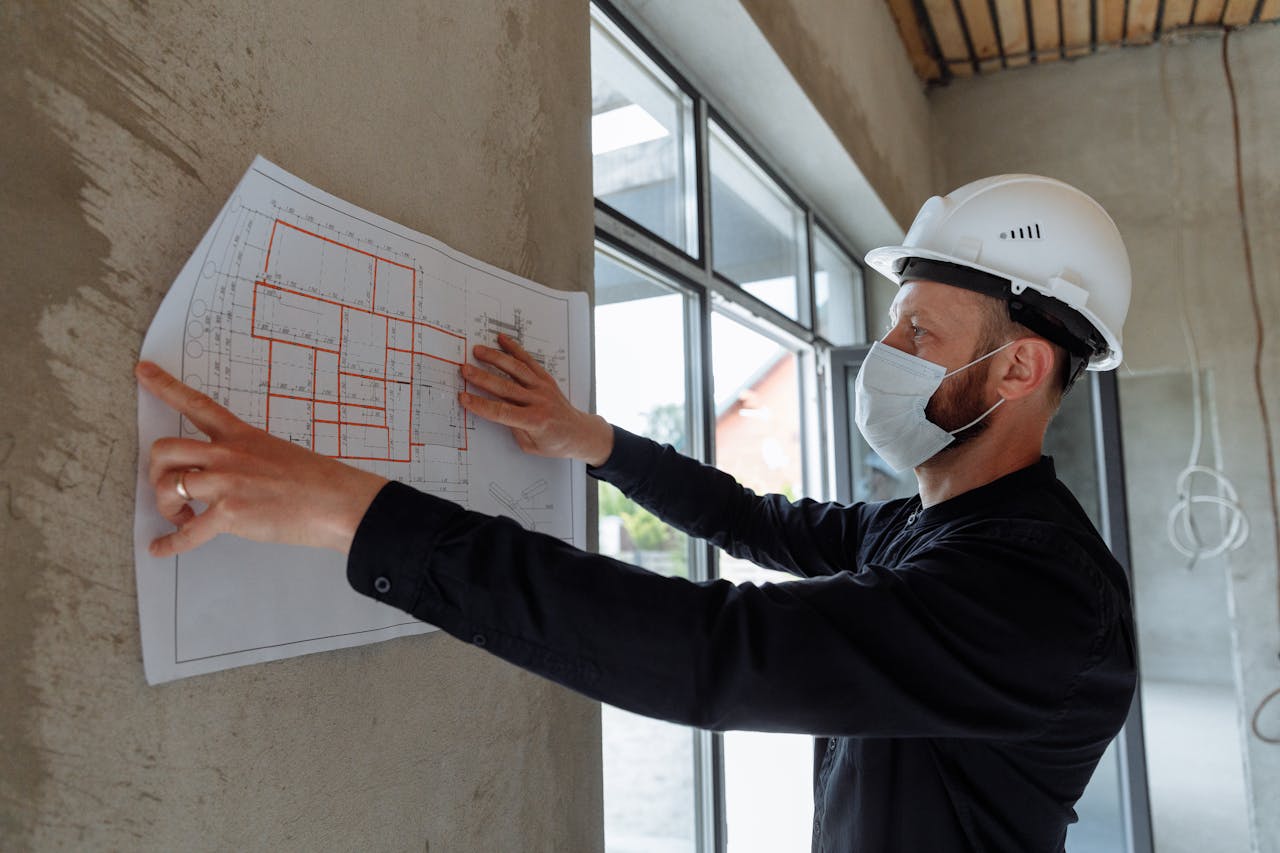
The process begins with submitting your architectural plans, including orientation, floor plans, elevations, roof layouts, and window schedules. Details on conditioned floor areas and mechanical equipment specifications are also essential for accurate modeling. A certified energy analyst will then use California Energy Commission–approved software, such as EnergyPro or CBECC, to create a detailed energy model of your project.

This model is used to compare your design against the state’s energy budget. If any part of the design doesn’t comply, your consultant will recommend targeted adjustments—like selecting windows with a different U-factor, modifying insulation in specific areas, or fine-tuning HVAC equipment—to bring the project into compliance without unnecessary expense.

Once the model meets requirements, you’ll receive permit-ready documentation, including signed CF-1R forms for residential projects or the equivalent forms for commercial designs. If HERS testing is required, the same team can coordinate verification during construction to ensure all final documentation is completed smoothly.
Title 24 Report in Acton CA

Why Acton Builders Benefit from a One-Stop Title 24 and HERS Team

Working with a consultant who offers both Title 24 reporting and HERS verification means fewer headaches during construction. Instead of dealing with separate companies for compliance documents and field testing, you have one point of contact who understands your project from start to finish. This streamlines communication, reduces the risk of errors, and can help keep your project on schedule.

Experienced teams bring more than just paperwork—they understand how design decisions impact construction, materials availability, and field performance. Their insights can help you make practical choices that improve energy efficiency without compromising design goals.

Budget Considerations for Your Acton Project

While pricing varies based on project size and complexity, residential Title 24 reports generally start in the low-to-mid hundreds, with larger or more complex projects costing more. Commercial projects and multifamily developments have different pricing structures depending on scope. HERS testing is typically priced separately, either per task or as part of a bundled package when multiple verifications are required.

Obtaining a clear quote early ensures you understand all costs upfront, including any potential additional fees for plan changes, revisions, or on-site inspections.

Acton-Specific Tips to Keep Your Project Moving

Because of the climate and permitting requirements in Acton, there are a few best practices that can save you time and money:

  • Confirm window specifications early to avoid delays from unavailable products.
  • Focus insulation upgrades where they will have the greatest impact on performance.
  • Coordinate HVAC choices early to ensure efficiency, duct layout, and ventilation plans align.
  • Maintain consistency between your plans and Title 24 report to prevent plan check corrections.

Title 24 Report in Acton CA

Getting Started with Your Title 24 Report in Acton CA

If you’re ready to begin, the first step is simple: share your plans and project details with a qualified Title 24 consultant. This allows them to review your design, prepare the necessary energy model, and provide you with clear, permit-ready documentation. They can also guide you through the HERS process if verification is required.

For fast, reliable service, call (626) 365-1518 today or use the contact page on our website to send your plans and request a quote. You can also email info@title24energy.com with “Acton Title 24” in the subject line for quicker response.

Final Thoughts

Securing a Title 24 Report in Acton CA doesn’t have to be stressful. By starting early, working with an experienced team, and keeping communication clear, you can meet all compliance requirements without unnecessary delays. From accurate energy modeling to smooth HERS coordination, having the right partner ensures your project moves from design to construction as efficiently as possible.

Call (626) 365-1518 now or send a message through our website to get started. Your permit-ready Title 24 report is just a phone call or email away.


Frequently Asked Questions About Title 24 Report in Acton CA

What is a Title 24 Report?

A Title 24 report is a state-mandated energy compliance document that ensures your building project meets California Energy Code requirements for efficiency and sustainability.

Why do I need a Title 24 Report in Acton CA?

Acton projects require a Title 24 report to pass building department plan check and comply with California’s strict energy efficiency laws.

Who prepares a Title 24 Report?

Certified energy analysts use state-approved software to model your building’s energy performance and create permit-ready documentation.

When should I get my Title 24 Report?

You should obtain your Title 24 report after your design is mostly complete but before submitting for permits to avoid delays and costly design changes.

Does a remodel need a Title 24 Report?

Yes, if your remodel impacts the building envelope, HVAC systems, windows, doors, or lighting, you will likely need a Title 24 report.

What information is needed to start the report?

Your consultant will need architectural drawings, window and door schedules, insulation details, HVAC specifications, and project location.

How long does it take to get a Title 24 Report?

Most residential projects can be completed within a few business days, depending on the complexity and completeness of your plans.

Can I make changes after the report is done?

Yes, revisions can be made, but updates may require re-modeling and could affect compliance results.

What is HERS testing?

HERS testing is field verification for certain energy features, such as duct leakage, blower door tests, and refrigerant charge, required by some Title 24 compliance paths.

Do I need HERS testing for my Acton project?

If your Title 24 compliance shows certain features, such as new HVAC systems or insulation upgrades, you may need HERS verification during construction.

What software is used for Title 24 calculations?

Approved programs like EnergyPro and CBECC-Res/Com are used to ensure compliance modeling is accepted by all California jurisdictions.

Can Title 24 help me save on energy bills?

Yes, the process identifies efficiency upgrades that not only meet code but can lower your long-term energy costs.

Is a Title 24 Report required for commercial buildings?

Yes, commercial projects in Acton must comply with Title 24 requirements for envelope, mechanical, and lighting systems.

What happens if my project fails compliance?

Your consultant will recommend targeted design changes to bring your project into compliance without unnecessary expense.

Can I use my own contractor for HERS testing?

HERS testing must be performed by a certified rater, but you can choose who to hire as long as they meet state certification requirements.

Does Title 24 apply to accessory dwelling units (ADUs)?

Yes, ADUs in Acton must have a Title 24 report to show they meet California Energy Code standards.

Will my project be delayed if I don’t have a Title 24 Report?

Yes, the building department will not approve your permit without a completed Title 24 report that meets code.

How much does a Title 24 Report cost?

Pricing depends on project size and complexity, but residential reports generally start in the low-to-mid hundreds.

How do I submit my Title 24 Report to the building department?

Your consultant will provide electronic PDF files that you can include with your permit application package.

How do I get started with a Title 24 Report in Acton CA?

Call (626) 365-1518 or use the contact page to send your plans and request a free quote today.

What Happens After Submitting a Title 24 Energy Report?

What Happens After Submitting a Title 24 Energy Report

What Happens After Submitting a Title 24 Energy Report?

You’ve just submitted your Title 24 energy compliance report—but what happens next? If you’re like most California homeowners, builders, or architects, you might be wondering what the next steps are after this critical document is filed with the city or county building department.

At Title24Energy.com, we help clients across California understand the entire process from report submission to final permit approval. Let’s walk you through what typically happens once your Title 24 report is submitted, and how our experts can help ensure a smooth, stress-free experience from start to finish.

The Initial Plan Check Review

Once your Title 24 energy report is submitted, the building department’s first step is to conduct a plan check review. This is when they compare your energy documentation—generated using CEC-approved software like EnergyPro or CBECC—to your architectural drawings and other submitted materials. They’re looking to confirm that all energy elements match up: insulation values, window specs, HVAC systems, lighting layouts, and more.

If your report and plans are consistent and meet current Title 24 standards, the review will typically pass without issue. If there are any mismatches or compliance issues, you’ll receive a correction notice requiring revisions. Instead of wondering what happens after submitting a Title 24 Energy Report feel free to give us a call today to learn more in depth.

Possible Plan Check Corrections

It’s not uncommon for the building department to request corrections. They may flag inconsistencies such as:

  • Window sizes in the plans don’t match the energy report
  • Lighting layout lacks required high-efficacy fixtures
  • Insulation values are below prescriptive code requirements
  • Mechanical equipment doesn’t meet efficiency thresholds

That’s where our team at Title24Energy.com becomes your best asset. We not only revise the energy report for compliance but also coordinate with your architect, contractor, or designer to ensure all changes are aligned. We resubmit fast—keeping your permit process on track.

Approval and Permit Issuance

Once the Title 24 report is approved and all related corrections are resolved, your building permit can be issued. At this stage, the building department considers your energy compliance satisfied under the current California Energy Code. You’re now free to begin construction!

Most jurisdictions require the energy report to be signed digitally with a registered HERS (Home Energy Rating System) provider or energy consultant ID, confirming it’s official and unaltered. All of our reports at Title24Energy.com are submitted in accordance with CEC and local agency standards—so you won’t experience last-minute headaches or rejections.

During Construction: Field Verification

Some Title 24 reports require HERS field verification once construction begins. This applies when you’re using performance-based methods or installing energy-related systems like ductwork, whole-house fans, or high-efficiency HVAC equipment.

Field verification involves a certified HERS rater inspecting the installed equipment or systems to ensure they match the report and meet energy compliance criteria. If a HERS inspection is required, it will be listed clearly on your CF-1R documentation.

Our consultants will help you schedule and coordinate these inspections through certified raters to ensure compliance and avoid project delays.

Final Inspection and Certificate of Occupancy

At the end of your project, the local building inspector will verify that the work was completed per the approved plans and Title 24 documentation. If everything checks out, you’ll receive final sign-off and a certificate of occupancy (CO), allowing your home or building to be legally occupied.

If discrepancies are found—like unapproved substitutions for windows or mechanical units—you may be asked to resubmit revised Title 24 documents or undergo another field inspection. Avoid this by keeping your contractor informed and checking in with us before making field changes to key energy components.

How Title24Energy.com Helps After Submission

Submitting your Title 24 report is just the beginning. At Title24Energy.com, our service doesn’t stop once the paperwork is filed. We offer full post-submission support, including:

  • Rapid corrections and revisions when needed
  • Direct communication with building departments
  • Assistance with HERS verifications and CF-2R/CF-3R forms
  • Ongoing support until your project receives final sign-off

We’ve helped thousands of homeowners, contractors, and architects navigate the post-submission process—saving them time, money, and frustration.

Call Us for Title 24 Support from Start to Finish

If you’re still unsure what happens after submitting a Title 24 report, you’re not alone. The good news is you don’t have to handle it by yourself. At Title24Energy.com, we guide our clients through every phase of compliance—from report preparation to approval and final inspection.

Call us at (626) 365-1518 or upload your plans here to get started. We’ll help you prepare, submit, and follow through on your energy compliance requirements so you can focus on building—not bureaucracy.

Let California’s Title 24 experts help you pass the first time—every time.

Frequently Asked Questions – What Happens After Submitting a Title 24 Energy Report?

What is the first step after submitting a Title 24 report?

The building department begins a plan check review to verify that the report aligns with submitted architectural plans and meets code requirements.

How long does the plan check process usually take?

Plan check timelines vary by jurisdiction but typically take 1 to 3 weeks, depending on the workload and complexity of the project.

What if the building department finds errors in my Title 24 report?

You’ll receive a correction notice and must revise and resubmit the corrected report to continue the permit process.

Who is responsible for making the corrections?

Your Title 24 energy consultant, like our team at Title24Energy.com, will handle all corrections to ensure a fast resubmittal.

Will my building permit be delayed if there are issues?

Yes. Any inconsistencies or non-compliance in your energy report may delay permit approval until corrections are made.

How do I know if my report passed the plan check?

The building department will notify you (or your consultant) with a permit approval once the review is complete and no corrections are needed.

Do I need to provide any additional documents after submission?

Sometimes, additional forms like CF-2R and CF-3R may be required later, especially for HERS-verified items during construction.

What is a HERS verification?

HERS (Home Energy Rating System) verification is an inspection by a certified rater to confirm compliance for specific systems like ducts, HVAC, or insulation.

When is HERS verification required?

HERS verification is required when the Title 24 report includes energy features that must be inspected during or after construction.

How do I schedule a HERS inspection?

Title24Energy.com helps coordinate HERS inspections with certified raters once your construction reaches the verification stage.

Can my project fail the final inspection due to energy compliance?

Yes. If systems differ from the approved Title 24 report, the final inspection can be delayed or denied until updates are made.

Do I need to revise the Title 24 report if changes occur on-site?

Yes. If you change windows, insulation, or HVAC systems, your Title 24 report may need to be updated and resubmitted.

Is the Title 24 process complete after permit approval?

No. You must complete any necessary HERS verifications and final inspections before receiving a certificate of occupancy.

What documents are needed at final inspection?

Final inspection may require the original Title 24 report, HERS verification forms, and proof that approved energy systems are installed.

How long do corrections typically take?

Our team usually completes Title 24 report corrections within 1–2 business days, depending on the complexity.

What happens if I ignore the correction notice?

Your permit application will remain on hold until corrections are made and the revised documents are approved.

Can you help if my project was flagged during review?

Absolutely. We specialize in fast turnaround corrections and resubmissions to get your project back on track quickly.

Do I need a new report if the code cycle changes mid-project?

If your permit hasn’t been issued before the new cycle takes effect, you may need to update your report to the current code.

What if I have a tight construction deadline?

Contact us immediately. We offer expedited services and prioritize urgent projects to meet your timeline.

How do I start the process?

Call (626) 365-1518 or visit Title24Energy.com to upload your plans and receive expert Title 24 assistance today.

What Software Is Used to Create Title 24 Reports?

What Software Is Used to Create Title 24 Reports

What Software Is Used to Create Title 24 Reports?

A Title 24 report may look like a collection of forms and technical figures, but behind those pages is a detailed building model that must accurately represent the proposed construction. This leads many homeowners, contractors, architects, and developers to ask: What Software Is Used to Create Title 24 Reports for California permit applications?

The direct answer is that performance-based Title 24 reports must be prepared with compliance software approved by the California Energy Commission for the applicable Energy Code cycle, building occupancy, and project scope. For projects governed by the 2025 Energy Code, approved programs include California Building Energy Code Compliance software, commonly called CBECC, along with approved third-party programs such as EnergyPro, IES VE, and Right-Energy.

These programs are not interchangeable in every situation. One application may be approved for single-family, multifamily, and nonresidential projects, while another may be limited to new single-family construction or new nonresidential buildings. The selected program and version must match the actual permit project.

Title24Energy.com removes the guesswork by reviewing your plans, identifying the applicable compliance pathway, and using appropriate California Energy Commission-approved software for the project. Call or text (626) 365-1518 to discuss your plans before permit submission instead of trying to figure out What Software Is Used to Create Title 24 Reports.

What Software Is Used to Create Title 24 Reports Under the 2025 Energy Code?

Permit applications submitted on or after January 1, 2026, generally must use compliance software and forms approved for the 2025 Energy Code. The approved program must also support the building classification and construction scope being modeled.

The principal software choices currently include:

  • CBECC: California’s public-domain compliance software for applicable single-family, multifamily, and nonresidential projects
  • EnergyPro: Third-party compliance software approved for applicable single-family, multifamily, and nonresidential projects
  • IES VE Title 24: Approved for qualifying new nonresidential construction
  • Right-Energy Title 24: Approved for qualifying new single-family residential construction

Approved versions can change as programs are updated, replaced, corrected, or allowed to expire. A professional consultant should therefore confirm the current California Energy Commission approval list at the time the energy model is prepared rather than relying on the name of a program alone.

CBECC Compliance Software

CBECC stands for California Building Energy Code Compliance. It is the public-domain software developed for demonstrating performance compliance with California’s residential, multifamily, and nonresidential energy standards.

The current CBECC platform can be used for applicable:

  • Single-family residential buildings
  • Low-rise multifamily buildings
  • Nonresidential buildings
  • New construction
  • Additions
  • Alterations supported by the approved version

CBECC creates a proposed building model based on the project information entered by the energy consultant. It then evaluates that design under the applicable Energy Code rules and compares it with the standard design established for compliance purposes.

Because CBECC is publicly available, someone may assume that downloading the program is all that is needed to produce a permit-ready report. In reality, the quality of the result depends on the accuracy of the model. Floor area, orientation, glazing, insulation, mechanical systems, ventilation, water heating, solar features, battery systems, and project scope must all be entered and classified correctly.

EnergyPro

EnergyPro is third-party compliance software approved for applicable single-family, multifamily, and nonresidential performance modeling. It is widely used by energy consultants because it can support different building types and provide a professional workflow for preparing energy-compliance calculations and forms.

EnergyPro may be appropriate for:

  • New homes and residential additions
  • Accessory dwelling units
  • Residential alterations
  • Low-rise multifamily projects
  • Commercial buildings
  • Tenant improvements
  • Mixed project scopes supported by the approved version

The program name by itself does not make every report valid. The installed version must be approved for the applicable code cycle and scope. The consultant must also model the project accurately and coordinate the output with the permit drawings.

IES VE Title 24

IES Virtual Environment Title 24 is an approved third-party option for qualifying new nonresidential construction under the 2025 Energy Code. It may be useful for advanced commercial building analysis where the project team is already working within a detailed whole-building simulation environment.

Its approval is limited to the occupancies and project scopes identified by the California Energy Commission. It should not be selected automatically for a residential addition, remodel, or other project outside its approved use.

Right-Energy Title 24

Right-Energy Title 24 is an approved third-party program for qualifying new single-family residential construction. Its approval does not automatically extend to every residential addition, alteration, multifamily development, or commercial project.

This is an important example of why the answer to What Software Is Used to Create Title 24 Reports depends on more than personal preference. The selected program must be authorized for the exact project category being submitted.

What Happened to CBECC-Res and CBECC-Com?

Older Title 24 reports and online resources often refer to CBECC-Res for residential projects and CBECC-Com for commercial or nonresidential modeling. Those names remain relevant when discussing earlier Energy Code cycles, archived reports, and older permit applications.

For the 2025 Energy Code, the California Energy Commission’s current approved-software list uses the unified CBECC name for applicable single-family, multifamily, and nonresidential projects. A report created under an earlier code cycle may still display the older program name because it was prepared using the software approved when that permit was submitted.

Do not attempt to update an old project simply by opening its files in a newer program. Changes between code cycles can affect modeling rules, mandatory measures, standard-design assumptions, forms, software inputs, and report output. The project should be reviewed under the code cycle that applies to its permit.

The Importance of CEC-Approved Software

The performance method allows a proposed building to be evaluated as an integrated energy system. Instead of checking only a fixed list of individual component values, approved software compares the proposed design with a standard design established by the Energy Code.

This flexibility can be valuable when a project includes architectural features that do not fit neatly within a basic prescriptive package. Improved performance in one qualifying area may help offset another design choice, subject to mandatory requirements and the modeling rules.

California regulates this process because different programs must produce consistent and dependable compliance results. The California Energy Commission establishes approval procedures, simulation rules, reporting requirements, and limits on the occupancies or scopes supported by each program.

Generic energy calculators, spreadsheets, load-calculation programs, architectural drafting software, and general building-simulation tools do not become approved Title 24 performance software merely because they can estimate energy use.

Approved Software Must Match the Code Cycle

A program approved for the 2022 Energy Code should not be used to demonstrate performance compliance for a permit governed by the 2025 Energy Code. Likewise, a newly approved version should not automatically be substituted into an older permitted project without confirming the enforcement agency’s requirements.

The permit application date is therefore one of the first details that should be established before modeling begins.

Approved Software Must Match the Occupancy

Single-family, low-rise multifamily, high-rise multifamily, hotel, motel, and nonresidential buildings can be subject to different compliance rules and documentation categories. The selected software must support the project’s correct classification.

Approved Software Must Match the Construction Scope

A program may be approved for new construction but not for additions or alterations. The energy consultant must verify whether the software is authorized for:

  • Newly constructed buildings
  • Additions to existing buildings
  • Alterations to existing buildings
  • The specific occupancy being modeled

Selecting a familiar program without confirming these limitations can lead to invalid output or a permit package that the building department cannot accept.

California software used to create Title 24 reports

Prescriptive Forms Versus Performance Software

Not every project requires a full computer performance model. California permits can demonstrate compliance through either the prescriptive method or the performance method when the applicable standards permit that choice.

Prescriptive Compliance

The prescriptive method follows specified requirements for individual building components and systems. A project may demonstrate that its insulation, windows, HVAC equipment, water heating, lighting, controls, and other features satisfy the applicable prescriptive criteria.

Some prescriptive forms can be completed without creating a complete performance simulation. Online form tools and fillable compliance documents may assist with form preparation, but those resources should not be confused with approved performance-modeling software.

Performance Compliance

The performance method uses approved computer software to evaluate the proposed design against the standard design. It can provide greater design flexibility, but it requires careful building modeling and accurate project data.

Performance modeling may be useful when:

  • The project does not fit a straightforward prescriptive package
  • The design relies on efficiency trade-offs
  • Window area or orientation affects compliance
  • Several building systems must be evaluated together
  • The project team wants to compare potential design options
  • The applicable permit documents require a performance certificate

The choice between prescriptive and performance compliance should be made based on the actual plans, code requirements, and design objectives—not simply on which software appears easiest to operate.

What Information Is Entered Into Title 24 Software?

Approved software is only as reliable as the information entered into it. Preparing a professional model requires the consultant to study the drawings and translate the proposed construction into a technically accurate digital representation.

Project and Site Information

The model may include:

  • Project address
  • Permit scope
  • Applicable Energy Code cycle
  • Building occupancy
  • California climate zone
  • Building orientation
  • Existing and proposed construction
  • Conditioned and unconditioned areas

Building Geometry

The software may require detailed information about:

  • Conditioned floor area
  • Number of stories
  • Ceiling heights
  • Wall dimensions
  • Roof and ceiling areas
  • Floor and slab areas
  • Window and exterior-door sizes
  • Window orientation
  • Adjacency to outdoor, ground, attic, garage, or other spaces

A small geometry error can affect wall area, glazing percentage, heating and cooling loads, and the calculated energy result.

Envelope Assemblies

The consultant may enter:

  • Wall construction
  • Roof and ceiling assemblies
  • Floor and slab assemblies
  • Insulation type and value
  • Framing characteristics
  • Cool-roof information
  • Window U-factor
  • Window solar heat gain coefficient
  • Exterior-door performance
  • Air-sealing features

Mechanical and Ventilation Systems

The model may also include:

  • Heating and cooling equipment type
  • Equipment efficiency
  • System capacity
  • Heat-pump characteristics
  • Duct location and insulation
  • Duct leakage assumptions
  • Thermostat and control features
  • Whole-building ventilation
  • Local exhaust systems
  • Economizers for applicable nonresidential systems

Water Heating, Solar, and Battery Systems

Depending on the project, the report may evaluate:

  • Water-heater type and efficiency
  • Fuel source
  • Distribution design
  • Recirculation systems
  • Solar photovoltaic capacity
  • Battery-storage features
  • Electric-ready measures

Lighting and Commercial Systems

Applicable nonresidential models may include lighting power, space use, control systems, daylighting zones, outdoor lighting, electrical distribution, mechanical controls, refrigeration, and other covered processes.

This is why a set of complete, coordinated plans produces a better report than an informal description of the project.

How Software Turns Plans Into a Title 24 Report

The software does not read a plan set and make every decision automatically. A trained user must review the documents, classify the construction correctly, select the appropriate inputs, and examine the results for conflicts or unreasonable assumptions.

Step 1: Review the Permit Scope

The consultant determines what is being built, added, converted, replaced, or altered. This establishes which portions of the building must be included and which code provisions are likely to apply.

Step 2: Confirm the Code Cycle and Building Type

The permit date, occupancy, number of stories, dwelling configuration, and proposed use help determine which forms and software options are appropriate.

Step 3: Build the Digital Model

The architectural geometry, envelope assemblies, glazing, mechanical equipment, ventilation, water heating, lighting, solar features, and other applicable systems are entered into the program.

Step 4: Run the Compliance Analysis

The software applies the approved modeling rules and compares the proposed design with the applicable standard design. The results help identify whether the project complies under the selected performance pathway.

Step 5: Resolve Design Conflicts

If the design does not comply, the project team can review potential adjustments. Depending on the project, these may involve insulation, windows, equipment efficiency, duct design, ventilation, water heating, lighting, solar features, or another regulated component.

Step 6: Generate the Compliance Documents

Once the model accurately represents a compliant design, the appropriate performance certificates and supporting output can be generated for coordination with the permit plans.

Step 7: Review the Forms Against the Drawings

The final step is critical. Floor area, window values, insulation, equipment, lighting, and other specifications should be checked against the latest plan revision before the report is submitted.

What Software Is Used to Create Title 24 Reports for permit approval

How the Correct Software Can Support Permit Approval

The right program does not guarantee approval by itself, but it gives the consultant an authorized platform for preparing the required performance analysis. Professional judgment is still needed to create a model that accurately reflects the proposed building.

Using suitable software can help the project team:

  • Select the correct compliance pathway
  • Evaluate building-envelope performance
  • Compare window and insulation options
  • Coordinate mechanical-system efficiency
  • Identify required verification measures
  • Document applicable solar and battery features
  • Generate project-specific compliance certificates
  • Respond to energy-related plan-check corrections

The goal is not merely to make the software display a passing result. The goal is to produce a defensible permit package that matches the construction documents and can be followed in the field. If you’re still trying to figure out What Software Is Used to Create Title 24 Reports, then waste no more time. Simply give us a call and we’ll help you get started.

Common Software and Modeling Mistakes

Many report problems are caused by user input, project classification, or plan coordination rather than a defect in the approved software.

Using the Wrong Code Cycle

A report created under an earlier Energy Code may not be valid for a new permit application. The consultant should confirm the applicable cycle before beginning the model.

Using an Expired or Unapproved Version

Software versions can be updated or allowed to expire. The current approval status should be checked when the report is prepared and again if a project remains inactive for an extended period.

Selecting the Wrong Occupancy

Modeling a multifamily or nonresidential building as a single-family residence can apply the wrong assumptions, forms, and requirements.

Entering Incorrect Floor Area

Garages, covered patios, unconditioned storage areas, existing rooms, additions, and converted spaces must be classified correctly. An inaccurate conditioned floor area can materially affect the result.

Modeling Windows Incorrectly

Window quantity, size, orientation, U-factor, and solar heat gain coefficient should match the plans and product schedule.

Using Placeholder Equipment That Never Gets Updated

Preliminary equipment assumptions may become inconsistent with the final mechanical schedule. The report should be updated when the selected system differs from the modeled system.

Ignoring Plan Revisions

Changes to room dimensions, ceiling heights, windows, insulation, HVAC, water heating, lighting, or solar design can require revisions to the energy model.

Treating a Passing Result as the Only Quality Check

A model can produce a passing result and still describe the wrong building. The report must be reviewed for accuracy, internal consistency, and agreement with the drawings.

Can Homeowners or Contractors Use Title 24 Software?

Some compliance programs are publicly available, and a homeowner, contractor, or designer may be able to download and operate them. Access to the software, however, does not replace knowledge of the Energy Code or experience interpreting construction plans.

A first-time user must learn how to:

  • Determine the correct project classification
  • Select the applicable code cycle
  • Model building geometry
  • Define envelope assemblies
  • Enter mechanical and ventilation systems
  • Interpret compliance results
  • Recognize unreasonable default assumptions
  • Generate the appropriate documents
  • Coordinate the forms with the plans
  • Respond to plan-check corrections

A project with incomplete drawings or unusual design conditions can be especially difficult to model. Paying for professional preparation may cost less than losing time to rejected forms, incorrect product selections, repeated revisions, or a permit package that does not match the intended construction.

Software Does Not Replace Professional Plan Review

Energy-compliance software performs calculations based on the information supplied by the user. It does not independently verify that the window schedule matches the elevations, that the mechanical equipment is available, or that the proposed assemblies can be constructed as drawn.

A professional report should include a reasoned review of:

  • The permit scope
  • The latest plan revision
  • Existing versus proposed construction
  • Conditioned versus unconditioned space
  • Architectural dimensions
  • Window specifications
  • Envelope details
  • Mechanical equipment
  • Ventilation requirements
  • Water-heating systems
  • Lighting and controls when applicable
  • Required installation and verification documents

For more information about who may prepare the calculations and documents, review who can legally prepare a Title 24 report in California.

Professional modeling software for Title 24 reports

How Title24Energy.com Selects the Appropriate Software

Title24Energy.com begins with the project rather than forcing every design into the same modeling program. The online remote process allows plans to be reviewed digitally for projects throughout California.

We Identify the Applicable Project Category

The building occupancy, permit scope, number of stories, conditioned floor area, and proposed use are reviewed to determine whether the project is single-family, multifamily, nonresidential, or another applicable category.

We Confirm the Energy Code Cycle

The permit application date and available project information are used to identify the likely code cycle. This helps prevent calculations from being started in software intended for the wrong standards.

We Review the Compliance Pathway

The project is evaluated to determine whether prescriptive documentation may be sufficient or whether performance modeling offers the appropriate path.

We Select Approved Software for the Scope

When performance modeling is required, the selected program must be approved for the project’s occupancy, construction scope, and Energy Code cycle.

We Coordinate the Output With the Plans

The resulting forms are reviewed against the available project information so discrepancies can be addressed before permit submission.

We Support Necessary Revisions

If the plans change or the building department issues energy-related corrections, the affected model inputs and documents can be reviewed using the latest information.

What to Submit for a Software-Based Title 24 Report

A complete plan set allows the energy consultant to model the project with fewer assumptions. Send the following items when available:

  • Project address
  • Permit application date or intended submission date
  • Detailed scope of work
  • Dimensioned floor plans
  • Elevations
  • Building sections
  • Door and window schedules
  • Wall, roof, ceiling, floor, and slab details
  • Insulation specifications
  • Mechanical plans or equipment information
  • Ventilation information
  • Water-heating specifications
  • Lighting plans for applicable nonresidential projects
  • Solar and battery information when applicable
  • Existing plan-check corrections

Applicants who need a broader explanation of the forms generated during the process can review the Title 24 Compliance Documentation Requirements Guide.

Wondering What Software Is Used to Create Title 24 Reports? Get the Right Software and the Right Report

Knowing What Software Is Used to Create Title 24 Reports is valuable, but selecting a program is only the beginning. The software must be approved for the correct Energy Code cycle, occupancy, and scope. The model must accurately represent the building, and the final documents must agree with the permit plans.

Title24Energy.com handles that technical process for you. Whether your project involves a new home, accessory dwelling unit, room addition, garage conversion, multifamily development, commercial building, or tenant improvement, we can review the plans and identify the appropriate path forward.

Call or text (626) 365-1518 to request a project review. You can also submit the latest plans through the Title24Energy.com contact page.

Still trying to figure out What Software Is Used to Create Title 24 Reports? Do not spend valuable permit time experimenting with the wrong software or outdated forms. Put the project in experienced hands and move forward with coordinated, permit-focused energy documentation.

About California’s Energy Standards

The regulations commonly called Title 24 are part of the California Energy Code. The standards establish energy-efficiency requirements for applicable residential and nonresidential construction throughout the state.

Because software approvals and technical requirements can change between code cycles, every new report should be prepared using current project information and the tools authorized for that permit.

Frequently Asked Questions About Title 24 Software

Which programs are approved for the 2025 Energy Code?

The current approved list includes CBECC and qualifying versions of EnergyPro, IES VE Title 24, and Right-Energy Title 24. Approval limits vary by occupancy and construction scope.

Is CBECC free to use?

CBECC is California’s public-domain compliance software. Although the program is publicly available, preparing a correct permit model still requires technical Energy Code and construction-plan knowledge.

Is EnergyPro approved for California permits?

Approved EnergyPro versions can be used for qualifying projects under the code cycles, occupancies, and scopes identified by the California Energy Commission.

Can I still use CBECC-Res?

CBECC-Res applies to certain earlier code-cycle reports and archived projects. The current 2025 approval list uses the CBECC name for applicable single-family, multifamily, and nonresidential modeling.

Can commercial projects use residential software?

No. The software must be approved for the correct occupancy. A single-family-only program should not be used for a commercial building.

Can one program model every type of project?

Not necessarily. Some programs support several occupancies and scopes, while others are approved only for specific project categories.

Does every project require performance software?

No. Some projects can demonstrate compliance using the applicable prescriptive requirements and forms without creating a complete performance model.

Can a spreadsheet create an official performance report?

No. A spreadsheet or generic calculator is not a substitute for software approved to demonstrate performance compliance under the applicable Energy Code.

Does the program automatically read architectural plans?

No. A user must interpret the plans and enter the building geometry, assemblies, systems, and other project details into the compliance model.

Can homeowners prepare their own calculations?

Publicly available software can be accessed by homeowners, but the technical learning curve and risk of modeling errors make professional preparation practical for many permit applicants.

Does the software determine whether my plans are complete?

No. It calculates compliance from the entered data. A separate plan review is needed to identify missing information and inconsistencies between the report and drawings.

Why does the software version matter?

Approval applies to specific versions and code cycles. An outdated or expired version may not be accepted for a new permit application.

Can an old report be converted to the current code?

It may need to be recreated or substantially revised. New code cycles can change forms, modeling rules, standard-design assumptions, and mandatory requirements.

Which software is best for an ADU?

The correct option depends on whether the ADU is detached, attached, converted from existing space, or part of a larger project, as well as the applicable code cycle and compliance pathway.

Does the software include solar and battery modeling?

Approved programs include applicable methods for evaluating regulated solar photovoltaic and battery features when those measures are part of the project’s compliance analysis.

What happens when a model fails?

The project team can review compliant design adjustments involving the envelope, glazing, equipment, water heating, lighting, solar features, or other applicable measures.

Can a passing model still receive corrections?

Yes. The building department may issue corrections when the forms conflict with the plans, required information is missing, or the selected software does not match the project.

What files should I send for modeling?

Send the latest floor plans, elevations, sections, window schedule, envelope details, mechanical information, and other specifications relevant to the proposed work.

Can the report be prepared remotely?

Yes. Title24Energy.com reviews digital plans and prepares energy-compliance documentation through an online remote process for California projects.

How do I start the report process?

Call or text (626) 365-1518 or submit the current plans through the contact page for review.

What Projects Are Exempt from Title 24 Requirements?

What Projects Are Exempt from Title 24 Requirements

What Projects Are Exempt from Title 24 Requirements?

Not every California construction project requires the same level of energy documentation, but determining whether an exemption applies takes more than looking at the project’s size. Property owners, contractors, architects, and designers must consider whether the work changes conditioned space, lighting, insulation, windows, mechanical equipment, water-heating systems, or another component regulated by the California Energy Code.

What Projects Are Exempt from Title 24 Requirements is ultimately a project-specific question. Some repairs, maintenance work, temporary structures, and unconditioned buildings may fall outside full energy-modeling requirements. Other projects that appear minor can still trigger mandatory measures, equipment standards, forms, or plan notes.

Title24Energy.com provides online remote plan review for projects throughout California. Send us the available plans, scope of work, equipment information, and permit comments, and we will help identify whether the project appears exempt, requires limited documentation, or needs a complete Title 24 report. Call or text (626) 365-1518 to discuss the project before submitting it for plan check.

What Projects Are Exempt from Title 24 Requirements in California?

There is no single exemption that applies to every small construction project. The answer depends on what is being built, replaced, repaired, converted, or altered. A project may avoid a full performance calculation while still being required to satisfy individual prescriptive or mandatory energy measures.

Work that does not create conditioned space or modify a regulated energy component is more likely to fall outside full Title 24 documentation requirements. However, the building department may still request notes, product information, or an explanation showing why energy forms are not included.

Minor Repairs and Routine Maintenance

Ordinary maintenance that restores an existing component without changing its energy performance may not require a complete Title 24 report. Examples can include limited finish repairs, minor plumbing work unrelated to water-heating efficiency, isolated electrical repairs, or maintenance that does not alter the building envelope.

The distinction between a repair and an alteration is important. Replacing a damaged part may be treated differently from installing a new system, changing equipment capacity, increasing glazed area, or selecting products with different efficiency ratings. Permit applicants should not assume that every like-for-like replacement is automatically exempt.

Unconditioned Accessory Buildings

Detached sheds, storage buildings, agricultural structures, and certain garages may not require the same energy calculations as homes or occupied commercial buildings when they remain unconditioned. In this context, unconditioned generally means that the space is not heated or mechanically cooled for regular occupancy.

An exemption may no longer apply if the project introduces heating, air conditioning, insulation intended for conditioned use, extensive lighting, hot-water equipment, or a future conversion to habitable space. The permitted use shown on the plans must be consistent with the proposed energy treatment.

Temporary or Portable Structures

Some temporary construction facilities and portable structures may be regulated differently from permanent buildings. The building department may evaluate how long the structure will remain, how it will be used, whether it is factory-built, and whether it contains conditioned occupied space.

Temporary status should be clearly documented. Simply describing a structure as portable does not necessarily establish an exemption when it is installed as a long-term occupied building.

Work That Does Not Affect Energy-Regulated Components

Projects limited to flooring, cabinets, countertops, paint, decorative finishes, and similar cosmetic improvements frequently do not require a complete energy compliance report. These improvements generally do not affect insulation, glazing, HVAC, lighting power, ventilation, or water-heating performance.

The exemption analysis changes when cosmetic work is combined with new lighting, window replacement, mechanical work, wall reconstruction, ceiling changes, or modifications to conditioned floor area. The full permit scope should therefore be reviewed rather than evaluating each item in isolation.

Historic Buildings and Protected Features

Qualified historic buildings may receive special consideration when strict compliance would damage or conceal historically significant materials and features. These situations are not automatic blanket exemptions. The project may need documentation showing the building’s historic status and explaining why a particular requirement conflicts with preservation objectives.

Energy measures that do not negatively affect protected features may still apply. A careful review helps separate historically sensitive components from work that can comply normally.

Why Exemption Status Must Be Confirmed Before Plan Check

A mistaken exemption assumption can lead to correction notices, permit delays, product changes, added consultant costs, and revised construction documents. These problems often occur when a project begins as a limited repair but expands to include new windows, mechanical equipment, altered lighting, added square footage, or converted space.

Building departments review the permitted scope shown on the plans. If that scope includes regulated energy work, the reviewer may request documentation even when the overall project cost or floor area is modest. For a broader explanation, review when a Title 24 report is required before finalizing the permit package.

A Small Project Can Still Trigger Energy Requirements

Consider a remodel that includes new recessed lighting, replacement windows, and an upgraded HVAC system. The project may not involve an addition, but the altered components can still be subject to current efficiency requirements. A full-building performance model may not always be necessary, yet forms, specifications, and mandatory measures may still be required.

Another example is a patio or garage conversion. The existing structure may have been unconditioned, but adding insulation, heating, cooling, or habitable use can change its energy-code status. The proposed use—not merely the existing structure—controls much of the compliance analysis.

Local Plan-Check Documentation Can Vary

California’s energy standards are statewide, but permit submittal procedures and correction practices can differ between jurisdictions. One building department may accept a clear plan note explaining why no energy calculations are included, while another may request supporting documentation or additional product information.

A project-specific review helps prepare a cleaner permit package and reduces the chance that the applicant will have to justify an exemption after the plans are already in review.

What Projects Are Exempt from Title 24 Requirements

How We Determine What Projects Are Exempt from Title 24 Requirements

Title24Energy.com reviews the actual project scope instead of relying on a generic exemption checklist. Our online process is designed for homeowners, architects, contractors, developers, designers, and permit applicants who need a practical answer before plan submittal or after receiving a correction notice.

1. Review the Proposed Scope of Work

We begin by identifying exactly what is being constructed, removed, replaced, converted, or upgraded. This includes additions, remodels, tenant improvements, accessory structures, equipment replacements, window changes, lighting work, water-heating changes, and alterations to the building envelope.

2. Identify Conditioned and Unconditioned Areas

The plans are reviewed to determine whether the project creates or modifies space that will be heated or cooled. This distinction can significantly affect whether the project is outside full compliance requirements or must be evaluated under the residential or nonresidential standards.

3. Identify Regulated Energy Components

We look for changes involving insulation, roofing assemblies, windows, doors, HVAC equipment, ducts, ventilation, lighting, controls, domestic hot water, and other regulated systems. Even when a complete report is unnecessary, individual components may still need to meet current requirements.

4. Review Permit Comments or Agency Requests

If the building department has already issued corrections, those comments should be included with the plans. The correction language often reveals whether the reviewer is asking for a full compliance report, a specific form, equipment documentation, or a note explaining why the project is exempt.

5. Recommend the Appropriate Next Step

After reviewing the available information, we explain whether the project appears to require no energy report, limited compliance documentation, or a complete calculation package. When a report is needed, the plans can move directly into the preparation process without restarting the review from the beginning.

Applicants who need a clearer understanding of the forms commonly requested during permitting can also review our Title 24 compliance documentation requirements guide.

Common Projects That Require Closer Review

Certain project types are frequently described as exempt even though their scopes often include regulated work. These projects deserve a careful review before the permit application is submitted.

Window and Door Replacement

Replacement windows and glazed doors may be subject to current performance requirements even when the openings remain the same size. Product ratings, total area, orientation, framing changes, and the permit scope can affect the required documentation.

HVAC Equipment Replacement

Replacing heating or cooling equipment can trigger equipment-efficiency, sizing, duct, control, ventilation, and verification requirements. A simple equipment swap should not be treated as exempt until the proposed system and permit requirements have been reviewed.

Roofing and Insulation Work

Reroofing, roof-deck replacement, attic work, and insulation changes can involve energy requirements depending on the roof type, building use, climate conditions, and extent of the alteration. Plans and specifications should clearly identify what will remain and what will be replaced.

Bathroom and Kitchen Remodels

A finish-only remodel may not need a full report. The analysis changes when the project includes new lighting, ventilation, water-heating work, exterior openings, relocated walls, or mechanical changes. Combining several small alterations can create documentation requirements that would not apply to finish work alone.

Garage, Patio, and Accessory-Space Conversions

Converting a previously unconditioned area into living space normally requires closer energy review. Insulation, windows, heating and cooling, ventilation, and the newly conditioned floor area must be addressed in the permit documents.

Commercial Tenant Improvements

Commercial interior improvements can involve lighting power, controls, mechanical systems, ventilation, and envelope changes. A tenant improvement may not require whole-building modeling, but that does not mean all Title 24 documentation is eliminated.

What an Exemption Review Can Help Prevent

  • Submitting incomplete plans that are returned with energy corrections
  • Ordering windows, HVAC equipment, or lighting products that do not meet the applicable requirements
  • Misclassifying conditioned space as unconditioned space
  • Assuming a repair exemption applies to a larger alteration
  • Delaying the permit while an exemption must be justified
  • Paying for unnecessary calculations when limited documentation would be sufficient
  • Discovering compliance requirements after construction has already started

The goal is not to add unnecessary paperwork. The goal is to identify the correct level of documentation early enough to keep the permit process moving.

What Projects Are Exempt from Title 24 Requirements

Why Property Owners Use Title24Energy.com

Title24Energy.com focuses on permit-driven energy compliance work. Our online remote service allows customers to submit plans digitally without making an office visit. This is especially useful when the architect, contractor, property owner, and permit jurisdiction are located in different parts of California.

We provide a direct review of the proposed work, explain which parts of the project may trigger energy requirements, and identify the documentation likely to be needed for the permit package. When the project is exempt, the applicant receives a clearer basis for moving forward. When compliance documentation is required, the project can proceed without losing additional time to guesswork.

Customers can also review which buildings require Title 24 reports for additional guidance about residential, commercial, and accessory-building projects.

Get a Clear Answer Before Submitting Your Plans

Do not rely on assumptions about whether the project is too small, too simple, or too limited to require energy documentation. Let Title24Energy.com review the actual scope and identify the most appropriate next step.

Call or text (626) 365-1518 to request a project review. You can also submit your plans through Title24Energy.com for an online remote assessment. Include the floor plans, proposed scope, equipment information, window schedule, permit corrections, and any other available construction documents.

Get the exemption question resolved before it becomes a plan-check delay.

Frequently Asked Questions About Title 24 Exemptions

Are small construction projects automatically exempt?

No. Project size alone does not determine whether energy requirements apply. A small alteration can still involve windows, lighting, HVAC equipment, insulation, ventilation, or water heating that must meet current standards.

Does ordinary maintenance require a full energy report?

Routine maintenance may not require a complete calculation when it does not alter a regulated energy component. The work must still be evaluated to determine whether it is truly maintenance or a permitted alteration.

Is an unconditioned detached garage exempt?

It may not require the same energy calculations as conditioned living space when it remains unheated and uncooled. Lighting, future occupancy, equipment, and proposed construction details can still affect the permit requirements.

Are storage sheds and agricultural buildings exempt?

Some unconditioned storage or agricultural structures may fall outside full building-energy modeling requirements. Their use, occupancy, lighting, mechanical systems, and construction type should be confirmed before an exemption is assumed.

Do replacement windows require energy documentation?

They can. Replacement windows may need to meet current performance standards even when the openings do not change. Product ratings and permit requirements should be checked before the windows are ordered.

Is finish-only remodeling usually exempt?

Work limited to paint, flooring, cabinets, countertops, and similar finishes often does not require a complete energy report. New lighting, ventilation, exterior openings, mechanical work, or wall changes can alter that conclusion.

Does replacing a thermostat require a Title 24 report?

A thermostat-only replacement generally does not require whole-building energy modeling. It may still need to satisfy applicable control requirements when installed as part of a larger HVAC project.

Are historic buildings completely exempt?

Not necessarily. Historic status may allow special treatment when compliance would damage protected features, but unaffected portions of the project may still need to meet applicable energy requirements.

Do commercial tenant improvements require compliance forms?

Many do, particularly when lighting, controls, HVAC, ventilation, or envelope components are changed. The required documentation depends on the specific tenant-improvement scope.

Does a bathroom remodel require energy calculations?

A cosmetic remodel may not require a complete report. New lighting, exhaust ventilation, windows, water-heating work, or mechanical changes may require forms, specifications, or other compliance documentation.

Are reroofing projects exempt?

Not always. Roofing work can trigger requirements depending on the roof assembly, building type, location, and extent of the alteration. The roofing scope should be reviewed before permit submittal.

Are accessory dwelling units exempt?

New accessory dwelling units and conditioned conversions generally must comply with the energy standards that apply to the proposed construction. Their smaller size does not create an automatic exemption.

Can the building department request exemption documentation?

Yes. A permit reviewer may ask for plan notes, product information, scope clarification, or supporting documentation showing why a complete energy report is not included.

What happens if the project is incorrectly classified?

The plans may receive corrections, the permit may be delayed, and products or construction details may need to be revised. Confirming the requirements early is usually faster and less expensive than correcting the package later.

How can I confirm whether my project qualifies?

Send the plans and proposed scope to Title24Energy.com for an online remote review, or call or text (626) 365-1518. The review should include all planned envelope, lighting, mechanical, ventilation, and water-heating work.

Who Qualifies as a Certified Title 24 Energy Consultant?

Who Qualifies as a Certified Title 24 Energy Consultant

Who Qualifies as a Certified Title 24 Energy Consultant?

When a California construction project reaches the energy-compliance stage, choosing the right person to prepare the documentation can make the difference between a coordinated permit package and weeks of avoidable corrections. That makes one question especially important: Who Qualifies as a Certified Title 24 Energy Consultant for residential, multifamily, and commercial projects?

California does not issue a single professional license officially named “Certified Title 24 Energy Consultant.” The term is commonly used to describe an energy professional who has specialized training, practical modeling experience, current knowledge of California’s Building Energy Efficiency Standards, and a recognized credential such as the Certified Energy Analyst designation.

A qualified consultant should understand far more than how to enter numbers into software. The consultant must be able to interpret construction plans, identify the correct code cycle, classify the project accurately, select an approved compliance method, model the proposed building, coordinate the forms with the drawings, and explain which installation or verification requirements will follow during construction.

Are you still wondering Who Qualifies as a Certified Title 24 Energy Consultant? Title24Energy.com provides online remote energy-compliance assistance for California homeowners, contractors, architects, engineers, designers, developers, and permit applicants. Call or text (626) 365-1518 to discuss your plans and learn what qualifications your project requires.

Who Qualifies as a Certified Title 24 Energy Consultant in California?

A professional should not be described as certified merely because that person has downloaded energy-modeling software or completed a few permit forms. A legitimate certification should be connected to an identifiable organization, defined qualification standards, an examination or evaluation process, and a way to verify the person’s current status.

For California energy-compliance work, the Certified Energy Analyst credential offered through the California Association of Building Energy Consultants is one of the most directly relevant professional certifications. Separate credentials are available for residential and nonresidential energy standards.

A Certified Energy Analyst generally must:

  • Pass an examination covering California Energy Code requirements
  • Complete an approved compliance-software modeling examination
  • Document qualifying experience, education, or related credentials
  • Complete professional-practices training
  • Agree to applicable professional and ethical standards
  • Complete continuing education to maintain the credential
  • Keep the certification aligned with the applicable Energy Code cycle

This certification provides evidence that the analyst has demonstrated knowledge beyond basic form preparation. It does not replace the separate signatures, licenses, certifications, or responsible parties required for particular compliance documents, field tests, or building-system designs.

Who Qualifies as a Certified Title 24 Energy Consultant? Certified Energy Analyst Credentials

The Certified Energy Analyst designation is available in residential and nonresidential categories. A consultant may hold one category without holding the other, so the certification should match the proposed project.

A residential credential is especially relevant to projects such as:

  • New single-family homes
  • Accessory dwelling units
  • Residential additions
  • Garage and accessory-space conversions
  • Residential alterations
  • Applicable low-rise residential work

A nonresidential credential is relevant to projects such as:

  • Office buildings
  • Retail spaces
  • Restaurants
  • Warehouses
  • Industrial facilities
  • Commercial tenant improvements
  • Hotels and motels
  • Applicable multifamily and mixed-use projects

For a project that combines residential and nonresidential elements, the consultant should understand how each occupancy is classified and whether separate documentation or additional design professionals are needed.

Associate Energy Analyst Credentials

The Associate Energy Analyst designation is an intermediate credential for people developing the experience or modeling expertise needed to become full Certified Energy Analysts. It demonstrates meaningful knowledge of California’s energy standards, but it should not be represented as identical to full CEA certification.

When comparing consultants, ask whether the individual is a Certified Energy Analyst, an Associate Energy Analyst, an ECC-Rater, an architect, an engineer, a contractor, or another professional. Each role has value, but the titles do not carry the same scope or responsibilities.

There Is No Single State License Called Title 24 Consultant

California regulates the design, construction, installation, testing, and verification responsibilities associated with energy compliance, but it does not issue one universal license bearing the title “Title 24 Consultant.” This distinction matters because the word “certified” can otherwise create the impression that every person using it holds the same government-issued credential.

A person may have the technical ability to prepare compliance calculations without holding a CEA credential. However, that person should not claim to be certified unless the claim refers to a real, current, and verifiable certification.

Certification also does not automatically authorize a person to accept professional responsibility for every aspect of a building design. The appropriate responsible designer must meet the legal eligibility requirements for the work identified on the Certificate of Compliance.

Still have questions about Who Qualifies as a Certified Title 24 Energy Consultant? For a closer explanation of documentation authors, responsible designers, and signature requirements, review who can legally prepare a Title 24 report in California.

What a Qualified Title 24 Energy Consultant Does

A qualified consultant transforms architectural and engineering information into a coordinated energy-compliance package. That process requires technical judgment, plan-reading ability, software proficiency, and an understanding of how the proposed design will be built and inspected.

Reviews the Actual Project Scope

The consultant begins by identifying what is being constructed, added, converted, altered, replaced, or removed. This determines which portions of the property are subject to energy review and which forms may apply.

A consultant should be able to distinguish between:

  • New construction
  • An addition to an existing building
  • An alteration
  • An equipment replacement
  • A change of occupancy or use
  • A conversion from unconditioned to conditioned space
  • Residential, multifamily, and nonresidential construction

Identifies the Correct Energy Code Cycle

The permit application date affects which California Energy Code cycle, forms, software versions, and technical requirements apply. Permit applications submitted on or after January 1, 2026, are generally subject to the 2025 Energy Code.

A knowledgeable consultant should not begin a model until the applicable code cycle has been considered. Using forms or software from the wrong cycle can invalidate the work or create immediate plan-check corrections.

Reads and Interprets Construction Plans

Energy modeling requires more than copying values from a cover sheet. The consultant may need to review:

  • Site plans and building orientation
  • Dimensioned floor plans
  • Exterior elevations
  • Building sections
  • Wall, roof, ceiling, floor, and slab assemblies
  • Door and window schedules
  • Mechanical plans
  • Equipment schedules
  • Ventilation information
  • Water-heating specifications
  • Lighting and control plans
  • Solar photovoltaic and battery information

The consultant must also identify missing or conflicting information before those inconsistencies become part of the compliance report.

Selects the Appropriate Compliance Method

Depending on the project, compliance may be demonstrated through the prescriptive method or the performance method. The consultant should understand the advantages, limitations, and documentation requirements of each approach.

A performance model may offer design flexibility, but it also requires California Energy Commission-approved software that supports the correct occupancy, code cycle, and construction scope.

Prepares and Coordinates Compliance Documents

The consultant may prepare Certificate of Compliance documentation and supporting calculations for the project. The applicable document series can include:

  • CF documents for single-family projects
  • LM documents for applicable low-rise multifamily projects
  • NR documents for nonresidential and other applicable occupancies

The forms must correspond with the latest permit-intent plans. Conditioned floor area, glazing, insulation, mechanical systems, lighting, ventilation, water heating, solar features, and battery systems should not conflict with the construction documents.

Explains Construction-Phase Requirements

A complete energy report can identify measures that will require installation certificates, field verification, diagnostic testing, or nonresidential acceptance testing. A strong consultant helps the project team understand these obligations before construction reaches the affected stage.

Qualifications for Who Qualifies as a Certified Title 24 Energy Consultant

Technical Qualifications a Consultant Should Have

Professional energy consulting combines building science, code interpretation, construction knowledge, and technical documentation. A person may be highly skilled in one area without having enough experience to prepare a complete permit package independently.

California Energy Code Knowledge

The consultant should understand the Building Energy Efficiency Standards that apply to the relevant project type. This includes mandatory measures, prescriptive requirements, performance compliance rules, and documentation procedures.

The consultant should also recognize when another code cycle applies and avoid applying current assumptions automatically to an older permitted project.

Approved Software Proficiency

Performance reports must use software approved for the applicable Energy Code cycle, occupancy, and scope. The consultant should be able to explain:

  • Which software will be used
  • Why it is suitable for the project
  • Which code cycle the software supports
  • Whether it supports new construction, additions, or alterations
  • How the consultant verifies that the model matches the plans

Programs approved for the 2025 Energy Code include applicable versions of CBECC, EnergyPro, IES VE, and Right-Energy. Their approved occupancies and project scopes differ. Review what software is used to create Title 24 reports for a detailed explanation.

Building-Envelope Knowledge

The consultant should understand how the following features affect energy performance:

  • Insulation levels
  • Framing and assembly types
  • Roof and ceiling construction
  • Slab and raised-floor conditions
  • Window U-factor
  • Solar heat gain coefficient
  • Building orientation
  • Thermal boundaries
  • Air leakage
  • Conditioned and unconditioned spaces

Mechanical and Ventilation Knowledge

A competent analyst should understand heating and cooling equipment, heat pumps, furnaces, air conditioners, ducts, ventilation systems, thermostat controls, economizers, airflow, and efficiency ratings.

The consultant does not necessarily design every mechanical system, but the modeled information must reflect the design shown by the responsible professional.

Water-Heating Knowledge

Water-heating type, efficiency, fuel source, distribution, recirculation, central systems, and heat-pump water-heating features can materially affect compliance. These inputs should be based on the current plans and specifications rather than generic assumptions.

Lighting and Control Knowledge

Nonresidential consultants should understand lighting power, space classifications, occupancy controls, automatic shutoff, daylighting controls, dimming, exterior lighting, and acceptance-testing requirements.

Plan-Coordination Skills

A passing calculation is not enough when the forms describe a different building from the construction plans. The consultant should compare the report against the architectural and system documents before submittal.

Documentation Author Versus Responsible Designer

California compliance forms distinguish between the person who prepares the documentation and the person who accepts responsibility for the building or system design.

Documentation Author

The documentation author prepares the compliance documents and certifies that the documentation is accurate and complete. An energy consultant commonly serves in this role by reviewing the plans, entering the project into approved software, and generating the required forms.

The documentation author’s signature does not automatically replace the signature of the person legally responsible for the design.

Responsible Designer

The responsible designer signs the Certificate of Compliance and accepts responsibility for the design or portion of the design identified on the document. This person must be eligible under the applicable provisions of California’s Business and Professions Code to accept that responsibility.

Depending on the project and scope, the responsible person may be an architect, engineer, contractor, owner-builder, or another eligible project participant. The building department has final authority over whether the submitted signatures and responsible parties are acceptable.

Why Both Roles Matter

The energy consultant may prepare a technically detailed and accurate model, while the responsible designer confirms that the modeled energy features are consistent with the proposed building or system design.

A professional consultant should understand this division of responsibility and should never imply that preparing the software model grants authority to sign for design work outside the consultant’s legal scope.

Certified Energy Analyst Versus Licensed Architect or Engineer

A Certified Energy Analyst credential and a professional design license serve different purposes.

A CEA credential demonstrates specialized knowledge of California energy standards and compliance modeling. An architect or engineer holds a state-issued professional license that may authorize responsibility for specific building or system design work.

An architect or engineer may also be an experienced energy analyst, but licensure alone does not establish advanced proficiency with current compliance software. Likewise, a highly experienced CEA may not be authorized to accept responsibility for architectural, structural, mechanical, or electrical design outside the person’s professional scope.

The strongest project team may therefore include both:

  • An experienced energy consultant who prepares and coordinates the compliance analysis
  • The appropriate licensed or otherwise eligible responsible designer who signs for the applicable design

ECC-Raters Have a Different Certification

An Energy Code Compliance Rater performs required field verification and diagnostic testing. This is not the same role as preparing the original energy model.

ECC-Raters are trained and certified through California Energy Commission-approved ECC Providers. They may verify measures involving:

  • Duct leakage
  • Airflow
  • Fan efficacy
  • Refrigerant charge
  • Building air leakage
  • Ventilation performance
  • Insulation installation
  • Equipment and system features

For the 2025 Energy Code, the ECC Program replaces the compliance-verification function previously associated with the HERS Program. Earlier code-cycle documents may continue to use HERS terminology.

A consultant can hold both CEA and ECC-Rater credentials, but one certification does not automatically include the other. Ask which person will prepare the report and which person will perform any required field verification.

Acceptance Test Technicians Have a Separate Role

Applicable nonresidential lighting controls and mechanical systems may require acceptance testing. Certified Acceptance Test Technicians are trained and overseen through California Energy Commission-approved Acceptance Test Technician Certification Providers.

An energy consultant may identify the required acceptance tests in the compliance documentation, but that does not automatically authorize the consultant to perform every test.

The project team should establish:

  • Which acceptance tests apply
  • Whether a certified technician is required
  • Who will perform the tests
  • When the testing should be scheduled
  • Which completion documents must be submitted

Waiting until final inspection to locate the required technician can delay project closeout.

How to Verify a Consultant’s Certification

A professional should be willing to identify the exact credential being represented. Do not rely solely on phrases such as “state certified,” “Title 24 approved,” or “licensed for Title 24” without asking what those statements mean.

Ask for the Exact Credential Name

Request the complete name of the certification or accreditation. Common examples include:

  • Residential Certified Energy Analyst
  • Nonresidential Certified Energy Analyst
  • Associate Energy Analyst
  • Energy Code Compliance Rater
  • Certified Acceptance Test Technician
  • California-licensed architect
  • California-licensed professional engineer
  • California contractor license in an applicable classification

Ask for the Certification Number

A certified professional should be able to provide a certification or license number when one is issued. Verify that the number belongs to the person performing or supervising the work.

Check the Current Status

A credential may be active, expired, associated with an older code cycle, or limited to a particular category. Confirm that the certification is current and appropriate for the project.

Confirm Residential or Nonresidential Scope

Do not assume that a residential credential covers commercial modeling or that nonresidential experience automatically includes single-family requirements.

Ask Who Will Actually Prepare the Report

Some firms advertise the credentials of one person while assigning the modeling work to someone else. Ask who will review the plans, create the model, respond to questions, and sign as the documentation author.

How to verify Who Qualifies as a Certified Title 24 Energy Consultant

Questions to Ask Before Hiring a Consultant

A short conversation before hiring can reveal whether the consultant understands your project or is simply offering a generic form-preparation service.

Which Project Types Do You Handle?

Ask whether the consultant regularly works with your specific project category, such as:

  • New custom homes
  • Accessory dwelling units
  • Room additions
  • Garage conversions
  • Residential alterations
  • Low-rise multifamily developments
  • Commercial tenant improvements
  • New nonresidential buildings

Which Energy Code Cycle Applies?

The consultant should ask about the permit application date and explain which forms and software are likely to apply.

Which Software Will Be Used?

The answer should name an approved program suitable for the project’s occupancy and scope. A vague response such as “industry software” is not enough.

How Will the Report Be Checked Against the Plans?

Ask whether the consultant reviews floor area, windows, envelope assemblies, equipment, ventilation, lighting, water heating, and other model inputs against the final drawings.

Who Signs the Compliance Documents?

Clarify who will sign as the documentation author and who must sign as the responsible designer. The answer may depend on your architect, engineer, contractor, owner-builder status, and local enforcement requirements.

Are Registration and Verification Requirements Included?

Ask whether the quoted service includes required data-registry processing, identifies ECC measures, or coordinates acceptance-testing requirements. Avoid assuming these services are automatically included.

What Happens When the Plans Change?

Request a clear explanation of revision policies, additional fees, correction support, and what information must be submitted when the design changes.

Warning Signs of an Unqualified Consultant

Low pricing and instant turnaround can be appealing, but the cost of an inaccurate report often appears later through corrections, redesigns, replacement products, and lost permit time.

Proceed carefully when a consultant:

  • Claims to hold a state-issued Title 24 consultant license but cannot identify it
  • Refuses to provide a certification or license number
  • Does not ask for the permit application date
  • Uses outdated or unapproved software
  • Does not distinguish residential from nonresidential work
  • Promises permit approval regardless of plan quality
  • Creates a report without reviewing complete drawings
  • Uses placeholder equipment without disclosing it
  • Cannot explain who must sign the forms
  • Confuses report preparation with ECC verification
  • Claims every correction will be free regardless of design changes
  • Will not identify who is actually performing the work

Why a Qualified Consultant Protects Your Permit Schedule

Energy documentation affects more than a single plan sheet. The report can influence windows, insulation, mechanical equipment, ventilation, water heating, lighting, solar systems, battery systems, and required field testing.

A qualified consultant helps reduce the risk of:

  • Using the wrong Energy Code cycle
  • Submitting the wrong document series
  • Modeling the wrong building occupancy
  • Entering incorrect conditioned floor area
  • Creating window conflicts
  • Specifying unavailable equipment
  • Missing verification measures
  • Discovering acceptance tests too late
  • Submitting forms based on an outdated plan revision
  • Receiving repeated energy-related corrections

The consultant cannot guarantee permit approval because the building department makes the final decision and the rest of the plans must also comply. A professional consultant can, however, improve the accuracy, coordination, and permit readiness of the energy package.

What to Provide for a Professional Project Review

The consultant can provide a more reliable proposal and analysis when the current project information is available.

Submit the following items when possible:

  • Project address
  • Intended permit application date
  • Detailed scope of work
  • Dimensioned floor plans
  • Existing and proposed floor areas
  • Exterior elevations
  • Building sections
  • Door and window schedules
  • Envelope and insulation details
  • Mechanical plans or equipment information
  • Ventilation information
  • Water-heating specifications
  • Lighting plans for nonresidential projects
  • Solar and battery information when applicable
  • Building-department correction notices

Projects that are still determining whether calculations are needed can review when a Title 24 report is required.

Choose Experience You Can Verify

Understanding Who Qualifies as a Certified Title 24 Energy Consultant helps you look beyond a sales claim and evaluate the qualifications that actually matter. A strong consultant should be able to identify the credential held, explain the applicable code cycle, use approved software, interpret the plans, coordinate the compliance forms, and distinguish report preparation from design responsibility and field testing.

Title24Energy.com provides a convenient online remote process for California permit projects. Send the current plans and proposed scope for review, and ask which documentation, software, responsible parties, and verification measures may apply.

Call or text (626) 365-1518 to discuss your project with a knowledgeable energy-compliance professional. You can also submit the latest documents through the Title24Energy.com contact page.

Do not entrust a permit-critical report to an unverifiable title or vague promise. Choose a consultant who can explain the work clearly, document the qualifications behind the service, and prepare an energy package built around your actual plans.

California Energy Standards and Professional Qualifications

The regulations commonly known as Title 24 are part of the California Energy Code. These standards govern applicable energy features in residential, multifamily, and nonresidential construction throughout the state.

Because the standards, software, forms, and certification programs change over time, consultant qualifications should be evaluated against the code cycle and services required for the current permit—not only against experience with older projects.

Frequently Asked Questions About Who Qualifies as a Certified Title 24 Energy Consultant

Does California issue a Title 24 consultant license?

No single California license is officially titled “Title 24 consultant.” Energy consultants may hold voluntary professional certifications, design licenses, contractor licenses, or field-verification credentials that apply to different parts of the compliance process.

What is a Certified Energy Analyst?

A Certified Energy Analyst is a professional who has demonstrated knowledge of California energy standards through examination, modeling evaluation, qualifying experience or education, professional-practices training, and continuing education.

Is a CEA credential required to prepare a report?

Certification is not universally required merely to prepare compliance documentation. However, a CEA credential is strong evidence of specialized knowledge, and some programs or local requirements may require or prefer particular credentials.

What is the difference between residential and nonresidential CEA certification?

Residential and nonresidential certifications address different Energy Code provisions, building types, forms, systems, and modeling requirements. Confirm that the analyst’s credential matches your project.

What is an Associate Energy Analyst?

An Associate Energy Analyst has completed an intermediate accreditation demonstrating Energy Code knowledge while developing the experience or modeling expertise required for full Certified Energy Analyst status.

Can an architect prepare energy calculations?

An architect may prepare calculations when qualified to do so, but architectural licensure alone does not demonstrate current compliance-software expertise. Many architects use specialized energy consultants for modeling and documentation.

Can an engineer prepare a Title 24 report?

An engineer may prepare applicable energy documentation within the person’s knowledge and professional scope. Complex projects may benefit from both engineering expertise and specialized energy-modeling experience.

Can a contractor prepare compliance documents?

A contractor may participate in preparing or signing applicable documents when legally eligible for the specific scope. The person should still understand the Energy Code, approved software, and documentation requirements.

Can a homeowner prepare a report?

Publicly available software can make self-preparation technically possible in some situations, but the learning curve and risk of incorrect modeling make professional assistance practical for many permit applicants.

Who signs the Certificate of Compliance?

The responsible person eligible to accept responsibility for the applicable building or system design signs the Certificate of Compliance. The documentation author also signs to certify that the prepared documentation is accurate and complete.

Is the documentation author always the responsible designer?

No. One person may perform both roles when qualified and eligible, but an energy consultant can prepare the documents while another project professional accepts responsibility for the design.

Is an ECC-Rater the same as an energy consultant?

No. An ECC-Rater performs required field verification and diagnostic testing. An energy consultant generally prepares the design-stage compliance analysis. A person may hold both qualifications, but they are separate roles.

What happened to HERS Raters?

The 2025 Energy Code uses the Energy Code Compliance Program for applicable field verification. Earlier code-cycle projects may continue to use HERS terminology and forms.

What is an Acceptance Test Technician?

An Acceptance Test Technician performs required testing for applicable nonresidential lighting controls or mechanical systems under an approved certification-provider program.

Can an energy consultant guarantee permit approval?

No consultant controls the building department’s decision or the compliance of the entire plan set. A qualified consultant can improve the accuracy and coordination of the energy documentation.

How can I verify a consultant’s credentials?

Request the complete credential name, certification number, category, code-cycle status, issuing organization, and the name of the person who will actually prepare the report.

Does a consultant need local office space near the project?

No. Energy modeling and plan coordination can be completed remotely when the consultant understands California requirements and receives a complete digital plan set.

Does the consultant need experience with my building department?

Local experience can be helpful, but the more important qualifications are accurate code interpretation, appropriate software use, coordinated documentation, and a professional response to plan-check comments.

What software should the consultant use?

The software must be approved for the applicable Energy Code cycle, occupancy, and project scope. The consultant should explain why the selected program is appropriate.

How do I begin a qualification and plan review?

Call or text (626) 365-1518 or submit the current plans through the contact page. Ask which consultant will handle the project and which qualifications apply to the requested services.

Who Can Certify That My Building Meets Title 24 Requirements?

Who Can Certify That My Building Meets Title 24 Requirements

Who Can Certify That My Building Meets Title 24 Requirements?

In California, energy efficiency isn’t optional—it’s the law. Whether you’re constructing a new home, expanding an existing property, or remodeling a commercial space, compliance with Title 24 of the California Energy Code is required. But a question many homeowners, architects, and contractors ask is: Who can certify that my building meets Title 24 requirements?

Let’s break it down in simple terms. Only certified energy consultants and professionals trained in California energy code compliance can create and sign off on an official Title 24 report. And that’s where Title24Energy.com comes in. We specialize in delivering fast, accurate, and permit-ready Title 24 documentation across California.

Understanding Title 24 Certification

The California Energy Commission mandates that all permitted building projects demonstrate compliance with Title 24. This includes meeting specific energy efficiency standards related to HVAC, insulation, windows, lighting, and more. The only way to certify that your building meets these requirements is to submit an approved Title 24 energy report during the permitting process.

The compliance process involves technical modeling using state-approved software such as EnergyPro or CBECC-Res. Once the model proves that the building meets current standards, the consultant completes and signs the CF-1R or NRCC forms, which are then submitted to your local building department.

Who Can Certify That My Building Meets Title 24 Requirements

Who Is Qualified to Certify Title 24 Compliance?

To be clear, not just anyone can certify your building. The certification must come from a qualified energy consultant or registered energy professional. These individuals have extensive knowledge of California’s energy codes and are trained in the use of complex modeling software used to verify compliance.

Title24Energy.com is made up of licensed energy consultants who stay up-to-date with the latest code updates and submission protocols for jurisdictions throughout the state. We know what cities require, and we’ve helped thousands of clients get their permits approved quickly and efficiently.

Why Title24Energy.com Is the Right Choice

There’s a reason why homeowners, architects, and contractors across California turn to us when they need Title 24 certification fast. We don’t just crunch numbers—we provide full-service energy compliance tailored to your specific project and local code requirements. Here’s what sets us apart:

  • Statewide Expertise: We serve all 58 counties in California, covering every climate zone and jurisdiction.
  • Fast Turnaround: Most reports are delivered within 1–3 business days.
  • Permit-Ready Reports: Our CF-1R and NRCC documents are completed using state-approved software and accepted by all cities and counties.
  • Flat-Rate Pricing: Know what you’ll pay up front—no hidden fees or hourly charges.
  • Free Revisions: Need a correction or update for plan check? We’ve got you covered.

Who Can Certify That My Building Meets Title 24 Requirements

What You Need to Get Certified

Before we can certify your building for Title 24 compliance, we’ll need a few basic documents:

  • Architectural plans (floor plans, elevations)
  • Window and door specifications
  • Lighting layout
  • HVAC and mechanical system details
  • Project address and scope of work

You can upload these directly through our secure submission portal on Title24Energy.com, and we’ll get started immediately. Our consultants may reach out for clarifications or missing specs, but in most cases, we’ll deliver your signed report within a few days—sometimes even sooner!

Don’t Risk Permit Delays—Certify With Confidence

Getting your permits approved quickly is critical to staying on schedule and within budget. Submitting an incomplete or incorrect Title 24 report can delay your project by days or even weeks. But when you work with Title24Energy.com, you’re not just hiring a consultant—you’re partnering with a team that guarantees accuracy, professionalism, and results.

We understand what your local building department needs to see, and we’ll make sure your report is compliant, signed, and ready for submittal the first time around.

Who Can Certify That My Building Meets Title 24 Requirements

Ready to Certify? Call Today or Upload Your Plans

If you’re asking, “Who can certify that my building meets Title 24 requirements?”—you’ve already found the answer. Trust the experts at Title24Energy.com for fast, accurate energy compliance reports that make your next permit application smooth and stress-free.

Call us today at (626) 365-1518 or visit https://title24energy.com to upload your project plans.

We’ll take care of the Title 24 certification—so you can focus on building your vision.

Frequently Asked Questions – Who Can Certify That My Building Meets Title 24 Requirements?

Who can officially certify that my project complies with Title 24?

A certified energy consultant using California Energy Commission (CEC) approved software can certify compliance and sign the CF-1R/NRCC forms.

Do architects certify Title 24 compliance?

Architects provide the design data, but the certification is typically performed and signed by a qualified energy consultant.

Can a contractor certify Title 24 compliance?

Only if the contractor is also a certified energy consultant and models the project with CEC-approved software.

What documents prove my building meets Title 24?

The CF-1R (residential) or NRCC (nonresidential) compliance forms, produced and signed by a certified consultant, are your proof of compliance.

Who verifies installed measures after construction?

Certified HERS raters (through providers like CHEERS or CalCERTS) verify installations and issue CF-2R/CF-3R documents when required.

Does my local building department certify compliance?

No. They review and accept (or reject) your certified documents; they don’t produce or certify them.

What software must be used to certify compliance?

CEC-approved tools such as EnergyPro, CBECC-Res, and CBECC-Com are required for modeling and certification.

Can Title24Energy.com certify my building?

Yes. Our certified energy consultants generate and sign permit-ready Title 24 reports statewide.

Is a PE (Professional Engineer) license required to certify Title 24?

No. Certification requires a qualified energy consultant; PE licensure is not specifically mandated by the CEC for CF-1R/NRCC preparation.

Who signs the CF-1R form?

The certified energy consultant who modeled and confirmed the project’s compliance signs the CF-1R.

Who signs the CF-2R and CF-3R forms?

Installers and certified HERS raters complete and sign these field verification forms, which confirm installed performance.

Can I certify compliance myself if I buy the software?

You technically can, but without training and certification you risk rejections, delays, and costly redesigns.

Who determines if my project needs HERS testing?

Your energy consultant’s report and the applicable Title 24 code requirements dictate if HERS verification is triggered.

Does a HERS rater also prepare the CF-1R?

Not usually. HERS raters handle field verification (CF-2R/CF-3R). CF-1R/NRCC is typically prepared by an energy consultant.

Can the building inspector certify Title 24?

No. Inspectors enforce compliance and review documents but do not produce or certify them.

Who certifies commercial (nonresidential) Title 24 compliance?

A qualified nonresidential energy consultant prepares and certifies NRCC forms using CBECC-Com or equivalent tools.

What if my current design doesn’t comply?

Your energy consultant will recommend cost-effective design tweaks (e.g., better glazing, more insulation, higher-efficiency HVAC) and re-certify.

Who should I contact if my plans changed mid-project?

Contact your energy consultant (e.g., Title24Energy.com) to update and reissue your compliance documents.

How fast can I get my project certified?

With complete plans, most residential Title 24 reports can be certified in 1–3 business days.

How do I start the certification process?

Upload your plans to Title24Energy.com or call (626) 365-1518 to speak with a certified consultant.

Who Should I Contact for a Title 24 Report in California?

Who Should I Contact for a Title 24 Report in California

Who Should I Contact for a Title 24 Report in California?

Whether you’re planning a new home, remodeling your kitchen, building an ADU, or launching a commercial construction project, one requirement in California is crystal clear—you’ll need a Title 24 energy compliance report. But that leads to an important question: Who should I contact for a Title 24 report in California?

The answer is simple: Title24Energy.com. We’re the go-to solution for permit-ready Title 24 compliance reports across California. Our team of certified energy consultants delivers fast, accurate, and affordable documentation that helps you pass city plan check with confidence and ease.

Let’s explore why Title 24 reports are required, who’s qualified to prepare them, and why Title24Energy.com is trusted by contractors, architects, homeowners, and developers all over the state.

What Is a Title 24 Report and Why Do You Need One?

California’s Title 24 energy code was created by the California Energy Commission to regulate energy consumption in buildings. If you’re pulling permits for new construction, additions, or major alterations, you must show that your building meets energy efficiency standards. That’s where a Title 24 report comes in.

This report includes critical data like insulation values, HVAC efficiency, lighting specs, window U-factors, and solar requirements. Local building departments will not issue permits until you submit a Title 24 report that demonstrates compliance with the current standards.

The required forms—like the CF-1R or NRCC—must be completed using approved software and signed by a certified energy consultant. You can’t just guess or copy/paste from another project. Each report must be tailored to your unique building design, location, and climate zone.


Who Should I Contact for a Title 24 Report in California


Who Is Qualified to Create a Title 24 Report?

While some architects or engineers may offer energy modeling, Title 24 compliance reports should be prepared by a professional energy consultant. These specialists are trained to use state-approved software like CBECC-Res and EnergyPro to create compliant energy models.

Energy consultants also understand how to optimize your building design to meet state requirements without compromising comfort or aesthetics. At Title24Energy.com, our consultants have years of experience navigating California’s ever-evolving energy code and have submitted thousands of reports to building departments throughout the state.

Why Choose Title24Energy.com?

When you contact Title24Energy.com, you’re not just getting a report—you’re getting a reliable partner who understands what cities want, how to avoid costly delays, and how to help your project pass plan check the first time. Here’s why we’re California’s top choice:

  • Flat-Rate Pricing: No surprise fees. Just clear, competitive pricing based on your project type.
  • Fast Turnaround: Most reports are delivered within 1–3 business days—perfect for tight construction timelines.
  • Permit-Ready Documentation: Every report is accurate, signed, and ready to submit to your city or county.
  • Revisions Included: If your city requires updates, we’ll handle them quickly at no extra charge.
  • Responsive Support: Have questions? We’re available by phone and email to guide you through the process.

Who Should I Contact for a Title 24 Report in California

We Serve All of California

Whether you’re in Los Angeles, San Diego, San Jose, Sacramento, Riverside, Orange County, or a small town in the Central Valley, our reports are valid statewide. We understand the specific requirements of every California climate zone and local jurisdiction. That means less hassle for you and a faster path to getting your permit approved.

We handle residential, commercial, multifamily, and ADU projects. No job is too big or too small. If your city or county requires Title 24 documentation—we’ve got you covered.

How to Get Started

Getting your Title 24 report is easy. Here’s how:

  • Visit Title24Energy.com
  • Upload your plans using our secure form
  • We’ll review your documents and contact you with any questions
  • Your report will be delivered in as little as 1–3 business days

Need it even faster? Call us directly at (626) 365-1518 and ask about same-day options for urgent projects.

Who Should I Contact for a Title 24 Report in California

Let Us Help You Get Your Project Approved

If you’re wondering who to contact for a Title 24 report in California, the answer is clear. Title24Energy.com is your trusted resource for fast, affordable, and 100% accurate energy compliance reports that help you move from planning to construction with ease.

Call now at (626) 365-1518 or visit https://title24energy.com to schedule your report today.

We make energy compliance simple—because your time, your project, and your peace of mind matter.


Frequently Asked Questions – Who Should I Contact for a Title 24 Report in California?

Who provides Title 24 reports in California?

Certified energy consultants like Title24Energy.com are licensed to provide permit-ready Title 24 reports across California.

What makes a Title 24 report valid for permit submittal?

The report must be completed using approved software, signed by a certified consultant, and meet California’s current energy code.

Can an architect create the Title 24 report?

Architects may provide design input, but the report itself is typically handled by a certified energy consultant.

What documents are required to begin a Title 24 report?

You’ll need floor plans, elevations, window specs, HVAC and lighting details, and your project location.

How long does it take to get a Title 24 report?

Title24Energy.com typically delivers reports in 1–3 business days, with rush options available.

How much does a Title 24 report cost?

Prices vary by project type, but Title24Energy.com offers affordable flat-rate pricing for residential and commercial reports.

Is Title 24 required for remodels?

Yes. If the remodel includes mechanical changes, additions, or lighting upgrades, a Title 24 report is usually required.

Is a Title 24 report the same as HERS testing?

No. A Title 24 report is a design-stage compliance document, while HERS testing is conducted after installation.

What happens if I submit plans without a Title 24 report?

The city or county will not issue your building permit until you submit a compliant report.

Do all cities in California require a Title 24 report?

Yes. Title 24 is a state mandate, so every city and county enforces its requirements.

Can I reuse a Title 24 report from a previous project?

No. Each Title 24 report must be custom tailored to your specific project and address.

What’s the best way to submit my plans for a Title 24 report?

You can upload them directly at Title24Energy.com through their secure upload form.

Can Title24Energy.com help with last-minute reports?

Yes. Rush services are available for urgent submissions—just call to confirm availability.

What type of projects require Title 24 documentation?

New builds, additions, major renovations, ADUs, commercial tenant improvements, and more.

What climate zones does Title24Energy.com cover?

All 16 climate zones in California—we are statewide experts.

Will my Title 24 report need updates if plans change?

Yes, and Title24Energy.com includes free revisions if your project scope changes.

Is solar included in the Title 24 report?

For many residential projects, yes—solar requirements are part of the energy model.

Are Title 24 reports required for ADUs?

Yes. Most Accessory Dwelling Units require Title 24 compliance documentation for permitting.

Who should I call if I need a Title 24 report today?

Call (626) 365-1518 to speak with the experts at Title24Energy.com right away.

Does Title24Energy.com help with plan check corrections?

Yes, we assist with corrections and resubmittals at no extra cost to ensure your permit approval.

Who Is Responsible for Title 24 Calculations—The Architect or Energy Consultant?

Who Is Responsible for Title 24 Calculations

Who Is Responsible for Title 24 Calculations—The Architect or Energy Consultant?

If you’re preparing for a construction project in California, chances are you’ve come across the need for a Title 24 energy compliance report. But this leads to a common question among property owners and even some professionals in the industry: Who is responsible for Title 24 calculations—the architect or energy consultant?

The answer? While architects design the structure and specify the materials, it is typically the energy consultant who is responsible for performing the official Title 24 calculations and generating the required compliance documentation. These two professionals often collaborate closely, but they have distinct roles in the process.

At Title24Energy.com, we specialize in handling all aspects of the energy compliance report so that architects and builders can focus on what they do best—bringing your vision to life. Let’s break down each party’s responsibility and how our team simplifies the process for everyone involved.

The Architect’s Role in Energy Compliance

Architects play an essential role in the design of a building’s envelope—walls, windows, roofs, and insulation—as well as specifying HVAC systems and lighting. These components greatly influence a project’s energy performance, and therefore impact the Title 24 report.

However, architects are not required to complete the Title 24 energy calculations themselves. Instead, they typically work with a professional energy consultant who translates the design into a technical energy model using approved software like CBECC-Res or EnergyPro.

The architect’s job is to:

  • Provide finalized floor plans and building specifications
  • Clarify building materials and energy systems being used
  • Make design adjustments based on the energy consultant’s recommendations, if necessary

Who Is Responsible for Title 24 Calculations

The Energy Consultant’s Responsibility

The energy consultant is the one who conducts the formal analysis and prepares the Title 24 compliance documentation required by California’s Building Energy Efficiency Standards. This includes running simulations, inputting project data into modeling software, and determining whether the building design meets or exceeds current energy code requirements.

At Title24Energy.com, we take care of all these calculations on your behalf. Our certified consultants ensure that your report is:

  • Accurate and compliant with the latest 2022 energy standards
  • Formatted and signed for permit submittal
  • Delivered in as little as 1–3 business days

We work with hundreds of architects, contractors, and property owners across California—offering streamlined, flat-rate service that takes the stress out of compliance.

Why This Division of Responsibility Matters

Having a dedicated energy consultant handle your Title 24 calculations ensures accuracy, speed, and up-to-date knowledge of code changes. Energy standards in California evolve every three years, and staying current requires time and training that most architects simply don’t have the bandwidth for.

Plus, with our experience in dealing with plan checkers and building departments across the state, we know exactly what documentation cities require—and how to avoid costly delays or resubmittals.

In this partnership, the architect focuses on aesthetics, layout, and design function, while the energy consultant ensures those design choices meet or exceed energy efficiency standards. It’s a smart collaboration that helps your project stay on time and on budget.

Who Is Responsible for Title 24 Calculations

What Happens If a Report Fails?

If your initial building design doesn’t pass the energy model, it’s the energy consultant’s job to recommend minor modifications that will bring it into compliance. This may include suggestions like:

  • Increasing insulation levels
  • Upgrading window glazing
  • Switching to a higher-efficiency HVAC system
  • Adding solar panels (if required)

Our team will communicate these recommendations with the architect and client directly—allowing the project to move forward without unnecessary revisions or guesswork.

Need Fast, Affordable Title 24 Reports?

Whether you’re an architect, homeowner, builder, or developer, you don’t have to figure out energy compliance alone. Title24Energy.com is your trusted partner for fast, affordable, and fully permit-ready Title 24 reports.

We make it easy to upload your plans, get your report, and move on to the next phase of construction with confidence.

Call us today at (626) 365-1518 or visit https://title24energy.com to get started.

With flat-rate pricing, quick turnarounds, and a 100% approval success rate, we take the guesswork out of energy code compliance—so you can focus on building.

Frequently Asked Questions – Who Is Responsible for Title 24 Calculations?

Who prepares the official Title 24 compliance report?

A certified energy consultant is responsible for preparing the Title 24 compliance report using approved modeling software.

Can an architect do the Title 24 calculations?

While architects provide essential building data, Title 24 calculations are typically completed by energy consultants.

What role does the architect play in energy compliance?

Architects design the building and provide plans, materials, and energy-related specifications used in the energy model.

What software is used for Title 24 calculations?

Energy consultants use California-approved software such as EnergyPro or CBECC-Res to perform Title 24 calculations.

Are energy consultants licensed?

Yes. Title 24 reports must be signed by certified energy consultants who meet state qualifications and standards.

Does the architect sign the CF-1R form?

No. The CF-1R must be signed by the energy consultant who created the energy model and verified its compliance.

What happens if the building doesn’t comply?

The energy consultant provides design recommendations—like better insulation or window upgrades—to meet code requirements.

Is it common for architects to outsource Title 24 reports?

Yes. Most architects and designers rely on third-party energy consultants to handle Title 24 documentation.

What documents does the energy consultant need?

They need architectural plans, floor plans, elevations, window specs, HVAC details, and lighting information.

Can I prepare the Title 24 report myself?

Unless you’re certified in California’s Title 24 energy modeling, it’s best to leave it to a professional consultant.

What if the project changes after the report is created?

The energy consultant will update the report to reflect any material or design changes before construction begins.

How fast can a Title 24 report be completed?

At Title24Energy.com, we typically complete most reports within 1–3 business days.

Are there penalties for non-compliance?

Yes. Failure to meet Title 24 standards can delay permits and even lead to rework or resubmittals.

Who is responsible for submitting the Title 24 report to the city?

It’s usually submitted by the project manager, architect, or permit technician along with the full construction plans.

How can I verify if a consultant is qualified?

Look for experience, proper certification, and a strong reputation for passing building department review.

What’s the benefit of hiring a consultant early?

Early involvement helps prevent costly redesigns and ensures energy code compliance from the start.

Are commercial and residential calculations the same?

No. Each building type has different forms, standards, and modeling approaches under Title 24.

Do all cities in California require Title 24 reports?

Yes. Title 24 is a statewide code that applies to all permitted construction in California.

Can an energy consultant help during inspections?

Yes. Consultants may assist with questions during inspection or help prepare follow-up documentation like CF-2Rs or CF-3Rs.

Where can I get help from a professional energy consultant?

Contact Title24Energy.com or call (626) 365-1518 to get expert assistance today.

Who Reviews Title 24 Compliance Documents During the Permit Process?

Who Reviews Title 24 Compliance Documents During the Permit Process

Who Reviews Title 24 Compliance Documents During the Permit Process?

One of the most common questions we get at Title24Energy.com is: Who reviews Title 24 compliance documents during the permit process? It’s a great question—and one that’s important to understand if you’re preparing for a residential or commercial construction project in California.

In short, Title 24 compliance documents are reviewed by your local building department, specifically the plan check division or permitting office of the city or county where your project is located. These officials verify that your energy compliance forms meet California’s latest building energy efficiency standards before they issue a construction permit.

Let’s dive into who exactly handles this review, what they’re looking for, and how Title24Energy.com can help you pass this step quickly and without stress.

What Are Title 24 Compliance Documents?

Title 24 is California’s energy code that mandates how buildings must conserve energy. Whether you’re constructing a new home, adding to an existing structure, or performing a major renovation, you’ll need to submit Title 24 compliance documentation—most commonly the CF-1R (Certificate of Compliance).

This document outlines how your building design meets the energy requirements for lighting, insulation, HVAC, windows, and more. It must be completed and signed by a certified energy consultant and then submitted as part of your building permit application.

Who Reviews Title 24 Compliance Documents During the Permit Process

Who Reviews These Documents?

Once your CF-1R and other applicable forms are prepared and submitted, they go directly to the local plan review staff at your city or county’s building department.

Here’s who is typically involved in the review process:

  • Permit Technicians: They receive your application and check for completeness, including whether the CF-1R is attached and properly signed.
  • Plan Check Engineers or Building Inspectors: These experts evaluate whether your Title 24 report meets current state and local energy standards. They check for accuracy, code compliance, and that your proposed design aligns with submitted construction plans.
  • Green Building or Energy Review Specialists (in some cities): Some jurisdictions have a dedicated energy plan checker to specifically evaluate energy compliance documents.

If your documentation passes review, your permit is approved. If not, you’ll receive correction notes requesting a revised Title 24 report or clarification on certain components.

Common Issues During Review

Even well-intended submittals can get flagged. Some common issues that delay approvals include:

  • Missing signatures or forms
  • Inconsistencies between the CF-1R and architectural plans
  • Incorrect climate zone or outdated code references
  • Using old forms from a previous Title 24 code cycle
  • Incorrect modeling assumptions or software errors

This is why it’s so important to work with a qualified and experienced energy consultant—like us. At Title24Energy.com, our reports are created to match your plans exactly, meet current code, and sail through plan check the first time.

Who Reviews Title 24 Compliance Documents During the Permit Process

How Title24Energy.com Makes the Process Easy

We’re not just another online form filler. We’re your trusted partner for Title 24 compliance. When you work with us, you get:

  • Permit-ready CF-1R documentation completed by certified professionals
  • Fast turnaround—most projects are completed in just 1–3 business days
  • Flat-rate pricing so there are no surprises
  • Direct support in case your city requests any revisions or additional clarifications
  • 100% code-compliant reports that align with the latest 2022 energy standards

We’ve worked with virtually every city and county in California, and we know exactly what each one is looking for. We take the guesswork out of compliance so you can focus on your project—not paperwork.

What You Can Do to Avoid Delays

Want to keep your project moving smoothly through the permit process? Here are a few best practices:

  • Upload your finalized construction plans when requesting your report
  • Double-check your city’s permit submittal requirements
  • Make sure all design changes are reflected in the final CF-1R
  • Submit your report with the permit package, not after

And most importantly—don’t wait until the last minute. Start the energy compliance process early so you’re not caught off guard by plan check comments or delays.

We’re Ready to Help You Pass Plan Check

If you’re ready to get your project approved without headaches, trust the pros at Title24Energy.com. Our expert consultants know exactly what local building departments need—and we deliver it fast.

Call us today at (626) 365-1518 or visit https://title24energy.com to upload your plans and get your Title 24 compliance report started.

From the moment your documents reach the permit desk, we make sure they’re clear, correct, and built to pass. Let’s get your project approved—fast, affordably, and hassle-free.

Frequently Asked Questions – Who Reviews Title 24 Compliance Documents During the Permit Process?

Who is responsible for reviewing Title 24 documents?

Your local city or county building department reviews Title 24 compliance documents as part of the permitting process.

Which department specifically checks the documents?

The plan check or permit review division within the building department typically reviews these documents.

Are there dedicated energy code reviewers?

Some jurisdictions have dedicated energy code reviewers, while others rely on plan check engineers or building inspectors.

Do I need to submit the Title 24 documents with my permit application?

Yes. Title 24 documents like the CF-1R must be submitted with your construction plans during the permit application.

What happens if I don’t submit a Title 24 report?

Your permit will be delayed or rejected until you submit a compliant report that matches current standards.

What is the CF-1R form?

The CF-1R is a Certificate of Compliance that outlines how your building project meets Title 24 energy efficiency requirements.

Does the reviewer check my actual construction drawings too?

Yes. The plan checker verifies that the energy compliance forms align with your submitted architectural and mechanical plans.

Can Title24Energy.com help if the city has corrections?

Absolutely. We revise and resubmit your compliance forms promptly if your city requests changes.

What if my project is located in an unincorporated area?

Your Title 24 documents will be reviewed by the county’s building and safety department instead of a city agency.

Are Title 24 reviews different for commercial buildings?

The process is similar, but commercial projects often have more detailed energy models and may require nonresidential documentation.

How long does the review take?

That depends on the jurisdiction, but having accurate Title 24 documents from Title24Energy.com can greatly speed up approval.

Can I speak directly to the plan checker?

In many cases, yes. If clarification is needed, building departments may allow communication to resolve issues.

Will outdated forms cause delays?

Yes. Using outdated Title 24 forms from previous code cycles will likely trigger correction requests or rejections.

Who signs the CF-1R form?

A certified energy consultant, like those at Title24Energy.com, signs the CF-1R to verify compliance accuracy.

Is electronic submittal accepted for Title 24 forms?

Most jurisdictions accept PDFs or online uploads, especially since many permitting offices now operate digitally.

Do I need hard copies of my Title 24 forms?

Some cities still require printed copies, while others accept digital submissions. Check with your local permitting office.

What’s the biggest mistake people make with Title 24 documents?

Submitting forms that don’t match the final construction plans or using incorrect energy assumptions can delay permits.

How do I ensure my forms pass review?

Use a trusted company like Title24Energy.com that creates permit-ready compliance reports aligned with the latest code.

Can I reuse a Title 24 report from a similar project?

No. Each report is specific to the individual building’s design, location, and energy systems. Reuse is not permitted.

Where can I get help with Title 24 report preparation?

Contact Title24Energy.com or call (626) 365-1518 for fast, certified Title 24 reports tailored to your project.

Why Does Title 24 Change Every Few Years?

Why Does Title 24 Change Every Few Years

Why Does Title 24 Change Every Few Years?

If you’ve worked in construction, design, or real estate in California, you already know how important Title 24 is. But have you ever wondered why Does Title 24 Change Every Few Years? What’s behind these regular updates, and how do they impact your project?

The answer lies in California’s commitment to leading the nation in energy efficiency, environmental protection, and building innovation. Each Title 24 update ensures that the state’s buildings remain on the cutting edge—safer, smarter, and more sustainable.

At Title24Energy.com, our mission is to help you keep up with these changes effortlessly. Whether you’re planning new construction or a renovation, we provide fast, affordable, and permit-ready energy compliance reports that reflect the most current code cycle.

Understanding Title 24’s Update Cycle

Title 24 is part of the California Code of Regulations and is overseen by the California Energy Commission (CEC). Every three years, the CEC reviews and updates the energy standards to reflect advances in building technology, construction practices, and energy science.

This triennial cycle ensures that the state continues to meet its ambitious energy and climate goals while improving building performance and reducing utility costs for Californians. If you still have questions and stuck asking yourself Why Does Title 24 Change Every Few Years then feel free to give us a call. We will be more than glad to go over the details regarding your Title 24 needs.

Why Does Title 24 Change Every Few Years

Why the Code Keeps Changing

There are several key reasons why Title 24 is updated regularly:

  • Technological Innovation: As better insulation, HVAC systems, windows, and lighting options become available, the code evolves to reflect these improvements.
  • Environmental Policy: California’s goal is to become carbon neutral. Title 24 helps reduce building-related emissions with each new update.
  • Cost Savings: New energy efficiency standards can lower utility bills significantly, creating long-term value for property owners.
  • Market Trends: As consumers demand greener, smarter homes and offices, the code adapts to support that shift.
  • Public Health: Updates often include standards that improve indoor air quality, lighting design, and noise control.

By making energy efficiency a moving target, the CEC ensures that the state’s building stock doesn’t fall behind—and that Californians enjoy the best living conditions possible.

What’s New in the Most Recent Title 24 Update?

The 2022 Building Energy Efficiency Standards went into effect on January 1, 2023. This cycle included major upgrades aimed at reducing fossil fuel dependency and increasing clean energy use.

Some highlights of the 2022 update include:

  • Expanded solar photovoltaic requirements for commercial buildings
  • Increased focus on electric heat pumps over gas-powered systems
  • Mandatory wiring for electric vehicle (EV) charging stations in new construction
  • Stronger ventilation and indoor air quality standards
  • Improved performance-based options using whole-building energy models

These changes reflect California’s continued push toward all-electric, net-zero energy buildings in the near future.

Why Does Title 24 Change Every Few Years

How Title24Energy.com Keeps You Compliant

With so many changes every three years, staying compliant can feel overwhelming. That’s where we come in. At Title24Energy.com, we specialize in making energy compliance simple, fast, and affordable.

We help property owners, architects, builders, and contractors by delivering:

  • Up-to-date energy compliance reports that reflect the latest code cycle
  • Permit-ready documentation to avoid delays or rejections
  • 1–3 business day turnaround times for most residential and commercial projects
  • Flat-rate pricing—no surprises or hidden fees
  • Responsive customer service to answer your questions every step of the way

Whether it’s your first project or your fiftieth, our expert consultants ensure your Title 24 report meets every new requirement—without the guesswork.

The Cost of Falling Behind

Ignoring Title 24 updates can lead to real consequences. Outdated compliance documents can result in:

  • Permit rejections
  • Costly project delays
  • Failed inspections
  • Redesign and resubmission fees

Don’t let that happen to your project. Work with a partner who understands the code inside and out—and stays ahead of every change.

Call Today and Stay Compliant

Title 24 changes every few years because California is committed to progress. But that doesn’t mean you have to scramble to keep up. Let the experts at Title24Energy.com handle your energy compliance with confidence and clarity.

Call us now at (626) 365-1518 or visit https://title24energy.com to upload your plans and receive your report in as little as one business day.

We’re here to help you adapt to every new code cycle—faster, smarter, and more affordably than ever before.


Frequently Asked Questions – Why Does Title 24 Change Every Few Years?

Why does Title 24 get updated so often?

Title 24 is updated every few years to keep up with advancements in energy technology, building practices, and California’s environmental goals.

Who decides when Title 24 is updated?

The California Energy Commission reviews and implements updates to Title 24 every three years through a formal code cycle.

What is the purpose of these updates?

Each update improves energy efficiency, reduces emissions, promotes sustainability, and integrates newer building technologies into the code.

When did the last Title 24 update take effect?

The most recent update, the 2022 Building Energy Efficiency Standards, took effect on January 1, 2023.

How often is Title 24 revised?

Title 24 is updated on a three-year cycle to align with California’s long-term energy and climate goals.

What changes are typically made in a new cycle?

Updates often include stricter insulation standards, lighting upgrades, HVAC efficiency increases, and renewable energy requirements.

Does every construction project need to follow the latest version?

Yes. Your project must comply with the version of Title 24 that is current at the time of your permit application.

What happens if I use an outdated Title 24 report?

Using outdated forms can result in permit rejection, inspection delays, or required resubmissions.

Do these changes make construction more expensive?

Initially, they may increase costs slightly, but they lead to long-term savings through lower utility bills and increased building performance.

How do I know if I’m using the latest code?

Consult with Title24Energy.com. We only prepare compliance reports using the most current standards.

Why does California lead in energy code updates?

California aims to be a national leader in environmental policy, pushing the boundaries of energy-efficient construction through Title 24.

Are Title 24 updates mandatory statewide?

Yes. All counties and cities in California must follow the updated energy code once it takes effect.

Can local jurisdictions add stricter rules?

Yes. Local jurisdictions can adopt more stringent standards if approved by the California Energy Commission.

How can I prepare for future changes?

Work with a Title 24 consultant who stays informed about upcoming updates and incorporates future-proof strategies in your design.

Are there penalties for non-compliance?

Yes. Failing to comply with updated Title 24 requirements can lead to fines, rework, or denied occupancy certificates.

What’s the best way to stay compliant?

Hire a professional energy consultant like Title24Energy.com to ensure your project meets the latest energy code requirements.

Does Title 24 affect remodeling projects?

Yes. Any addition, alteration, or change in energy systems often requires a new compliance report under the current code.

Are updates posted publicly?

Yes. The California Energy Commission publishes all Title 24 updates on its official website and during public hearings.

Can I get help interpreting the latest updates?

Absolutely. Our team at Title24Energy.com is here to walk you through what’s new and how it affects your specific project.

Where can I order an up-to-date Title 24 report?

Call (626) 365-1518 or visit https://title24energy.com to upload your plans and request a current compliance report.

Call Now Button