
What Buildings Are Covered Under Title 24?
Call (626) 365-1518 | Alternative Energy Systems
What Buildings Are Covered Under Title 24 is an important question for anyone planning new construction, an addition, an ADU, a remodel, a commercial tenant improvement, or another California permit project that affects energy-related building components.
California’s Building Energy Efficiency Standards apply broadly to residential and nonresidential construction. Under the current Energy Code, applicable requirements can affect newly constructed buildings as well as additions and alterations to existing buildings.
That means Title 24 energy requirements can apply to projects involving:
- Single-family homes
- Duplexes
- Townhouses
- Accessory dwelling units
- Multifamily buildings
- Apartment projects
- Mixed-use buildings
- Office buildings
- Retail spaces
- Restaurants
- Warehouses
- Commercial tenant improvements
- Other nonresidential buildings
Coverage is not determined only by what the building is called.
The project scope also matters.
An existing building does not automatically need to be completely upgraded every time the Energy Code changes. Instead, applicable Title 24 requirements generally become relevant when a project involves new construction, an addition, an alteration, or another covered scope involving regulated building components or systems.
Alternative Energy Systems brings more than 30 years of California energy-compliance experience to residential, multifamily, mixed-use, and commercial projects.
Call (626) 365-1518 if you need to determine what energy documentation applies to a specific California building project.
Title 24 Covers Both Residential and Nonresidential Buildings
California’s Energy Code is not limited to houses.
It establishes energy requirements for broad categories of residential and nonresidential buildings.
The applicable requirements can differ significantly depending on whether the project is classified as:
- Single-family residential
- Multifamily
- Nonresidential
Each category can involve different:
- Compliance sections
- Forms
- Calculation methods
- Mechanical requirements
- Lighting requirements
- Verification requirements
That is why a Title 24 report for a house should not be treated as interchangeable with energy documentation for an apartment building, office, restaurant, warehouse, or retail tenant improvement.
Newly Constructed Buildings Are a Major Part of Title 24 Coverage
Newly constructed residential and nonresidential buildings are generally subject to the applicable California Energy Code requirements.
A new building provides the project team with an opportunity to coordinate energy requirements from the beginning.
The analysis may address:
- Building orientation
- Conditioned floor area
- Exterior walls
- Roof and ceiling assemblies
- Floors
- Windows
- Exterior doors
- Insulation
- HVAC equipment
- Duct systems
- Ventilation
- Water heating
- Lighting
- Lighting controls
- Other applicable energy systems
The exact analysis depends on the building type and selected compliance path.
Single-Family Homes Are Covered
New single-family homes are a primary residential category under California’s Energy Code.
Energy compliance can involve the home’s:
- Size
- Orientation
- Building envelope
- Window area
- Window performance
- Insulation
- Roof characteristics
- Heating and cooling systems
- Duct locations
- Ventilation
- Water heating
- Applicable lighting measures
These elements work together.
A project with large amounts of glazing, for example, may have different energy-performance characteristics from another home of similar size with much less glazing.
For more information about the analysis itself, review Title 24 energy calculations.
Duplexes and Townhouses Can Be Covered
California’s single-family residential Energy Code requirements can also apply to housing types such as duplexes and townhouses when they fall within the applicable single-family building classification.
These projects can involve many of the same energy considerations as a detached house, including:
- Envelope assemblies
- Insulation
- Windows
- Mechanical equipment
- Ventilation
- Water heating
However, the actual building configuration still matters.
Shared walls, attached units, conditioned spaces, and project-specific construction details should be represented correctly in the energy documentation.
Accessory Dwelling Units Can Be Covered
ADUs are common California projects that can require Title 24 energy-compliance review.
The requirements can depend on whether the ADU is:
- New detached construction
- Attached to an existing residence
- A garage conversion
- A conversion of another existing space
A newly constructed detached ADU may be evaluated as its own residential structure.
An attached ADU or conversion may require careful identification of existing and proposed construction.
Energy-related information can include:
- Conditioned floor area
- Wall construction
- Roof assemblies
- Insulation
- Windows
- HVAC
- Ventilation
- Water heating
Visit the ADU Title 24 page for additional project-specific information.
Garage Conversions Can Fall Under Title 24
A garage may begin as unconditioned space.
When that garage is converted into conditioned living space, the energy characteristics of the building change substantially.
The conversion can introduce requirements involving:
- Wall insulation
- Ceiling or roof insulation
- Floor conditions
- Windows
- Exterior doors
- Heating and cooling
- Ventilation
- Water heating
- Lighting
The fact that the exterior footprint already existed does not automatically mean the conversion falls outside energy requirements.
The relevant question is what construction work is being performed and how the space will be used after the project is complete.
Residential Additions Can Be Covered
Adding conditioned floor area to an existing home can trigger applicable Energy Code requirements.
Examples include:
- Bedroom additions
- Family-room additions
- Kitchen expansions
- Second-story additions
- Primary-suite additions
- Expanded living areas
The energy analysis may need to consider:
- New conditioned floor area
- New exterior walls
- New roof or ceiling assemblies
- New windows
- Insulation
- New or extended HVAC systems
- Ductwork
- Ventilation
- Water heating when affected
Not every addition necessarily requires the same compliance method.
Some projects may qualify for applicable prescriptive approaches, while others may use performance-based analysis.
Residential Remodels Can Be Covered When Regulated Components Change
A remodel does not need to add floor area before Energy Code requirements can become relevant.
An alteration may affect:
- Windows
- Exterior doors
- Exterior walls
- Insulation
- Roofing
- HVAC equipment
- Duct systems
- Ventilation
- Water-heating equipment
- Applicable lighting
A purely cosmetic project can be different from a remodel that changes regulated building components.
Describe the complete scope rather than assuming all remodels receive the same Title 24 treatment.

Multifamily Buildings Are Covered
California has dedicated Energy Code guidance for multifamily construction.
Multifamily projects can include:
- New apartment buildings
- Multifamily additions
- Alterations to apartment buildings
- Common-area improvements
- Other multifamily residential work
Multifamily energy compliance can involve both residential living areas and building systems serving multiple units or common spaces.
Depending on the project, the documentation may address:
- Building envelope
- Windows
- Mechanical systems
- Ventilation
- Water heating
- Lighting
- Other applicable systems
Multifamily projects should not automatically be analyzed using assumptions taken from a detached single-family home.
Apartment Renovations Can Trigger Energy Requirements
An existing apartment building is not automatically required to be rebuilt simply because a new Energy Code becomes effective.
However, alterations to the building can trigger applicable requirements.
Examples may include:
- Window replacement
- HVAC changes
- Water-heating changes
- Envelope improvements
- Common-area lighting changes
- Other regulated alterations
The applicable scope should be identified before deciding which compliance documents are needed.
Mixed-Use Buildings Can Be Covered
Mixed-use projects combine different occupancy or use types within the same development.
A project might include:
- Residential units above retail
- Apartments above restaurant space
- Residential and office areas
- Commercial spaces beneath multifamily housing
These projects can require careful energy coordination because different portions of the building may be subject to different applicable requirements.
The architectural, mechanical, electrical, lighting, and energy documentation should identify which requirements correspond to the various areas of the project.
Nonresidential Buildings Are Covered
California’s Energy Code applies broadly to applicable nonresidential new construction, additions, and alterations.
Nonresidential projects can involve more extensive system-specific requirements than a typical residential project.
The analysis may involve:
- Building envelope
- Mechanical systems
- Ventilation
- Service water heating
- Indoor lighting
- Outdoor lighting
- Sign lighting
- Electrical power distribution
- Applicable solar and battery provisions
- Covered processes
- Commissioning
- Acceptance testing
Which sections apply depends on the building and project scope.
For related services, review Title 24 compliance services and Title 24 energy analysis.
Office Buildings Can Be Covered
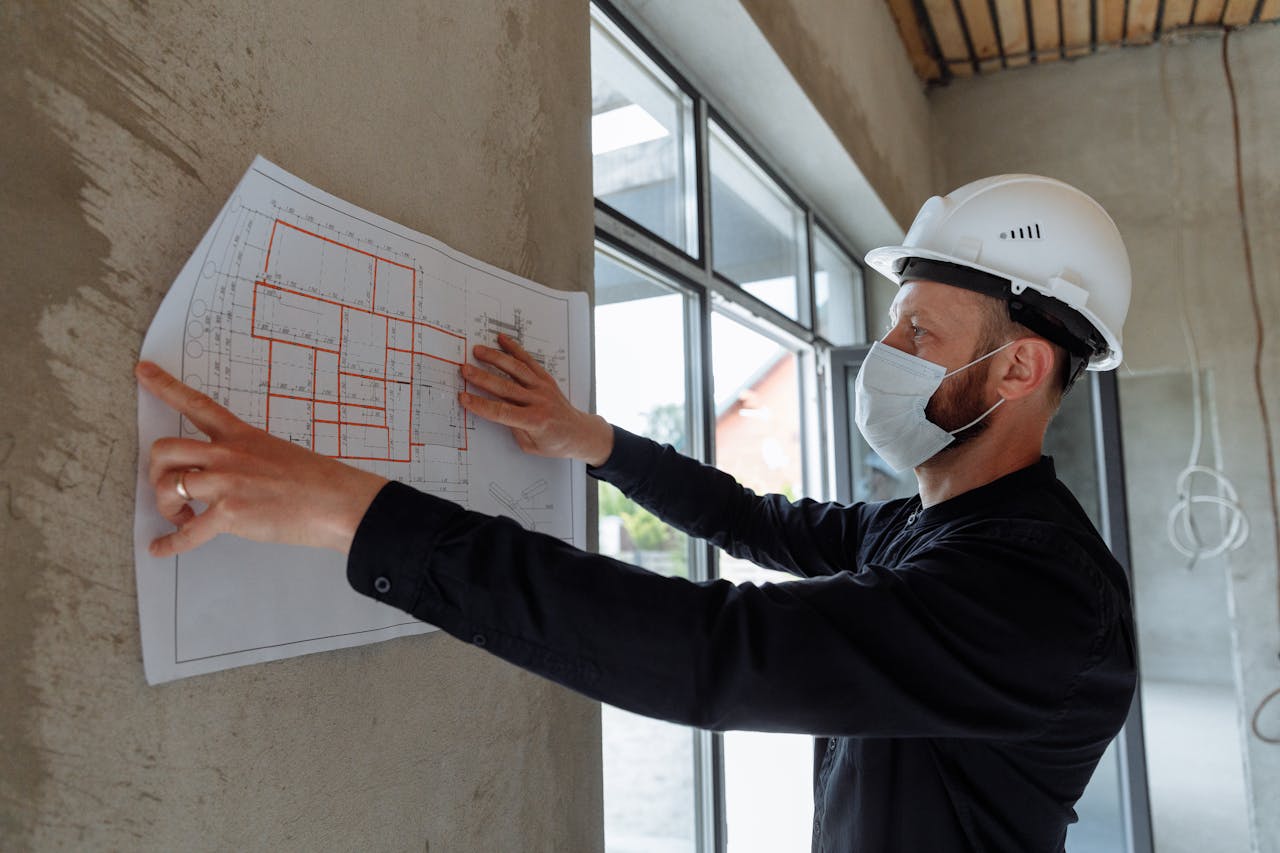
Office projects may require Title 24 documentation for new construction or applicable alterations.
Energy-related requirements may involve:
- Exterior walls and windows
- HVAC equipment
- Ventilation
- Interior lighting
- Lighting controls
- Water heating
- Other applicable electrical or mechanical features
An office tenant improvement can trigger energy requirements even when the exterior building remains largely unchanged.
The interior project may alter lighting, controls, HVAC, ventilation, or other regulated systems.
Retail Buildings and Stores Can Be Covered
Retail construction can involve Energy Code requirements for:
- Building-envelope components
- Storefront glazing
- Mechanical systems
- Ventilation
- Interior lighting
- Display lighting
- Lighting controls
- Exterior lighting when applicable
A retail tenant improvement should be evaluated according to the actual scope rather than assuming the existing building’s prior Title 24 documents cover the new work.
Restaurants Can Be Covered
Restaurant projects can involve several energy-related building systems.
Depending on the project, the compliance package may address:
- Building envelope
- HVAC systems
- Ventilation
- Water heating
- Lighting
- Lighting controls
- Applicable covered processes
- Other project-specific systems
Restaurant tenant improvements can be technically complex because architectural, mechanical, plumbing, electrical, and energy requirements often overlap.
Early coordination can help reduce conflicting project documents.
Warehouses Can Be Covered
Warehouse projects may also fall under nonresidential Energy Code requirements.
The exact scope can vary substantially depending on whether the building is:
- Conditioned
- Partially conditioned
- Unconditioned
- Used primarily for storage
- Combined with offices or other occupied areas
Even where some building-envelope or space-conditioning requirements differ, other regulated systems may still be relevant.
For example, lighting and other energy-related systems may require compliance depending on the project.
An unconditioned classification should therefore not automatically be treated as an exemption from every Energy Code provision.
Industrial Buildings Can Have Applicable Title 24 Requirements
Industrial projects can contain a mixture of:
- Office space
- Conditioned production space
- Warehousing
- Mechanical systems
- Lighting
- Process equipment
The Energy Code contains provisions for covered processes in addition to ordinary building systems.
That means industrial energy compliance can be highly project-specific.
The applicable scope should be determined from the actual building use and systems rather than from the word “industrial” alone.
Schools and Educational Buildings Can Be Subject to Energy Requirements
Educational facilities can involve nonresidential energy requirements related to their applicable building systems.
Depending on the project, these can involve:
- Building envelope
- Mechanical systems
- Ventilation
- Lighting
- Lighting controls
- Water heating
Certain specialized building types or project circumstances can have unique regulatory treatment, so educational projects should be reviewed according to their exact jurisdiction, project scope, and applicable code provisions.
Hotels and Motels Can Have Title 24 Requirements
Hotel and motel projects can involve extensive energy-compliance considerations because they combine sleeping accommodations with common areas and commercial building systems.
Applicable requirements may involve:
- Envelope performance
- Guest-room systems
- Mechanical equipment
- Ventilation
- Water heating
- Lighting
- Controls
- Common areas
The correct compliance approach depends on the actual building classification and project scope.
Commercial Tenant Improvements Can Be Covered Even When the Building Already Exists
A common misconception is that Title 24 applies only when the entire building is new.
Commercial tenant improvements can trigger requirements because they may alter regulated systems within an existing building.
Examples include:
- Office remodels
- Retail build-outs
- Restaurant improvements
- Medical office improvements
- Service-business spaces
- Warehouse office improvements
- Other commercial interior projects
The work may involve:
- New lighting
- Lighting controls
- Mechanical equipment
- Ventilation
- Water heating
- Storefront or envelope changes
The fact that the shell building is old does not automatically remove the new work from applicable Energy Code requirements.
Existing Buildings Are Covered When Applicable Additions or Alterations Are Made
Title 24 does not mean every existing California building must immediately be reconstructed to current standards.
Instead, requirements can apply when an existing building undergoes covered new construction.
This can include:
- Additions
- Alterations
- Replacement of regulated components
- Changes to building systems
- Conversions of space
The applicable provisions generally focus on the work being performed.
The exact requirements depend on the component, system, occupancy, and scope.
Changing the Occupancy or Use of a Space Can Affect Compliance
Changing how a building or portion of a building is used can affect which requirements apply.
For example, converting:
- A garage into living space
- A warehouse area into offices
- A commercial space into another occupancy
- Unconditioned space into conditioned space
can change the energy characteristics and regulatory treatment of the project.
The new use should be considered when determining the applicable compliance requirements.
Unconditioned Buildings Are Not Automatically Outside Title 24
Conditioned space receives considerable attention in energy calculations, but an unconditioned building should not automatically be assumed exempt from every requirement.
Depending on the project, regulated features may include:
- Lighting
- Outdoor lighting
- Sign lighting
- Electrical systems
- Covered processes
- Other applicable systems
The correct analysis depends on what is actually being constructed or altered.
Does Every Covered Building Need a Full Title 24 Energy Model?
No.
This is an important distinction.
A building can be subject to Energy Code requirements without requiring the same type of whole-building performance report used for another project.
Depending on the work, compliance may involve:
- Mandatory requirements
- Prescriptive compliance
- Performance-based compliance
- Alteration-specific forms
- Mechanical documentation
- Lighting documentation
- Installation forms
- Verification documents
- Acceptance-testing documents
A limited alteration should not automatically be treated like a completely new building.
Likewise, “no full energy model required” does not mean “no Title 24 requirements.”

Do All Repairs Trigger Title 24?
Not necessarily.
California distinguishes among new construction, additions, alterations, and repairs.
A true repair can be treated differently from an alteration.
However, simply calling work a “repair” does not automatically remove it from Energy Code requirements.
Replacing a regulated component can sometimes fall under alteration requirements.
Projects involving items such as:
- Windows
- Roofing
- HVAC equipment
- Ducts
- Water heating
- Lighting
should be evaluated according to the applicable scope before an exemption is assumed.
Are There Exceptions and Special Building Types?
Yes.
California’s Energy Code contains exceptions, special provisions, and different requirements for particular building types, occupancies, systems, and project scopes.
Not every section applies identically to every project.
Special circumstances can involve:
- Specific occupancy classifications
- Specialized facilities
- Certain repairs
- Particular alteration conditions
- Covered processes
- Unconditioned spaces
- Other code-defined exceptions
For that reason, a generalized list of building types should not be used as the sole basis for declaring that a project is either exempt or fully subject to every Energy Code provision.
The actual plans and scope should be reviewed.
Building Type Determines Which Compliance Manual and Requirements Apply
California provides separate compliance guidance for major building categories.
These include:
- Single-family residential
- Multifamily
- Nonresidential
The correct category affects:
- Applicable code sections
- Forms
- Prescriptive requirements
- Performance calculations
- Verification procedures
- Acceptance-testing requirements
Correct classification is therefore an important early step in preparing Title 24 documentation.
Climate Zone Also Matters After the Building Type Is Identified
California has 16 building climate zones.
Once the building and project scope are identified, climate zone can influence energy requirements involving areas such as:
- Envelope performance
- Windows
- Heating
- Cooling
- Roof characteristics
- Other climate-sensitive measures
The same building design can therefore have different energy considerations in different parts of California.
What Energy Features Are Reviewed in Covered Buildings?
Depending on the building and scope, AES may review:
- Conditioned floor area
- Building orientation
- Exterior wall assemblies
- Roof assemblies
- Ceiling assemblies
- Floor assemblies
- Insulation values
- Windows
- Exterior glazed doors
- Roof characteristics
- HVAC systems
- Duct locations
- Ventilation
- Water heating
- Residential lighting
- Commercial lighting
- Lighting controls
- Other applicable regulated systems
For more information about these factors, review Title 24 energy compliance.
What Plans Should You Send to Determine Coverage?
If you are unsure what requirements apply, provide AES with the current project information.
Helpful documents can include:
- Floor plans
- Existing and proposed plans
- Exterior elevations
- Building sections
- Roof plans
- Window schedules
- Insulation details
- HVAC information
- Duct information
- Ventilation information
- Water-heating specifications
- Commercial lighting plans
- Commercial lighting-control plans
- Existing Title 24 documentation
- Building-department correction comments
Not every project requires every document.
AES can review the available information and identify what else is needed.
Before submitting files, review what AES will need from you.
Why Early Building Classification Matters
Misunderstanding the building type or project scope can cause problems later.
Potential issues include:
- Using the wrong compliance forms
- Applying the wrong assumptions
- Leaving required systems out of the analysis
- Using residential assumptions for a nonresidential project
- Failing to identify an addition correctly
- Failing to distinguish existing and proposed construction
Early review helps the energy documentation reflect the actual project from the beginning.
Why the Report Must Match the Covered Building
A Title 24 report is project-specific.
It should not be copied from another building simply because the projects appear similar.
The report should reflect the actual:
- Address
- Building type
- Occupancy
- Project scope
- Floor area
- Envelope
- Windows
- Mechanical systems
- Water heating
- Lighting when applicable
Using energy documentation prepared for a different project can create discrepancies during plan review.
What Happens if the Building Type Changes During Design?
A major change in use or occupancy can affect the compliance approach.
Notify AES if a project changes from one use to another or if the scope changes significantly.
Provide:
- The revised plans
- The revised project description
- Updated mechanical information
- Updated lighting information when applicable
- Updated water-heating information
The existing calculations and forms can then be reviewed to determine what needs to change.
What if the Building Department Says Title 24 Is Required?
If a plan reviewer requests energy documentation, provide AES with:
- The complete correction notice
- The current plans
- The project description
- Any previously submitted energy forms
- Current equipment specifications
AES can review whether the project needs:
- A complete energy report
- Limited calculations
- Applicable prescriptive forms
- A revision to an existing report
- Clarification or plan coordination
The complete correction notice provides better context than one isolated comment.
What California Energy Code Is Currently Used?
For applicable permit applications filed on or after January 1, 2026, the 2025 California Building Energy Efficiency Standards are the current statewide Energy Code.
The current standards apply to residential and nonresidential newly constructed buildings, additions, and alterations according to the applicable provisions.
For official statewide information, review the California Energy Commission 2025 Building Energy Efficiency Standards.
Why Choose Alternative Energy Systems?
Alternative Energy Systems provides Title 24 energy calculations, compliance documentation, revisions, and plan-check support throughout California.
AES brings more than 30 years of California energy-compliance experience to:
- Single-family homes
- ADUs
- Garage conversions
- Additions
- Residential remodels
- Multifamily buildings
- Mixed-use projects
- Commercial buildings
- Office tenant improvements
- Retail projects
- Restaurant improvements
- Warehouse alterations
- HVAC projects
- Commercial lighting projects
- Plan-check corrections
AES reviews the actual building and project scope before determining what information is needed for the energy-compliance package.
Learn more through the About Us page or review company background on the clients page.
Find Out Whether Your Building Project Requires Title 24 Documentation
Call (626) 365-1518 | Alternative Energy Systems
Understanding What Buildings Are Covered Under Title 24 starts with two questions:
- What type of building is involved?
- What construction work is being performed?
California’s Energy Code broadly covers applicable residential and nonresidential newly constructed buildings, additions, and alterations.
However, the specific requirements can vary according to building classification, occupancy, climate zone, existing conditions, project scope, systems being changed, and the selected compliance method.
Alternative Energy Systems can review your project and help determine which energy-compliance service is appropriate.
Call (626) 365-1518 to:
- Describe the building type
- Explain the proposed construction
- Submit current plans
- Determine what project information is needed
- Request Title 24 calculations
- Request applicable compliance documentation
- Review an existing report
- Address energy-related plan-check corrections
You may also begin through the contact page.
When service and payment have already been arranged, payment can be completed through the AES payment page.
Frequently Asked Questions: What Buildings Are Covered Under Title 24?
What Buildings Are Covered Under Title 24?
California’s Energy Code applies broadly to residential and nonresidential newly constructed buildings, additions, and alterations. The specific requirements depend on building classification, project scope, systems involved, and applicable exceptions.
Are single-family homes covered?
Yes. Newly constructed single-family homes and applicable additions and alterations are subject to the relevant residential Energy Code requirements.
Are duplexes covered?
Duplexes can fall within the applicable single-family residential Energy Code category.
Are townhouses covered?
Townhouses can be subject to applicable single-family residential Energy Code requirements depending on the building configuration and project scope.
Are ADUs covered?
Yes. New detached ADUs, attached ADUs, garage conversions, and other ADU configurations can require applicable Title 24 energy compliance.
Are garage conversions covered?
Garage conversions can trigger Energy Code requirements because previously unconditioned space may become conditioned living space.
Are home additions covered?
Yes. Additions to existing residential buildings can be subject to applicable Energy Code requirements.
Are residential remodels covered?
They can be. Alterations affecting regulated components such as windows, insulation, roofing, HVAC, ducts, ventilation, water heating, or lighting can trigger applicable requirements.
Are apartment buildings covered?
Yes. California provides dedicated multifamily Energy Code requirements and compliance guidance.
Are multifamily renovations covered?
Applicable additions and alterations to multifamily buildings can be subject to Energy Code requirements.
Are mixed-use buildings covered?
Yes. Mixed-use projects can involve different requirements for residential and nonresidential portions of the building.
Are office buildings covered?
Yes. New office buildings and applicable office additions and alterations can be subject to nonresidential Energy Code requirements.
Are retail stores covered?
Yes. Retail buildings and tenant improvements can involve Title 24 requirements for envelope components, mechanical systems, lighting, controls, and other regulated systems.
Are restaurants covered?
Yes. Restaurant projects can involve nonresidential energy requirements for mechanical systems, ventilation, lighting, water heating, building envelope, and applicable covered processes.
Are warehouses covered?
Warehouses can be subject to applicable Energy Code provisions. Requirements depend on whether areas are conditioned, unconditioned, mixed with offices, and what systems are included.
Are industrial buildings covered?
Applicable industrial buildings can be subject to nonresidential Energy Code provisions, including requirements involving ordinary building systems and certain covered processes.
Are schools covered?
Educational buildings can be subject to applicable Energy Code requirements, although specialized facilities and project circumstances may have additional or different provisions.
Are hotels and motels covered?
Hotel and motel construction can be subject to applicable Energy Code requirements involving envelope, mechanical systems, ventilation, water heating, lighting, controls, and other regulated systems.
Are commercial tenant improvements covered?
Yes. A tenant improvement can trigger applicable requirements even though the overall building already exists.
Are existing buildings covered?
Existing buildings are not automatically required to be completely upgraded simply because a new Energy Code takes effect. Applicable requirements generally arise when covered additions, alterations, or other regulated work are performed.
Are unconditioned buildings exempt?
Not automatically. Some requirements may differ, but lighting, electrical systems, covered processes, or other regulated features can still be applicable depending on the project.
Does every covered building need a full energy model?
No. Some projects use prescriptive compliance or limited project-specific forms rather than a complete whole-building performance analysis.
Do minor repairs require a Title 24 report?
Not every repair does. California distinguishes repairs from alterations, but replacement of certain regulated components may trigger applicable alteration requirements.
Does changing a building’s use affect Title 24?
It can. A change in occupancy, use, or conditioned-space status can affect which Energy Code provisions apply.
Does every covered building use the same forms?
No. Forms and calculations differ among single-family, multifamily, nonresidential, new construction, additions, alterations, and specific building systems.
How do I find out what applies to my building?
Call Alternative Energy Systems at (626) 365-1518 and provide the building type, proposed work, and current plans for review.