Who Supports the Title 24 Standards?
Call (626) 365-1518 | Alternative Energy Systems
Who Supports the Title 24 Standards involves more than one California agency or profession. Title 24 is implemented through a network of state agencies, local building departments, energy professionals, architects, engineers, contractors, field-verification professionals, acceptance-testing professionals, utilities, training programs, and building owners.
Each participant has a different role.
The California Energy Commission develops and administers California’s Building Energy Efficiency Standards, commonly called the Energy Code or Title 24, Part 6.
The California Building Standards Commission oversees the broader California Building Standards Code, Title 24, including its development, adoption, approval, publication, and implementation processes.
Local building departments enforce applicable Title 24 requirements through plan review, permits, inspections, and correction procedures.
Energy consultants such as Alternative Energy Systems help translate the standards into project-specific calculations, compliance forms, specifications, and plan requirements.
Architects, engineers, designers, contractors, field-verification professionals, acceptance-testing professionals, product manufacturers, utilities, and property owners can also play important roles in successfully implementing the standards.
Alternative Energy Systems brings more than 30 years of California energy-compliance experience to residential, multifamily, mixed-use, and commercial permit projects.
Call (626) 365-1518 if you need help determining what Title 24 requirements apply to your project or need California energy-compliance documentation prepared.
Title 24 Is Supported Through an Entire Compliance System
It is useful to think of Title 24 as a system rather than one document controlled by one organization.
Different participants may be responsible for:
- Developing energy standards
- Adopting regulations
- Approving California building standards
- Publishing code requirements
- Providing technical guidance
- Training building-industry professionals
- Preparing energy calculations
- Preparing compliance forms
- Designing buildings and systems
- Reviewing permit applications
- Enforcing building requirements
- Installing regulated equipment and materials
- Performing applicable field verification
- Performing applicable acceptance testing
- Inspecting completed work
These roles are related, but they are not interchangeable.
For example, an energy consultant may prepare Title 24 calculations but does not replace the building department.
A building department enforces the applicable code but normally does not design the project.
A contractor installs building systems but does not automatically become the author of the energy calculations.
Understanding these distinctions can make the permit process much easier to manage.
The California Energy Commission Supports the Energy Code at the State Level
The California Energy Commission is the primary state agency associated with California’s Building Energy Efficiency Standards.
The Energy Code is contained primarily in Title 24, Part 6, with related administrative regulations in Part 1.
The California Energy Commission’s responsibilities include work involving:
- Development of Building Energy Efficiency Standards
- Energy Code rulemaking
- Compliance manuals
- Reference appendices
- Compliance resources
- Approved calculation methods and software processes
- Technical guidance
- Energy Code education
- Compliance and enforcement assistance
For applicable permit applications filed on or after January 1, 2026, the 2025 California Energy Code is the current statewide edition.
For current statewide information, review the California Energy Commission Building Energy Efficiency Standards.

What Does the California Energy Commission Do?
The California Energy Commission does more than publish a code book.
Its Energy Code program provides resources that help California’s building industry understand and apply the standards.
These can include:
- Published Energy Code requirements
- Residential compliance manuals
- Nonresidential compliance manuals
- Reference appendices
- Compliance forms
- Technical information
- Workshops
- Educational resources
- Energy Code support
These materials provide a common technical framework for consultants, architects, engineers, contractors, building officials, and other professionals involved in compliance.
The California Energy Commission Provides an Energy Code Support Center
California also provides technical support for questions involving the Energy Code.
The California Energy Commission maintains an Energy Code Support Center and Energy Code Hotline for questions involving Title 24, Part 6.
These resources can help users locate:
- Current Energy Code documents
- Compliance manuals
- Forms
- Educational resources
- Frequently asked questions
- Energy Code guidance
This support is particularly useful when someone needs clarification about the statewide Energy Code rather than a project-specific energy calculation.
A project-specific Title 24 report still requires the actual plans and building information to be evaluated.
The California Building Standards Commission Supports the Broader Title 24 System
Title 24 includes more than the Energy Code.
The California Building Standards Commission oversees development, adoption, approval, publication, and implementation of California’s broader Building Standards Code.
That larger code system includes multiple parts addressing different areas of building regulation.
The California Building Standards Commission helps provide the statewide framework within which Title 24 is:
- Developed
- Reviewed
- Approved
- Published
- Updated
- Implemented
The Energy Code therefore operates within a larger California building-standard system.
Title 24 Is Not Only the Energy Code
One common source of confusion is using “Title 24” as though it means only energy efficiency.
Title 24 is the California Building Standards Code and contains multiple parts.
The Building Energy Efficiency Standards are primarily contained in Part 6.
A construction project may therefore involve requirements relating to:
- Building design
- Structural systems
- Electrical systems
- Mechanical systems
- Plumbing systems
- Energy efficiency
- CALGreen
- Existing-building requirements
Alternative Energy Systems focuses on energy-compliance services rather than claiming responsibility for every part of Title 24.
For related background, review Title 24 vs. CALGreen.
Local Building Departments Enforce Title 24
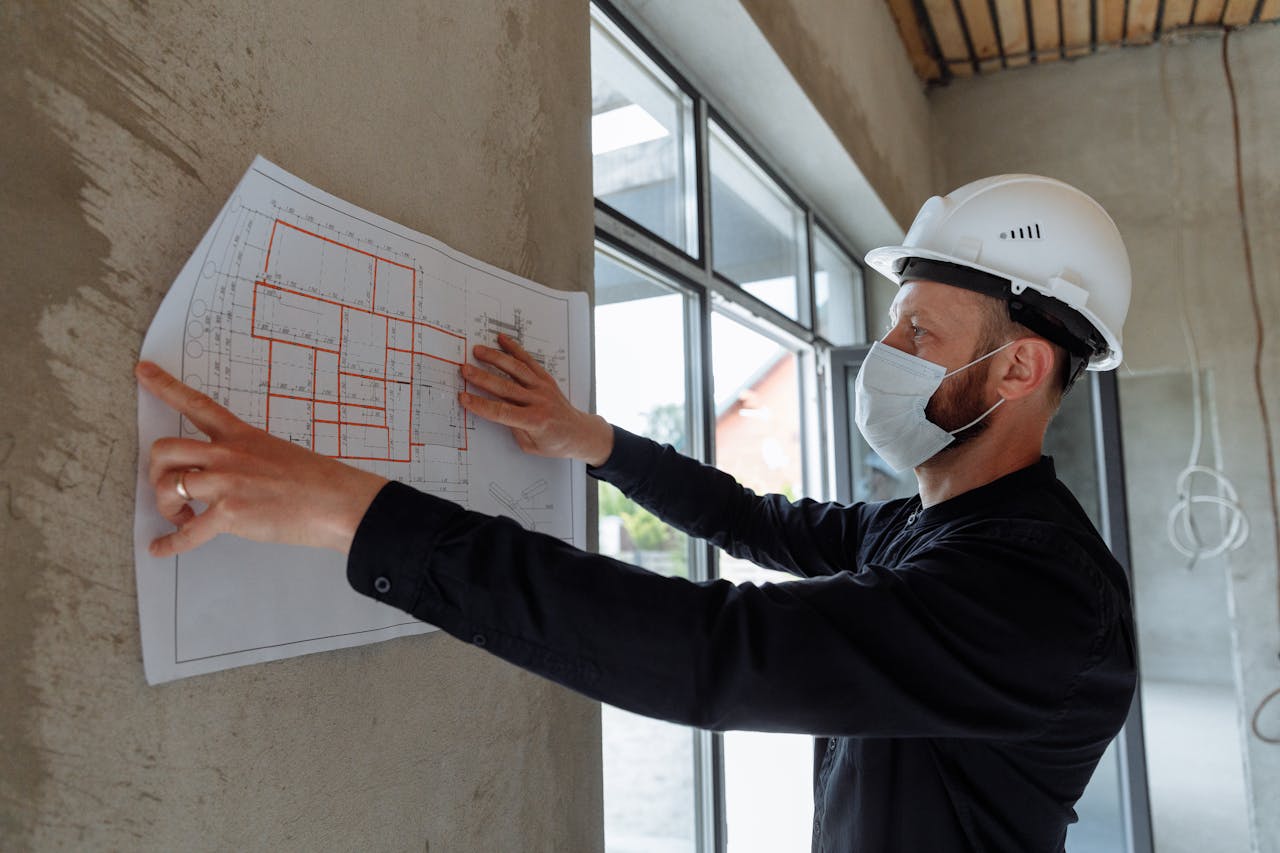
State agencies establish and administer California’s building standards, but local enforcement is generally handled by the city or county with jurisdiction over the project.
A local building department may:
- Review construction plans
- Review applicable Title 24 documentation
- Check required forms
- Review signatures
- Issue correction comments
- Approve permit documents
- Perform inspections
- Enforce applicable construction requirements
This is why a properly prepared Title 24 report does not itself issue a permit.
The report supports the permit application.
The building department controls its plan-review and permit process.
Why Local Building Departments Matter
California establishes statewide building standards, but every project still moves through a specific jurisdiction.
The local department is familiar with:
- Its permit procedures
- Submittal requirements
- Plan-review procedures
- Applicable local amendments
- Correction-response procedures
- Inspection requirements
When a plan reviewer requests a correction, the complete correction notice should be reviewed rather than assuming that the issue is automatically a problem with the energy calculations.
AES can help determine whether an energy-related correction requires revised calculations, forms, specifications, or plan coordination.
Can Cities and Counties Have Additional Energy Requirements?
California establishes statewide standards, but local jurisdictions can have additional requirements when legally authorized and properly adopted.
Certain local energy-related amendments may be more restrictive than the statewide minimum and must follow applicable state procedures.
This means a project team should not assume that experience in one California city automatically answers every administrative question in another jurisdiction.
The statewide Energy Code remains the starting point, but local project requirements should also be confirmed when applicable.
Energy Consultants Support Project-Specific Compliance
State standards must eventually be translated into an actual building project.
That is where energy-compliance professionals become important.
A Title 24 consultant may:
- Review architectural plans
- Review the project scope
- Identify missing energy-related information
- Review window schedules
- Review insulation assemblies
- Review HVAC information
- Review duct locations
- Review ventilation information
- Review water-heating specifications
- Review commercial lighting information
- Complete applicable energy calculations
- Prepare compliance documentation
- Coordinate the energy measures with the plans
The consultant helps turn statewide standards into project-specific requirements.
For more information, review the Title 24 consultants page.

What Role Does Alternative Energy Systems Play?
Alternative Energy Systems provides project-specific Title 24 energy-compliance support.
AES works with:
- Homeowners
- Contractors
- Architects
- Building designers
- Developers
- Property managers
- Commercial property owners
Projects can include:
- New residential construction
- New commercial construction
- ADUs
- Garage conversions
- Additions
- Remodels
- Multifamily improvements
- Commercial tenant improvements
- HVAC projects
- Commercial lighting work
- Plan-check corrections
- Energy-report revisions
AES reviews the actual project rather than treating Title 24 compliance as generic paperwork.
Learn more on the About Us page or review company background on the clients page.
Architects and Building Designers Support Title 24 Through Design Coordination
Energy calculations depend on the building design.
Architects and designers can support compliance by clearly documenting:
- Conditioned floor area
- Building geometry
- Exterior walls
- Roof assemblies
- Ceilings
- Floors
- Windows
- Exterior doors
- Insulation
- Other energy-related design information
If the architectural plans are incomplete or inconsistent, the energy consultant may not have enough information to finalize the calculations accurately.
Early coordination between the designer and energy consultant can reduce preventable corrections later.
Engineers Support Title 24 Through Building-System Design
Depending on the project, engineers may be responsible for systems that interact directly with Energy Code compliance.
That can include:
- Mechanical equipment
- HVAC system design
- Ventilation
- Electrical systems
- Lighting systems
- Other project-specific design work
The applicable engineer’s design should remain coordinated with the Title 24 documentation.
For example, if the energy report is prepared using one mechanical system but the final engineering drawings show another, the energy calculations may require review.
Contractors Support Title 24 During Construction
The approved energy documentation eventually has to be translated into actual construction.
Contractors can support successful compliance by following the approved plans and applicable energy requirements.
That may include installing the specified:
- Insulation
- Windows
- Roof assemblies
- HVAC equipment
- Duct systems
- Ventilation equipment
- Water-heating systems
- Lighting
- Lighting controls
Product substitutions should be reviewed when they change an energy-related characteristic represented in the report.
A contractor should not assume that any product with a similar size or general purpose is automatically equivalent for Title 24 purposes.

Product Manufacturers Support Compliance With Performance Information
Energy calculations depend on accurate product information.
Manufacturers can provide specifications involving:
- Window U-factor
- Solar heat gain coefficient
- HVAC efficiency
- Water-heating efficiency
- Lighting wattage
- Control characteristics
- Other product-performance data
This information can help designers, contractors, and consultants confirm whether proposed products correspond to the energy documentation.
A product name alone may not be enough.
The relevant performance characteristics should be confirmed.
Window Suppliers Can Play an Important Compliance Role
Window suppliers can support the project team by providing current performance information for the proposed products.
That can include:
- U-factor
- Solar heat gain coefficient
- Window dimensions
- Product identification
- Applicable glazing information
Providing this information before the energy report is finalized can reduce the risk that the final window order conflicts with the compliance documentation.
HVAC Suppliers and Mechanical Contractors Can Support Accurate Documentation
Mechanical-system information can affect both energy calculations and field-verification requirements.
Useful equipment data can include:
- System type
- Heating efficiency
- Cooling efficiency
- Heat-pump specifications
- Equipment model information
- Duct configuration
- Ventilation equipment
If equipment changes after the report is completed, AES should receive the new specifications before the substitution is assumed acceptable.
Field-Verification Professionals Support Compliance During Construction
Some projects include measures that require field verification or diagnostic testing.
These tasks are separate from preparation of the original energy report.
Depending on the project and applicable requirements, verification may involve measures related to:
- Duct systems
- Airflow
- Mechanical equipment
- Other performance-sensitive features
The applicable field-verification professional documents whether the required measure was actually installed and performed according to the applicable requirements.
The energy consultant’s report can identify verification requirements, but it does not replace the required field verification.
Acceptance-Testing Professionals Support Nonresidential Compliance
Certain nonresidential building systems can require acceptance testing.
Acceptance testing is intended to confirm that applicable installed systems or controls perform as required.
Depending on project scope, testing can involve areas such as:
- Lighting controls
- Mechanical systems
- Other regulated nonresidential systems
The professional responsible for preparing energy documentation is not automatically the same person who performs required acceptance testing.
These roles should remain separate when the Energy Code requires separate verification.

Utilities and Energy Code Ace Provide Education and Compliance Support
California’s building industry also has access to educational resources that help professionals understand and implement Energy Code requirements.
Energy Code Ace provides statewide:
- Training
- Tools
- Reference resources
- Compliance assistance
- Educational materials
Energy Code Ace is part of California’s Statewide Codes and Standards Program and is implemented by participating California utilities in support of the California Energy Commission.
Its role is educational and technical.
It does not replace the building department, project designer, energy consultant, contractor, or applicable verification professional.
Why Training Is Important to Title 24 Implementation
A written building code is useful only when professionals understand how to apply it.
Training can help:
- Architects understand energy-related design requirements
- Consultants understand compliance procedures
- Contractors understand installation requirements
- Building officials understand code changes
- Design teams understand new forms
- Industry professionals understand updated code cycles
This becomes especially important when California moves from one Energy Code edition to another.
Building Officials and Inspectors Connect the Plans to the Actual Construction
Plan review occurs before construction, but compliance does not stop when the permit is issued.
Inspectors may review installed work according to the approved plans and applicable code requirements.
Potential inspection issues can involve:
- Insulation installation
- Windows
- Mechanical equipment
- Duct systems
- Ventilation
- Water heating
- Lighting
- Controls
- Required compliance documentation
This is one reason the approved energy documentation should remain available to the contractor and project team during construction.
Property Owners Also Support Successful Title 24 Compliance
Owners have an important role even when they do not prepare technical documents themselves.
A property owner can support the process by:
- Providing current plans
- Providing complete project information
- Disclosing existing construction conditions
- Informing AES when the project changes
- Providing current product selections
- Coordinating architects and contractors
- Avoiding unreviewed product substitutions
- Keeping current project documents organized
An energy report based on incomplete or outdated information can create problems even when the calculations themselves were prepared correctly.
Developers and Property Managers Can Help Coordinate Larger Projects
Multifamily, mixed-use, and commercial projects can involve many participants.
A developer or property manager may need to coordinate:
- Architectural plans
- Mechanical engineering
- Electrical design
- Energy calculations
- Contractors
- Tenant requirements
- Building-department comments
Clear coordination helps prevent one design discipline from changing a system without the other project documents being updated.
How Does Everyone Work Together on a Residential Project?
A residential project might involve:
- The owner identifies the proposed construction
- The architect or designer prepares the plans
- AES reviews the energy-related project information
- The applicable calculations and compliance forms are prepared
- The designer coordinates the energy requirements with the plans
- The local building department reviews the permit package
- Corrections are addressed when necessary
- The contractor constructs the project according to the approved documents
- Applicable field verification is completed separately
- The building department performs required inspections
The process works best when each participant understands their own responsibility.
How Does Everyone Work Together on a Commercial Project?
Commercial projects may involve more disciplines.
Participants can include:
- Owner or tenant
- Architect
- Mechanical engineer
- Electrical designer
- Lighting designer
- Energy consultant
- General contractor
- Mechanical contractor
- Electrical contractor
- Acceptance-testing professionals
- Building officials
The energy documentation should represent the actual work shown across these disciplines.
For related professional services, review Title 24 compliance services and Title 24 energy analysis.
Who Is Responsible When the Report and Plans Do Not Match?
The answer depends on the source of the discrepancy.
For example:
- The energy report may contain outdated information
- The architect may have revised the drawings after the report was prepared
- The contractor may have proposed different equipment
- A supplier may have substituted another product
- The mechanical design may have changed
The important step is not immediately assigning blame.
The first step is identifying which document represents the current intended design.
Then the affected professionals can coordinate the necessary correction.
AES can review energy-related differences and determine whether calculations or forms need revision.
Who Answers General Title 24 Questions?
Different questions belong to different organizations.
For statewide Energy Code questions, the California Energy Commission provides Energy Code resources and technical support.
For questions about local enforcement, permits, plan review, or local amendments, the applicable building department is generally the appropriate starting point.
For project-specific energy calculations and compliance documentation, an energy consultant such as Alternative Energy Systems can review the actual plans.
For field verification or acceptance testing, the appropriate qualified professional should address the applicable requirement.
Choosing the correct source can prevent unnecessary confusion.
Who Decides Whether a Project Is Approved?
The energy consultant does not issue the building permit.
The applicable building department reviews the complete project and determines whether the permit documentation satisfies its requirements.
AES prepares and coordinates energy-related compliance documentation within its project scope.
A report can support the permit package, but no consultant should promise that one report automatically guarantees complete permit approval.
Who Supports Title 24 When the Building Department Issues Corrections?
When correction comments are issued, several people may need to respond.
Depending on the comment, assistance may come from:
- The energy consultant
- The architect
- The building designer
- The mechanical engineer
- The electrical designer
- The contractor
- The product supplier
Send AES the complete correction notice when a comment appears to affect the energy documentation.
Also provide:
- The current architectural plans
- The previously submitted Title 24 report
- Revised mechanical plans when applicable
- Revised electrical or lighting plans when applicable
- Updated product specifications
- A summary of design changes
AES can determine which portions of the energy documentation need attention.
Who Supports Title 24 When the Design Changes?
Design changes require communication among the project team.
Notify AES when changes involve:
- Conditioned floor area
- Building geometry
- Windows
- Exterior doors
- Insulation
- Roof construction
- HVAC equipment
- Duct locations
- Ventilation
- Water heating
- Commercial lighting
- Lighting controls
The architect, engineer, contractor, or another project participant may also need to update their documents.
Title 24 compliance works best when everyone is using the same current design.
Why the Title 24 Support System Matters
California’s Energy Code would be difficult to implement if the process ended with publication of a regulation.
Successful compliance requires a chain of responsibility:
- The state establishes the standards
- Technical resources explain them
- Consultants translate them into project-specific calculations
- Designers integrate the requirements into the plans
- Building departments review the documentation
- Contractors install the required systems and materials
- Qualified professionals perform required testing or verification
- Inspectors confirm applicable construction requirements
Each role supports a different stage of the process.
Why Choose Alternative Energy Systems?
Alternative Energy Systems helps connect California’s statewide energy requirements with the actual project being designed and permitted.
AES provides professional support for:
- Residential Title 24 calculations
- Commercial Title 24 calculations
- New construction
- ADUs and garage conversions
- Additions and remodels
- Multifamily projects
- Commercial tenant improvements
- HVAC projects
- Commercial lighting projects
- Plan-check corrections
- Report revisions
AES brings more than 30 years of California energy-compliance experience and prepares documentation according to the actual plans, systems, and project scope.
Before submitting documents, review what AES will need from you.
Get Professional Support for Your Title 24 Project
Call (626) 365-1518 | Alternative Energy Systems
Understanding Who Supports the Title 24 Standards means understanding that California energy compliance involves several organizations and professions working at different stages.
The California Energy Commission develops and administers the Energy Code.
The California Building Standards Commission oversees the broader Title 24 building-code framework.
Local building departments enforce applicable requirements.
Energy consultants prepare project-specific calculations and forms.
Architects and engineers coordinate the design.
Contractors install the building components and systems.
Field-verification and acceptance-testing professionals complete applicable testing.
Educational programs help the industry understand changing requirements.
Alternative Energy Systems can help with the project-specific energy-compliance portion of that process.
Call (626) 365-1518 to:
- Discuss your project
- Submit current plans
- Request Title 24 calculations
- Request compliance documentation
- Review an existing report
- Coordinate energy requirements with revised plans
- Address energy-related plan-check corrections
You may also begin through the contact page.
When service and payment have already been arranged, payment can be completed through the AES payment page.
- Phone: (626) 365-1518
- Email: info@title24energy.com
- Payment: AES Payment
Frequently Asked Questions: Who Supports the Title 24 Standards?
Who Supports the Title 24 Standards?
California’s Title 24 energy-compliance system is supported through the work of the California Energy Commission, California Building Standards Commission, local building departments, consultants, designers, engineers, contractors, verification professionals, training programs, and other project participants.
Who develops California’s Energy Code?
The California Energy Commission develops and adopts the Building Energy Efficiency Standards contained primarily in Title 24, Part 6.
What does the California Building Standards Commission do?
The California Building Standards Commission oversees development, adoption, approval, publication, and implementation of California’s broader Building Standards Code.
Who enforces Title 24?
Local government building or planning departments generally handle enforcement for projects within their jurisdictions, subject to certain specialized state-agency exceptions.
Does the California Energy Commission review my individual building permit?
Ordinary local building permits are generally reviewed through the applicable local jurisdiction. The California Energy Commission provides statewide Energy Code standards and support.
Does the California Energy Commission provide Title 24 help?
Yes. The Commission provides an Energy Code Support Center and Energy Code Hotline for Energy Code questions and resources.
Who prepares Title 24 calculations?
An energy-compliance professional can review project plans, perform the applicable analysis, and prepare compliance documentation.
What does a Title 24 consultant do?
A consultant can review the project scope, plans, windows, insulation, HVAC, ventilation, water heating, lighting, and other applicable information and prepare the associated energy-compliance documentation.
Do architects support Title 24 compliance?
Architects and building designers can support compliance by incorporating applicable energy measures into the project drawings and coordinating changes with the energy documentation.
Do engineers support Title 24 compliance?
Yes. Mechanical, electrical, and other applicable engineers can design systems that interact with the project’s energy requirements.
Do contractors support Title 24 compliance?
Yes. Contractors are responsible for constructing and installing work according to the applicable approved plans, specifications, and requirements within their scope.
Do product manufacturers support compliance?
Manufacturers provide performance specifications for windows, HVAC equipment, water heating, lighting, controls, and other products used in energy calculations and construction.
Who performs required field verification?
When field verification is required, the appropriate qualified verification professional completes the applicable testing and documentation.
Who performs commercial acceptance testing?
When acceptance testing is required, the applicable qualified acceptance-testing professional completes the required testing for the regulated system.
What is Energy Code Ace?
Energy Code Ace provides training, tools, and resources intended to help California building-industry participants understand and comply with Title 24, Part 6.
Do California utilities support Energy Code education?
Yes. California’s Statewide Codes and Standards Program uses utility-supported resources, including Energy Code Ace, to provide education, tools, and outreach for Energy Code compliance.
Who answers local permit questions?
The applicable city or county building or planning department is generally the best starting point for questions about local enforcement, permits, and local amendments.
Can local jurisdictions have requirements beyond the statewide standards?
Certain locally adopted amendments can be more restrictive when authorized and adopted through the applicable legal procedures.
Who approves my Title 24 report?
The energy documentation becomes part of the permit package reviewed by the authority having jurisdiction. The consultant does not issue the building permit.
Who handles Title 24 plan-check corrections?
The responsible professional depends on the correction. Energy-related calculations may require the energy consultant, while architectural, mechanical, electrical, or other comments may require the corresponding project professional.
Who should I contact if my plans changed after the report was completed?
Send the revised plans and changed specifications to AES so the energy documentation can be reviewed.
Can AES coordinate with my architect or contractor?
AES can review energy-related project information and help identify the calculations, specifications, and plan information that need to remain coordinated within the agreed service scope.
Does AES enforce Title 24?
No. Alternative Energy Systems provides energy-compliance consulting and documentation. Code enforcement is handled by the applicable authority having jurisdiction.
How do I get Title 24 support for my project?
Call Alternative Energy Systems at (626) 365-1518 and provide the current plans and project information for review.
SEO Keyword: Who Supports the Title 24 Standards
Suggested URL Slug: who-supports-the-title-24-standards
Yoast SEO Title: Who Supports the Title 24 Standards? | AES
Yoast Meta Description: Who Supports the Title 24 Standards? Learn the roles of the CEC, building departments, consultants, contractors and other professionals.