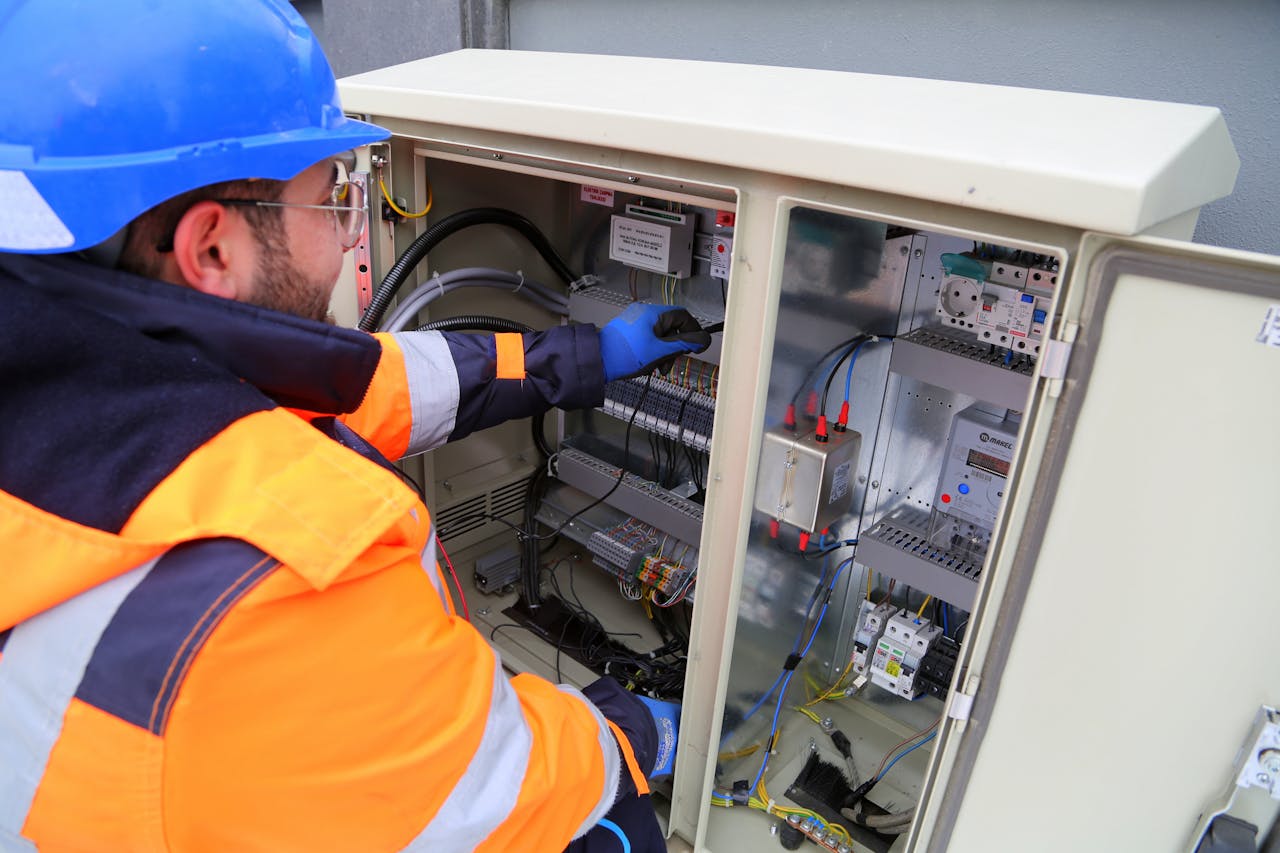
Title 24 Consultant Near Dublin CA

Title 24 Consultant Near Dublin CA

Title 24 Consultant Near Dublin CA — Permit-Ready Energy Compliance You Can Trust

If you’re online searching for a reliable Title 24 Consultant Near Dublin CA, you likely have a project moving toward permit submission and need accurate, city-ready energy documentation. Whether you’re building a custom home, designing an ADU, planning a commercial tenant improvement, or replacing an HVAC system, Title 24 compliance is a required part of the permit process throughout California.

Energy compliance is not just a formality. Your documentation must match your architectural and mechanical plans precisely. Window values, insulation levels, HVAC efficiencies, duct locations, water heating systems, and lighting controls must all align with the energy model. Even small discrepancies can trigger plan-check corrections. That’s why working with an experienced consultant matters.

If you need a responsive and knowledgeable Title 24 Consultant Near Dublin CA, call (626) 365-1518 to get started today or leave us a message online.

What Does a California Title 24 Consultant Do?

A Title 24 Consultant Near Dublin CA prepares the required energy compliance documentation under California’s Building Energy Efficiency Standards (Title 24, Part 6). This includes reviewing plans, selecting the appropriate compliance method, performing energy modeling when necessary, and generating permit-ready compliance forms.

Key responsibilities typically include:

  • Reviewing architectural drawings for building geometry and envelope details
  • Confirming window U-factor and SHGC performance values
  • Entering insulation R-values and assembly types
  • Inputting HVAC system efficiency ratings and duct location
  • Modeling energy performance using CEC-approved software
  • Preparing and delivering compliance documentation for permit submission

The goal is to ensure your project passes plan check smoothly and avoids unnecessary delays.

Projects That Require Title 24 Compliance

A qualified Title 24 Consultant Near Dublin CA will support a wide range of residential and commercial projects, including:

Residential:

  • New single-family homes
  • Accessory Dwelling Units (ADUs)
  • Duplexes and triplexes
  • Room additions
  • Major remodels
  • HVAC changeouts

Commercial:

  • Tenant improvements
  • Office buildings
  • Retail spaces
  • Restaurants and food-service build-outs
  • Warehouses and light industrial facilities
  • Mixed-use developments

If your permit involves changes to insulation, windows, HVAC systems, lighting, or water heating, energy compliance is likely required.

California energy compliance consultant near me

Prescriptive vs Performance Compliance

Hiring an experienced Title 24 Consultant Near Dublin CA will help determine whether your project should follow the prescriptive pathway or the performance pathway.

  • Prescriptive Method: Each component must meet minimum efficiency standards set by code.
  • Performance Method: Whole-building energy modeling allows trade-offs between systems to achieve overall compliance.

For simple projects, prescriptive compliance may be straightforward. For custom designs, large glazing areas, or upgraded systems, performance modeling often provides greater flexibility.

Choosing the right company early can prevent costly redesigns later.

Why Local Knowledge Still Matters

Although Title 24 is a statewide standard, building departments in different cities may have specific review procedures or documentation preferences. Working with a Title 24 Consultant Near Dublin CA ensures familiarity with:

  • Common correction triggers
  • Preferred documentation formats
  • Typical plan-check timelines
  • Inspection coordination expectations

This understanding can streamline the approval process.
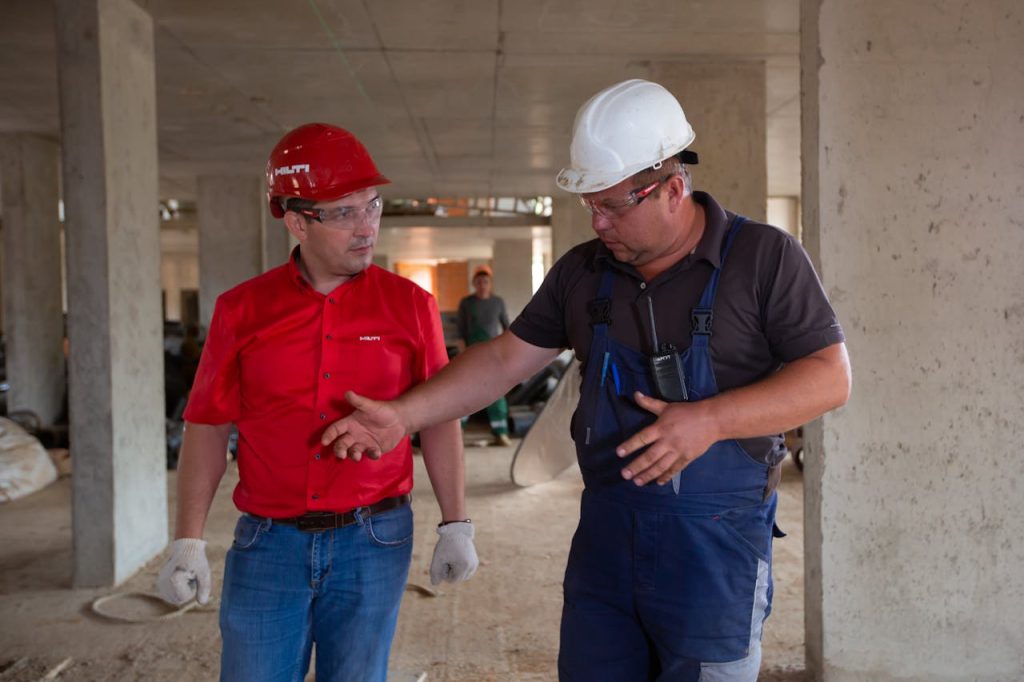
Permit ready Title 24 consultant California

Common Reasons Title 24 Reports Get Rejected

Even experienced design teams can encounter compliance issues. Hiring a strong Title 24 Consultant Near Dublin CA helps prevent:

  • Mismatched window specifications between plans and compliance forms
  • Incorrect HVAC efficiency entries
  • Outdated code cycle documentation
  • Failure to update reports after plan revisions
  • Missing required certificates

Coordination between documentation and plans is critical for passing plan check.

HERS Verification and Inspections

Depending on project scope, a Title 24 Consultant Near Dublin CA may coordinate with HERS raters for required field verification. This can include:

  • Duct leakage testing
  • Airflow verification
  • Refrigerant charge confirmation
  • Quality insulation installation verification

Accurate modeling ensures that what is installed matches what was documented, reducing inspection failures.

Statewide Service, Local Support

Even if you’re searching for a California Title 24 consultant near me, digital plan submission allows efficient service statewide. We regularly prepare permit-ready documentation for cities across:

  • Los Angeles County
  • Orange County
  • San Diego County
  • Riverside and San Bernardino Counties
  • Bay Area jurisdictions
  • Central Valley cities

Because compliance requirements are governed by statewide standards, we can support projects wherever they are located in California.

We’re Ready To Take Your Call

If you need a reliable Title 24 Consultant Near Dublin CA, don’t risk permit delays due to incomplete or mismatched documentation. Accurate energy modeling, coordinated compliance forms, and responsive support help your project move smoothly from design to approval.

Call (626) 365-1518, upload your plans through our contact page, or email info@title24energy.com with “California Title 24 Consultant” in the subject line.


Frequently Asked Questions About Title 24 Consultant Near Dublin CA

1. Is Title 24 required throughout California?

Yes, Title 24 energy compliance is enforced statewide.

2. Can I submit my permit without a Title 24 report?

Most projects requiring permits must include energy compliance documentation.

3. Does an ADU require Title 24 compliance?

Yes, most ADUs require compliance documentation.

4. What documents are needed to begin?

Architectural plans, window schedules, insulation details, and HVAC specifications.

5. How long does it take to prepare a report?

Turnaround depends on project size and complexity.

6. Can you revise a rejected report?

Yes, plan-check corrections and resubmissions are supported.

7. Is performance modeling always required?

No, it depends on project scope and design complexity.

8. Are HVAC replacements subject to Title 24?

Often yes, especially when duct systems are involved.

9. What is HERS testing?

HERS verification involves third-party field testing for certain systems.

10. Can compliance be completed remotely?

Yes, plans can be reviewed digitally statewide.

11. Do additions require compliance?

Most additions trigger partial energy compliance requirements.

12. Does glazing area affect results?

Yes, window area significantly impacts energy performance calculations.

13. Are commercial projects different?

Yes, commercial buildings follow nonresidential compliance pathways.

14. What happens if plans change after submission?

Documentation should be updated to match revised plans.

15. Can documentation errors delay permits?

Yes, mismatches frequently trigger correction notices.

16. Are solar panels required?

Many new residential projects include photovoltaic requirements.

17. Does insulation quality matter?

Yes, installation quality impacts inspection approval.

18. Are compliance forms submitted with the permit package?

Yes, required certificates are included in the submittal.

19. Can you coordinate with contractors?

Yes, coordination ensures installed systems match documentation.

20. How do I hire a Title 24 Consultant Near Dublin CA?

Call (626) 365-1518 or message us through our contact page to begin.

Title 24 Consultant Near Berkeley CA

Title 24 Consultant Near Berkeley CA

Title 24 Consultant Near Berkeley CA — Permit-Ready Energy Compliance You Can Trust

If you’re online searching for a reliable Title 24 Consultant Near Berkeley CA, you likely have a project moving toward permit submission and need accurate, city-ready energy documentation. Whether you’re building a custom home, designing an ADU, planning a commercial tenant improvement, or replacing an HVAC system, Title 24 compliance is a required part of the permit process throughout California.

Energy compliance is not just a formality. Your documentation must match your architectural and mechanical plans precisely. Window values, insulation levels, HVAC efficiencies, duct locations, water heating systems, and lighting controls must all align with the energy model. Even small discrepancies can trigger plan-check corrections. That’s why working with an experienced consultant matters.

If you need a responsive and knowledgeable Title 24 Consultant Near Berkeley CA, call (626) 365-1518 to get started today or leave us a message online.

What Does a California Title 24 Consultant Do?

A Title 24 Consultant Near Berkeley CA prepares the required energy compliance documentation under California’s Building Energy Efficiency Standards (Title 24, Part 6). This includes reviewing plans, selecting the appropriate compliance method, performing energy modeling when necessary, and generating permit-ready compliance forms.

Key responsibilities typically include:

  • Reviewing architectural drawings for building geometry and envelope details
  • Confirming window U-factor and SHGC performance values
  • Entering insulation R-values and assembly types
  • Inputting HVAC system efficiency ratings and duct location
  • Modeling energy performance using CEC-approved software
  • Preparing and delivering compliance documentation for permit submission

The goal is to ensure your project passes plan check smoothly and avoids unnecessary delays.

Projects That Require Title 24 Compliance

A qualified Title 24 Consultant Near Berkeley CA will support a wide range of residential and commercial projects, including:

Residential:

  • New single-family homes
  • Accessory Dwelling Units (ADUs)
  • Duplexes and triplexes
  • Room additions
  • Major remodels
  • HVAC changeouts

Commercial:

  • Tenant improvements
  • Office buildings
  • Retail spaces
  • Restaurants and food-service build-outs
  • Warehouses and light industrial facilities
  • Mixed-use developments

If your permit involves changes to insulation, windows, HVAC systems, lighting, or water heating, energy compliance is likely required.

California energy compliance consultant near me

Prescriptive vs Performance Compliance

Hiring an experienced Title 24 Consultant Near Berkeley CA will help determine whether your project should follow the prescriptive pathway or the performance pathway.

  • Prescriptive Method: Each component must meet minimum efficiency standards set by code.
  • Performance Method: Whole-building energy modeling allows trade-offs between systems to achieve overall compliance.

For simple projects, prescriptive compliance may be straightforward. For custom designs, large glazing areas, or upgraded systems, performance modeling often provides greater flexibility.

Choosing the right company early can prevent costly redesigns later.

Why Local Knowledge Still Matters

Although Title 24 is a statewide standard, building departments in different cities may have specific review procedures or documentation preferences. Working with a Title 24 Consultant Near Berkeley CA ensures familiarity with:

  • Common correction triggers
  • Preferred documentation formats
  • Typical plan-check timelines
  • Inspection coordination expectations

This understanding can streamline the approval process.

Permit ready Title 24 consultant California

Common Reasons Title 24 Reports Get Rejected

Even experienced design teams can encounter compliance issues. Hiring a strong Title 24 Consultant Near Berkeley CA helps prevent:

  • Mismatched window specifications between plans and compliance forms
  • Incorrect HVAC efficiency entries
  • Outdated code cycle documentation
  • Failure to update reports after plan revisions
  • Missing required certificates

Coordination between documentation and plans is critical for passing plan check.

HERS Verification and Inspections

Depending on project scope, a Title 24 Consultant Near Berkeley CA may coordinate with HERS raters for required field verification. This can include:

  • Duct leakage testing
  • Airflow verification
  • Refrigerant charge confirmation
  • Quality insulation installation verification

Accurate modeling ensures that what is installed matches what was documented, reducing inspection failures.

Statewide Service, Local Support

Even if you’re searching for a California Title 24 consultant near me, digital plan submission allows efficient service statewide. We regularly prepare permit-ready documentation for cities across:

  • Los Angeles County
  • Orange County
  • San Diego County
  • Riverside and San Bernardino Counties
  • Bay Area jurisdictions
  • Central Valley cities

Because compliance requirements are governed by statewide standards, we can support projects wherever they are located in California.

We’re Ready To Take Your Call

If you need a reliable Title 24 Consultant Near Berkeley CA, don’t risk permit delays due to incomplete or mismatched documentation. Accurate energy modeling, coordinated compliance forms, and responsive support help your project move smoothly from design to approval.

Call (626) 365-1518, upload your plans through our contact page, or email info@title24energy.com with “California Title 24 Consultant” in the subject line.


Frequently Asked Questions About Title 24 Consultant Near Berkeley CA

1. Is Title 24 required throughout California?

Yes, Title 24 energy compliance is enforced statewide.

2. Can I submit my permit without a Title 24 report?

Most projects requiring permits must include energy compliance documentation.

3. Does an ADU require Title 24 compliance?

Yes, most ADUs require compliance documentation.

4. What documents are needed to begin?

Architectural plans, window schedules, insulation details, and HVAC specifications.

5. How long does it take to prepare a report?

Turnaround depends on project size and complexity.

6. Can you revise a rejected report?

Yes, plan-check corrections and resubmissions are supported.

7. Is performance modeling always required?

No, it depends on project scope and design complexity.

8. Are HVAC replacements subject to Title 24?

Often yes, especially when duct systems are involved.

9. What is HERS testing?

HERS verification involves third-party field testing for certain systems.

10. Can compliance be completed remotely?

Yes, plans can be reviewed digitally statewide.

11. Do additions require compliance?

Most additions trigger partial energy compliance requirements.

12. Does glazing area affect results?

Yes, window area significantly impacts energy performance calculations.

13. Are commercial projects different?

Yes, commercial buildings follow nonresidential compliance pathways.

14. What happens if plans change after submission?

Documentation should be updated to match revised plans.

15. Can documentation errors delay permits?

Yes, mismatches frequently trigger correction notices.

16. Are solar panels required?

Many new residential projects include photovoltaic requirements.

17. Does insulation quality matter?

Yes, installation quality impacts inspection approval.

18. Are compliance forms submitted with the permit package?

Yes, required certificates are included in the submittal.

19. Can you coordinate with contractors?

Yes, coordination ensures installed systems match documentation.

20. How do I hire a Title 24 Consultant Near Berkeley CA?

Call (626) 365-1518 or message us through our contact page to begin.

Title 24 Consultant Near Albany CA

Title 24 Consultant Near Albany CA

Title 24 Consultant Near Albany CA — Permit-Ready Energy Compliance You Can Trust

If you’re online searching for a reliable Title 24 Consultant Near Albany CA, you likely have a project moving toward permit submission and need accurate, city-ready energy documentation. Whether you’re building a custom home, designing an ADU, planning a commercial tenant improvement, or replacing an HVAC system, Title 24 compliance is a required part of the permit process throughout California.

Energy compliance is not just a formality. Your documentation must match your architectural and mechanical plans precisely. Window values, insulation levels, HVAC efficiencies, duct locations, water heating systems, and lighting controls must all align with the energy model. Even small discrepancies can trigger plan-check corrections. That’s why working with an experienced consultant matters.

If you need a responsive and knowledgeable Title 24 Consultant Near Albany CA, call (626) 365-1518 to get started today or leave us a message online.

What Does a California Title 24 Consultant Do?

A Title 24 Consultant Near Albany CA prepares the required energy compliance documentation under California’s Building Energy Efficiency Standards (Title 24, Part 6). This includes reviewing plans, selecting the appropriate compliance method, performing energy modeling when necessary, and generating permit-ready compliance forms.

Key responsibilities typically include:

  • Reviewing architectural drawings for building geometry and envelope details
  • Confirming window U-factor and SHGC performance values
  • Entering insulation R-values and assembly types
  • Inputting HVAC system efficiency ratings and duct location
  • Modeling energy performance using CEC-approved software
  • Preparing and delivering compliance documentation for permit submission

The goal is to ensure your project passes plan check smoothly and avoids unnecessary delays.

Projects That Require Title 24 Compliance

A qualified Title 24 Consultant Near Albany CA will support a wide range of residential and commercial projects, including:

Residential:

  • New single-family homes
  • Accessory Dwelling Units (ADUs)
  • Duplexes and triplexes
  • Room additions
  • Major remodels
  • HVAC changeouts

Commercial:

  • Tenant improvements
  • Office buildings
  • Retail spaces
  • Restaurants and food-service build-outs
  • Warehouses and light industrial facilities
  • Mixed-use developments

If your permit involves changes to insulation, windows, HVAC systems, lighting, or water heating, energy compliance is likely required.

California energy compliance consultant near me

Prescriptive vs Performance Compliance

Hiring an experienced Title 24 Consultant Near Albany CA will help determine whether your project should follow the prescriptive pathway or the performance pathway.

  • Prescriptive Method: Each component must meet minimum efficiency standards set by code.
  • Performance Method: Whole-building energy modeling allows trade-offs between systems to achieve overall compliance.

For simple projects, prescriptive compliance may be straightforward. For custom designs, large glazing areas, or upgraded systems, performance modeling often provides greater flexibility.

Choosing the right company early can prevent costly redesigns later.

Why Local Knowledge Still Matters

Although Title 24 is a statewide standard, building departments in different cities may have specific review procedures or documentation preferences. Working with a Title 24 Consultant Near Albany CA ensures familiarity with:

  • Common correction triggers
  • Preferred documentation formats
  • Typical plan-check timelines
  • Inspection coordination expectations

This understanding can streamline the approval process.

Permit ready Title 24 consultant California

Common Reasons Title 24 Reports Get Rejected

Even experienced design teams can encounter compliance issues. Hiring a strong Title 24 Consultant Near Albany CA helps prevent:

  • Mismatched window specifications between plans and compliance forms
  • Incorrect HVAC efficiency entries
  • Outdated code cycle documentation
  • Failure to update reports after plan revisions
  • Missing required certificates

Coordination between documentation and plans is critical for passing plan check.

HERS Verification and Inspections

Depending on project scope, a Title 24 Consultant Near Albany CA may coordinate with HERS raters for required field verification. This can include:

  • Duct leakage testing
  • Airflow verification
  • Refrigerant charge confirmation
  • Quality insulation installation verification

Accurate modeling ensures that what is installed matches what was documented, reducing inspection failures.

Statewide Service, Local Support

Even if you’re searching for a California Title 24 consultant near me, digital plan submission allows efficient service statewide. We regularly prepare permit-ready documentation for cities across:

  • Los Angeles County
  • Orange County
  • San Diego County
  • Riverside and San Bernardino Counties
  • Bay Area jurisdictions
  • Central Valley cities

Because compliance requirements are governed by statewide standards, we can support projects wherever they are located in California.

We’re Ready To Take Your Call

If you need a reliable Title 24 Consultant Near Albany CA, don’t risk permit delays due to incomplete or mismatched documentation. Accurate energy modeling, coordinated compliance forms, and responsive support help your project move smoothly from design to approval.

Call (626) 365-1518, upload your plans through our contact page, or email info@title24energy.com with “California Title 24 Consultant” in the subject line.


Frequently Asked Questions About Title 24 Consultant Near Albany CA

1. Is Title 24 required throughout California?

Yes, Title 24 energy compliance is enforced statewide.

2. Can I submit my permit without a Title 24 report?

Most projects requiring permits must include energy compliance documentation.

3. Does an ADU require Title 24 compliance?

Yes, most ADUs require compliance documentation.

4. What documents are needed to begin?

Architectural plans, window schedules, insulation details, and HVAC specifications.

5. How long does it take to prepare a report?

Turnaround depends on project size and complexity.

6. Can you revise a rejected report?

Yes, plan-check corrections and resubmissions are supported.

7. Is performance modeling always required?

No, it depends on project scope and design complexity.

8. Are HVAC replacements subject to Title 24?

Often yes, especially when duct systems are involved.

9. What is HERS testing?

HERS verification involves third-party field testing for certain systems.

10. Can compliance be completed remotely?

Yes, plans can be reviewed digitally statewide.

11. Do additions require compliance?

Most additions trigger partial energy compliance requirements.

12. Does glazing area affect results?

Yes, window area significantly impacts energy performance calculations.

13. Are commercial projects different?

Yes, commercial buildings follow nonresidential compliance pathways.

14. What happens if plans change after submission?

Documentation should be updated to match revised plans.

15. Can documentation errors delay permits?

Yes, mismatches frequently trigger correction notices.

16. Are solar panels required?

Many new residential projects include photovoltaic requirements.

17. Does insulation quality matter?

Yes, installation quality impacts inspection approval.

18. Are compliance forms submitted with the permit package?

Yes, required certificates are included in the submittal.

19. Can you coordinate with contractors?

Yes, coordination ensures installed systems match documentation.

20. How do I hire a Title 24 Consultant Near Albany CA?

Call (626) 365-1518 or message us through our contact page to begin.

Title 24 Consultant Near Alameda CA

Title 24 Consultant Near Alameda CA

Title 24 Consultant Near Alameda CA — Permit-Ready Energy Compliance You Can Trust

If you’re online searching for a reliable Title 24 Consultant Near Alameda CA, you likely have a project moving toward permit submission and need accurate, city-ready energy documentation. Whether you’re building a custom home, designing an ADU, planning a commercial tenant improvement, or replacing an HVAC system, Title 24 compliance is a required part of the permit process throughout California.

Energy compliance is not just a formality. Your documentation must match your architectural and mechanical plans precisely. Window values, insulation levels, HVAC efficiencies, duct locations, water heating systems, and lighting controls must all align with the energy model. Even small discrepancies can trigger plan-check corrections. That’s why working with an experienced consultant matters.

If you need a responsive and knowledgeable Title 24 Consultant Near Alameda CA, call (626) 365-1518 to get started today or leave us a message online.

What Does a California Title 24 Consultant Do?

A Title 24 Consultant Near Alameda CA prepares the required energy compliance documentation under California’s Building Energy Efficiency Standards (Title 24, Part 6). This includes reviewing plans, selecting the appropriate compliance method, performing energy modeling when necessary, and generating permit-ready compliance forms.

Key responsibilities typically include:

  • Reviewing architectural drawings for building geometry and envelope details
  • Confirming window U-factor and SHGC performance values
  • Entering insulation R-values and assembly types
  • Inputting HVAC system efficiency ratings and duct location
  • Modeling energy performance using CEC-approved software
  • Preparing and delivering compliance documentation for permit submission

The goal is to ensure your project passes plan check smoothly and avoids unnecessary delays.

Projects That Require Title 24 Compliance

A qualified Title 24 Consultant Near Alameda CA will support a wide range of residential and commercial projects, including:

Residential:

  • New single-family homes
  • Accessory Dwelling Units (ADUs)
  • Duplexes and triplexes
  • Room additions
  • Major remodels
  • HVAC changeouts

Commercial:

  • Tenant improvements
  • Office buildings
  • Retail spaces
  • Restaurants and food-service build-outs
  • Warehouses and light industrial facilities
  • Mixed-use developments

If your permit involves changes to insulation, windows, HVAC systems, lighting, or water heating, energy compliance is likely required.

California energy compliance consultant near me

Prescriptive vs Performance Compliance

Hiring an experienced Title 24 Consultant Near Alameda CA will help determine whether your project should follow the prescriptive pathway or the performance pathway.

  • Prescriptive Method: Each component must meet minimum efficiency standards set by code.
  • Performance Method: Whole-building energy modeling allows trade-offs between systems to achieve overall compliance.

For simple projects, prescriptive compliance may be straightforward. For custom designs, large glazing areas, or upgraded systems, performance modeling often provides greater flexibility.

Choosing the right company early can prevent costly redesigns later.

Why Local Knowledge Still Matters

Although Title 24 is a statewide standard, building departments in different cities may have specific review procedures or documentation preferences. Working with a Title 24 Consultant Near Alameda CA ensures familiarity with:

  • Common correction triggers
  • Preferred documentation formats
  • Typical plan-check timelines
  • Inspection coordination expectations

This understanding can streamline the approval process.

Permit ready Title 24 consultant California

Common Reasons Title 24 Reports Get Rejected

Even experienced design teams can encounter compliance issues. Hiring a strong Title 24 Consultant Near Alameda CA helps prevent:

  • Mismatched window specifications between plans and compliance forms
  • Incorrect HVAC efficiency entries
  • Outdated code cycle documentation
  • Failure to update reports after plan revisions
  • Missing required certificates

Coordination between documentation and plans is critical for passing plan check.

HERS Verification and Inspections

Depending on project scope, a Title 24 Consultant Near Alameda CA may coordinate with HERS raters for required field verification. This can include:

  • Duct leakage testing
  • Airflow verification
  • Refrigerant charge confirmation
  • Quality insulation installation verification

Accurate modeling ensures that what is installed matches what was documented, reducing inspection failures.

Statewide Service, Local Support

Even if you’re searching for a California Title 24 consultant near me, digital plan submission allows efficient service statewide. We regularly prepare permit-ready documentation for cities across:

  • Los Angeles County
  • Orange County
  • San Diego County
  • Riverside and San Bernardino Counties
  • Bay Area jurisdictions
  • Central Valley cities

Because compliance requirements are governed by statewide standards, we can support projects wherever they are located in California.

We’re Ready To Take Your Call

If you need a reliable Title 24 Consultant Near Alameda CA, don’t risk permit delays due to incomplete or mismatched documentation. Accurate energy modeling, coordinated compliance forms, and responsive support help your project move smoothly from design to approval.

Call (626) 365-1518, upload your plans through our contact page, or email info@title24energy.com with “California Title 24 Consultant” in the subject line.


Frequently Asked Questions About Title 24 Consultant Near Alameda CA

1. Is Title 24 required throughout California?

Yes, Title 24 energy compliance is enforced statewide.

2. Can I submit my permit without a Title 24 report?

Most projects requiring permits must include energy compliance documentation.

3. Does an ADU require Title 24 compliance?

Yes, most ADUs require compliance documentation.

4. What documents are needed to begin?

Architectural plans, window schedules, insulation details, and HVAC specifications.

5. How long does it take to prepare a report?

Turnaround depends on project size and complexity.

6. Can you revise a rejected report?

Yes, plan-check corrections and resubmissions are supported.

7. Is performance modeling always required?

No, it depends on project scope and design complexity.

8. Are HVAC replacements subject to Title 24?

Often yes, especially when duct systems are involved.

9. What is HERS testing?

HERS verification involves third-party field testing for certain systems.

10. Can compliance be completed remotely?

Yes, plans can be reviewed digitally statewide.

11. Do additions require compliance?

Most additions trigger partial energy compliance requirements.

12. Does glazing area affect results?

Yes, window area significantly impacts energy performance calculations.

13. Are commercial projects different?

Yes, commercial buildings follow nonresidential compliance pathways.

14. What happens if plans change after submission?

Documentation should be updated to match revised plans.

15. Can documentation errors delay permits?

Yes, mismatches frequently trigger correction notices.

16. Are solar panels required?

Many new residential projects include photovoltaic requirements.

17. Does insulation quality matter?

Yes, installation quality impacts inspection approval.

18. Are compliance forms submitted with the permit package?

Yes, required certificates are included in the submittal.

19. Can you coordinate with contractors?

Yes, coordination ensures installed systems match documentation.

20. How do I hire a Title 24 Consultant Near Alameda CA?

Call (626) 365-1518 or message us through our contact page to begin.

Title 24 Compliance Checklist for Contractors

Title 24 Compliance Checklist for Contractors

Title 24 Compliance Checklist for Contractors — A Field-Ready Guide to Passing Permits and Inspections in California

If you’re a general contractor, HVAC contractor, insulation contractor, builder, or project manager working in California, Title 24 energy compliance is not just a permit form—it’s a coordination requirement that touches your schedule, your subcontractors, your inspections, and your closeout. This Title 24 Compliance Checklist for Contractors is designed to help you avoid the most common jobsite pitfalls: mismatches between plans and installed equipment, missing documentation at inspection, and last-minute changes that trigger compliance revisions and resubmittals.

Contractors are often the “last mile” between approved paperwork and real installations. That means you can do everything right in the field and still get delayed if a window substitution isn’t documented, if the HVAC model number doesn’t match the energy report, or if the job is missing required verification paperwork when the inspector shows up. The goal of this checklist is simple: keep your project permit-ready and inspection-ready with fewer surprises.

If you’re facing a tight schedule or need a fast compliance revision, call (626) 365-1518.

Step 1: Confirm the Project Scope That Triggers Title 24

Before mobilizing trades, confirm whether the permit scope requires energy documentation and field verification. Many projects do, including:

  • New construction (residential and many commercial projects)
  • ADUs and junior ADUs
  • Additions increasing conditioned floor area
  • Garage conversions and major remodels affecting envelope or mechanical scope
  • Commercial tenant improvements (lighting, controls, mechanical upgrades)
  • HVAC replacements under permitted scope (depending on the jurisdiction and scope)

Contractor tip: Ask for the approved Title 24 package and review it early—don’t wait until the first inspection.

Step 2: Get the Approved Title 24 Documents Before You Start

One of the biggest causes of failed inspections is not having the approved compliance forms on hand—especially when an inspector wants to confirm model numbers, ventilation assumptions, or envelope measures.

As part of your Title 24 Compliance Checklist for Contractors, request:

  • The approved Title 24 compliance forms (project-specific)
  • Any plan-check correction responses tied to energy compliance
  • Final permit-intent plan set (architectural + mechanical)
  • Window schedule with U-factor and SHGC values
  • Mechanical schedule listing HVAC system type and efficiencies

Contractor tip: Keep a digital copy on the job and a printed set available when inspections are scheduled.

Title 24 compliance checklist for contractors California

Step 3: Lock Product Selections That Affect Compliance

Compliance documentation is only as accurate as the specifications it’s based on. If products change after approval, you may need a revised Title 24 report.

Key “don’t swap without checking” items include:

  • Windows: U-factor and SHGC must match the approved assumptions.
  • HVAC equipment: efficiency ratings and system types must match the compliance package.
  • Water heaters: type and efficiency assumptions must align.
  • Insulation: R-values and assembly types must match plans.
  • Solar (if applicable): system size and assumptions must match documentation.

Contractor tip: Substitution requests should be reviewed for compliance impact before ordering or installation.

Step 4: Window Installation Checklist (Avoid Documentation Mismatch)

Windows are a top plan-check and inspection trigger. Contractors should:

  • Verify window labels and performance documentation (U-factor/SHGC) match the approved schedule
  • Confirm window sizes match the plan set (especially egress and glazed area)
  • Document any substitutions immediately and request compliance updates if needed
  • Avoid mixing product lines without confirming performance ratings

Contractor tip: Keep manufacturer cut sheets or performance documentation available for inspection when required.

Step 5: HVAC Installation Checklist (Model Numbers Matter)

HVAC mismatches frequently cause failed inspections because the energy documents often specify efficiencies tied to certain model numbers.

HVAC checklist items:

  • Confirm the installed system type matches approved documentation (ducted vs ductless, heat pump vs other)
  • Verify model numbers match planned efficiency ratings
  • Coordinate ventilation requirements and controls (as applicable)
  • Confirm thermostat/control requirements align with documentation
  • Schedule testing/verification steps early if required

Contractor tip: If equipment availability forces a change, request a compliance revision before installation whenever possible.

Step 6: Insulation and Envelope Checklist

Insulation quality and correct installation can affect compliance verification. Ensure:

  • Wall insulation matches specified R-values and assembly type
  • Ceiling/roof insulation matches specified R-values
  • Floor insulation is installed where required
  • Insulation is not compressed or missing at key locations
  • Envelope details match the approved plan set

Contractor tip: Don’t wait until drywall inspection to discover missing insulation measures.

Contractor field inspection readiness for Title 24

Step 7: Commercial Lighting and Controls Checklist (If Applicable)

For tenant improvements and many commercial projects, lighting and control requirements are common delay points.

Commercial checklist items:

  • Confirm fixture schedules match energy documentation
  • Verify lighting power density (LPD) is within allowable limits
  • Install required controls (occupancy sensors, time controls, daylighting controls where applicable)
  • Ensure control zones match the design intent and plan notes
  • Clarify TI scope boundaries to avoid over-documenting or under-documenting

Contractor tip: Many “failed inspections” are really control/commissioning issues, not fixture quality issues.

Step 8: Manage Revisions Like a Pro (Avoid Resubmittals)

Change orders happen. The contractor’s job is to keep changes from breaking compliance.

If any of these change, notify the Title 24 consultant immediately:

  • Window manufacturer/series changes
  • HVAC system substitutions
  • Insulation assembly changes
  • Solar system size changes (if included)
  • Scope changes affecting conditioned area

Contractor tip: A quick compliance revision now is faster and cheaper than a failed final inspection later.

Step 9: Inspection Day Checklist

Before inspections (rough, insulation, mechanical, final), confirm:

  • Approved Title 24 documentation is available onsite
  • Installed systems match documentation (model numbers, efficiency ratings)
  • Required controls are installed and functional
  • Any verification paperwork is ready if required
  • Trade partners are aligned on what the inspector will review

Contractor tip: Many delays happen because the inspector can’t verify something quickly. Make verification easy.

Step 10: Closeout and Recordkeeping

At closeout, the goal is to leave a clean compliance trail. Keep:

  • Final approved Title 24 documentation
  • Any revised forms issued during construction
  • Equipment submittals and cut sheets (as needed)
  • Inspection sign-offs tied to energy requirements

This protects you if questions come up later and helps future scope changes stay clean.

We Help Contractors Stay Permit-Ready and Inspection-Ready

We support contractors throughout California with permit-ready Title 24 energy compliance documentation, fast revisions, and guidance that keeps installations aligned with approved assumptions. If you’re coordinating multiple trades or dealing with plan-check comments, we can help you avoid resubmittals and keep your schedule intact.

Call (626) 365-1518, upload plans through our contact page, or email info@title24energy.com with “Contractor Checklist” in the subject line.

We’re Ready To Take Your Call

This Title 24 Compliance Checklist for Contractors is designed to keep your jobs moving through plan check and inspections with fewer headaches. When paperwork and installations stay aligned, compliance becomes a predictable part of your build—not a schedule killer.

Call (626) 365-1518 today and let’s keep your project compliant, documented, and ready for inspection.


Frequently Asked Questions About Title 24 Compliance Checklist for Contractors

1. Do contractors need to understand Title 24 details?

Yes. Installations must match approved documentation, and contractors coordinate the trades that make that happen.

2. What causes the most contractor-related Title 24 delays?

Product substitutions and installation choices that don’t match the approved compliance forms.

3. Should I keep Title 24 documents on the jobsite?

Yes. Inspectors often request them to verify model numbers and assumptions.

4. Can window substitutions trigger compliance revisions?

Yes. Changes in U-factor or SHGC can require updated documentation.

5. Do HVAC model numbers matter for inspections?

Yes. Efficiency ratings are tied to specific model numbers and must align with documentation.

6. Does insulation installation affect compliance?

Yes. Insulation measures are part of the compliance assumptions and may be verified.

7. Do commercial tenant improvements have different requirements?

Yes. Lighting power density and controls are commonly reviewed for commercial compliance.

8. What if equipment availability forces a substitution?

Notify the Title 24 consultant immediately so documentation can be updated before inspection.

9. Can a compliance revision be done during construction?

Yes. Revisions are common when plans or products change.

10. How can contractors prevent failed Title 24 inspections?

Keep installations aligned with documentation and have verification paperwork ready.

11. Do contractors need to coordinate with solar installers?

If solar is part of the project, yes—system size assumptions must align.

12. Is Title 24 only a permit issue?

No. Title 24 also affects inspections and closeout because installations must match approved forms.

13. What’s the fastest way to handle plan-check corrections?

Provide the correction notice and updated plans so revisions can target reviewer comments directly.

14. Do lighting controls cause many commercial failures?

Yes. Missing or misconfigured controls are a frequent reason for corrections and inspection delays.

15. Can a project pass plan check but fail inspection?

Yes. If installations differ from approved documentation, inspections can fail.

16. Should the GC review compliance documents?

Yes. The GC is best positioned to coordinate trades and prevent mismatches.

17. What should I do before scheduling an inspection?

Verify installed systems, controls, and paperwork alignment with the approved compliance package.

18. Are revisions expensive compared to rework?

Usually no. A revision is often cheaper than demolition and reinstall work after a failed inspection.

19. What documents should I keep for closeout?

Approved Title 24 forms, revisions, and key equipment submittals related to compliance assumptions.

20. How do I get compliance help quickly?

Call (626) 365-1518 or upload plans through our contact page to review your project.

Title 24 Compliance Checklist for Homeowners

Title 24 Compliance Checklist for Homeowners

Title 24 Compliance Checklist for Homeowners — A Step-by-Step Guide to Passing Permit and Inspection in California

If you’re planning a remodel, addition, ADU, HVAC replacement, or new home build, you’ve probably heard that California requires Title 24 energy compliance documentation. But what does that really mean for you as a homeowner? This Title 24 Compliance Checklist for Homeowners breaks down the process in clear, practical terms so you can move through permit and inspection without costly delays.

Title 24 is part of California’s building standards. When your project scope affects the building envelope (windows, insulation, roof), mechanical systems (HVAC), water heating, or new construction, energy documentation is often required as part of your permit package. If it’s missing—or doesn’t match your plans—your permit can stall in plan check.

The good news? With the right coordination, Title 24 compliance becomes predictable and manageable. If you want direct help reviewing your plans, call (626) 365-1518.

Step 1: Confirm Whether Your Project Requires Title 24

Not every project triggers full compliance documentation, but many do. As a homeowner, you should first confirm whether your scope includes:

  • New construction
  • Accessory Dwelling Units (ADUs)
  • Additions increasing conditioned floor area
  • Window replacements (depending on scope)
  • Major HVAC changes
  • Garage conversions
  • Significant remodels affecting envelope or mechanical systems

Your local building department can clarify requirements, but consulting with a Title 24 professional early prevents surprises later.

Step 2: Prepare a Complete Permit-Intent Plan Set

One of the biggest causes of delays is preparing energy documentation from draft or incomplete drawings.

Before compliance modeling begins, ensure your plans include:

  • Accurate floor plans with square footage
  • Window schedule listing U-factor and SHGC values
  • Wall, roof, and floor insulation callouts
  • Mechanical system specifications (HVAC type and efficiency)
  • Water heater type and efficiency

Energy documentation must match the exact plans submitted to the city.

Title 24 compliance checklist for homeowners California

Step 3: Verify Window Performance Values

Windows are one of the most common correction triggers in plan check.

As part of your Title 24 Compliance Checklist for Homeowners, confirm:

  • U-factor is listed for each window type
  • SHGC (Solar Heat Gain Coefficient) is documented
  • Window sizes match elevations and floor plans
  • Substitutions are communicated before installation

Even small mismatches between documentation and installed windows can cause inspection issues.

Step 4: Finalize HVAC Selections Early

Your heating and cooling system plays a major role in compliance modeling. Changing systems after documentation is prepared can trigger revisions.

Checklist items:

  • Confirm system type (ducted, ductless, heat pump, etc.)
  • Verify model numbers and efficiency ratings
  • Ensure ventilation requirements are addressed
  • Coordinate with your HVAC contractor before permit submission

Waiting until after installation to reconcile documentation is risky and expensive.

Step 5: Confirm Insulation Requirements

Envelope insulation is another key compliance factor.

Make sure your plans clearly show:

  • Wall insulation R-values
  • Ceiling/roof insulation R-values
  • Floor insulation where applicable
  • Consistency between notes and details

Inspectors often verify insulation quality during construction. Documentation and installation must align.

Step 6: Understand Solar Requirements (If Applicable)

Under recent California energy code cycles, most newly constructed low-rise residential buildings require solar photovoltaic (PV) systems, subject to certain conditions.

Homeowners should confirm:

  • Whether solar is required for their project type
  • System size assumptions in the energy model
  • Coordination between solar installer and compliance documentation

If solar is required and the system size changes, compliance documentation may need updating.

Homeowner energy compliance inspection checklist

Step 7: Submit Complete Documentation With Your Permit Package

Your compliance forms must be included with your permit application when required. Submitting incomplete documentation leads to:

  • Plan-check corrections
  • Resubmittals
  • Extended review timelines

Before submission, confirm that:

  • Project address is correct
  • Square footage matches plans
  • All assumptions align with the architectural set
  • Forms reflect the current code cycle

Step 8: Keep Documentation Updated During Construction

Plans sometimes change during construction. Windows may be substituted. HVAC equipment may be adjusted.

As a homeowner, notify your consultant if:

  • Window types or sizes change
  • Insulation values are revised
  • HVAC equipment differs from the approved plan
  • Solar system size changes

Failing to update documentation can cause inspection delays.

Step 9: Prepare for Inspection Alignment

Title 24 compliance doesn’t end at plan check. Inspectors verify that installed systems match approved documentation.

Homeowner checklist before final inspection:

  • Confirm installed windows match documented performance values
  • Verify HVAC system model numbers match the compliance report
  • Ensure insulation is installed as specified
  • Confirm required controls (thermostats, ventilation controls, etc.) are installed

Alignment between paperwork and installation prevents failed inspections.

Step 10: Keep Records for Future Reference

Maintain a copy of your approved Title 24 documentation with your home records. It may be needed for:

  • Future remodels
  • Resale disclosures
  • Insurance documentation
  • Warranty verification

Organized documentation makes future projects easier.

We Help Homeowners Keep Compliance Simple

Energy compliance doesn’t need to be confusing. With proper coordination and accurate modeling, Title 24 becomes a structured step in your permit process—not a surprise obstacle.

We work directly with homeowners, architects, designers, contractors, and permit expediters throughout California to prepare clear, permit-ready compliance documentation.

Call (626) 365-1518, upload plans through our contact page, or email info@title24energy.com with “Homeowner Checklist” in the subject line.

We’re Ready To Take Your Call

Following this Title 24 Compliance Checklist for Homeowners helps you avoid plan-check corrections, inspection delays, and costly rework. With complete plans, consistent documentation, and early coordination, your project moves more smoothly from permit to final approval.

Call (626) 365-1518 today and let’s make sure your compliance documentation is accurate, complete, and permit-ready.


Frequently Asked Questions About Title 24 Compliance Checklist for Homeowners

1. Do all home projects require Title 24 compliance?

Not all, but many projects affecting envelope or mechanical systems do require documentation.

2. Is Title 24 required for window replacement?

In many cases, yes, depending on scope and permit requirements.

3. Do HVAC replacements require compliance?

Often yes, especially when part of a permitted scope.

4. Is solar required for new homes?

Most new low-rise residential projects require solar under recent code cycles.

5. Can I reuse an old Title 24 report?

Reports are project-specific and generally cannot be reused without revision.

6. What causes permit delays most often?

Mismatches between energy documentation and plans.

7. Do inspectors check compliance documents?

Yes, installations must align with approved documentation.

8. What information is needed to start compliance?

Permit-intent plans with window, insulation, and HVAC specifications.

9. Can plan changes require updated reports?

Yes, any energy-related changes should trigger documentation review.

10. Does orientation matter?

Yes, building orientation affects energy modeling assumptions.

11. How long does compliance take?

Turnaround depends on project complexity and plan completeness.

12. Are ADUs subject to Title 24?

Yes, most ADUs require energy compliance documentation.

13. Can mistakes delay final approval?

Yes, documentation mismatches can delay inspections and occupancy.

14. What is a mandatory measure?

A minimum requirement that must be met regardless of modeling results.

15. Should I coordinate with my contractor?

Yes, communication prevents mismatches between documentation and installation.

16. Does insulation installation get inspected?

Yes, inspectors verify envelope measures during construction.

17. Can I change windows after approval?

Yes, but documentation may need revision.

18. Do lighting requirements apply to homes?

Yes, certain lighting efficiency requirements apply.

19. Should I keep a copy of my Title 24 report?

Yes, maintain it for future reference.

20. How do I get started?

Call (626) 365-1518 or upload your plans through our contact page to review your project.

Common Title 24 Mistakes That Delay Permits

Common Title 24 Mistakes That Delay Permits

Common Title 24 Mistakes That Delay Permits — And How to Avoid Plan-Check Resubmittals in California

If you’ve ever received a correction notice from the building department, you already understand how frustrating permit delays can be. One of the most frequent causes of plan-check slowdowns in California is energy documentation. This guide breaks down Common Title 24 Mistakes That Delay Permits so you can avoid costly resubmittals and keep your project moving.

Title 24 compliance is not just a formality—it is part of the official building code review process. When the energy report doesn’t match the plans, omits required information, or reflects outdated assumptions, reviewers are required to issue corrections. The result? Extra review cycles, schedule extensions, and sometimes last-minute product changes.

Whether you’re a homeowner, architect, builder, developer, contractor, engineer, or permit expediter, understanding these common mistakes can protect your timeline. If you need fast, permit-ready compliance support, call (626) 365-1518.

Mistake #1: The Energy Report Doesn’t Match the Architectural Plans

This is the single most common issue behind plan-check comments.

Reviewers frequently compare:

  • Conditioned floor area in the report vs. floor plans
  • Window sizes and quantities vs. elevations
  • Insulation values vs. wall/roof details
  • Mechanical system types vs. mechanical schedules

If the energy report lists different window areas, insulation R-values, or HVAC efficiencies than the plans, corrections are almost guaranteed. Even minor mismatches can trigger a resubmittal.

How to avoid it: Ensure the Title 24 documentation is prepared from the final permit-intent plan set—not from an earlier draft.

Mistake #2: Missing or Incomplete Window Schedule Information

Window performance is critical in energy modeling. A missing U-factor or SHGC value can stall the entire compliance process.

Common window-related issues include:

  • No performance values listed on the window schedule
  • Generic “dual-pane window” descriptions without ratings
  • Values that differ from what was used in the model
  • Last-minute substitutions not reflected in the report

Because windows significantly impact performance results, building departments review them carefully.

How to avoid it: Provide a complete window schedule with U-factor and SHGC values before compliance modeling begins.

Title 24 mistakes that delay permits in California

Mistake #3: HVAC System Mismatch

Another one of the Common Title 24 Mistakes That Delay Permits involves HVAC equipment.

Examples include:

  • Mechanical schedule lists a different efficiency than the report
  • Switching from ducted to ductless systems after modeling
  • Model numbers not matching documented efficiencies
  • Omitting ventilation assumptions

Mechanical discrepancies are often discovered during plan check—or worse, during inspection.

How to avoid it: Finalize HVAC selections before generating the compliance report, and update documentation immediately if changes occur.

Mistake #4: Using an Outdated Code Cycle

California adopts energy code cycles on a scheduled basis. Submitting documentation prepared under the wrong code cycle is a fast way to receive corrections.

Common scenarios:

  • Using forms from a previous cycle
  • Failing to update modeling assumptions after a new adoption date
  • Reusing old compliance documentation for a new permit application

How to avoid it: Confirm which code cycle is in effect at the time of permit submittal and ensure documentation aligns accordingly.

Mistake #5: Reusing an Old Title 24 Report

We often see attempts to reuse documentation from a similar project. Even small changes in:

  • Orientation
  • Square footage
  • Window layout
  • Mechanical equipment

can invalidate reuse.

This is one of the most overlooked Common Title 24 Mistakes That Delay Permits because the differences may appear minor but materially affect compliance modeling.

How to avoid it: Generate project-specific compliance documentation for each address and plan set.

Avoiding Title 24 permit delays

Mistake #6: Failing to Update the Report After Plan Changes

Plans evolve. Window sizes change. Insulation values get revised. HVAC systems are substituted.

If the energy report is not updated to reflect these changes, plan check will issue corrections.

This often happens when:

  • Architectural revisions occur after compliance was completed
  • Mechanical contractors change equipment selections
  • Solar system size changes without updating documentation

How to avoid it: Treat the Title 24 report as a living document during design. Update it whenever energy-related plan elements change.

Mistake #7: Incomplete Commercial Lighting Documentation

For commercial projects, lighting and control requirements are frequently the cause of delay.

Common issues:

  • Lighting power density exceeding allowable limits
  • Missing automatic lighting control descriptions
  • Fixture schedules not matching energy documentation
  • Unclear scope boundaries in tenant improvements

Commercial compliance documentation must align precisely with fixture layouts and control zones.

How to avoid it: Coordinate lighting design and compliance early in the permit phase.

Mistake #8: Submitting Preliminary Plans Instead of Permit-Intent Plans

Preparing compliance documentation from schematic or draft drawings increases the chance of mismatches.

If the plans submitted to the city differ from the plans used for modeling, corrections will follow.

How to avoid it: Wait until the permit-intent plan set is complete before finalizing compliance documentation.

Mistake #9: Ignoring Mandatory Measures

Performance-based modeling can sometimes obscure mandatory minimum requirements.

Even if performance calculations pass, mandatory elements such as:

  • Minimum insulation levels
  • Specific control requirements
  • Ventilation compliance

must still be met.

How to avoid it: Ensure both performance and mandatory measures are satisfied.

Mistake #10: Poor Communication Between Trades

Energy compliance touches architecture, mechanical design, solar design, insulation installers, and sometimes electrical contractors.

When these trades don’t communicate:

  • Specifications change without documentation updates
  • Installations don’t match approved compliance forms
  • Inspection delays occur

How to avoid it: Keep your Title 24 consultant informed of any design or product changes before permit submission and before inspections.

How to Prevent Title 24 Permit Delays

Avoiding Common Title 24 Mistakes That Delay Permits requires coordination and documentation discipline:

  • Use the final permit-intent plan set
  • Provide complete window and mechanical schedules
  • Confirm insulation callouts are consistent
  • Update compliance documentation after revisions
  • Ensure documentation matches installed systems

When handled properly, Title 24 compliance supports permit approval rather than slowing it down.

We’re Ready to Help You Avoid Resubmittals

We help homeowners, architects, builders, developers, engineers, contractors, and permit expediters across California prepare accurate, permit-ready Title 24 compliance documentation.

If you want to prevent costly plan-check cycles, call (626) 365-1518, upload plans through our contact page, or email info@title24energy.com with “Permit Delay” in the subject line.

We’re Ready To Take Your Call

Understanding Common Title 24 Mistakes That Delay Permits is the first step toward keeping your project on schedule. With accurate modeling, consistent documentation, and early coordination, compliance becomes predictable—and plan check moves more smoothly.

Call (626) 365-1518 today and let’s keep your permit process moving forward.


Frequently Asked Questions About Common Title 24 Mistakes That Delay Permits

1. What is the most common Title 24 mistake?

Mismatches between the energy report and architectural or mechanical plans are the most common issue.

2. Do window substitutions cause delays?

Yes, especially if updated performance values are not reflected in the compliance report.

3. Can HVAC changes trigger corrections?

Yes, mechanical efficiency mismatches frequently cause plan-check comments.

4. Is using an old Title 24 report risky?

Yes, reused documentation often leads to corrections.

5. Does the wrong code cycle cause rejection?

Yes, compliance must match the adopted code cycle at permit submission.

6. Can plan revisions require updated energy reports?

Yes, any energy-related changes require updated documentation.

7. Do commercial projects face more compliance delays?

They can, especially regarding lighting and controls documentation.

8. Does incomplete window data delay modeling?

Yes, missing U-factor or SHGC values prevent accurate modeling.

9. Should compliance be prepared from draft plans?

It’s best to use final permit-intent plans to avoid mismatches.

10. Can inspectors reject projects over documentation issues?

Yes, inspections require installed systems to match approved documentation.

11. Does orientation matter in compliance?

Yes, building orientation affects solar exposure and modeling results.

12. Can poor communication cause delays?

Yes, coordination gaps between trades often create compliance mismatches.

13. Is solar documentation important?

Yes, solar assumptions must match what is installed.

14. Are mandatory measures always required?

Yes, mandatory minimum requirements apply regardless of performance results.

15. Can last-minute changes delay permits?

Yes, especially if documentation isn’t updated.

16. Does lighting documentation affect commercial permits?

Yes, lighting power density and controls are heavily reviewed.

17. How can I prevent resubmittals?

Ensure compliance documentation matches the exact permit plan set.

18. Who prepares Title 24 reports?

Certified energy consultants using approved software tools.

19. How long do corrections usually delay permits?

Delays depend on jurisdiction review cycles and revision complexity.

20. How do I get help avoiding Title 24 mistakes?

Call (626) 365-1518 or upload your plans through our contact page to review your project.

Do Solar Panels Affect Title 24 Compliance?

Do Solar Panels Affect Title 24 Compliance?

Do Solar Panels Affect Title 24 Compliance? — How PV Systems Impact California Energy Reports

A common question for homeowners, architects, builders, and developers is: Do Solar Panels Affect Title 24 Compliance? The short answer is yes—solar photovoltaic (PV) systems can significantly affect Title 24 energy modeling and compliance outcomes, especially for new residential construction in California.

However, the relationship between solar panels and Title 24 compliance is often misunderstood. Solar does not replace the need for proper building envelope design, HVAC efficiency, insulation standards, or documentation accuracy. Instead, solar works as one component within the overall energy compliance strategy.

If you’re planning to install solar—or you’re wondering whether solar is required—this guide explains how photovoltaic systems interact with Title 24 modeling, what building departments expect, and how to avoid plan-check issues. If you need project-specific guidance, call (626) 365-1518.

Why Solar Panels Are Tied to Title 24 in California

California energy standards are designed to improve overall building efficiency and reduce long-term energy demand. In recent code cycles, most newly constructed low-rise residential buildings have been required to include solar photovoltaic systems, subject to certain exceptions and allowances.

That’s why the question Do Solar Panels Affect Title 24 Compliance? is especially important for:

  • New single-family homes
  • New townhomes
  • New low-rise multi-family residential buildings
  • Some ADUs, depending on configuration and code cycle

Solar systems are factored into the performance-based energy model. The system’s size, orientation, production assumptions, and connection type can influence whether the proposed building meets compliance targets.

Do Solar Panels Replace Other Energy Requirements?

No. Solar panels do not eliminate the need to comply with insulation, window performance, HVAC efficiency, ventilation, or water heating standards.

Even if a project includes a large PV array, the building envelope and mechanical systems must still meet minimum requirements. Title 24 compliance is holistic. It evaluates:

  • Envelope performance (walls, roof, floors)
  • Window U-factor and SHGC
  • Mechanical system efficiency
  • Ventilation compliance
  • Water heating systems
  • Solar generation (where applicable)

Solar contributes to compliance results, but it does not override other mandatory measures.

Solar panels and Title 24 energy compliance

How Solar Panels Affect Performance-Based Title 24 Modeling

In performance-based compliance, the energy model compares the proposed design to a baseline building. When solar is included:

  • The system size (kW rating) is entered into the model.
  • Orientation and expected production are calculated.
  • The energy generation offsets modeled energy consumption.

If designed correctly, solar can improve compliance margins. However, improperly sized or incorrectly documented systems can create plan-check comments.

That’s why simply “adding solar later” without updating the Title 24 report can cause documentation mismatches.

Is Solar Required for All Projects?

This is where nuance matters.

Solar is generally required for most newly constructed low-rise residential buildings under recent code cycles. However, there are exceptions and alternative compliance pathways depending on:

  • Project type
  • Site conditions
  • Code cycle in effect at time of permit
  • Eligibility for community solar or other approved alternatives

For additions, remodels, tenant improvements, and many commercial projects, solar is not automatically required—but the scope of work matters.

If you’re unsure, it’s important to evaluate your specific project against the adopted code cycle.

Can Solar Help Fix a Non-Compliant Design?

Another common question related to Do Solar Panels Affect Title 24 Compliance? is whether adding solar can “rescue” a project that fails initial modeling.

In some cases, adding solar can improve performance results in the model. However:

  • Mandatory minimum measures must still be met.
  • Solar cannot compensate for missing required insulation levels.
  • Solar does not eliminate ventilation or mechanical compliance requirements.

Solar is part of the equation—not a workaround for ignoring other standards.

Solar system documentation for Title 24 compliance

What Documentation Is Required When Solar Is Included?

When solar panels are part of the project, Title 24 documentation typically includes:

  • System size (kW rating)
  • Mounting type and orientation assumptions
  • Production calculations based on climate zone
  • Integration into the overall compliance package

If the installed solar system differs from what was modeled—such as a smaller array size or different orientation—the compliance documentation may need to be revised.

This is one of the most common causes of inspection or plan-check corrections related to solar.

Do Solar Panels Affect Commercial Title 24 Compliance?

For commercial buildings, the relationship between solar and Title 24 compliance can vary depending on scope and building type.

While solar is often encouraged and may be required under certain building types or performance paths, commercial compliance also heavily emphasizes:

  • Lighting power density
  • Lighting controls
  • Mechanical system efficiency
  • Envelope performance

Solar can support overall energy goals, but it does not replace mandatory documentation and control requirements.

Common Mistakes When Solar and Title 24 Are Not Coordinated

If solar and compliance are not coordinated early, issues may arise such as:

  • Solar size modeled differently than what the installer proposes
  • Permit submittal missing updated energy documentation reflecting solar inclusion
  • Building department requesting revised compliance forms
  • Inspection delays when installed system doesn’t match approved assumptions

The key is coordination between the solar designer, architect, mechanical designer, and Title 24 consultant.

How We Coordinate Solar With Title 24 Compliance

We work with homeowners, architects, builders, developers, solar installers, engineers, and permit expediters to ensure solar assumptions align with energy compliance modeling.

Our process includes:

  • Confirming code-cycle requirements
  • Modeling the correct system size and assumptions
  • Ensuring documentation matches permit-intent plans
  • Updating compliance documentation if system changes occur

If your project includes solar—or you’re unsure whether it’s required—call (626) 365-1518, upload your plans through our
contact page,
or email info@title24energy.com with “Solar & Title 24” in the subject line.

We’re Ready To Take Your Call

So, Do Solar Panels Affect Title 24 Compliance? Yes—especially for new residential construction in California. Solar plays a significant role in performance-based modeling, but it does not eliminate mandatory energy requirements. Proper coordination ensures that your compliance documentation aligns with your solar design and avoids plan-check or inspection delays.

Call (626) 365-1518 today and we’ll help you prepare permit-ready Title 24 compliance documentation that accounts for your solar system correctly.


Frequently Asked Questions About Do Solar Panels Affect Title 24 Compliance?

1. Are solar panels required for all new homes in California?

Most newly constructed low-rise residential buildings require solar under recent code cycles, with certain exceptions.

2. Do solar panels replace insulation requirements?

No. Mandatory envelope and insulation requirements still apply.

3. Can solar help improve compliance margins?

Yes, solar generation can improve performance-based modeling results.

4. Is solar required for remodels?

Not typically, unless the scope triggers specific code provisions.

5. Do ADUs require solar?

It depends on configuration, size, and code cycle; many ADUs do require solar.

6. What happens if installed solar size differs from the modeled size?

Compliance documentation may need revision to match the installed system.

7. Does orientation of solar panels matter?

Yes, orientation affects production assumptions in the energy model.

8. Can I add solar later after permit approval?

Yes, but compliance documentation should reflect final system assumptions if solar is required.

9. Do commercial buildings require solar?

Requirements vary by building type and code cycle.

10. Does solar affect HVAC efficiency requirements?

No. HVAC efficiency minimums must still be met.

11. What documentation is needed for solar in Title 24?

System size, production assumptions, and integration into the compliance model.

12. Can solar compensate for poor window performance?

Solar may improve performance modeling, but mandatory minimums still apply.

13. Do inspectors verify solar systems?

Inspectors may verify that installed systems align with approved documentation.

14. What if I’m in a shaded location?

Site conditions may influence design, and alternative compliance strategies may be evaluated.

15. Is battery storage required under Title 24?

Battery requirements depend on code cycle and project type.

16. Does solar impact plan-check approval?

Yes, documentation must match permit-intent solar design.

17. Can I downsize the solar system after modeling?

If required solar is reduced, compliance may need reevaluation.

18. Should the solar installer coordinate with the Title 24 consultant?

Yes, coordination prevents documentation mismatches.

19. Does climate zone affect solar modeling?

Yes, production assumptions are influenced by climate zone.

20. How do I get help aligning solar with Title 24 compliance?

Call (626) 365-1518 or upload your plans through our contact page to review your project.

Can You Reuse a Title 24 Report for Another Project?

Can You Reuse a Title 24 Report for Another Project?

Can You Reuse a Title 24 Report for Another Project? — What California Building Departments Actually Accept

A common question we hear from homeowners, architects, builders, and developers is: Can You Reuse a Title 24 Report for Another Project? On the surface, it sounds logical. If two projects look similar—or even identical—why not reuse the same energy report and save time?

In practice, reusing a Title 24 report is rarely acceptable and often creates plan-check problems. Title 24 energy compliance documentation is project-specific. It is tied directly to a particular address, a particular set of plans, and a specific scope of work. Even small differences in square footage, window distribution, orientation, mechanical selections, or envelope details can invalidate a reused report.

Before you attempt to recycle documentation, it’s important to understand what building departments expect, how compliance modeling works, and what risks come with using a report that doesn’t precisely match your project. If you need clarity fast, call (626) 365-1518.

Why Title 24 Reports Are Project-Specific

To answer Can You Reuse a Title 24 Report for Another Project?, you first have to understand how a Title 24 report is generated.

A compliance report is built from:

  • The exact conditioned floor area
  • Wall, roof, and floor insulation assemblies
  • Window sizes, locations, U-factor, and SHGC values
  • Building orientation (north, south, east, west exposure)
  • HVAC system type and efficiency ratings
  • Ventilation strategy
  • Water heating equipment
  • For commercial work, lighting power and control zones

Even if two houses use the “same floor plan,” they are rarely identical in every compliance-related variable. Change the orientation, glazing layout, ceiling height, insulation type, or HVAC system—and the energy model changes.

That’s why most building departments expect a Title 24 report to match the exact permit-intent plan set submitted for that address.

When Reusing a Title 24 Report Causes Plan-Check Rejections

If someone tries to reuse documentation, the building department may notice:

  • The project address does not match the submitted plans
  • Window areas on the report differ from the architectural elevations
  • Mechanical system efficiencies do not match the mechanical schedule
  • Square footage on the report does not match the floor plan
  • Lighting scope in a commercial TI does not align with the fixture layout

When that happens, you may receive plan-check comments requiring a revised or corrected Title 24 report. What looked like a shortcut turns into a resubmittal cycle.

Reusing a Title 24 report and plan check issues

Are There Any Situations Where You Can Reuse a Title 24 Report?

Now for nuance. The better question isn’t only Can You Reuse a Title 24 Report for Another Project? but rather: Under what circumstances can compliance documentation be adapted?

There are limited scenarios where reuse may be possible—with proper revision and validation:

1. Identical production homes in the same development

In tract developments, builders sometimes construct multiple homes with identical plans, orientation assumptions, and specifications. Even then, compliance documentation is usually prepared for each lot, or a master compliance package is adapted and clearly tied to each address. It is not simply “copied and pasted.”

2. Revisions to the same project

If the project address is the same and only minor plan updates occur, the original Title 24 report can often be revised and reissued. That is very different from reusing it for a different address.

3. Template-based compliance modeling

Consultants may use previous projects as modeling templates to speed up new documentation—but they still generate a new, project-specific compliance package that matches the new plan set.

The key distinction: using past experience to streamline preparation is not the same as reusing documentation unchanged.

Risks of Reusing a Title 24 Report

Trying to reuse documentation can lead to several issues:

  • Permit delays: corrections and resubmittals add review time.
  • Inspection problems: installed systems must match approved documentation.
  • Documentation mismatch: inspectors compare installations to the approved energy forms.
  • Loss of credibility: repeated mismatches can slow future reviews.

The biggest risk is that mismatches are often discovered late—sometimes during inspection, when correcting the issue is more expensive.

What If the Two Projects “Look the Same”?

Even when two projects look nearly identical, subtle differences can affect compliance:

  • Lot orientation changes solar exposure.
  • Window area shifts by just a few square feet.
  • Ceiling height varies.
  • HVAC model numbers differ slightly in efficiency.
  • Insulation assemblies change due to availability or cost.

These small differences can shift the energy model results enough that the previous report no longer accurately represents the new building.

Title 24 report revision vs reuse

Better Alternative: Revise and Validate

Instead of asking only Can You Reuse a Title 24 Report for Another Project?, the better approach is: Can the prior project serve as a baseline for a new validated report?

A professional Title 24 consultant can:

  • Compare the prior project’s compliance inputs to the new plan set
  • Update geometry, orientation, and specifications
  • Re-run the compliance model in approved software
  • Generate a new, project-specific documentation package

This approach preserves efficiency without risking plan-check rejection.

Commercial Projects and Reuse Concerns

Commercial tenant improvements and build-outs are especially risky for reuse. Lighting layouts, control zones, and mechanical scope often vary from space to space—even within the same building.

Reusing a Title 24 report for a different suite number, tenant, or configuration almost always results in corrections. Each commercial project typically requires its own validated compliance documentation.

What Building Departments Expect

Building departments expect the Title 24 report to:

  • Match the submitted architectural and mechanical plans
  • List the correct project address
  • Reflect the correct conditioned floor area
  • Align with actual window, insulation, and HVAC specifications
  • Be generated using approved software

If the documentation doesn’t align, the reviewer will usually require a corrected or revised report.

How We Help Keep Compliance Clean and Permit-Ready

If you’re considering reusing documentation, we recommend a quick validation review before submittal. That small step can prevent a larger delay later.

We work with homeowners, architects, builders, developers, engineers, contractors, and permit expediters across California to prepare project-specific, permit-ready Title 24 compliance documentation.

Call (626) 365-1518, upload your plans through our contact page, or email info@title24energy.com with “Reuse Question” in the subject line.

We’re Ready To Take Your Call

So, Can You Reuse a Title 24 Report for Another Project? In most cases, no—not without proper revision and validation. Title 24 documentation is tied to a specific project, address, and plan set. Attempting to reuse it unchanged can create plan-check and inspection problems.

If you want to move forward confidently, call (626) 365-1518 and we’ll help ensure your compliance documentation matches your project exactly.


Frequently Asked Questions About Can You Reuse a Title 24 Report for Another Project?

1. Can I submit the same Title 24 report for a different address?

Generally no. Most building departments require project-specific documentation tied to the submitted address.

2. What if the floor plan is identical?

Even identical floor plans may differ in orientation, window distribution, or specifications, requiring updated modeling.

3. Can tract homes share a single Title 24 report?

Developments may use standardized compliance strategies, but documentation is typically validated for each lot.

4. Can I reuse a Title 24 report if only minor changes were made?

Minor revisions can often be incorporated into an updated report for the same project, but reuse without updates is risky.

5. Will the city notice if I reuse a report?

Plan reviewers often compare square footage, window areas, and specifications to ensure consistency.

6. Can I reuse a report from a previous code cycle?

No. Compliance must align with the currently adopted code cycle at the time of permit submittal.

7. Is it faster to reuse an old report?

It may seem faster, but corrections and resubmittals can create longer overall delays.

8. What is the safest way to handle similar projects?

Use prior projects as a reference but generate new, validated documentation for each address.

9. Do commercial tenant improvements require unique reports?

Yes, commercial TIs typically require project-specific compliance documentation.

10. Can window substitutions affect reuse?

Yes. Different window performance values can significantly affect compliance results.

11. Does building orientation matter?

Yes. Orientation impacts solar exposure and energy performance assumptions.

12. Can I reuse a report for a neighboring lot?

Even neighboring lots may differ in orientation and configuration, requiring validation.

13. Can a contractor reuse a report without changes?

Reusing documentation without verifying alignment with the new plan set is risky and often rejected.

14. What happens if my reused report is rejected?

You will likely need to prepare and submit a corrected, project-specific report.

15. Is Title 24 compliance tied to the specific permit number?

Yes, documentation is typically associated with the permit application for that project.

16. Can I modify an old report myself?

Compliance documentation should be generated and revised using approved software to ensure accuracy.

17. Does code cycle timing matter?

Yes. Reports must comply with the code cycle adopted at the time of permit application.

18. Can similar mechanical systems allow reuse?

Even similar systems must be verified for efficiency ratings and project alignment.

19. How can I check if reuse is possible?

Have a Title 24 consultant compare the previous project inputs to your current plan set.

20. How do I get help quickly?

Call (626) 365-1518 or upload your plans through our contact page to review your compliance options.

What Happens If You Skip Title 24 Compliance?

What Happens If You Skip Title 24 Compliance?

What Happens If You Skip Title 24 Compliance? — Permit, Inspection, and Cost Impacts in California

If you’re wondering What Happens If You Skip Title 24 Compliance?, you’re probably trying to make a project move faster—or you’ve been told it’s “just paperwork.” In California, skipping Title 24 compliance is rarely a shortcut. It usually becomes a delay, a correction, or a costly fix later. Title 24 energy compliance (Part 6 of the California building standards) is tied directly to permitting and final approvals for many residential and commercial projects. Building departments treat it like any other code requirement: if it’s required for your scope, it must be documented and verified.

There’s also a second issue many people don’t see coming: even if a permit somehow moves forward without complete energy documentation, inspections and closeout can still stop the project. Installations must match approved compliance forms, and certain measures may require verification. When Title 24 is skipped or handled loosely, it often shows up later as a plan-check correction notice, a failed inspection, or a last-minute resubmittal—exactly when everyone is trying to finish.

This page explains What Happens If You Skip Title 24 Compliance? in real permit terms: what building departments do, what inspectors look for, what kinds of costs you risk, and how to get back on track if you’re already mid-project. If you want fast, permit-ready compliance help, call (626) 365-1518.

First: Is Title 24 Compliance Required for Your Project?

Not every project triggers Title 24 documentation in the same way, and requirements depend on scope. New construction typically requires full compliance documentation. Many additions, ADUs, tenant improvements, and remodels also require energy documentation when the work affects the building envelope or energy-related systems.

Common scopes that often trigger Title 24 compliance include:

  • New construction (residential and many commercial projects)
  • ADUs and junior ADUs
  • Additions that increase conditioned floor area
  • Garage conversions and major remodels that affect the envelope
  • HVAC replacements or significant mechanical changes (depending on scope)
  • Commercial tenant improvements that modify lighting, controls, or mechanical systems

If your scope triggers it and you skip it, the project usually doesn’t “save time.” It creates a compliance gap that the building department or inspector will eventually ask you to close.

What Happens at Permit Submittal If You Skip Title 24?

When people ask What Happens If You Skip Title 24 Compliance?, the first major checkpoint is permit intake and plan check.

Most commonly, one of these outcomes occurs:

  • Incomplete submittal: the building department flags the missing energy documents and won’t route your plans for review until they’re provided.
  • Plan-check correction notice: the reviewer issues corrections requesting energy compliance forms and supporting documentation.
  • Resubmittal cycle: your plans are paused, and you’re required to submit compliant documentation before approval can proceed.

Even if your jurisdiction accepts the plans for review initially, skipping compliance rarely ends there. It often returns as a plan-check condition of approval or a required resubmittal item.

Why Building Departments Care So Much About Title 24

Building departments are not trying to make projects difficult—they’re enforcing a statewide code requirement. Title 24 documentation is used to verify that the permitted design meets minimum performance requirements. The reviewer needs to see:

  • What envelope assemblies are proposed (insulation, roof, floors)
  • What windows/doors are being installed (U-factor and SHGC)
  • What HVAC system is being used and how it meets efficiency requirements
  • How ventilation and water heating requirements are addressed
  • For commercial work, how lighting power and controls meet requirements

Skipping compliance removes the reviewer’s ability to verify. When verification is missing, approval stops.

What happens if you skip Title 24 compliance in plan check

What Happens During Construction If You Skip Title 24?

Let’s say the permit moved forward, construction begins, and Title 24 compliance is still not properly documented. This is where the risk grows. Construction schedules are tight. Trades are scheduled. Materials are ordered. If compliance is missing, you may face late-stage “stop points” that cost far more than the time you thought you saved.

Potential consequences include:

  • Failed or delayed inspections: the inspector requests compliance documentation or verification records before signing off.
  • Field corrections: you may be required to install missing controls, adjust HVAC items, or correct insulation issues.
  • Product substitution problems: windows or HVAC equipment installed without verified performance values may not match what compliance would require.
  • Rework: if installed systems don’t meet compliance targets, you may need to replace or modify components.

The painful part is timing: these problems often surface when drywall is up, finish work is underway, and changes are expensive.

Can Skipping Title 24 Lead to a Failed Inspection?

Yes. A failed Title 24 inspection often happens when installed systems do not match approved compliance documentation or when required verification is missing. If compliance was skipped, the likelihood of mismatches and missing verification increases.

Common failure triggers include:

  • HVAC equipment efficiency doesn’t match what would be required
  • Controls (especially lighting controls in commercial work) are missing or improperly configured
  • Duct or airflow verification requirements are not documented when required
  • Insulation is missing, compressed, or inconsistent with required assemblies
  • Window performance values are unknown or don’t align with what was assumed

Even if your installations are “good,” inspectors and building departments still need documentation that proves compliance.

Financial Risks: What Skipping Title 24 Can Cost

People usually consider skipping Title 24 to save time or money. In practice, it can increase both.

Costs can include:

  • Permit delays: resubmittal cycles can add weeks depending on review queues.
  • Rush service fees: if you need same-day compliance to meet a deadline, costs can increase.
  • Change orders: last-minute window or HVAC upgrades can be more expensive than early selections.
  • Rework labor: correcting installed systems can require demolition and reinstall.
  • Extended carrying costs: delays can affect financing, labor scheduling, and occupancy timelines.

In many cases, the cheapest approach is doing compliance early—before products are purchased and before trades lock in decisions.

Legal and Administrative Risks to Know

We’re not providing legal advice here, but it’s important to understand the administrative reality: Title 24 is part of code enforcement. If a jurisdiction determines that a required compliance element was skipped, they can require corrections before approval. For commercial projects, documentation requirements can be especially strict because lighting and controls are routinely verified.

The practical takeaway: if the scope requires compliance, skipping it is not “optional.” It is a problem deferred to a later stage—often a more expensive stage.

How to recover if you skipped Title 24 compliance

How to Recover If You Already Skipped Title 24 Compliance

If you’re already mid-project and realizing compliance was missed, don’t panic. Most situations are fixable, but you need to act quickly and get organized.

A fast recovery plan usually looks like this:

  • Step 1: Identify the permit scope and confirm what the building department expects for your project type.
  • Step 2: Gather the current plan set being used for permit and construction (including window schedule and mechanical info).
  • Step 3: Identify what has already been installed (windows, HVAC equipment model numbers, insulation assemblies).
  • Step 4: Prepare compliance documentation that matches the installed or intended scope.
  • Step 5: If changes are needed, coordinate corrections before the next inspection milestone.

The earlier you do this, the fewer expensive corrections you’ll face later.

How We Help Keep Your Project Permit-Ready

We help homeowners, architects, builders, contractors, developers, engineers, and permit expediters keep Title 24 compliance predictable. Our goal is to deliver a plan-check-ready compliance package that matches your plans and supports inspections later—so you avoid resubmittals, delays, and costly rework.

To get started, call (626) 365-1518, upload plans through our contact page, or email info@title24energy.com with “Skipped Compliance” in the subject line.

We’re Ready To Take Your Call

So, What Happens If You Skip Title 24 Compliance? Most often: permit delays, plan-check corrections, inspection problems, and higher costs later. Title 24 works best when it’s handled early, aligned with the plan set, and coordinated with real product selections before installation.

Call (626) 365-1518 today and we’ll help you get back on track with permit-ready Title 24 compliance documentation.


Frequently Asked Questions About What Happens If You Skip Title 24 Compliance?

1. Can I get a permit in California without Title 24 compliance documentation?

Many jurisdictions will not approve permits for applicable scopes without energy compliance documentation.

2. What is the most common consequence of skipping Title 24?

Plan-check corrections and resubmittals that delay permit approval.

3. Can skipping Title 24 cause a failed inspection?

Yes, especially if required documentation or verification is missing or installed systems don’t meet expectations.

4. Is Title 24 required for new construction?

Yes, most new construction projects require full compliance documentation.

5. Are ADUs required to comply with Title 24?

In most cases, yes, ADUs and junior ADUs require energy compliance documentation for permits.

6. Do remodels always require Title 24 compliance?

Not always, but many remodels do when energy-related components like windows, envelope, or HVAC are modified.

7. What if I already installed windows before doing compliance?

You may need documentation that matches the installed window performance values and may require updates if values don’t align.

8. Can I “fix it later” after the permit is issued?

Delaying compliance often increases cost and risk because installations may need changes to meet requirements.

9. Does Title 24 apply to commercial tenant improvements?

Often yes, especially when lighting, controls, or mechanical systems are changed.

10. Why do building departments enforce Title 24 so strictly?

Because it is a statewide code requirement and part of the permit verification process.

11. Can skipping Title 24 increase project costs?

Yes, due to rush service, change orders, rework, and extended scheduling delays.

12. What is a “documentation mismatch” problem?

It means the paperwork doesn’t match the plans or installed systems, which can trigger corrections or inspection issues.

13. If I used “better” equipment, do I still need documentation?

Yes. The city verifies paperwork, so even superior products must be documented consistently in plans and forms.

14. Can a contractor handle Title 24 compliance alone?

Contractors typically coordinate installations; compliance documentation is usually prepared by energy consultants using approved software.

15. How do I know if my scope triggers Title 24 requirements?

Review permit scope and consult a Title 24 professional to confirm requirements for your jurisdiction and project type.

16. What documents should I gather if I skipped compliance?

The permit plan set, window schedule, mechanical information, and any installed equipment model numbers.

17. Can you help fix a project that skipped Title 24?

Yes. We can prepare compliant documentation and coordinate corrections so the project can pass plan check and inspections.

18. Will skipping Title 24 affect final occupancy approval?

It can, if inspections or verification items remain unresolved.

19. How fast can compliance be completed if I’m on a deadline?

Turnaround depends on plan completeness and scope, but urgent help may be available if documentation is complete.

20. How do I get started right now?

Call (626) 365-1518 or upload plans through our contact page to begin.

Call Now Button