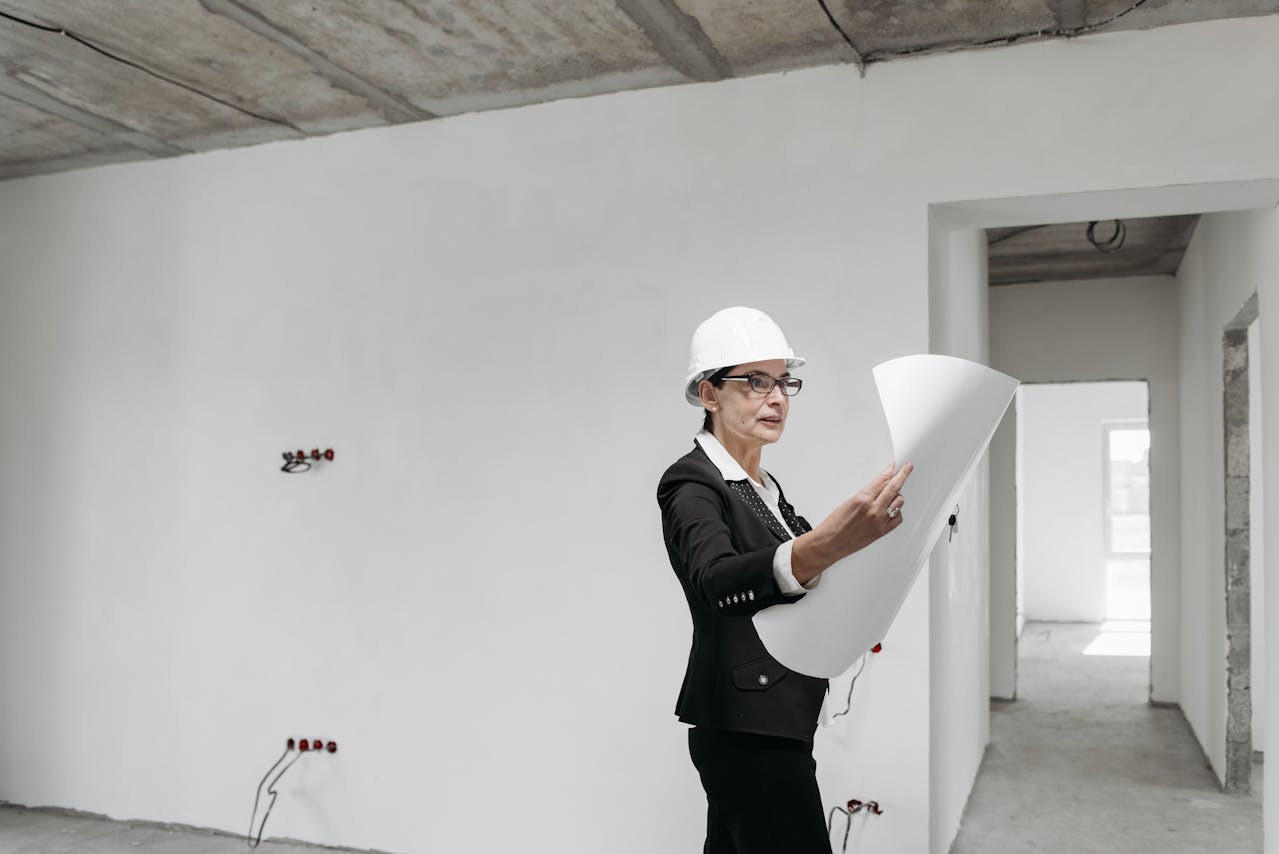
Title 24 Report in Altadena CA

Title 24 Report in Altadena CA

Title 24 Report in Altadena CA — Fast, Permit-Ready Compliance for Your Project

If you’re planning a new build, addition, ADU, remodel, or tenant improvement in the Altadena area, you’ll need a Title 24 Report in Altadena CA to pass plan check and keep your project moving forward. Title 24 energy compliance isn’t just a formality—it’s an essential step to ensuring your project meets California’s strict energy efficiency standards while helping you save on long-term operational costs.

Altadena’s unique high-desert climate means projects here face significant temperature fluctuations, intense sun exposure, and seasonal energy demands. This makes proper energy modeling and compliance planning critical from the very start of your design process. A professionally prepared Title 24 report not only satisfies code requirements but also guides you toward practical, cost-effective solutions.

Understanding the Importance of a Title 24 Report

A Title 24 report is a detailed energy compliance document mandated by the California Energy Code. It examines every element of your building that affects energy consumption, including insulation, windows, HVAC systems, water heating, and, for commercial projects, lighting and controls. The report is submitted to your local building department during the permit process to prove that your design meets or exceeds California’s energy standards.

In Altadena, this process is especially important because the region’s hot summers and cooler winters can challenge energy performance. By analyzing these variables early, you can avoid costly changes during construction and ensure your building operates efficiently year-round.
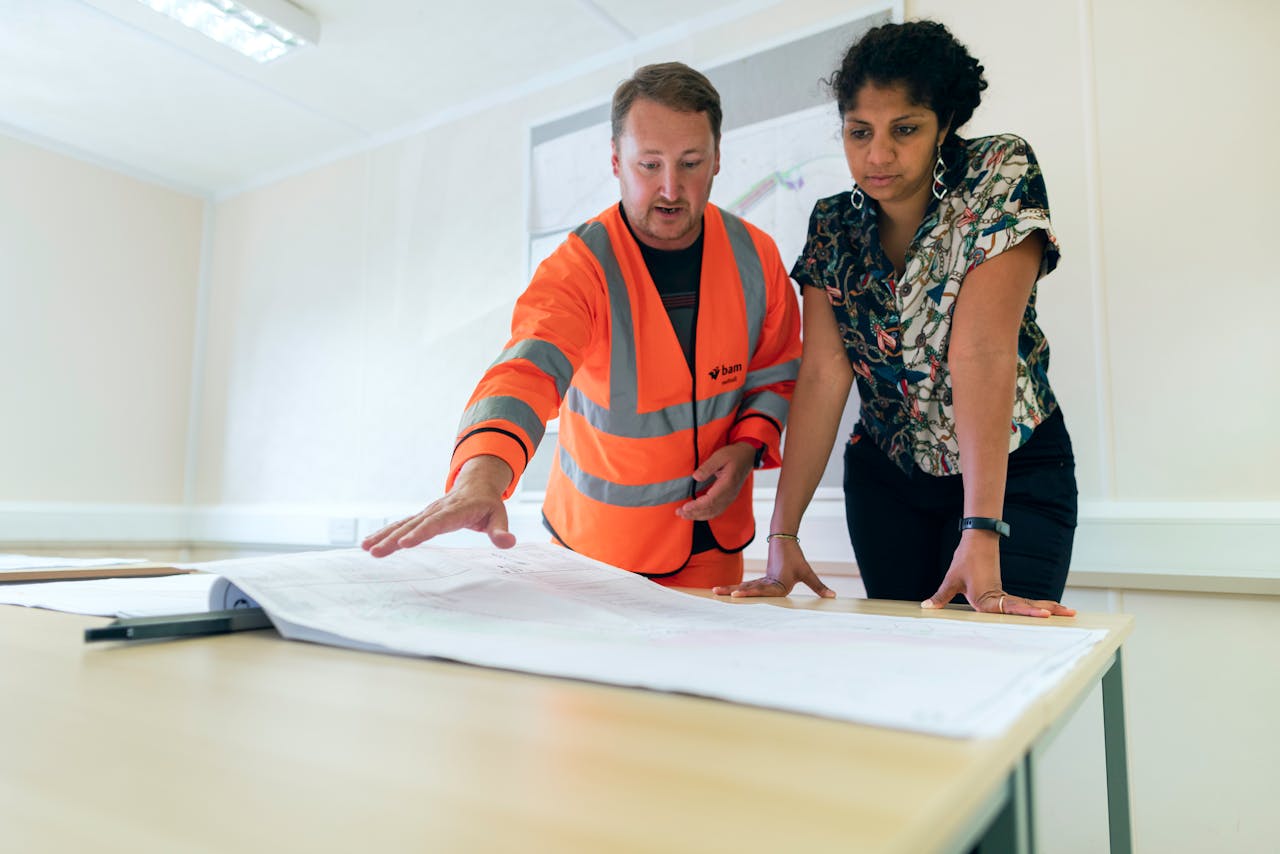
Title 24 Report in Altadena CA

When You’ll Need a Title 24 Report in Altadena CA

Most projects that alter the building envelope or mechanical systems will require a Title 24 report before you can pull permits. This includes new home construction, home additions, major remodels, accessory dwelling units (ADUs), and commercial tenant improvements. Even smaller projects can trigger the need for a report if they impact insulation levels, window and door configurations, or HVAC systems.

Waiting until late in the design phase to address Title 24 compliance can lead to delays. The best approach is to start the process as soon as your design is reasonably complete so any necessary adjustments can be made without disrupting your schedule.

What to Expect During the Process

The process begins with submitting your architectural plans, including orientation, floor plans, elevations, roof layouts, and window schedules. Details on conditioned floor areas and mechanical equipment specifications are also essential for accurate modeling. A certified energy analyst will then use California Energy Commission–approved software, such as EnergyPro or CBECC, to create a detailed energy model of your project.

This model is used to compare your design against the state’s energy budget. If any part of the design doesn’t comply, your consultant will recommend targeted adjustments—like selecting windows with a different U-factor, modifying insulation in specific areas, or fine-tuning HVAC equipment—to bring the project into compliance without unnecessary expense.

Once the model meets requirements, you’ll receive permit-ready documentation, including signed CF-1R forms for residential projects or the equivalent forms for commercial designs. If HERS testing is required, the same team can coordinate verification during construction to ensure all final documentation is completed smoothly.
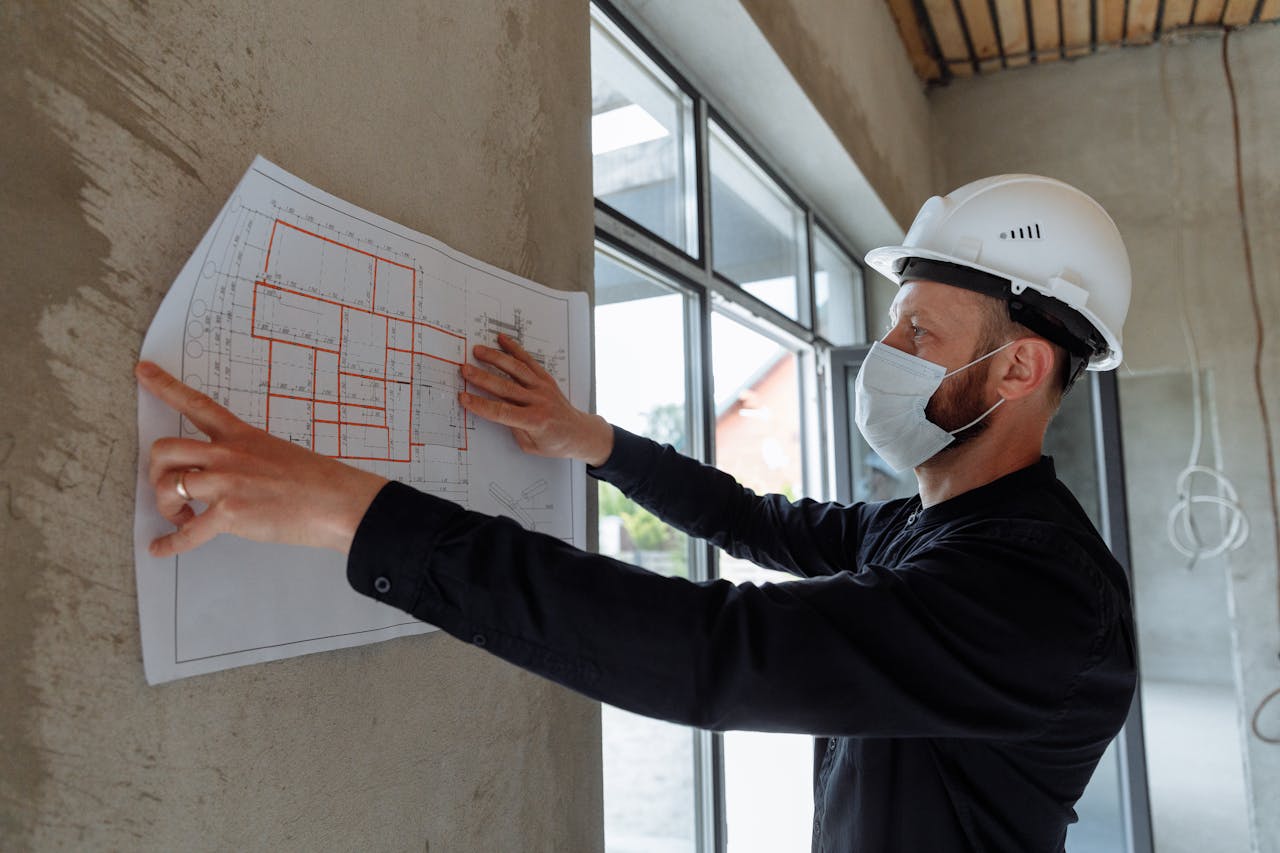
Title 24 Report in Altadena CA

Why Altadena Builders Benefit from a One-Stop Title 24 and HERS Team

Working with a consultant who offers both Title 24 reporting and HERS verification means fewer headaches during construction. Instead of dealing with separate companies for compliance documents and field testing, you have one point of contact who understands your project from start to finish. This streamlines communication, reduces the risk of errors, and can help keep your project on schedule.

Experienced teams bring more than just paperwork—they understand how design decisions impact construction, materials availability, and field performance. Their insights can help you make practical choices that improve energy efficiency without compromising design goals.

Budget Considerations for Your Altadena Project

While pricing varies based on project size and complexity, residential Title 24 reports generally start in the low-to-mid hundreds, with larger or more complex projects costing more. Commercial projects and multifamily developments have different pricing structures depending on scope. HERS testing is typically priced separately, either per task or as part of a bundled package when multiple verifications are required.

Obtaining a clear quote early ensures you understand all costs upfront, including any potential additional fees for plan changes, revisions, or on-site inspections.

Altadena-Specific Tips to Keep Your Project Moving

Because of the climate and permitting requirements in Altadena, there are a few best practices that can save you time and money:

  • Confirm window specifications early to avoid delays from unavailable products.
  • Focus insulation upgrades where they will have the greatest impact on performance.
  • Coordinate HVAC choices early to ensure efficiency, duct layout, and ventilation plans align.
  • Maintain consistency between your plans and Title 24 report to prevent plan check corrections.

Title 24 Report in Altadena CA

Getting Started with Your Title 24 Report in Altadena CA

If you’re ready to begin, the first step is simple: share your plans and project details with a qualified Title 24 consultant. This allows them to review your design, prepare the necessary energy model, and provide you with clear, permit-ready documentation. They can also guide you through the HERS process if verification is required.

For fast, reliable service, call (626) 365-1518 today or use the contact page on our website to send your plans and request a quote. You can also email info@title24energy.com with “Altadena Title 24” in the subject line for quicker response.

Final Thoughts

Securing a Title 24 Report in Altadena CA doesn’t have to be stressful. By starting early, working with an experienced team, and keeping communication clear, you can meet all compliance requirements without unnecessary delays. From accurate energy modeling to smooth HERS coordination, having the right partner ensures your project moves from design to construction as efficiently as possible.

Call (626) 365-1518 now or send a message through our website to get started. Your permit-ready Title 24 report is just a phone call or email away.


Frequently Asked Questions About Title 24 Report in Altadena CA

What is a Title 24 Report?

A Title 24 report is a state-mandated energy compliance document that ensures your building project meets California Energy Code requirements for efficiency and sustainability.

Why do I need a Title 24 Report in Altadena CA?

Altadena projects require a Title 24 report to pass building department plan check and comply with California’s strict energy efficiency laws.

Who prepares a Title 24 Report?

Certified energy analysts use state-approved software to model your building’s energy performance and create permit-ready documentation.

When should I get my Title 24 Report?

You should obtain your Title 24 report after your design is mostly complete but before submitting for permits to avoid delays and costly design changes.

Does a remodel need a Title 24 Report?

Yes, if your remodel impacts the building envelope, HVAC systems, windows, doors, or lighting, you will likely need a Title 24 report.

What information is needed to start the report?

Your consultant will need architectural drawings, window and door schedules, insulation details, HVAC specifications, and project location.

How long does it take to get a Title 24 Report?

Most residential projects can be completed within a few business days, depending on the complexity and completeness of your plans.

Can I make changes after the report is done?

Yes, revisions can be made, but updates may require re-modeling and could affect compliance results.

What is HERS testing?

HERS testing is field verification for certain energy features, such as duct leakage, blower door tests, and refrigerant charge, required by some Title 24 compliance paths.

Do I need HERS testing for my Altadena project?

If your Title 24 compliance shows certain features, such as new HVAC systems or insulation upgrades, you may need HERS verification during construction.

What software is used for Title 24 calculations?

Approved programs like EnergyPro and CBECC-Res/Com are used to ensure compliance modeling is accepted by all California jurisdictions.

Can Title 24 help me save on energy bills?

Yes, the process identifies efficiency upgrades that not only meet code but can lower your long-term energy costs.

Is a Title 24 Report required for commercial buildings?

Yes, commercial projects in Altadena must comply with Title 24 requirements for envelope, mechanical, and lighting systems.

What happens if my project fails compliance?

Your consultant will recommend targeted design changes to bring your project into compliance without unnecessary expense.

Can I use my own contractor for HERS testing?

HERS testing must be performed by a certified rater, but you can choose who to hire as long as they meet state certification requirements.

Does Title 24 apply to accessory dwelling units (ADUs)?

Yes, ADUs in Altadena must have a Title 24 report to show they meet California Energy Code standards.

Will my project be delayed if I don’t have a Title 24 Report?

Yes, the building department will not approve your permit without a completed Title 24 report that meets code.

How much does a Title 24 Report cost?

Pricing depends on project size and complexity, but residential reports generally start in the low-to-mid hundreds.

How do I submit my Title 24 Report to the building department?

Your consultant will provide electronic PDF files that you can include with your permit application package.

How do I get started with a Title 24 Report in Altadena CA?

Call (626) 365-1518 or use the contact page to send your plans and request a free quote today.

Title 24 Report in Alta Loma CA

Title 24 Report in Alta Loma CA

Title 24 Report in Alta Loma CA — Fast, Permit-Ready Compliance for Your Project

If you’re planning a new build, addition, ADU, remodel, or tenant improvement in the Alta Loma area, you’ll need a Title 24 Report in Alta Loma CA to pass plan check and keep your project moving forward. Title 24 energy compliance isn’t just a formality—it’s an essential step to ensuring your project meets California’s strict energy efficiency standards while helping you save on long-term operational costs.

Alta Loma’s unique high-desert climate means projects here face significant temperature fluctuations, intense sun exposure, and seasonal energy demands. This makes proper energy modeling and compliance planning critical from the very start of your design process. A professionally prepared Title 24 report not only satisfies code requirements but also guides you toward practical, cost-effective solutions.

Understanding the Importance of a Title 24 Report

A Title 24 report is a detailed energy compliance document mandated by the California Energy Code. It examines every element of your building that affects energy consumption, including insulation, windows, HVAC systems, water heating, and, for commercial projects, lighting and controls. The report is submitted to your local building department during the permit process to prove that your design meets or exceeds California’s energy standards.

In Alta Loma, this process is especially important because the region’s hot summers and cooler winters can challenge energy performance. By analyzing these variables early, you can avoid costly changes during construction and ensure your building operates efficiently year-round.

Title 24 Report in Alta Loma CA

When You’ll Need a Title 24 Report in Alta Loma CA

Most projects that alter the building envelope or mechanical systems will require a Title 24 report before you can pull permits. This includes new home construction, home additions, major remodels, accessory dwelling units (ADUs), and commercial tenant improvements. Even smaller projects can trigger the need for a report if they impact insulation levels, window and door configurations, or HVAC systems.

Waiting until late in the design phase to address Title 24 compliance can lead to delays. The best approach is to start the process as soon as your design is reasonably complete so any necessary adjustments can be made without disrupting your schedule.

What to Expect During the Process

The process begins with submitting your architectural plans, including orientation, floor plans, elevations, roof layouts, and window schedules. Details on conditioned floor areas and mechanical equipment specifications are also essential for accurate modeling. A certified energy analyst will then use California Energy Commission–approved software, such as EnergyPro or CBECC, to create a detailed energy model of your project.

This model is used to compare your design against the state’s energy budget. If any part of the design doesn’t comply, your consultant will recommend targeted adjustments—like selecting windows with a different U-factor, modifying insulation in specific areas, or fine-tuning HVAC equipment—to bring the project into compliance without unnecessary expense.

Once the model meets requirements, you’ll receive permit-ready documentation, including signed CF-1R forms for residential projects or the equivalent forms for commercial designs. If HERS testing is required, the same team can coordinate verification during construction to ensure all final documentation is completed smoothly.

Title 24 Report in Alta Loma CA

Why Alta Loma Builders Benefit from a One-Stop Title 24 and HERS Team

Working with a consultant who offers both Title 24 reporting and HERS verification means fewer headaches during construction. Instead of dealing with separate companies for compliance documents and field testing, you have one point of contact who understands your project from start to finish. This streamlines communication, reduces the risk of errors, and can help keep your project on schedule.

Experienced teams bring more than just paperwork—they understand how design decisions impact construction, materials availability, and field performance. Their insights can help you make practical choices that improve energy efficiency without compromising design goals.

Budget Considerations for Your Alta Loma Project

While pricing varies based on project size and complexity, residential Title 24 reports generally start in the low-to-mid hundreds, with larger or more complex projects costing more. Commercial projects and multifamily developments have different pricing structures depending on scope. HERS testing is typically priced separately, either per task or as part of a bundled package when multiple verifications are required.

Obtaining a clear quote early ensures you understand all costs upfront, including any potential additional fees for plan changes, revisions, or on-site inspections.

Alta Loma-Specific Tips to Keep Your Project Moving

Because of the climate and permitting requirements in Alta Loma, there are a few best practices that can save you time and money:

  • Confirm window specifications early to avoid delays from unavailable products.
  • Focus insulation upgrades where they will have the greatest impact on performance.
  • Coordinate HVAC choices early to ensure efficiency, duct layout, and ventilation plans align.
  • Maintain consistency between your plans and Title 24 report to prevent plan check corrections.

Title 24 Report in Alta Loma CA

Getting Started with Your Title 24 Report in Alta Loma CA

If you’re ready to begin, the first step is simple: share your plans and project details with a qualified Title 24 consultant. This allows them to review your design, prepare the necessary energy model, and provide you with clear, permit-ready documentation. They can also guide you through the HERS process if verification is required.

For fast, reliable service, call (626) 365-1518 today or use the contact page on our website to send your plans and request a quote. You can also email info@title24energy.com with “Alta Loma Title 24” in the subject line for quicker response.

Final Thoughts

Securing a Title 24 Report in Alta Loma CA doesn’t have to be stressful. By starting early, working with an experienced team, and keeping communication clear, you can meet all compliance requirements without unnecessary delays. From accurate energy modeling to smooth HERS coordination, having the right partner ensures your project moves from design to construction as efficiently as possible.

Call (626) 365-1518 now or send a message through our website to get started. Your permit-ready Title 24 report is just a phone call or email away.


Frequently Asked Questions About Title 24 Report in Alta Loma CA

What is a Title 24 Report?

A Title 24 report is a state-mandated energy compliance document that ensures your building project meets California Energy Code requirements for efficiency and sustainability.

Why do I need a Title 24 Report in Alta Loma CA?

Alta Loma projects require a Title 24 report to pass building department plan check and comply with California’s strict energy efficiency laws.

Who prepares a Title 24 Report?

Certified energy analysts use state-approved software to model your building’s energy performance and create permit-ready documentation.

When should I get my Title 24 Report?

You should obtain your Title 24 report after your design is mostly complete but before submitting for permits to avoid delays and costly design changes.

Does a remodel need a Title 24 Report?

Yes, if your remodel impacts the building envelope, HVAC systems, windows, doors, or lighting, you will likely need a Title 24 report.

What information is needed to start the report?

Your consultant will need architectural drawings, window and door schedules, insulation details, HVAC specifications, and project location.

How long does it take to get a Title 24 Report?

Most residential projects can be completed within a few business days, depending on the complexity and completeness of your plans.

Can I make changes after the report is done?

Yes, revisions can be made, but updates may require re-modeling and could affect compliance results.

What is HERS testing?

HERS testing is field verification for certain energy features, such as duct leakage, blower door tests, and refrigerant charge, required by some Title 24 compliance paths.

Do I need HERS testing for my Alta Loma project?

If your Title 24 compliance shows certain features, such as new HVAC systems or insulation upgrades, you may need HERS verification during construction.

What software is used for Title 24 calculations?

Approved programs like EnergyPro and CBECC-Res/Com are used to ensure compliance modeling is accepted by all California jurisdictions.

Can Title 24 help me save on energy bills?

Yes, the process identifies efficiency upgrades that not only meet code but can lower your long-term energy costs.

Is a Title 24 Report required for commercial buildings?

Yes, commercial projects in Alta Loma must comply with Title 24 requirements for envelope, mechanical, and lighting systems.

What happens if my project fails compliance?

Your consultant will recommend targeted design changes to bring your project into compliance without unnecessary expense.

Can I use my own contractor for HERS testing?

HERS testing must be performed by a certified rater, but you can choose who to hire as long as they meet state certification requirements.

Does Title 24 apply to accessory dwelling units (ADUs)?

Yes, ADUs in Alta Loma must have a Title 24 report to show they meet California Energy Code standards.

Will my project be delayed if I don’t have a Title 24 Report?

Yes, the building department will not approve your permit without a completed Title 24 report that meets code.

How much does a Title 24 Report cost?

Pricing depends on project size and complexity, but residential reports generally start in the low-to-mid hundreds.

How do I submit my Title 24 Report to the building department?

Your consultant will provide electronic PDF files that you can include with your permit application package.

How do I get started with a Title 24 Report in Alta Loma CA?

Call (626) 365-1518 or use the contact page to send your plans and request a free quote today.

Title 24 Report in Alpine CA

Title 24 Report in Alpine CA

Title 24 Report in Alpine CA — Fast, Permit-Ready Compliance for Your Project

If you’re planning a new build, addition, ADU, remodel, or tenant improvement in the Alpine area, you’ll need a Title 24 Report in Alpine CA to pass plan check and keep your project moving forward. Title 24 energy compliance isn’t just a formality—it’s an essential step to ensuring your project meets California’s strict energy efficiency standards while helping you save on long-term operational costs.

Alpine’s unique high-desert climate means projects here face significant temperature fluctuations, intense sun exposure, and seasonal energy demands. This makes proper energy modeling and compliance planning critical from the very start of your design process. A professionally prepared Title 24 report not only satisfies code requirements but also guides you toward practical, cost-effective solutions.

Understanding the Importance of a Title 24 Report

A Title 24 report is a detailed energy compliance document mandated by the California Energy Code. It examines every element of your building that affects energy consumption, including insulation, windows, HVAC systems, water heating, and, for commercial projects, lighting and controls. The report is submitted to your local building department during the permit process to prove that your design meets or exceeds California’s energy standards.

In Alpine, this process is especially important because the region’s hot summers and cooler winters can challenge energy performance. By analyzing these variables early, you can avoid costly changes during construction and ensure your building operates efficiently year-round.

Title 24 Report in Alpine CA

When You’ll Need a Title 24 Report in Alpine CA

Most projects that alter the building envelope or mechanical systems will require a Title 24 report before you can pull permits. This includes new home construction, home additions, major remodels, accessory dwelling units (ADUs), and commercial tenant improvements. Even smaller projects can trigger the need for a report if they impact insulation levels, window and door configurations, or HVAC systems.

Waiting until late in the design phase to address Title 24 compliance can lead to delays. The best approach is to start the process as soon as your design is reasonably complete so any necessary adjustments can be made without disrupting your schedule.

What to Expect During the Process

The process begins with submitting your architectural plans, including orientation, floor plans, elevations, roof layouts, and window schedules. Details on conditioned floor areas and mechanical equipment specifications are also essential for accurate modeling. A certified energy analyst will then use California Energy Commission–approved software, such as EnergyPro or CBECC, to create a detailed energy model of your project.

This model is used to compare your design against the state’s energy budget. If any part of the design doesn’t comply, your consultant will recommend targeted adjustments—like selecting windows with a different U-factor, modifying insulation in specific areas, or fine-tuning HVAC equipment—to bring the project into compliance without unnecessary expense.

Once the model meets requirements, you’ll receive permit-ready documentation, including signed CF-1R forms for residential projects or the equivalent forms for commercial designs. If HERS testing is required, the same team can coordinate verification during construction to ensure all final documentation is completed smoothly.

Title 24 Report in Alpine CA

Why Alpine Builders Benefit from a One-Stop Title 24 and HERS Team

Working with a consultant who offers both Title 24 reporting and HERS verification means fewer headaches during construction. Instead of dealing with separate companies for compliance documents and field testing, you have one point of contact who understands your project from start to finish. This streamlines communication, reduces the risk of errors, and can help keep your project on schedule.

Experienced teams bring more than just paperwork—they understand how design decisions impact construction, materials availability, and field performance. Their insights can help you make practical choices that improve energy efficiency without compromising design goals.

Budget Considerations for Your Alpine Project

While pricing varies based on project size and complexity, residential Title 24 reports generally start in the low-to-mid hundreds, with larger or more complex projects costing more. Commercial projects and multifamily developments have different pricing structures depending on scope. HERS testing is typically priced separately, either per task or as part of a bundled package when multiple verifications are required.

Obtaining a clear quote early ensures you understand all costs upfront, including any potential additional fees for plan changes, revisions, or on-site inspections.

Alpine-Specific Tips to Keep Your Project Moving

Because of the climate and permitting requirements in Alpine, there are a few best practices that can save you time and money:

  • Confirm window specifications early to avoid delays from unavailable products.
  • Focus insulation upgrades where they will have the greatest impact on performance.
  • Coordinate HVAC choices early to ensure efficiency, duct layout, and ventilation plans align.
  • Maintain consistency between your plans and Title 24 report to prevent plan check corrections.

Title 24 Report in Alpine CA

Getting Started with Your Title 24 Report in Alpine CA

If you’re ready to begin, the first step is simple: share your plans and project details with a qualified Title 24 consultant. This allows them to review your design, prepare the necessary energy model, and provide you with clear, permit-ready documentation. They can also guide you through the HERS process if verification is required.

For fast, reliable service, call (626) 365-1518 today or use the contact page on our website to send your plans and request a quote. You can also email info@title24energy.com with “Alpine Title 24” in the subject line for quicker response.

Final Thoughts

Securing a Title 24 Report in Alpine CA doesn’t have to be stressful. By starting early, working with an experienced team, and keeping communication clear, you can meet all compliance requirements without unnecessary delays. From accurate energy modeling to smooth HERS coordination, having the right partner ensures your project moves from design to construction as efficiently as possible.

Call (626) 365-1518 now or send a message through our website to get started. Your permit-ready Title 24 report is just a phone call or email away.


Frequently Asked Questions About Title 24 Report in Alpine CA

What is a Title 24 Report?

A Title 24 report is a state-mandated energy compliance document that ensures your building project meets California Energy Code requirements for efficiency and sustainability.

Why do I need a Title 24 Report in Alpine CA?

Alpine projects require a Title 24 report to pass building department plan check and comply with California’s strict energy efficiency laws.

Who prepares a Title 24 Report?

Certified energy analysts use state-approved software to model your building’s energy performance and create permit-ready documentation.

When should I get my Title 24 Report?

You should obtain your Title 24 report after your design is mostly complete but before submitting for permits to avoid delays and costly design changes.

Does a remodel need a Title 24 Report?

Yes, if your remodel impacts the building envelope, HVAC systems, windows, doors, or lighting, you will likely need a Title 24 report.

What information is needed to start the report?

Your consultant will need architectural drawings, window and door schedules, insulation details, HVAC specifications, and project location.

How long does it take to get a Title 24 Report?

Most residential projects can be completed within a few business days, depending on the complexity and completeness of your plans.

Can I make changes after the report is done?

Yes, revisions can be made, but updates may require re-modeling and could affect compliance results.

What is HERS testing?

HERS testing is field verification for certain energy features, such as duct leakage, blower door tests, and refrigerant charge, required by some Title 24 compliance paths.

Do I need HERS testing for my Alpine project?

If your Title 24 compliance shows certain features, such as new HVAC systems or insulation upgrades, you may need HERS verification during construction.

What software is used for Title 24 calculations?

Approved programs like EnergyPro and CBECC-Res/Com are used to ensure compliance modeling is accepted by all California jurisdictions.

Can Title 24 help me save on energy bills?

Yes, the process identifies efficiency upgrades that not only meet code but can lower your long-term energy costs.

Is a Title 24 Report required for commercial buildings?

Yes, commercial projects in Alpine must comply with Title 24 requirements for envelope, mechanical, and lighting systems.

What happens if my project fails compliance?

Your consultant will recommend targeted design changes to bring your project into compliance without unnecessary expense.

Can I use my own contractor for HERS testing?

HERS testing must be performed by a certified rater, but you can choose who to hire as long as they meet state certification requirements.

Does Title 24 apply to accessory dwelling units (ADUs)?

Yes, ADUs in Alpine must have a Title 24 report to show they meet California Energy Code standards.

Will my project be delayed if I don’t have a Title 24 Report?

Yes, the building department will not approve your permit without a completed Title 24 report that meets code.

How much does a Title 24 Report cost?

Pricing depends on project size and complexity, but residential reports generally start in the low-to-mid hundreds.

How do I submit my Title 24 Report to the building department?

Your consultant will provide electronic PDF files that you can include with your permit application package.

How do I get started with a Title 24 Report in Alpine CA?

Call (626) 365-1518 or use the contact page to send your plans and request a free quote today.

Title 24 Report in Alhambra CA

Title 24 Report in Alhambra CA

Title 24 Report in Alhambra CA — Fast, Permit-Ready Compliance for Your Project

If you’re planning a new build, addition, ADU, remodel, or tenant improvement in the Alhambra area, you’ll need a Title 24 Report in Alhambra CA to pass plan check and keep your project moving forward. Title 24 energy compliance isn’t just a formality—it’s an essential step to ensuring your project meets California’s strict energy efficiency standards while helping you save on long-term operational costs.

Alhambra’s unique high-desert climate means projects here face significant temperature fluctuations, intense sun exposure, and seasonal energy demands. This makes proper energy modeling and compliance planning critical from the very start of your design process. A professionally prepared Title 24 report not only satisfies code requirements but also guides you toward practical, cost-effective solutions.

Understanding the Importance of a Title 24 Report

A Title 24 report is a detailed energy compliance document mandated by the California Energy Code. It examines every element of your building that affects energy consumption, including insulation, windows, HVAC systems, water heating, and, for commercial projects, lighting and controls. The report is submitted to your local building department during the permit process to prove that your design meets or exceeds California’s energy standards.

In Alhambra, this process is especially important because the region’s hot summers and cooler winters can challenge energy performance. By analyzing these variables early, you can avoid costly changes during construction and ensure your building operates efficiently year-round.

Title 24 Report in Alhambra CA

When You’ll Need a Title 24 Report in Alhambra CA

Most projects that alter the building envelope or mechanical systems will require a Title 24 report before you can pull permits. This includes new home construction, home additions, major remodels, accessory dwelling units (ADUs), and commercial tenant improvements. Even smaller projects can trigger the need for a report if they impact insulation levels, window and door configurations, or HVAC systems.

Waiting until late in the design phase to address Title 24 compliance can lead to delays. The best approach is to start the process as soon as your design is reasonably complete so any necessary adjustments can be made without disrupting your schedule.

What to Expect During the Process

The process begins with submitting your architectural plans, including orientation, floor plans, elevations, roof layouts, and window schedules. Details on conditioned floor areas and mechanical equipment specifications are also essential for accurate modeling. A certified energy analyst will then use California Energy Commission–approved software, such as EnergyPro or CBECC, to create a detailed energy model of your project.

This model is used to compare your design against the state’s energy budget. If any part of the design doesn’t comply, your consultant will recommend targeted adjustments—like selecting windows with a different U-factor, modifying insulation in specific areas, or fine-tuning HVAC equipment—to bring the project into compliance without unnecessary expense.

Once the model meets requirements, you’ll receive permit-ready documentation, including signed CF-1R forms for residential projects or the equivalent forms for commercial designs. If HERS testing is required, the same team can coordinate verification during construction to ensure all final documentation is completed smoothly.

Title 24 Report in Alhambra CA

Why Alhambra Builders Benefit from a One-Stop Title 24 and HERS Team

Working with a consultant who offers both Title 24 reporting and HERS verification means fewer headaches during construction. Instead of dealing with separate companies for compliance documents and field testing, you have one point of contact who understands your project from start to finish. This streamlines communication, reduces the risk of errors, and can help keep your project on schedule.

Experienced teams bring more than just paperwork—they understand how design decisions impact construction, materials availability, and field performance. Their insights can help you make practical choices that improve energy efficiency without compromising design goals.

Budget Considerations for Your Alhambra Project

While pricing varies based on project size and complexity, residential Title 24 reports generally start in the low-to-mid hundreds, with larger or more complex projects costing more. Commercial projects and multifamily developments have different pricing structures depending on scope. HERS testing is typically priced separately, either per task or as part of a bundled package when multiple verifications are required.

Obtaining a clear quote early ensures you understand all costs upfront, including any potential additional fees for plan changes, revisions, or on-site inspections.

Alhambra-Specific Tips to Keep Your Project Moving

Because of the climate and permitting requirements in Alhambra, there are a few best practices that can save you time and money:

  • Confirm window specifications early to avoid delays from unavailable products.
  • Focus insulation upgrades where they will have the greatest impact on performance.
  • Coordinate HVAC choices early to ensure efficiency, duct layout, and ventilation plans align.
  • Maintain consistency between your plans and Title 24 report to prevent plan check corrections.

Title 24 Report in Alhambra CA

Getting Started with Your Title 24 Report in Alhambra CA

If you’re ready to begin, the first step is simple: share your plans and project details with a qualified Title 24 consultant. This allows them to review your design, prepare the necessary energy model, and provide you with clear, permit-ready documentation. They can also guide you through the HERS process if verification is required.

For fast, reliable service, call (626) 365-1518 today or use the contact page on our website to send your plans and request a quote. You can also email info@title24energy.com with “Alhambra Title 24” in the subject line for quicker response.

Final Thoughts

Securing a Title 24 Report in Alhambra CA doesn’t have to be stressful. By starting early, working with an experienced team, and keeping communication clear, you can meet all compliance requirements without unnecessary delays. From accurate energy modeling to smooth HERS coordination, having the right partner ensures your project moves from design to construction as efficiently as possible.

Call (626) 365-1518 now or send a message through our website to get started. Your permit-ready Title 24 report is just a phone call or email away.


Frequently Asked Questions About Title 24 Report in Alhambra CA

What is a Title 24 Report?

A Title 24 report is a state-mandated energy compliance document that ensures your building project meets California Energy Code requirements for efficiency and sustainability.

Why do I need a Title 24 Report in Alhambra CA?

Alhambra projects require a Title 24 report to pass building department plan check and comply with California’s strict energy efficiency laws.

Who prepares a Title 24 Report?

Certified energy analysts use state-approved software to model your building’s energy performance and create permit-ready documentation.

When should I get my Title 24 Report?

You should obtain your Title 24 report after your design is mostly complete but before submitting for permits to avoid delays and costly design changes.

Does a remodel need a Title 24 Report?

Yes, if your remodel impacts the building envelope, HVAC systems, windows, doors, or lighting, you will likely need a Title 24 report.

What information is needed to start the report?

Your consultant will need architectural drawings, window and door schedules, insulation details, HVAC specifications, and project location.

How long does it take to get a Title 24 Report?

Most residential projects can be completed within a few business days, depending on the complexity and completeness of your plans.

Can I make changes after the report is done?

Yes, revisions can be made, but updates may require re-modeling and could affect compliance results.

What is HERS testing?

HERS testing is field verification for certain energy features, such as duct leakage, blower door tests, and refrigerant charge, required by some Title 24 compliance paths.

Do I need HERS testing for my Alhambra project?

If your Title 24 compliance shows certain features, such as new HVAC systems or insulation upgrades, you may need HERS verification during construction.

What software is used for Title 24 calculations?

Approved programs like EnergyPro and CBECC-Res/Com are used to ensure compliance modeling is accepted by all California jurisdictions.

Can Title 24 help me save on energy bills?

Yes, the process identifies efficiency upgrades that not only meet code but can lower your long-term energy costs.

Is a Title 24 Report required for commercial buildings?

Yes, commercial projects in Alhambra must comply with Title 24 requirements for envelope, mechanical, and lighting systems.

What happens if my project fails compliance?

Your consultant will recommend targeted design changes to bring your project into compliance without unnecessary expense.

Can I use my own contractor for HERS testing?

HERS testing must be performed by a certified rater, but you can choose who to hire as long as they meet state certification requirements.

Does Title 24 apply to accessory dwelling units (ADUs)?

Yes, ADUs in Alhambra must have a Title 24 report to show they meet California Energy Code standards.

Will my project be delayed if I don’t have a Title 24 Report?

Yes, the building department will not approve your permit without a completed Title 24 report that meets code.

How much does a Title 24 Report cost?

Pricing depends on project size and complexity, but residential reports generally start in the low-to-mid hundreds.

How do I submit my Title 24 Report to the building department?

Your consultant will provide electronic PDF files that you can include with your permit application package.

How do I get started with a Title 24 Report in Alhambra CA?

Call (626) 365-1518 or use the contact page to send your plans and request a free quote today.

Title 24 Report in Aliso Viejo CA

Title 24 Report in Aliso Viejo CA

Title 24 Report in Aliso Viejo CA — Fast, Permit-Ready Compliance for Your Project

If you’re planning a new build, addition, ADU, remodel, or tenant improvement in the Aliso Viejo area, you’ll need a Title 24 Report in Aliso Viejo CA to pass plan check and keep your project moving forward. Title 24 energy compliance isn’t just a formality—it’s an essential step to ensuring your project meets California’s strict energy efficiency standards while helping you save on long-term operational costs.

Aliso Viejo’s unique high-desert climate means projects here face significant temperature fluctuations, intense sun exposure, and seasonal energy demands. This makes proper energy modeling and compliance planning critical from the very start of your design process. A professionally prepared Title 24 report not only satisfies code requirements but also guides you toward practical, cost-effective solutions.

Understanding the Importance of a Title 24 Report

A Title 24 report is a detailed energy compliance document mandated by the California Energy Code. It examines every element of your building that affects energy consumption, including insulation, windows, HVAC systems, water heating, and, for commercial projects, lighting and controls. The report is submitted to your local building department during the permit process to prove that your design meets or exceeds California’s energy standards.

In Aliso Viejo, this process is especially important because the region’s hot summers and cooler winters can challenge energy performance. By analyzing these variables early, you can avoid costly changes during construction and ensure your building operates efficiently year-round.

Title 24 Report in Aliso Viejo CA

When You’ll Need a Title 24 Report in Aliso Viejo CA

Most projects that alter the building envelope or mechanical systems will require a Title 24 report before you can pull permits. This includes new home construction, home additions, major remodels, accessory dwelling units (ADUs), and commercial tenant improvements. Even smaller projects can trigger the need for a report if they impact insulation levels, window and door configurations, or HVAC systems.

Waiting until late in the design phase to address Title 24 compliance can lead to delays. The best approach is to start the process as soon as your design is reasonably complete so any necessary adjustments can be made without disrupting your schedule.

What to Expect During the Process

The process begins with submitting your architectural plans, including orientation, floor plans, elevations, roof layouts, and window schedules. Details on conditioned floor areas and mechanical equipment specifications are also essential for accurate modeling. A certified energy analyst will then use California Energy Commission–approved software, such as EnergyPro or CBECC, to create a detailed energy model of your project.

This model is used to compare your design against the state’s energy budget. If any part of the design doesn’t comply, your consultant will recommend targeted adjustments—like selecting windows with a different U-factor, modifying insulation in specific areas, or fine-tuning HVAC equipment—to bring the project into compliance without unnecessary expense.

Once the model meets requirements, you’ll receive permit-ready documentation, including signed CF-1R forms for residential projects or the equivalent forms for commercial designs. If HERS testing is required, the same team can coordinate verification during construction to ensure all final documentation is completed smoothly.

Title 24 Report in Aliso Viejo CA

Why Aliso Viejo Builders Benefit from a One-Stop Title 24 and HERS Team

Working with a consultant who offers both Title 24 reporting and HERS verification means fewer headaches during construction. Instead of dealing with separate companies for compliance documents and field testing, you have one point of contact who understands your project from start to finish. This streamlines communication, reduces the risk of errors, and can help keep your project on schedule.

Experienced teams bring more than just paperwork—they understand how design decisions impact construction, materials availability, and field performance. Their insights can help you make practical choices that improve energy efficiency without compromising design goals.

Budget Considerations for Your Aliso Viejo Project

While pricing varies based on project size and complexity, residential Title 24 reports generally start in the low-to-mid hundreds, with larger or more complex projects costing more. Commercial projects and multifamily developments have different pricing structures depending on scope. HERS testing is typically priced separately, either per task or as part of a bundled package when multiple verifications are required.

Obtaining a clear quote early ensures you understand all costs upfront, including any potential additional fees for plan changes, revisions, or on-site inspections.

Aliso Viejo-Specific Tips to Keep Your Project Moving

Because of the climate and permitting requirements in Aliso Viejo, there are a few best practices that can save you time and money:

  • Confirm window specifications early to avoid delays from unavailable products.
  • Focus insulation upgrades where they will have the greatest impact on performance.
  • Coordinate HVAC choices early to ensure efficiency, duct layout, and ventilation plans align.
  • Maintain consistency between your plans and Title 24 report to prevent plan check corrections.

Title 24 Report in Aliso Viejo CA

Getting Started with Your Title 24 Report in Aliso Viejo CA

If you’re ready to begin, the first step is simple: share your plans and project details with a qualified Title 24 consultant. This allows them to review your design, prepare the necessary energy model, and provide you with clear, permit-ready documentation. They can also guide you through the HERS process if verification is required.

For fast, reliable service, call (626) 365-1518 today or use the contact page on our website to send your plans and request a quote. You can also email info@title24energy.com with “Aliso Viejo Title 24” in the subject line for quicker response.

Final Thoughts

Securing a Title 24 Report in Aliso Viejo CA doesn’t have to be stressful. By starting early, working with an experienced team, and keeping communication clear, you can meet all compliance requirements without unnecessary delays. From accurate energy modeling to smooth HERS coordination, having the right partner ensures your project moves from design to construction as efficiently as possible.

Call (626) 365-1518 now or send a message through our website to get started. Your permit-ready Title 24 report is just a phone call or email away.


Frequently Asked Questions About Title 24 Report in Aliso Viejo CA

What is a Title 24 Report?

A Title 24 report is a state-mandated energy compliance document that ensures your building project meets California Energy Code requirements for efficiency and sustainability.

Why do I need a Title 24 Report in Aliso Viejo CA?

Aliso Viejo projects require a Title 24 report to pass building department plan check and comply with California’s strict energy efficiency laws.

Who prepares a Title 24 Report?

Certified energy analysts use state-approved software to model your building’s energy performance and create permit-ready documentation.

When should I get my Title 24 Report?

You should obtain your Title 24 report after your design is mostly complete but before submitting for permits to avoid delays and costly design changes.

Does a remodel need a Title 24 Report?

Yes, if your remodel impacts the building envelope, HVAC systems, windows, doors, or lighting, you will likely need a Title 24 report.

What information is needed to start the report?

Your consultant will need architectural drawings, window and door schedules, insulation details, HVAC specifications, and project location.

How long does it take to get a Title 24 Report?

Most residential projects can be completed within a few business days, depending on the complexity and completeness of your plans.

Can I make changes after the report is done?

Yes, revisions can be made, but updates may require re-modeling and could affect compliance results.

What is HERS testing?

HERS testing is field verification for certain energy features, such as duct leakage, blower door tests, and refrigerant charge, required by some Title 24 compliance paths.

Do I need HERS testing for my Aliso Viejo project?

If your Title 24 compliance shows certain features, such as new HVAC systems or insulation upgrades, you may need HERS verification during construction.

What software is used for Title 24 calculations?

Approved programs like EnergyPro and CBECC-Res/Com are used to ensure compliance modeling is accepted by all California jurisdictions.

Can Title 24 help me save on energy bills?

Yes, the process identifies efficiency upgrades that not only meet code but can lower your long-term energy costs.

Is a Title 24 Report required for commercial buildings?

Yes, commercial projects in Aliso Viejo must comply with Title 24 requirements for envelope, mechanical, and lighting systems.

What happens if my project fails compliance?

Your consultant will recommend targeted design changes to bring your project into compliance without unnecessary expense.

Can I use my own contractor for HERS testing?

HERS testing must be performed by a certified rater, but you can choose who to hire as long as they meet state certification requirements.

Does Title 24 apply to accessory dwelling units (ADUs)?

Yes, ADUs in Aliso Viejo must have a Title 24 report to show they meet California Energy Code standards.

Will my project be delayed if I don’t have a Title 24 Report?

Yes, the building department will not approve your permit without a completed Title 24 report that meets code.

How much does a Title 24 Report cost?

Pricing depends on project size and complexity, but residential reports generally start in the low-to-mid hundreds.

How do I submit my Title 24 Report to the building department?

Your consultant will provide electronic PDF files that you can include with your permit application package.

How do I get started with a Title 24 Report in Aliso Viejo CA?

Call (626) 365-1518 or use the contact page to send your plans and request a free quote today.

Title 24 Report in Agoura Hills CA

Title 24 Report in Agoura Hills CA

Title 24 Report in Agoura Hills CA — Fast, Permit-Ready Compliance for Your Project

If you’re planning a new build, addition, ADU, remodel, or tenant improvement in the Agoura Hills area, you’ll need a Title 24 Report in Agoura Hills CA to pass plan check and keep your project moving forward. Title 24 energy compliance isn’t just a formality—it’s an essential step to ensuring your project meets California’s strict energy efficiency standards while helping you save on long-term operational costs.

Agoura Hills’s unique high-desert climate means projects here face significant temperature fluctuations, intense sun exposure, and seasonal energy demands. This makes proper energy modeling and compliance planning critical from the very start of your design process. A professionally prepared Title 24 report not only satisfies code requirements but also guides you toward practical, cost-effective solutions.

Understanding the Importance of a Title 24 Report

A Title 24 report is a detailed energy compliance document mandated by the California Energy Code. It examines every element of your building that affects energy consumption, including insulation, windows, HVAC systems, water heating, and, for commercial projects, lighting and controls. The report is submitted to your local building department during the permit process to prove that your design meets or exceeds California’s energy standards.

In Agoura Hills, this process is especially important because the region’s hot summers and cooler winters can challenge energy performance. By analyzing these variables early, you can avoid costly changes during construction and ensure your building operates efficiently year-round.

Title 24 Report in Agoura Hills CA

When You’ll Need a Title 24 Report in Agoura Hills CA

Most projects that alter the building envelope or mechanical systems will require a Title 24 report before you can pull permits. This includes new home construction, home additions, major remodels, accessory dwelling units (ADUs), and commercial tenant improvements. Even smaller projects can trigger the need for a report if they impact insulation levels, window and door configurations, or HVAC systems.

Waiting until late in the design phase to address Title 24 compliance can lead to delays. The best approach is to start the process as soon as your design is reasonably complete so any necessary adjustments can be made without disrupting your schedule.

What to Expect During the Process

The process begins with submitting your architectural plans, including orientation, floor plans, elevations, roof layouts, and window schedules. Details on conditioned floor areas and mechanical equipment specifications are also essential for accurate modeling. A certified energy analyst will then use California Energy Commission–approved software, such as EnergyPro or CBECC, to create a detailed energy model of your project.

This model is used to compare your design against the state’s energy budget. If any part of the design doesn’t comply, your consultant will recommend targeted adjustments—like selecting windows with a different U-factor, modifying insulation in specific areas, or fine-tuning HVAC equipment—to bring the project into compliance without unnecessary expense.

Once the model meets requirements, you’ll receive permit-ready documentation, including signed CF-1R forms for residential projects or the equivalent forms for commercial designs. If HERS testing is required, the same team can coordinate verification during construction to ensure all final documentation is completed smoothly.

Title 24 Report in Agoura Hills CA

Why Agoura Hills Builders Benefit from a One-Stop Title 24 and HERS Team

Working with a consultant who offers both Title 24 reporting and HERS verification means fewer headaches during construction. Instead of dealing with separate companies for compliance documents and field testing, you have one point of contact who understands your project from start to finish. This streamlines communication, reduces the risk of errors, and can help keep your project on schedule.

Experienced teams bring more than just paperwork—they understand how design decisions impact construction, materials availability, and field performance. Their insights can help you make practical choices that improve energy efficiency without compromising design goals.

Budget Considerations for Your Agoura Hills Project

While pricing varies based on project size and complexity, residential Title 24 reports generally start in the low-to-mid hundreds, with larger or more complex projects costing more. Commercial projects and multifamily developments have different pricing structures depending on scope. HERS testing is typically priced separately, either per task or as part of a bundled package when multiple verifications are required.

Obtaining a clear quote early ensures you understand all costs upfront, including any potential additional fees for plan changes, revisions, or on-site inspections.

Agoura Hills-Specific Tips to Keep Your Project Moving

Because of the climate and permitting requirements in Agoura Hills, there are a few best practices that can save you time and money:

  • Confirm window specifications early to avoid delays from unavailable products.
  • Focus insulation upgrades where they will have the greatest impact on performance.
  • Coordinate HVAC choices early to ensure efficiency, duct layout, and ventilation plans align.
  • Maintain consistency between your plans and Title 24 report to prevent plan check corrections.

Title 24 Report in Agoura Hills CA

Getting Started with Your Title 24 Report in Agoura Hills CA

If you’re ready to begin, the first step is simple: share your plans and project details with a qualified Title 24 consultant. This allows them to review your design, prepare the necessary energy model, and provide you with clear, permit-ready documentation. They can also guide you through the HERS process if verification is required.

For fast, reliable service, call (626) 365-1518 today or use the contact page on our website to send your plans and request a quote. You can also email info@title24energy.com with “Agoura Hills Title 24” in the subject line for quicker response.

Final Thoughts

Securing a Title 24 Report in Agoura Hills CA doesn’t have to be stressful. By starting early, working with an experienced team, and keeping communication clear, you can meet all compliance requirements without unnecessary delays. From accurate energy modeling to smooth HERS coordination, having the right partner ensures your project moves from design to construction as efficiently as possible.

Call (626) 365-1518 now or send a message through our website to get started. Your permit-ready Title 24 report is just a phone call or email away.


Frequently Asked Questions About Title 24 Report in Agoura Hills CA

What is a Title 24 Report?

A Title 24 report is a state-mandated energy compliance document that ensures your building project meets California Energy Code requirements for efficiency and sustainability.

Why do I need a Title 24 Report in Agoura Hills CA?

Agoura Hills projects require a Title 24 report to pass building department plan check and comply with California’s strict energy efficiency laws.

Who prepares a Title 24 Report?

Certified energy analysts use state-approved software to model your building’s energy performance and create permit-ready documentation.

When should I get my Title 24 Report?

You should obtain your Title 24 report after your design is mostly complete but before submitting for permits to avoid delays and costly design changes.

Does a remodel need a Title 24 Report?

Yes, if your remodel impacts the building envelope, HVAC systems, windows, doors, or lighting, you will likely need a Title 24 report.

What information is needed to start the report?

Your consultant will need architectural drawings, window and door schedules, insulation details, HVAC specifications, and project location.

How long does it take to get a Title 24 Report?

Most residential projects can be completed within a few business days, depending on the complexity and completeness of your plans.

Can I make changes after the report is done?

Yes, revisions can be made, but updates may require re-modeling and could affect compliance results.

What is HERS testing?

HERS testing is field verification for certain energy features, such as duct leakage, blower door tests, and refrigerant charge, required by some Title 24 compliance paths.

Do I need HERS testing for my Agoura Hills project?

If your Title 24 compliance shows certain features, such as new HVAC systems or insulation upgrades, you may need HERS verification during construction.

What software is used for Title 24 calculations?

Approved programs like EnergyPro and CBECC-Res/Com are used to ensure compliance modeling is accepted by all California jurisdictions.

Can Title 24 help me save on energy bills?

Yes, the process identifies efficiency upgrades that not only meet code but can lower your long-term energy costs.

Is a Title 24 Report required for commercial buildings?

Yes, commercial projects in Agoura Hills must comply with Title 24 requirements for envelope, mechanical, and lighting systems.

What happens if my project fails compliance?

Your consultant will recommend targeted design changes to bring your project into compliance without unnecessary expense.

Can I use my own contractor for HERS testing?

HERS testing must be performed by a certified rater, but you can choose who to hire as long as they meet state certification requirements.

Does Title 24 apply to accessory dwelling units (ADUs)?

Yes, ADUs in Agoura Hills must have a Title 24 report to show they meet California Energy Code standards.

Will my project be delayed if I don’t have a Title 24 Report?

Yes, the building department will not approve your permit without a completed Title 24 report that meets code.

How much does a Title 24 Report cost?

Pricing depends on project size and complexity, but residential reports generally start in the low-to-mid hundreds.

How do I submit my Title 24 Report to the building department?

Your consultant will provide electronic PDF files that you can include with your permit application package.

How do I get started with a Title 24 Report in Agoura Hills CA?

Call (626) 365-1518 or use the contact page to send your plans and request a free quote today.

Title 24 Report in Adelanto CA

Title 24 Report in Adelanto CA

Title 24 Report in Adelanto CA — Fast, Permit-Ready Compliance for Your Project

If you’re planning a new build, addition, ADU, remodel, or tenant improvement in the Adelanto area, you’ll need a Title 24 Report in Adelanto CA to pass plan check and keep your project moving forward. Title 24 energy compliance isn’t just a formality—it’s an essential step to ensuring your project meets California’s strict energy efficiency standards while helping you save on long-term operational costs.

Adelanto’s unique high-desert climate means projects here face significant temperature fluctuations, intense sun exposure, and seasonal energy demands. This makes proper energy modeling and compliance planning critical from the very start of your design process. A professionally prepared Title 24 report not only satisfies code requirements but also guides you toward practical, cost-effective solutions.

Understanding the Importance of a Title 24 Report

A Title 24 report is a detailed energy compliance document mandated by the California Energy Code. It examines every element of your building that affects energy consumption, including insulation, windows, HVAC systems, water heating, and, for commercial projects, lighting and controls. The report is submitted to your local building department during the permit process to prove that your design meets or exceeds California’s energy standards.

In Adelanto, this process is especially important because the region’s hot summers and cooler winters can challenge energy performance. By analyzing these variables early, you can avoid costly changes during construction and ensure your building operates efficiently year-round.

Title 24 Report in Adelanto CA

When You’ll Need a Title 24 Report in Adelanto CA

Most projects that alter the building envelope or mechanical systems will require a Title 24 report before you can pull permits. This includes new home construction, home additions, major remodels, accessory dwelling units (ADUs), and commercial tenant improvements. Even smaller projects can trigger the need for a report if they impact insulation levels, window and door configurations, or HVAC systems.

Waiting until late in the design phase to address Title 24 compliance can lead to delays. The best approach is to start the process as soon as your design is reasonably complete so any necessary adjustments can be made without disrupting your schedule.

What to Expect During the Process

The process begins with submitting your architectural plans, including orientation, floor plans, elevations, roof layouts, and window schedules. Details on conditioned floor areas and mechanical equipment specifications are also essential for accurate modeling. A certified energy analyst will then use California Energy Commission–approved software, such as EnergyPro or CBECC, to create a detailed energy model of your project.

This model is used to compare your design against the state’s energy budget. If any part of the design doesn’t comply, your consultant will recommend targeted adjustments—like selecting windows with a different U-factor, modifying insulation in specific areas, or fine-tuning HVAC equipment—to bring the project into compliance without unnecessary expense.

Once the model meets requirements, you’ll receive permit-ready documentation, including signed CF-1R forms for residential projects or the equivalent forms for commercial designs. If HERS testing is required, the same team can coordinate verification during construction to ensure all final documentation is completed smoothly.

Title 24 Report in Adelanto CA

Why Adelanto Builders Benefit from a One-Stop Title 24 and HERS Team

Working with a consultant who offers both Title 24 reporting and HERS verification means fewer headaches during construction. Instead of dealing with separate companies for compliance documents and field testing, you have one point of contact who understands your project from start to finish. This streamlines communication, reduces the risk of errors, and can help keep your project on schedule.

Experienced teams bring more than just paperwork—they understand how design decisions impact construction, materials availability, and field performance. Their insights can help you make practical choices that improve energy efficiency without compromising design goals.

Budget Considerations for Your Adelanto Project

While pricing varies based on project size and complexity, residential Title 24 reports generally start in the low-to-mid hundreds, with larger or more complex projects costing more. Commercial projects and multifamily developments have different pricing structures depending on scope. HERS testing is typically priced separately, either per task or as part of a bundled package when multiple verifications are required.

Obtaining a clear quote early ensures you understand all costs upfront, including any potential additional fees for plan changes, revisions, or on-site inspections.

Adelanto-Specific Tips to Keep Your Project Moving

Because of the climate and permitting requirements in Adelanto, there are a few best practices that can save you time and money:

  • Confirm window specifications early to avoid delays from unavailable products.
  • Focus insulation upgrades where they will have the greatest impact on performance.
  • Coordinate HVAC choices early to ensure efficiency, duct layout, and ventilation plans align.
  • Maintain consistency between your plans and Title 24 report to prevent plan check corrections.

Title 24 Report in Adelanto CA

Getting Started with Your Title 24 Report in Adelanto CA

If you’re ready to begin, the first step is simple: share your plans and project details with a qualified Title 24 consultant. This allows them to review your design, prepare the necessary energy model, and provide you with clear, permit-ready documentation. They can also guide you through the HERS process if verification is required.

For fast, reliable service, call (626) 365-1518 today or use the contact page on our website to send your plans and request a quote. You can also email info@title24energy.com with “Adelanto Title 24” in the subject line for quicker response.

Final Thoughts

Securing a Title 24 Report in Adelanto CA doesn’t have to be stressful. By starting early, working with an experienced team, and keeping communication clear, you can meet all compliance requirements without unnecessary delays. From accurate energy modeling to smooth HERS coordination, having the right partner ensures your project moves from design to construction as efficiently as possible.

Call (626) 365-1518 now or send a message through our website to get started. Your permit-ready Title 24 report is just a phone call or email away.


Frequently Asked Questions About Title 24 Report in Adelanto CA

What is a Title 24 Report?

A Title 24 report is a state-mandated energy compliance document that ensures your building project meets California Energy Code requirements for efficiency and sustainability.

Why do I need a Title 24 Report in Adelanto CA?

Adelanto projects require a Title 24 report to pass building department plan check and comply with California’s strict energy efficiency laws.

Who prepares a Title 24 Report?

Certified energy analysts use state-approved software to model your building’s energy performance and create permit-ready documentation.

When should I get my Title 24 Report?

You should obtain your Title 24 report after your design is mostly complete but before submitting for permits to avoid delays and costly design changes.

Does a remodel need a Title 24 Report?

Yes, if your remodel impacts the building envelope, HVAC systems, windows, doors, or lighting, you will likely need a Title 24 report.

What information is needed to start the report?

Your consultant will need architectural drawings, window and door schedules, insulation details, HVAC specifications, and project location.

How long does it take to get a Title 24 Report?

Most residential projects can be completed within a few business days, depending on the complexity and completeness of your plans.

Can I make changes after the report is done?

Yes, revisions can be made, but updates may require re-modeling and could affect compliance results.

What is HERS testing?

HERS testing is field verification for certain energy features, such as duct leakage, blower door tests, and refrigerant charge, required by some Title 24 compliance paths.

Do I need HERS testing for my Adelanto project?

If your Title 24 compliance shows certain features, such as new HVAC systems or insulation upgrades, you may need HERS verification during construction.

What software is used for Title 24 calculations?

Approved programs like EnergyPro and CBECC-Res/Com are used to ensure compliance modeling is accepted by all California jurisdictions.

Can Title 24 help me save on energy bills?

Yes, the process identifies efficiency upgrades that not only meet code but can lower your long-term energy costs.

Is a Title 24 Report required for commercial buildings?

Yes, commercial projects in Adelanto must comply with Title 24 requirements for envelope, mechanical, and lighting systems.

What happens if my project fails compliance?

Your consultant will recommend targeted design changes to bring your project into compliance without unnecessary expense.

Can I use my own contractor for HERS testing?

HERS testing must be performed by a certified rater, but you can choose who to hire as long as they meet state certification requirements.

Does Title 24 apply to accessory dwelling units (ADUs)?

Yes, ADUs in Adelanto must have a Title 24 report to show they meet California Energy Code standards.

Will my project be delayed if I don’t have a Title 24 Report?

Yes, the building department will not approve your permit without a completed Title 24 report that meets code.

How much does a Title 24 Report cost?

Pricing depends on project size and complexity, but residential reports generally start in the low-to-mid hundreds.

How do I submit my Title 24 Report to the building department?

Your consultant will provide electronic PDF files that you can include with your permit application package.

How do I get started with a Title 24 Report in Adelanto CA?

Call (626) 365-1518 or use the contact page to send your plans and request a free quote today.

Title 24 Report in Acton CA

Title 24 Report in Acton CA

Title 24 Report in Acton CA — Fast, Permit-Ready Compliance for Your Project

If you’re planning a new build, addition, ADU, remodel, or tenant improvement in the Acton area, you’ll need a Title 24 Report in Acton CA to pass plan check and keep your project moving forward. Title 24 energy compliance isn’t just a formality—it’s an essential step to ensuring your project meets California’s strict energy efficiency standards while helping you save on long-term operational costs.

Acton’s unique high-desert climate means projects here face significant temperature fluctuations, intense sun exposure, and seasonal energy demands. This makes proper energy modeling and compliance planning critical from the very start of your design process. A professionally prepared Title 24 report not only satisfies code requirements but also guides you toward practical, cost-effective solutions.

Understanding the Importance of a Title 24 Report

A Title 24 report is a detailed energy compliance document mandated by the California Energy Code. It examines every element of your building that affects energy consumption, including insulation, windows, HVAC systems, water heating, and, for commercial projects, lighting and controls. The report is submitted to your local building department during the permit process to prove that your design meets or exceeds California’s energy standards.

In Acton, this process is especially important because the region’s hot summers and cooler winters can challenge energy performance. By analyzing these variables early, you can avoid costly changes during construction and ensure your building operates efficiently year-round.

Title 24 Report in Acton CA

When You’ll Need a Title 24 Report in Acton CA

Most projects that alter the building envelope or mechanical systems will require a Title 24 report before you can pull permits. This includes new home construction, home additions, major remodels, accessory dwelling units (ADUs), and commercial tenant improvements. Even smaller projects can trigger the need for a report if they impact insulation levels, window and door configurations, or HVAC systems.

Waiting until late in the design phase to address Title 24 compliance can lead to delays. The best approach is to start the process as soon as your design is reasonably complete so any necessary adjustments can be made without disrupting your schedule.

What to Expect During the Process

The process begins with submitting your architectural plans, including orientation, floor plans, elevations, roof layouts, and window schedules. Details on conditioned floor areas and mechanical equipment specifications are also essential for accurate modeling. A certified energy analyst will then use California Energy Commission–approved software, such as EnergyPro or CBECC, to create a detailed energy model of your project.

This model is used to compare your design against the state’s energy budget. If any part of the design doesn’t comply, your consultant will recommend targeted adjustments—like selecting windows with a different U-factor, modifying insulation in specific areas, or fine-tuning HVAC equipment—to bring the project into compliance without unnecessary expense.

Once the model meets requirements, you’ll receive permit-ready documentation, including signed CF-1R forms for residential projects or the equivalent forms for commercial designs. If HERS testing is required, the same team can coordinate verification during construction to ensure all final documentation is completed smoothly.

Title 24 Report in Acton CA

Why Acton Builders Benefit from a One-Stop Title 24 and HERS Team

Working with a consultant who offers both Title 24 reporting and HERS verification means fewer headaches during construction. Instead of dealing with separate companies for compliance documents and field testing, you have one point of contact who understands your project from start to finish. This streamlines communication, reduces the risk of errors, and can help keep your project on schedule.

Experienced teams bring more than just paperwork—they understand how design decisions impact construction, materials availability, and field performance. Their insights can help you make practical choices that improve energy efficiency without compromising design goals.

Budget Considerations for Your Acton Project

While pricing varies based on project size and complexity, residential Title 24 reports generally start in the low-to-mid hundreds, with larger or more complex projects costing more. Commercial projects and multifamily developments have different pricing structures depending on scope. HERS testing is typically priced separately, either per task or as part of a bundled package when multiple verifications are required.

Obtaining a clear quote early ensures you understand all costs upfront, including any potential additional fees for plan changes, revisions, or on-site inspections.

Acton-Specific Tips to Keep Your Project Moving

Because of the climate and permitting requirements in Acton, there are a few best practices that can save you time and money:

  • Confirm window specifications early to avoid delays from unavailable products.
  • Focus insulation upgrades where they will have the greatest impact on performance.
  • Coordinate HVAC choices early to ensure efficiency, duct layout, and ventilation plans align.
  • Maintain consistency between your plans and Title 24 report to prevent plan check corrections.

Title 24 Report in Acton CA

Getting Started with Your Title 24 Report in Acton CA

If you’re ready to begin, the first step is simple: share your plans and project details with a qualified Title 24 consultant. This allows them to review your design, prepare the necessary energy model, and provide you with clear, permit-ready documentation. They can also guide you through the HERS process if verification is required.

For fast, reliable service, call (626) 365-1518 today or use the contact page on our website to send your plans and request a quote. You can also email info@title24energy.com with “Acton Title 24” in the subject line for quicker response.

Final Thoughts

Securing a Title 24 Report in Acton CA doesn’t have to be stressful. By starting early, working with an experienced team, and keeping communication clear, you can meet all compliance requirements without unnecessary delays. From accurate energy modeling to smooth HERS coordination, having the right partner ensures your project moves from design to construction as efficiently as possible.

Call (626) 365-1518 now or send a message through our website to get started. Your permit-ready Title 24 report is just a phone call or email away.


Frequently Asked Questions About Title 24 Report in Acton CA

What is a Title 24 Report?

A Title 24 report is a state-mandated energy compliance document that ensures your building project meets California Energy Code requirements for efficiency and sustainability.

Why do I need a Title 24 Report in Acton CA?

Acton projects require a Title 24 report to pass building department plan check and comply with California’s strict energy efficiency laws.

Who prepares a Title 24 Report?

Certified energy analysts use state-approved software to model your building’s energy performance and create permit-ready documentation.

When should I get my Title 24 Report?

You should obtain your Title 24 report after your design is mostly complete but before submitting for permits to avoid delays and costly design changes.

Does a remodel need a Title 24 Report?

Yes, if your remodel impacts the building envelope, HVAC systems, windows, doors, or lighting, you will likely need a Title 24 report.

What information is needed to start the report?

Your consultant will need architectural drawings, window and door schedules, insulation details, HVAC specifications, and project location.

How long does it take to get a Title 24 Report?

Most residential projects can be completed within a few business days, depending on the complexity and completeness of your plans.

Can I make changes after the report is done?

Yes, revisions can be made, but updates may require re-modeling and could affect compliance results.

What is HERS testing?

HERS testing is field verification for certain energy features, such as duct leakage, blower door tests, and refrigerant charge, required by some Title 24 compliance paths.

Do I need HERS testing for my Acton project?

If your Title 24 compliance shows certain features, such as new HVAC systems or insulation upgrades, you may need HERS verification during construction.

What software is used for Title 24 calculations?

Approved programs like EnergyPro and CBECC-Res/Com are used to ensure compliance modeling is accepted by all California jurisdictions.

Can Title 24 help me save on energy bills?

Yes, the process identifies efficiency upgrades that not only meet code but can lower your long-term energy costs.

Is a Title 24 Report required for commercial buildings?

Yes, commercial projects in Acton must comply with Title 24 requirements for envelope, mechanical, and lighting systems.

What happens if my project fails compliance?

Your consultant will recommend targeted design changes to bring your project into compliance without unnecessary expense.

Can I use my own contractor for HERS testing?

HERS testing must be performed by a certified rater, but you can choose who to hire as long as they meet state certification requirements.

Does Title 24 apply to accessory dwelling units (ADUs)?

Yes, ADUs in Acton must have a Title 24 report to show they meet California Energy Code standards.

Will my project be delayed if I don’t have a Title 24 Report?

Yes, the building department will not approve your permit without a completed Title 24 report that meets code.

How much does a Title 24 Report cost?

Pricing depends on project size and complexity, but residential reports generally start in the low-to-mid hundreds.

How do I submit my Title 24 Report to the building department?

Your consultant will provide electronic PDF files that you can include with your permit application package.

How do I get started with a Title 24 Report in Acton CA?

Call (626) 365-1518 or use the contact page to send your plans and request a free quote today.

What Happens After Submitting a Title 24 Energy Report?

What Happens After Submitting a Title 24 Energy Report

What Happens After Submitting a Title 24 Energy Report?

You’ve just submitted your Title 24 energy compliance report—but what happens next? If you’re like most California homeowners, builders, or architects, you might be wondering what the next steps are after this critical document is filed with the city or county building department.

At Title24Energy.com, we help clients across California understand the entire process from report submission to final permit approval. Let’s walk you through what typically happens once your Title 24 report is submitted, and how our experts can help ensure a smooth, stress-free experience from start to finish.

The Initial Plan Check Review

Once your Title 24 energy report is submitted, the building department’s first step is to conduct a plan check review. This is when they compare your energy documentation—generated using CEC-approved software like EnergyPro or CBECC—to your architectural drawings and other submitted materials. They’re looking to confirm that all energy elements match up: insulation values, window specs, HVAC systems, lighting layouts, and more.

If your report and plans are consistent and meet current Title 24 standards, the review will typically pass without issue. If there are any mismatches or compliance issues, you’ll receive a correction notice requiring revisions. Instead of wondering what happens after submitting a Title 24 Energy Report feel free to give us a call today to learn more in depth.

Possible Plan Check Corrections

It’s not uncommon for the building department to request corrections. They may flag inconsistencies such as:

  • Window sizes in the plans don’t match the energy report
  • Lighting layout lacks required high-efficacy fixtures
  • Insulation values are below prescriptive code requirements
  • Mechanical equipment doesn’t meet efficiency thresholds

That’s where our team at Title24Energy.com becomes your best asset. We not only revise the energy report for compliance but also coordinate with your architect, contractor, or designer to ensure all changes are aligned. We resubmit fast—keeping your permit process on track.

Approval and Permit Issuance

Once the Title 24 report is approved and all related corrections are resolved, your building permit can be issued. At this stage, the building department considers your energy compliance satisfied under the current California Energy Code. You’re now free to begin construction!

Most jurisdictions require the energy report to be signed digitally with a registered HERS (Home Energy Rating System) provider or energy consultant ID, confirming it’s official and unaltered. All of our reports at Title24Energy.com are submitted in accordance with CEC and local agency standards—so you won’t experience last-minute headaches or rejections.

During Construction: Field Verification

Some Title 24 reports require HERS field verification once construction begins. This applies when you’re using performance-based methods or installing energy-related systems like ductwork, whole-house fans, or high-efficiency HVAC equipment.

Field verification involves a certified HERS rater inspecting the installed equipment or systems to ensure they match the report and meet energy compliance criteria. If a HERS inspection is required, it will be listed clearly on your CF-1R documentation.

Our consultants will help you schedule and coordinate these inspections through certified raters to ensure compliance and avoid project delays.

Final Inspection and Certificate of Occupancy

At the end of your project, the local building inspector will verify that the work was completed per the approved plans and Title 24 documentation. If everything checks out, you’ll receive final sign-off and a certificate of occupancy (CO), allowing your home or building to be legally occupied.

If discrepancies are found—like unapproved substitutions for windows or mechanical units—you may be asked to resubmit revised Title 24 documents or undergo another field inspection. Avoid this by keeping your contractor informed and checking in with us before making field changes to key energy components.

How Title24Energy.com Helps After Submission

Submitting your Title 24 report is just the beginning. At Title24Energy.com, our service doesn’t stop once the paperwork is filed. We offer full post-submission support, including:

  • Rapid corrections and revisions when needed
  • Direct communication with building departments
  • Assistance with HERS verifications and CF-2R/CF-3R forms
  • Ongoing support until your project receives final sign-off

We’ve helped thousands of homeowners, contractors, and architects navigate the post-submission process—saving them time, money, and frustration.

Call Us for Title 24 Support from Start to Finish

If you’re still unsure what happens after submitting a Title 24 report, you’re not alone. The good news is you don’t have to handle it by yourself. At Title24Energy.com, we guide our clients through every phase of compliance—from report preparation to approval and final inspection.

Call us at (626) 365-1518 or upload your plans here to get started. We’ll help you prepare, submit, and follow through on your energy compliance requirements so you can focus on building—not bureaucracy.

Let California’s Title 24 experts help you pass the first time—every time.

Frequently Asked Questions – What Happens After Submitting a Title 24 Energy Report?

What is the first step after submitting a Title 24 report?

The building department begins a plan check review to verify that the report aligns with submitted architectural plans and meets code requirements.

How long does the plan check process usually take?

Plan check timelines vary by jurisdiction but typically take 1 to 3 weeks, depending on the workload and complexity of the project.

What if the building department finds errors in my Title 24 report?

You’ll receive a correction notice and must revise and resubmit the corrected report to continue the permit process.

Who is responsible for making the corrections?

Your Title 24 energy consultant, like our team at Title24Energy.com, will handle all corrections to ensure a fast resubmittal.

Will my building permit be delayed if there are issues?

Yes. Any inconsistencies or non-compliance in your energy report may delay permit approval until corrections are made.

How do I know if my report passed the plan check?

The building department will notify you (or your consultant) with a permit approval once the review is complete and no corrections are needed.

Do I need to provide any additional documents after submission?

Sometimes, additional forms like CF-2R and CF-3R may be required later, especially for HERS-verified items during construction.

What is a HERS verification?

HERS (Home Energy Rating System) verification is an inspection by a certified rater to confirm compliance for specific systems like ducts, HVAC, or insulation.

When is HERS verification required?

HERS verification is required when the Title 24 report includes energy features that must be inspected during or after construction.

How do I schedule a HERS inspection?

Title24Energy.com helps coordinate HERS inspections with certified raters once your construction reaches the verification stage.

Can my project fail the final inspection due to energy compliance?

Yes. If systems differ from the approved Title 24 report, the final inspection can be delayed or denied until updates are made.

Do I need to revise the Title 24 report if changes occur on-site?

Yes. If you change windows, insulation, or HVAC systems, your Title 24 report may need to be updated and resubmitted.

Is the Title 24 process complete after permit approval?

No. You must complete any necessary HERS verifications and final inspections before receiving a certificate of occupancy.

What documents are needed at final inspection?

Final inspection may require the original Title 24 report, HERS verification forms, and proof that approved energy systems are installed.

How long do corrections typically take?

Our team usually completes Title 24 report corrections within 1–2 business days, depending on the complexity.

What happens if I ignore the correction notice?

Your permit application will remain on hold until corrections are made and the revised documents are approved.

Can you help if my project was flagged during review?

Absolutely. We specialize in fast turnaround corrections and resubmissions to get your project back on track quickly.

Do I need a new report if the code cycle changes mid-project?

If your permit hasn’t been issued before the new cycle takes effect, you may need to update your report to the current code.

What if I have a tight construction deadline?

Contact us immediately. We offer expedited services and prioritize urgent projects to meet your timeline.

How do I start the process?

Call (626) 365-1518 or visit Title24Energy.com to upload your plans and receive expert Title 24 assistance today.

What Software Is Used to Create Title 24 Reports?

What Software Is Used to Create Title 24 Reports

What Software Is Used to Create Title 24 Reports?

A Title 24 report may look like a collection of forms and technical figures, but behind those pages is a detailed building model that must accurately represent the proposed construction. This leads many homeowners, contractors, architects, and developers to ask: What Software Is Used to Create Title 24 Reports for California permit applications?

The direct answer is that performance-based Title 24 reports must be prepared with compliance software approved by the California Energy Commission for the applicable Energy Code cycle, building occupancy, and project scope. For projects governed by the 2025 Energy Code, approved programs include California Building Energy Code Compliance software, commonly called CBECC, along with approved third-party programs such as EnergyPro, IES VE, and Right-Energy.

These programs are not interchangeable in every situation. One application may be approved for single-family, multifamily, and nonresidential projects, while another may be limited to new single-family construction or new nonresidential buildings. The selected program and version must match the actual permit project.

Title24Energy.com removes the guesswork by reviewing your plans, identifying the applicable compliance pathway, and using appropriate California Energy Commission-approved software for the project. Call or text (626) 365-1518 to discuss your plans before permit submission instead of trying to figure out What Software Is Used to Create Title 24 Reports.

What Software Is Used to Create Title 24 Reports Under the 2025 Energy Code?

Permit applications submitted on or after January 1, 2026, generally must use compliance software and forms approved for the 2025 Energy Code. The approved program must also support the building classification and construction scope being modeled.

The principal software choices currently include:

  • CBECC: California’s public-domain compliance software for applicable single-family, multifamily, and nonresidential projects
  • EnergyPro: Third-party compliance software approved for applicable single-family, multifamily, and nonresidential projects
  • IES VE Title 24: Approved for qualifying new nonresidential construction
  • Right-Energy Title 24: Approved for qualifying new single-family residential construction

Approved versions can change as programs are updated, replaced, corrected, or allowed to expire. A professional consultant should therefore confirm the current California Energy Commission approval list at the time the energy model is prepared rather than relying on the name of a program alone.

CBECC Compliance Software

CBECC stands for California Building Energy Code Compliance. It is the public-domain software developed for demonstrating performance compliance with California’s residential, multifamily, and nonresidential energy standards.

The current CBECC platform can be used for applicable:

  • Single-family residential buildings
  • Low-rise multifamily buildings
  • Nonresidential buildings
  • New construction
  • Additions
  • Alterations supported by the approved version

CBECC creates a proposed building model based on the project information entered by the energy consultant. It then evaluates that design under the applicable Energy Code rules and compares it with the standard design established for compliance purposes.

Because CBECC is publicly available, someone may assume that downloading the program is all that is needed to produce a permit-ready report. In reality, the quality of the result depends on the accuracy of the model. Floor area, orientation, glazing, insulation, mechanical systems, ventilation, water heating, solar features, battery systems, and project scope must all be entered and classified correctly.

EnergyPro

EnergyPro is third-party compliance software approved for applicable single-family, multifamily, and nonresidential performance modeling. It is widely used by energy consultants because it can support different building types and provide a professional workflow for preparing energy-compliance calculations and forms.

EnergyPro may be appropriate for:

  • New homes and residential additions
  • Accessory dwelling units
  • Residential alterations
  • Low-rise multifamily projects
  • Commercial buildings
  • Tenant improvements
  • Mixed project scopes supported by the approved version

The program name by itself does not make every report valid. The installed version must be approved for the applicable code cycle and scope. The consultant must also model the project accurately and coordinate the output with the permit drawings.

IES VE Title 24

IES Virtual Environment Title 24 is an approved third-party option for qualifying new nonresidential construction under the 2025 Energy Code. It may be useful for advanced commercial building analysis where the project team is already working within a detailed whole-building simulation environment.

Its approval is limited to the occupancies and project scopes identified by the California Energy Commission. It should not be selected automatically for a residential addition, remodel, or other project outside its approved use.

Right-Energy Title 24

Right-Energy Title 24 is an approved third-party program for qualifying new single-family residential construction. Its approval does not automatically extend to every residential addition, alteration, multifamily development, or commercial project.

This is an important example of why the answer to What Software Is Used to Create Title 24 Reports depends on more than personal preference. The selected program must be authorized for the exact project category being submitted.

What Happened to CBECC-Res and CBECC-Com?

Older Title 24 reports and online resources often refer to CBECC-Res for residential projects and CBECC-Com for commercial or nonresidential modeling. Those names remain relevant when discussing earlier Energy Code cycles, archived reports, and older permit applications.

For the 2025 Energy Code, the California Energy Commission’s current approved-software list uses the unified CBECC name for applicable single-family, multifamily, and nonresidential projects. A report created under an earlier code cycle may still display the older program name because it was prepared using the software approved when that permit was submitted.

Do not attempt to update an old project simply by opening its files in a newer program. Changes between code cycles can affect modeling rules, mandatory measures, standard-design assumptions, forms, software inputs, and report output. The project should be reviewed under the code cycle that applies to its permit.

The Importance of CEC-Approved Software

The performance method allows a proposed building to be evaluated as an integrated energy system. Instead of checking only a fixed list of individual component values, approved software compares the proposed design with a standard design established by the Energy Code.

This flexibility can be valuable when a project includes architectural features that do not fit neatly within a basic prescriptive package. Improved performance in one qualifying area may help offset another design choice, subject to mandatory requirements and the modeling rules.

California regulates this process because different programs must produce consistent and dependable compliance results. The California Energy Commission establishes approval procedures, simulation rules, reporting requirements, and limits on the occupancies or scopes supported by each program.

Generic energy calculators, spreadsheets, load-calculation programs, architectural drafting software, and general building-simulation tools do not become approved Title 24 performance software merely because they can estimate energy use.

Approved Software Must Match the Code Cycle

A program approved for the 2022 Energy Code should not be used to demonstrate performance compliance for a permit governed by the 2025 Energy Code. Likewise, a newly approved version should not automatically be substituted into an older permitted project without confirming the enforcement agency’s requirements.

The permit application date is therefore one of the first details that should be established before modeling begins.

Approved Software Must Match the Occupancy

Single-family, low-rise multifamily, high-rise multifamily, hotel, motel, and nonresidential buildings can be subject to different compliance rules and documentation categories. The selected software must support the project’s correct classification.

Approved Software Must Match the Construction Scope

A program may be approved for new construction but not for additions or alterations. The energy consultant must verify whether the software is authorized for:

  • Newly constructed buildings
  • Additions to existing buildings
  • Alterations to existing buildings
  • The specific occupancy being modeled

Selecting a familiar program without confirming these limitations can lead to invalid output or a permit package that the building department cannot accept.

California software used to create Title 24 reports

Prescriptive Forms Versus Performance Software

Not every project requires a full computer performance model. California permits can demonstrate compliance through either the prescriptive method or the performance method when the applicable standards permit that choice.

Prescriptive Compliance

The prescriptive method follows specified requirements for individual building components and systems. A project may demonstrate that its insulation, windows, HVAC equipment, water heating, lighting, controls, and other features satisfy the applicable prescriptive criteria.

Some prescriptive forms can be completed without creating a complete performance simulation. Online form tools and fillable compliance documents may assist with form preparation, but those resources should not be confused with approved performance-modeling software.

Performance Compliance

The performance method uses approved computer software to evaluate the proposed design against the standard design. It can provide greater design flexibility, but it requires careful building modeling and accurate project data.

Performance modeling may be useful when:

  • The project does not fit a straightforward prescriptive package
  • The design relies on efficiency trade-offs
  • Window area or orientation affects compliance
  • Several building systems must be evaluated together
  • The project team wants to compare potential design options
  • The applicable permit documents require a performance certificate

The choice between prescriptive and performance compliance should be made based on the actual plans, code requirements, and design objectives—not simply on which software appears easiest to operate.

What Information Is Entered Into Title 24 Software?

Approved software is only as reliable as the information entered into it. Preparing a professional model requires the consultant to study the drawings and translate the proposed construction into a technically accurate digital representation.

Project and Site Information

The model may include:

  • Project address
  • Permit scope
  • Applicable Energy Code cycle
  • Building occupancy
  • California climate zone
  • Building orientation
  • Existing and proposed construction
  • Conditioned and unconditioned areas

Building Geometry

The software may require detailed information about:

  • Conditioned floor area
  • Number of stories
  • Ceiling heights
  • Wall dimensions
  • Roof and ceiling areas
  • Floor and slab areas
  • Window and exterior-door sizes
  • Window orientation
  • Adjacency to outdoor, ground, attic, garage, or other spaces

A small geometry error can affect wall area, glazing percentage, heating and cooling loads, and the calculated energy result.

Envelope Assemblies

The consultant may enter:

  • Wall construction
  • Roof and ceiling assemblies
  • Floor and slab assemblies
  • Insulation type and value
  • Framing characteristics
  • Cool-roof information
  • Window U-factor
  • Window solar heat gain coefficient
  • Exterior-door performance
  • Air-sealing features

Mechanical and Ventilation Systems

The model may also include:

  • Heating and cooling equipment type
  • Equipment efficiency
  • System capacity
  • Heat-pump characteristics
  • Duct location and insulation
  • Duct leakage assumptions
  • Thermostat and control features
  • Whole-building ventilation
  • Local exhaust systems
  • Economizers for applicable nonresidential systems

Water Heating, Solar, and Battery Systems

Depending on the project, the report may evaluate:

  • Water-heater type and efficiency
  • Fuel source
  • Distribution design
  • Recirculation systems
  • Solar photovoltaic capacity
  • Battery-storage features
  • Electric-ready measures

Lighting and Commercial Systems

Applicable nonresidential models may include lighting power, space use, control systems, daylighting zones, outdoor lighting, electrical distribution, mechanical controls, refrigeration, and other covered processes.

This is why a set of complete, coordinated plans produces a better report than an informal description of the project.

How Software Turns Plans Into a Title 24 Report

The software does not read a plan set and make every decision automatically. A trained user must review the documents, classify the construction correctly, select the appropriate inputs, and examine the results for conflicts or unreasonable assumptions.

Step 1: Review the Permit Scope

The consultant determines what is being built, added, converted, replaced, or altered. This establishes which portions of the building must be included and which code provisions are likely to apply.

Step 2: Confirm the Code Cycle and Building Type

The permit date, occupancy, number of stories, dwelling configuration, and proposed use help determine which forms and software options are appropriate.

Step 3: Build the Digital Model

The architectural geometry, envelope assemblies, glazing, mechanical equipment, ventilation, water heating, lighting, solar features, and other applicable systems are entered into the program.

Step 4: Run the Compliance Analysis

The software applies the approved modeling rules and compares the proposed design with the applicable standard design. The results help identify whether the project complies under the selected performance pathway.

Step 5: Resolve Design Conflicts

If the design does not comply, the project team can review potential adjustments. Depending on the project, these may involve insulation, windows, equipment efficiency, duct design, ventilation, water heating, lighting, solar features, or another regulated component.

Step 6: Generate the Compliance Documents

Once the model accurately represents a compliant design, the appropriate performance certificates and supporting output can be generated for coordination with the permit plans.

Step 7: Review the Forms Against the Drawings

The final step is critical. Floor area, window values, insulation, equipment, lighting, and other specifications should be checked against the latest plan revision before the report is submitted.

What Software Is Used to Create Title 24 Reports for permit approval

How the Correct Software Can Support Permit Approval

The right program does not guarantee approval by itself, but it gives the consultant an authorized platform for preparing the required performance analysis. Professional judgment is still needed to create a model that accurately reflects the proposed building.

Using suitable software can help the project team:

  • Select the correct compliance pathway
  • Evaluate building-envelope performance
  • Compare window and insulation options
  • Coordinate mechanical-system efficiency
  • Identify required verification measures
  • Document applicable solar and battery features
  • Generate project-specific compliance certificates
  • Respond to energy-related plan-check corrections

The goal is not merely to make the software display a passing result. The goal is to produce a defensible permit package that matches the construction documents and can be followed in the field. If you’re still trying to figure out What Software Is Used to Create Title 24 Reports, then waste no more time. Simply give us a call and we’ll help you get started.

Common Software and Modeling Mistakes

Many report problems are caused by user input, project classification, or plan coordination rather than a defect in the approved software.

Using the Wrong Code Cycle

A report created under an earlier Energy Code may not be valid for a new permit application. The consultant should confirm the applicable cycle before beginning the model.

Using an Expired or Unapproved Version

Software versions can be updated or allowed to expire. The current approval status should be checked when the report is prepared and again if a project remains inactive for an extended period.

Selecting the Wrong Occupancy

Modeling a multifamily or nonresidential building as a single-family residence can apply the wrong assumptions, forms, and requirements.

Entering Incorrect Floor Area

Garages, covered patios, unconditioned storage areas, existing rooms, additions, and converted spaces must be classified correctly. An inaccurate conditioned floor area can materially affect the result.

Modeling Windows Incorrectly

Window quantity, size, orientation, U-factor, and solar heat gain coefficient should match the plans and product schedule.

Using Placeholder Equipment That Never Gets Updated

Preliminary equipment assumptions may become inconsistent with the final mechanical schedule. The report should be updated when the selected system differs from the modeled system.

Ignoring Plan Revisions

Changes to room dimensions, ceiling heights, windows, insulation, HVAC, water heating, lighting, or solar design can require revisions to the energy model.

Treating a Passing Result as the Only Quality Check

A model can produce a passing result and still describe the wrong building. The report must be reviewed for accuracy, internal consistency, and agreement with the drawings.

Can Homeowners or Contractors Use Title 24 Software?

Some compliance programs are publicly available, and a homeowner, contractor, or designer may be able to download and operate them. Access to the software, however, does not replace knowledge of the Energy Code or experience interpreting construction plans.

A first-time user must learn how to:

  • Determine the correct project classification
  • Select the applicable code cycle
  • Model building geometry
  • Define envelope assemblies
  • Enter mechanical and ventilation systems
  • Interpret compliance results
  • Recognize unreasonable default assumptions
  • Generate the appropriate documents
  • Coordinate the forms with the plans
  • Respond to plan-check corrections

A project with incomplete drawings or unusual design conditions can be especially difficult to model. Paying for professional preparation may cost less than losing time to rejected forms, incorrect product selections, repeated revisions, or a permit package that does not match the intended construction.

Software Does Not Replace Professional Plan Review

Energy-compliance software performs calculations based on the information supplied by the user. It does not independently verify that the window schedule matches the elevations, that the mechanical equipment is available, or that the proposed assemblies can be constructed as drawn.

A professional report should include a reasoned review of:

  • The permit scope
  • The latest plan revision
  • Existing versus proposed construction
  • Conditioned versus unconditioned space
  • Architectural dimensions
  • Window specifications
  • Envelope details
  • Mechanical equipment
  • Ventilation requirements
  • Water-heating systems
  • Lighting and controls when applicable
  • Required installation and verification documents

For more information about who may prepare the calculations and documents, review who can legally prepare a Title 24 report in California.

Professional modeling software for Title 24 reports

How Title24Energy.com Selects the Appropriate Software

Title24Energy.com begins with the project rather than forcing every design into the same modeling program. The online remote process allows plans to be reviewed digitally for projects throughout California.

We Identify the Applicable Project Category

The building occupancy, permit scope, number of stories, conditioned floor area, and proposed use are reviewed to determine whether the project is single-family, multifamily, nonresidential, or another applicable category.

We Confirm the Energy Code Cycle

The permit application date and available project information are used to identify the likely code cycle. This helps prevent calculations from being started in software intended for the wrong standards.

We Review the Compliance Pathway

The project is evaluated to determine whether prescriptive documentation may be sufficient or whether performance modeling offers the appropriate path.

We Select Approved Software for the Scope

When performance modeling is required, the selected program must be approved for the project’s occupancy, construction scope, and Energy Code cycle.

We Coordinate the Output With the Plans

The resulting forms are reviewed against the available project information so discrepancies can be addressed before permit submission.

We Support Necessary Revisions

If the plans change or the building department issues energy-related corrections, the affected model inputs and documents can be reviewed using the latest information.

What to Submit for a Software-Based Title 24 Report

A complete plan set allows the energy consultant to model the project with fewer assumptions. Send the following items when available:

  • Project address
  • Permit application date or intended submission date
  • Detailed scope of work
  • Dimensioned floor plans
  • Elevations
  • Building sections
  • Door and window schedules
  • Wall, roof, ceiling, floor, and slab details
  • Insulation specifications
  • Mechanical plans or equipment information
  • Ventilation information
  • Water-heating specifications
  • Lighting plans for applicable nonresidential projects
  • Solar and battery information when applicable
  • Existing plan-check corrections

Applicants who need a broader explanation of the forms generated during the process can review the Title 24 Compliance Documentation Requirements Guide.

Wondering What Software Is Used to Create Title 24 Reports? Get the Right Software and the Right Report

Knowing What Software Is Used to Create Title 24 Reports is valuable, but selecting a program is only the beginning. The software must be approved for the correct Energy Code cycle, occupancy, and scope. The model must accurately represent the building, and the final documents must agree with the permit plans.

Title24Energy.com handles that technical process for you. Whether your project involves a new home, accessory dwelling unit, room addition, garage conversion, multifamily development, commercial building, or tenant improvement, we can review the plans and identify the appropriate path forward.

Call or text (626) 365-1518 to request a project review. You can also submit the latest plans through the Title24Energy.com contact page.

Still trying to figure out What Software Is Used to Create Title 24 Reports? Do not spend valuable permit time experimenting with the wrong software or outdated forms. Put the project in experienced hands and move forward with coordinated, permit-focused energy documentation.

About California’s Energy Standards

The regulations commonly called Title 24 are part of the California Energy Code. The standards establish energy-efficiency requirements for applicable residential and nonresidential construction throughout the state.

Because software approvals and technical requirements can change between code cycles, every new report should be prepared using current project information and the tools authorized for that permit.

Frequently Asked Questions About Title 24 Software

Which programs are approved for the 2025 Energy Code?

The current approved list includes CBECC and qualifying versions of EnergyPro, IES VE Title 24, and Right-Energy Title 24. Approval limits vary by occupancy and construction scope.

Is CBECC free to use?

CBECC is California’s public-domain compliance software. Although the program is publicly available, preparing a correct permit model still requires technical Energy Code and construction-plan knowledge.

Is EnergyPro approved for California permits?

Approved EnergyPro versions can be used for qualifying projects under the code cycles, occupancies, and scopes identified by the California Energy Commission.

Can I still use CBECC-Res?

CBECC-Res applies to certain earlier code-cycle reports and archived projects. The current 2025 approval list uses the CBECC name for applicable single-family, multifamily, and nonresidential modeling.

Can commercial projects use residential software?

No. The software must be approved for the correct occupancy. A single-family-only program should not be used for a commercial building.

Can one program model every type of project?

Not necessarily. Some programs support several occupancies and scopes, while others are approved only for specific project categories.

Does every project require performance software?

No. Some projects can demonstrate compliance using the applicable prescriptive requirements and forms without creating a complete performance model.

Can a spreadsheet create an official performance report?

No. A spreadsheet or generic calculator is not a substitute for software approved to demonstrate performance compliance under the applicable Energy Code.

Does the program automatically read architectural plans?

No. A user must interpret the plans and enter the building geometry, assemblies, systems, and other project details into the compliance model.

Can homeowners prepare their own calculations?

Publicly available software can be accessed by homeowners, but the technical learning curve and risk of modeling errors make professional preparation practical for many permit applicants.

Does the software determine whether my plans are complete?

No. It calculates compliance from the entered data. A separate plan review is needed to identify missing information and inconsistencies between the report and drawings.

Why does the software version matter?

Approval applies to specific versions and code cycles. An outdated or expired version may not be accepted for a new permit application.

Can an old report be converted to the current code?

It may need to be recreated or substantially revised. New code cycles can change forms, modeling rules, standard-design assumptions, and mandatory requirements.

Which software is best for an ADU?

The correct option depends on whether the ADU is detached, attached, converted from existing space, or part of a larger project, as well as the applicable code cycle and compliance pathway.

Does the software include solar and battery modeling?

Approved programs include applicable methods for evaluating regulated solar photovoltaic and battery features when those measures are part of the project’s compliance analysis.

What happens when a model fails?

The project team can review compliant design adjustments involving the envelope, glazing, equipment, water heating, lighting, solar features, or other applicable measures.

Can a passing model still receive corrections?

Yes. The building department may issue corrections when the forms conflict with the plans, required information is missing, or the selected software does not match the project.

What files should I send for modeling?

Send the latest floor plans, elevations, sections, window schedule, envelope details, mechanical information, and other specifications relevant to the proposed work.

Can the report be prepared remotely?

Yes. Title24Energy.com reviews digital plans and prepares energy-compliance documentation through an online remote process for California projects.

How do I start the report process?

Call or text (626) 365-1518 or submit the current plans through the contact page for review.

Call Now Button