Are Title 24 Reports Certified?
Call (626) 365-1518 | Alternative Energy Systems
The word “certified” is often used loosely when property owners and project teams discuss California energy-compliance documentation. Are Title 24 Reports Certified is therefore best answered by identifying exactly what the client means by certification.
A Title 24 report is a project-specific energy analysis and compliance package prepared for a proposed building design. It may include energy calculations, compliance measures, and forms intended to accompany the construction plans during permit review.
However, a report should not automatically be described as universally “certified” without explaining:
- Who prepared the documentation
- Which project and plan version it applies to
- Which calculations and forms are included
- Whether the documentation has been submitted to a building department
- Whether the jurisdiction has reviewed or accepted it
- Whether separate field verification is required
- What professional credential, if any, the term “certified” refers to
Preparation of the report, building-department acceptance, consultant qualifications, and field verification are separate subjects. One should not be substituted for another.
Alternative Energy Systems brings more than 30 years of California energy-compliance experience to residential, multifamily, mixed-use, and commercial permit projects. AES reviews the actual plans, identifies missing information, completes the applicable analysis, and helps coordinate the resulting forms with the current design.
Call (626) 365-1518 to discuss the documentation required for your project and clarify what a contractor, architect, building department, or other party means when requesting a “certified” Title 24 report.
Are Title 24 Reports Certified or Prepared for Compliance?
A more precise description is that Title 24 reports are prepared to document how a particular building design addresses applicable California energy-efficiency requirements.
The report may contain:
- Project identification information
- Energy calculations
- Proposed compliance measures
- Building-envelope information
- Window and exterior-door performance
- Mechanical-system information
- Ventilation requirements
- Water-heating information
- Residential or commercial lighting measures
- Lighting-control requirements
- Applicable verification measures
- Compliance forms for coordination with the plans
The documentation is prepared for a specific project. Its usefulness depends on whether the calculations and forms accurately reflect the plans that will be submitted and constructed.
Calling the report “certified” does not correct inaccurate information, outdated plans, missing specifications, or conflicts between the report and drawings.
What Does “Certified Title 24 Report” Usually Mean?
Different people may use the phrase in different ways.
A homeowner may use “certified” to mean professionally prepared. A contractor may mean that the report is complete and ready to coordinate with the permit plans. A designer may be asking whether the documents include the applicable compliance forms. A building-department reviewer may be concerned with whether the submitted documentation satisfies the jurisdiction’s requirements.
The phrase may therefore refer informally to:
- A report prepared by an energy-compliance professional
- A completed project-specific analysis
- Forms prepared for permit submittal
- Documentation associated with a particular plan set
- Energy measures that have been reviewed for the proposed design
- A report that has already been accepted during plan review
- A project involving separate field-verification requirements
These meanings are not interchangeable.
Before ordering or submitting a “certified” report, ask the requesting party to explain precisely what documentation, credential, review, or verification is required.
Does the Report Certify That the Entire Building Is Compliant?
A Title 24 report documents the energy-related design information evaluated during its preparation. It does not independently certify every part of the building or complete permit package.
The full project may also involve:
- Zoning requirements
- Architectural review
- Structural engineering
- Fire and life-safety requirements
- Accessibility
- Mechanical design
- Electrical design
- Plumbing design
- CALGreen requirements
- Local amendments
- Building-department inspections
The energy report supports one part of the permit process. It does not replace the architectural plans, engineering documents, jurisdictional review, field inspections, or work of other professionals.
A completed report also does not guarantee that construction will match the plans. Contractors and project owners remain responsible for installing the approved products and systems properly.

Who Prepares a Title 24 Report?
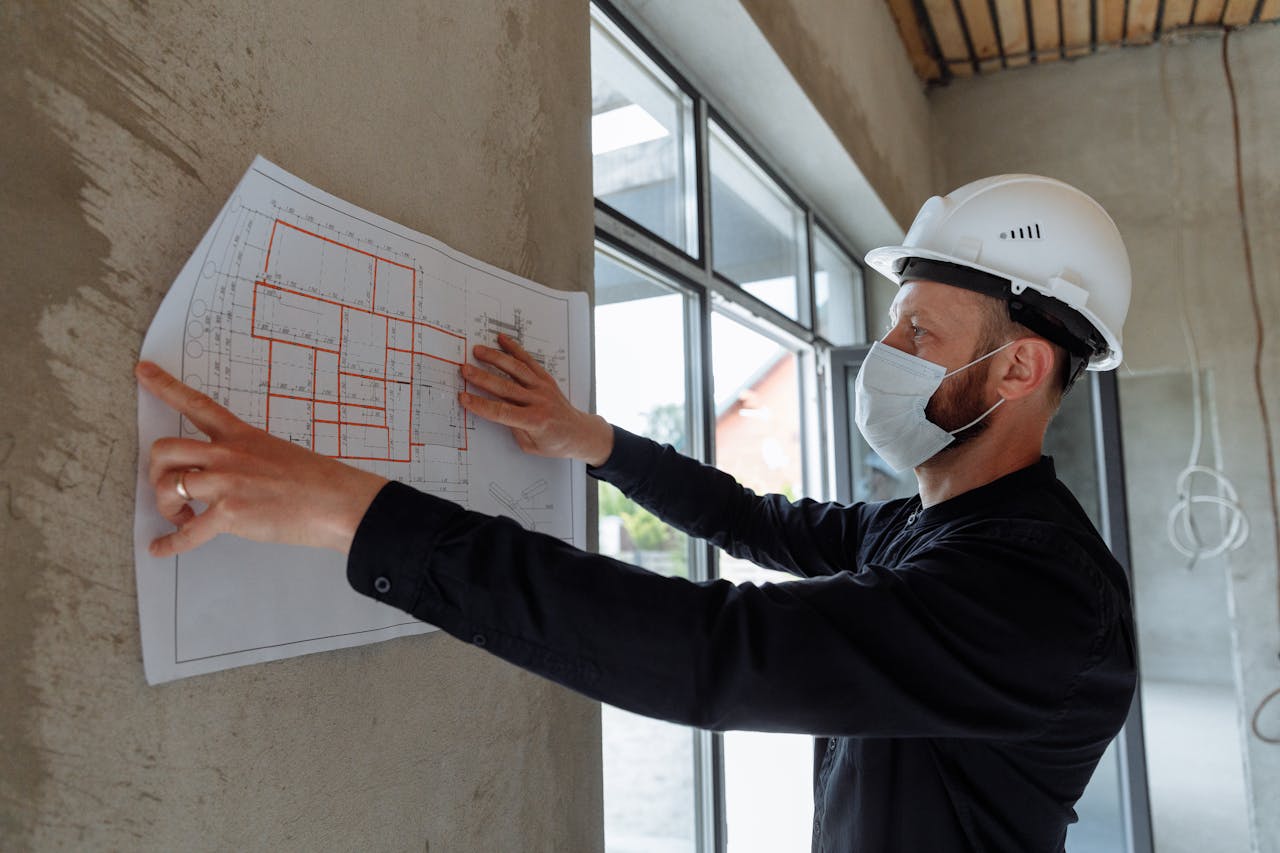
A Title 24 report is prepared by an energy-compliance professional who reviews the project documents, completes the applicable analysis, and generates the required forms.
The preparation process may include:
- Reviewing the proposed scope
- Examining the architectural plans
- Reviewing window and door information
- Reviewing insulation and roof assemblies
- Reviewing mechanical equipment
- Reviewing duct and ventilation information
- Reviewing water-heating systems
- Reviewing commercial lighting and controls
- Identifying missing or conflicting information
- Completing project-specific calculations
- Preparing the applicable forms
- Coordinating the documentation with the plans
A professionally prepared report should be based on the actual project instead of a generic description or a report copied from another building.
For broader information about professional services, review the Title 24 consultants page.
Does the Consultant Have to Be Certified?
The word “certified” may refer to a specific credential, qualification, registration, training program, or role. The source information provided for this page does not establish one universal certification that applies to every person who prepares every type of Title 24 report.
Clients should ask direct questions instead of relying on a broad label.
Ask:
- What experience does the consultant have?
- Has the consultant handled this type of project?
- What calculations and forms will be prepared?
- Which plans will be reviewed?
- How are revisions handled?
- How are correction comments handled?
- What does the consultant mean by “certified”?
- Does a particular credential apply to this project?
Do not assume that a company name, marketing phrase, or informal use of “certified” proves a specific credential.
Alternative Energy Systems supports its services with more than 30 years of California energy-compliance experience. This page does not claim an unspecified professional certification for AES.
Why Experience Still Matters
A consultant must be able to interpret the construction documents and recognize when the information is incomplete or inconsistent.
Experience can help with:
- Understanding different residential and commercial scopes
- Identifying missing plan information
- Recognizing conflicts between schedules and drawings
- Evaluating existing and proposed construction
- Coordinating energy measures with architects and contractors
- Addressing revisions
- Reviewing plan-check correction comments
- Keeping the report aligned with the current design
The quality of the report depends on both the technical analysis and the project information used to prepare it.
Does the Building Department Certify the Report?
A building department reviews the permit package according to its applicable procedures. Acceptance during plan review should not be confused with a broad certification of every design, product, installation, or construction activity.
The jurisdiction may review whether:
- The required forms are included
- The report applies to the correct project
- The project address is correct
- The plans and forms are coordinated
- Window information is consistent
- Insulation measures appear on the drawings
- Mechanical information is documented
- Lighting and controls are addressed when applicable
- Other permit requirements have been satisfied
The building department may approve the permit package, request revisions, or issue correction comments.
A report should not be advertised as guaranteed to receive approval. The jurisdiction controls its own review, and the complete project may involve subjects outside the energy consultant’s scope.
Does a Completed Report Guarantee Permit Approval?
No. A completed Title 24 report supports the energy-compliance portion of the permit package, but it does not guarantee approval of the entire project.
Corrections may still be issued because:
- The report does not match the current plans
- The project scope changed
- Window schedules are inconsistent
- Insulation details are incomplete
- Mechanical equipment differs between documents
- Ventilation information is missing
- Commercial lighting controls are incomplete
- Other architectural or engineering issues remain
- The jurisdiction requests additional clarification
Accurate preparation and early coordination can reduce preventable inconsistencies, but no consultant can control every part of the building department’s review.
Is a Title 24 Report the Same as a Certificate?
A Title 24 report is better understood as a compliance package rather than a single general-purpose certificate.
Depending on the project, the package may include calculations and forms documenting:
- Building-envelope characteristics
- Window and door performance
- Roofing information
- HVAC efficiency
- Duct location
- Ventilation
- Water heating
- Residential lighting measures
- Commercial lighting power
- Lighting controls
- Other applicable energy measures
The exact documentation depends on whether the project is residential or commercial and whether it involves new construction, an addition, an alteration, equipment work, lighting work, or another permit scope.
Not every project uses the same calculations or forms.
Are the Compliance Forms Certified?
The forms document the project information and energy measures used in the analysis. Whether someone describes those forms as “certified” depends on the specific requirement being discussed.
A more useful review is to confirm whether the forms:
- Apply to the correct property
- Identify the correct project type
- Match the latest plan set
- Include the applicable calculations
- Identify the selected compliance measures
- Reflect the specified windows and doors
- Reflect the proposed insulation
- Reflect the HVAC and ventilation systems
- Reflect the water-heating equipment
- Reflect the commercial lighting and controls when applicable
A label is less important than whether the documentation is accurate, complete, current, and suitable for the specific permit submission.
Does the Report Need to Match the Construction Plans?
Yes. The report and construction drawings must communicate the same project requirements.
The plans may show:
- Conditioned floor area
- Wall and roof construction
- Insulation
- Window sizes and locations
- Exterior doors
- HVAC equipment
- Ductwork
- Ventilation
- Water heating
- Lighting fixtures
- Lighting controls
The report uses these details to complete the energy analysis.
A report cannot be made reliable by calling it certified when it was prepared from outdated drawings. Likewise, coordinated plans may remain incomplete for permit submittal when the applicable energy documentation has not been prepared.
What Happens if the Plans Change?
The report may need revision when the project changes after the original analysis.
Changes may include:
- Conditioned floor area
- Building geometry
- Window sizes
- Window performance values
- Exterior-door specifications
- Insulation values
- Roof or ceiling assemblies
- HVAC equipment
- Duct locations
- Ventilation systems
- Water-heating equipment
- Commercial lighting fixtures
- Lighting controls
- The overall permit scope
An earlier report should not be treated as applicable automatically after a significant design change.
Submit the latest plans and a written change summary so AES can determine whether the calculations or forms must be updated.

Are HERS Verification and Report Preparation the Same?
No. The energy report and field verification are separate parts of the compliance process.
The Title 24 consultant prepares the energy analysis and applicable forms. Some residential projects may also involve measures that require field testing or verification by the appropriate professional.
The report may identify measures involving:
- Duct-related requirements
- Airflow
- Mechanical equipment
- Other performance-sensitive features
However, the report itself does not substitute for:
- Field testing
- Construction inspections
- Installation verification
- Diagnostic testing
- Documentation completed during construction
When someone asks whether a report is certified, determine whether that person is actually asking about separate HERS testing or field verification.
For additional context, review Title 24 vs. CALGreen.
Does Field Verification Certify the Entire Report?
Field verification addresses particular measures or installation conditions associated with the project. It should not be described as a blanket certification of the complete building, permit package, or work of every design professional.
The project team should understand:
- Which measures appear in the energy report
- Which measures require field verification
- Who is responsible for arranging verification
- When the verification must occur
- What documentation must be completed
The report, plans, installation, and verification should remain coordinated throughout the project.
Are Residential Title 24 Reports Certified?
Residential reports are project-specific compliance documents prepared for homes and other residential scopes.
Projects may include:
- New single-family homes
- New multifamily buildings
- Detached ADUs
- Attached ADUs
- Garage conversions
- Room additions
- Second-story additions
- Major remodels
- Window or envelope alterations
- HVAC-related permit work
The residential analysis may evaluate:
- Conditioned floor area
- Building orientation
- Wall, roof, ceiling, and floor assemblies
- Window area and performance
- Heating and cooling equipment
- Duct locations
- Mechanical ventilation
- Domestic water heating
- Applicable lighting measures
The most important question is whether the report is properly prepared for the current residential design—not whether someone has applied the word “certified” without defining it.
Are ADU Title 24 Reports Certified?
An ADU report is prepared for the specific accessory dwelling unit shown in the plans.
AES may need:
- ADU floor plan
- Exterior elevations
- Building sections
- Roof plan
- Window and exterior-door schedule
- Insulation details
- HVAC specifications
- Ventilation information
- Water-heating details
For an attached ADU or garage conversion, the plans should distinguish the existing structure from the proposed conditioned living area.
A report prepared for a different ADU design, another property, or an outdated plan set should not be considered valid for the current project merely because it appears complete.
Visit the ADU Title 24 page for related information.

Are Commercial Title 24 Reports Certified?
Commercial reports document the applicable energy requirements for the proposed nonresidential scope.
Commercial analysis may involve:
- Building-envelope performance
- Mechanical systems
- Ventilation
- Service water heating
- Interior lighting power
- Exterior lighting
- Lighting controls
Projects may include:
- New nonresidential buildings
- Office tenant improvements
- Retail build-outs
- Restaurant improvements
- Warehouse alterations
- Mixed-use projects
- Commercial HVAC replacements
- Interior lighting alterations
- Exterior lighting projects
- Multifamily common-area improvements
Commercial projects frequently require coordination among architects, mechanical engineers, electrical designers, contractors, owners, and property managers.
A commercial report should be evaluated according to its accuracy, scope, plan coordination, and suitability for the project—not an undefined certification label.
For related support, review Title 24 compliance services and Title 24 energy analysis.
What Should You Verify Before Accepting a Title 24 Report?
Before using the report for permit submittal, confirm:
- The project address is correct
- The client or project name is correct
- The report applies to the current plan set
- The occupancy and project scope are correct
- The conditioned floor area is correct
- The windows match the plans
- The insulation matches the details
- The HVAC information is current
- The duct and ventilation information is accurate
- The water-heating equipment is current
- The commercial lighting information is coordinated
- The applicable forms are included
- Potential field-verification measures are understood
Contact the consultant when any information appears inconsistent.
Questions to Ask When Someone Requests a Certified Report
Ask the requesting party:
- What do you mean by “certified”?
- Are you requesting project-specific energy calculations?
- Are you requesting completed compliance forms?
- Do you need documents for a permit submittal?
- Are you asking whether the building department accepted the report?
- Are you asking about the consultant’s qualifications?
- Are you requesting field testing or HERS verification?
- Does the jurisdiction require a particular form or credential?
- Does the report need to be revised for the current plans?
These questions can prevent the project team from ordering the wrong service.
Warning Signs of an Unreliable Report
Be cautious when a report:
- Does not identify the correct property
- Appears to have been copied from another project
- Uses outdated plans
- Contains floor areas that do not match the drawings
- Lists different windows from the plan schedule
- Uses HVAC equipment that is no longer proposed
- Omits relevant commercial lighting information
- Claims guaranteed permit approval
- Uses “certified” without explaining the term
- Ignores major design changes
A professional report should be traceable to the actual plans and specifications.
Can an Existing Report Be Reused?
An existing report may provide useful background, but it should be compared with the current project before reuse.
AES may need:
- The previous report
- The plan set used for that report
- The latest plans
- Updated product specifications
- A written summary of design changes
- Existing building-department comments
The report may require revision when the project changes:
- Floor area
- Windows
- Insulation
- Roofing
- HVAC equipment
- Ventilation
- Water heating
- Commercial lighting
- The permit scope
An old report does not become applicable to a revised project simply because someone previously described it as certified.
Can AES Help With Plan-Check Corrections?
AES can review energy-related plan-check comments and determine whether the calculations, forms, specifications, or plan notes need attention.
Submit:
- The complete correction notice
- The latest architectural plans
- Current mechanical plans
- Current electrical and lighting plans
- The previously submitted report
- Updated product and equipment specifications
- A written summary of changes already made
Correction comments may involve:
- Missing forms
- Inconsistent specifications
- Incomplete plan notes
- Window discrepancies
- Mechanical information
- Ventilation
- Lighting controls
- Differences between the report and drawings
Addressing the complete notice is generally more effective than reviewing one isolated comment without the surrounding project information.
Why Choose Alternative Energy Systems?
Alternative Energy Systems provides professional Title 24 report and energy-calculation support for homeowners, contractors, architects, designers, developers, property managers, and commercial clients throughout California.
AES brings more than 30 years of California energy-compliance experience to:
- New residential construction
- New commercial construction
- ADUs and garage conversions
- Additions and remodels
- Multifamily improvements
- Commercial tenant improvements
- HVAC and lighting projects
- Plan-check corrections
- Revisions to existing reports and calculations
AES reviews the actual project, identifies the information needed, completes the applicable analysis, and prepares documentation that coordinates with the current plans.
Learn more on the About Us page or review the company’s professional background on the clients page.
Request a Project-Specific Title 24 Report
Call (626) 365-1518 | Alternative Energy Systems
Understanding Are Title 24 Reports Certified requires more than a yes-or-no label. The report is a project-specific compliance package that should be prepared from the current plans and applicable building-system information.
The documentation does not automatically certify every part of the building, guarantee permit approval, replace field verification, or establish that the consultant holds an unspecified credential.
Alternative Energy Systems can review your residential or commercial project, explain which calculations and forms may apply, identify missing information, and prepare the energy-compliance documentation needed for coordination with the permit plans.
Call (626) 365-1518 to:
- Describe your project
- Ask which documents should be submitted
- Request a project-specific quote
- Clarify what a “certified” report request means
- Discuss potential field-verification requirements
- Request help with plan-check corrections
- Request revisions to an existing report
You may also begin through the contact page. When the service and payment amount have already been arranged, payment can be completed through the AES payment page.
- Phone: (626) 365-1518
- Email: info@title24energy.com
- Payment: AES Payment
Do not rely on an undefined certification claim. Call Alternative Energy Systems at (626) 365-1518 and request a report prepared for the current project plans.
Frequently Asked Questions: Are Title 24 Reports Certified?
Are Title 24 Reports Certified?
A Title 24 report is a project-specific energy analysis and compliance package. Whether someone calls it certified depends on what that term is intended to mean. Ask whether the request concerns professional preparation, permit forms, jurisdictional acceptance, consultant credentials, or field verification.
Is a Title 24 report a certificate?
It is more accurately described as an energy-compliance package containing project information, calculations, measures, and applicable forms.
Who prepares a Title 24 report?
An energy-compliance professional reviews the project documents, completes the applicable analysis, and prepares the required forms.
Does every Title 24 consultant have the same certification?
The supplied source does not establish one universal certification that applies to every consultant or project. Ask what specific qualification or credential is being requested.
Is AES certified?
This page does not claim that AES holds an unspecified certification. AES supports its services with more than 30 years of California energy-compliance experience.
Does a completed report certify the entire building?
No. The report documents the energy-related design information evaluated for the project. It does not replace architectural, structural, mechanical, electrical, plumbing, inspection, or other permit requirements.
Does the building department certify the report?
The jurisdiction reviews the permit package under its procedures. Approval or acceptance should not be confused with a blanket certification of every design and construction activity.
Does a certified report guarantee permit approval?
No. The complete project remains subject to building-department review, and correction comments may still be issued.
Does the report certify that construction was installed correctly?
No. The report is prepared from the project documents. Construction inspections and applicable field verification occur separately.
Is HERS verification included in the report?
The report may identify applicable verification measures, but field testing and verification are separate activities performed by the appropriate professional.
Are residential reports certified?
Residential reports are project-specific compliance documents. Their accuracy depends on whether they reflect the current home, ADU, addition, conversion, or remodel plans.
Are commercial reports certified?
Commercial reports document the applicable envelope, mechanical, water-heating, lighting, and control requirements for the proposed scope. The term certified should be clarified before it is used.
Can I reuse a certified report from another project?
No report should be reused automatically for a different property or design. The calculations and forms must apply to the actual project.
Can I reuse an older report for revised plans?
AES should compare the previous report with the latest plans. Changes to floor area, windows, insulation, HVAC, water heating, lighting, or scope may require revision.
What should I verify before submitting the report?
Confirm the address, plan version, project scope, floor area, windows, insulation, HVAC, ventilation, water heating, lighting, controls, and applicable forms.
What should I ask when someone requests a certified report?
Ask whether the person needs professional calculations, permit forms, building-department acceptance, a specific consultant credential, or separate field verification.
Does the report replace the architectural plans?
No. The report evaluates energy-related information within the design and must remain coordinated with the construction plans.
How do I request a Title 24 report?
Call Alternative Energy Systems at (626) 365-1518, describe the project, and submit the current plans for review.