
Why Is a Title 24 Report Important?
Call (626) 365-1518 | Alternative Energy Systems
Energy compliance can affect a California construction project long before work begins in the field. Why Is a Title 24 Report Important is a practical question for homeowners, contractors, architects, designers, developers, property managers, and business owners who need their permit documents to accurately reflect the proposed building design.
A Title 24 report is important because it documents how a residential or commercial project addresses applicable California energy-efficiency requirements. It evaluates energy-related features shown in the plans and produces compliance forms that support the permit application.
The report may account for insulation, windows, doors, roofing, HVAC equipment, ductwork, ventilation, water heating, lighting, controls, and other building features that affect energy performance. These details must be coordinated with the construction drawings so the building department, design team, contractors, and inspectors are working from consistent information.
Alternative Energy Systems has more than 30 years of experience preparing California energy-compliance documentation for residential, multifamily, mixed-use, and commercial projects. AES reviews the actual project information, identifies missing details, completes the applicable analysis, and prepares forms that can be coordinated with the permit set.
Call (626) 365-1518 to discuss your project, request a quote, or find out what documentation may be needed before plan submittal.
Why Is a Title 24 Report Important for a Building Permit?
A Title 24 report is important to the permit process because it provides documented energy-compliance information that can be reviewed alongside the architectural, mechanical, electrical, and supporting construction plans.
The report helps identify the energy measures associated with the proposed design. Depending on the project, those measures may include:
- Wall, roof, ceiling, and floor insulation
- Window and glazed-door performance
- Window area and orientation
- Roofing and cool-roof characteristics
- Heating and cooling equipment efficiency
- Duct location and insulation
- Mechanical ventilation
- Domestic water-heating systems
- Residential lighting requirements
- Commercial lighting power and controls
- Solar-related measures when applicable
- Measures that may require field verification
Without the required energy documentation, a permit package may be considered incomplete. If the report is present but does not match the plans, the building department may request clarification or corrections before the project can proceed.
The value of the report is therefore not limited to satisfying a paperwork requirement. It helps connect the proposed design to the energy measures that must be represented during permitting, construction, and inspection.
For additional background, review what Title 24 is and the Title 24 energy code overview.
Why Is a Title 24 Report Important Before Plans Are Submitted?
Preparing the report before the permit drawings are finalized gives the project team an opportunity to identify missing or conflicting information while changes are still manageable.
Energy compliance may influence decisions involving:
- Window sizes and performance ratings
- Exterior wall assemblies
- Roof and ceiling insulation
- Heating and cooling equipment
- Duct location
- Ventilation systems
- Water-heating equipment
- Commercial lighting fixtures
- Lighting-control strategies
When these details are left unresolved until the end of design, the energy analysis may reveal that the proposed plans require additional coordination. This can lead to updated specifications, revised plan notes, new equipment selections, or other changes before the report can be completed.
Early review is especially important when a project has large window areas, unusual building geometry, limited insulation space, substantial mechanical loads, or several design disciplines working on separate portions of the permit set.
A timely Title 24 report allows the architect, designer, contractor, and property owner to understand the required energy measures before those decisions become more expensive or disruptive to change.

Why Accurate Coordination Matters
The Title 24 report and the construction plans serve different purposes, but they must describe the same project.
The plans show what is proposed for construction. The energy report evaluates energy-related features within that design and documents the measures used to demonstrate compliance.
Coordination problems can occur when:
- The report lists windows that differ from the window schedule
- The HVAC equipment changes after the calculations are completed
- Insulation values differ between the plans and forms
- The conditioned floor area is revised without updating the analysis
- The roof assembly changes during design
- Commercial lighting fixtures or controls are replaced
- Water-heating equipment is selected after the report is finalized
- An outdated report is submitted with a revised plan set
Even when each individual document appears complete, conflicting information can create uncertainty during plan review. The building department may need clarification before determining which values and systems represent the final design.
AES helps clients reduce these conflicts by reviewing the available plans and preparing the report around the actual project information. When a required detail is missing, it can be identified before the forms are finalized.
Why Is a Title 24 Report Important for Construction?
The importance of the report continues after permit approval. The compliance measures documented in the energy forms can affect which products are purchased, how systems are installed, what contractors must verify, and what inspectors expect to see in the completed project.
Contractors may need to follow requirements involving:
- Insulation type, location, and installed value
- Window and exterior-door performance
- Roofing characteristics
- Heating and cooling equipment efficiency
- Duct insulation and location
- Ventilation equipment
- Water-heating systems
- Lighting fixtures and controls
- Additional verification measures identified in the report
If a contractor substitutes a product or system that does not match the approved documentation, the change may need to be reviewed. Some substitutions can affect the overall compliance analysis even when the new product appears similar.
Keeping the report available during construction gives the project team a reference for the energy measures connected to the approved design. It also helps property owners and contractors recognize when a proposed change should be evaluated before installation.
How a Title 24 Report Can Reduce Permit Delays
A carefully prepared report cannot guarantee permit approval, but it can reduce avoidable energy-related delays by presenting the required information in a clear and coordinated manner.
Common sources of delay include:
- Missing compliance forms
- Incomplete window specifications
- Conflicting square-footage information
- Unidentified insulation assemblies
- Missing HVAC equipment data
- Incomplete commercial lighting information
- Energy forms based on an outdated plan set
- Unresolved design changes
The report gives the project team an opportunity to address these issues before the building department identifies them during plan check.
When corrections are issued, a well-organized report also provides a clearer starting point for determining what must be changed. The consultant can compare the correction comments with the current plans and identify whether the calculations, forms, specifications, or plan notes require revision.
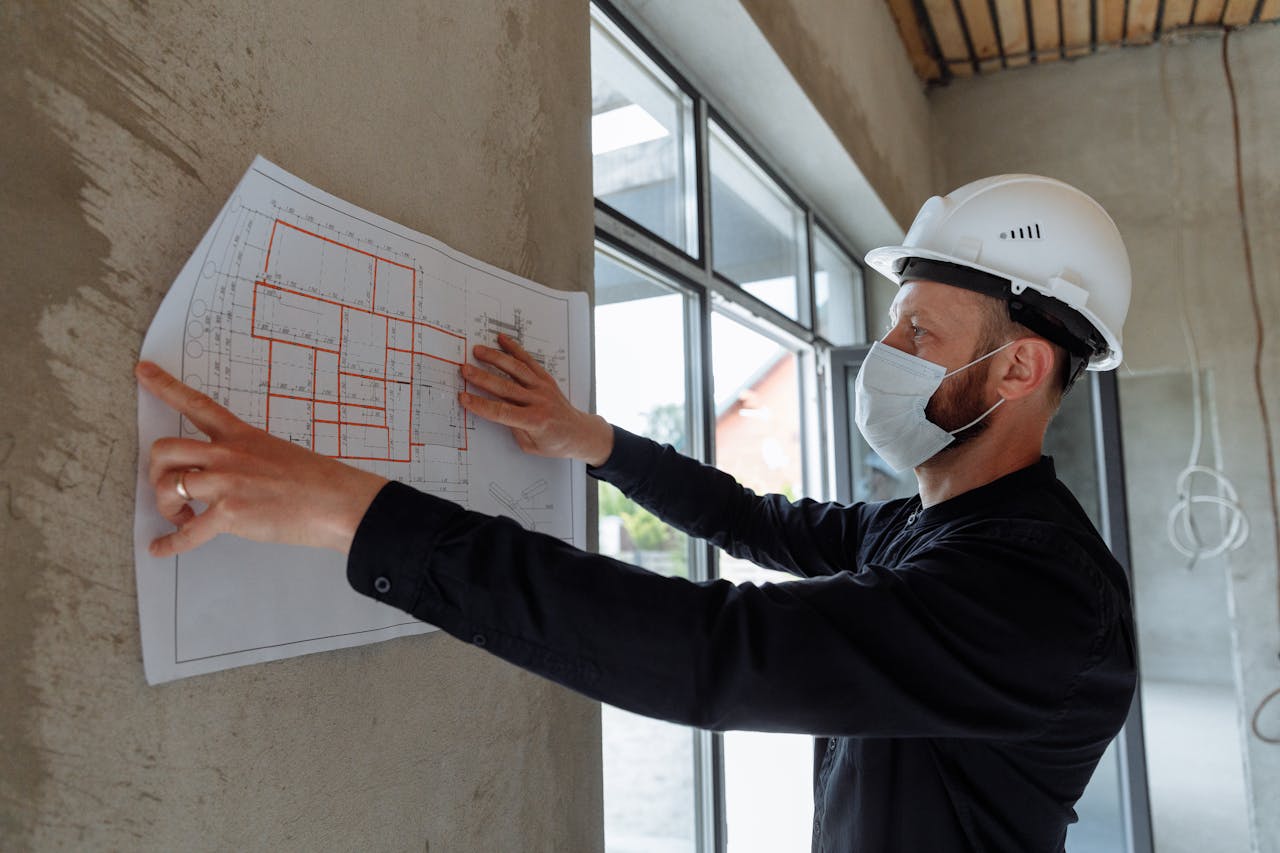
Why Is a Title 24 Report Important for Residential Projects?
For a residential project, a Title 24 report documents the energy-related features of a new home, ADU, garage conversion, addition, remodel, or qualifying multifamily improvement.
The analysis may evaluate:
- Conditioned floor area
- Building orientation
- Exterior wall assemblies
- Roof and ceiling insulation
- Floor insulation when applicable
- Window area and performance
- Exterior-door characteristics
- Heating and cooling systems
- Duct location
- Ventilation
- Water heating
- Applicable lighting measures
Residential features often interact within the energy analysis. A change to the window area or performance may influence other portions of the design. The same can be true for insulation, roofing, HVAC equipment, and water-heating selections.
The report helps turn those individual design decisions into a coordinated compliance package. It also provides the contractor with clearer information about the measures that must be carried through construction.
Why Is a Title 24 Report Important for an ADU?
An ADU creates new or converted living space that may be subject to current energy requirements. The report is important because it evaluates the proposed building envelope, windows, HVAC system, ventilation, water heating, and other applicable residential features.
A detached ADU may be analyzed as a separate structure. An attached ADU or garage conversion may require additional coordination between existing and proposed construction.
The report can help clarify:
- Which portions of the structure are conditioned
- What insulation values are proposed
- Which windows and doors are included
- What heating and cooling equipment will be installed
- How domestic hot water will be provided
- Whether added verification measures may apply
For more information about these projects, visit the ADU Title 24 page.
Why the Report Matters for Additions and Remodels
Additions and remodels can be more complicated than their size suggests because the plans must distinguish existing construction from the proposed work.
A report may be important when the project changes:
- Conditioned floor area
- Exterior walls
- Roof or ceiling assemblies
- Windows and exterior doors
- HVAC equipment
- Ventilation
- Water-heating systems
- Other energy-related components
Clear documentation helps the consultant evaluate the correct scope instead of making assumptions about which portions of the building are existing, altered, replaced, or new.
Why Is a Title 24 Report Important for Commercial Projects?
Commercial and nonresidential projects may involve energy requirements for the building envelope, mechanical systems, ventilation, service water heating, lighting power, and lighting controls.
A Title 24 report can be important for:
- Office tenant improvements
- Retail build-outs
- Restaurant improvements
- Warehouse alterations
- Mixed-use projects
- Commercial HVAC replacements
- Interior and exterior lighting projects
- Multifamily common areas
- New nonresidential buildings
Commercial projects often require information from several design professionals. Architectural plans may define the space and building envelope, while mechanical and electrical plans identify the systems and controls.
The report provides a coordinated energy-compliance reference for those different project components. It can identify whether fixture schedules, equipment specifications, control notes, ventilation information, or envelope details are incomplete or inconsistent.
For related professional assistance, review Title 24 compliance services and Title 24 energy analysis.

Why the Report Is Important When Comparing Compliance Options
A project may have more than one possible way to address energy compliance. The report helps evaluate the proposed design under the applicable method and shows whether the selected combination of building features and systems satisfies the required criteria.
A design may need to balance several factors, including:
- Window area and performance
- Insulation levels
- Roof characteristics
- Mechanical-system efficiency
- Water-heating performance
- Lighting power and controls
This is important because improving one component may affect the options available elsewhere in the design. The report provides a structured way to evaluate those relationships instead of treating every product or system as an isolated selection.
For more information about the evaluation process, visit the Title 24 energy calculations page.
Why Is a Title 24 Report Important for HERS-Related Requirements?
Some residential projects may include energy measures that require field testing or verification. Whether these requirements apply depends on the project scope, mechanical design, duct conditions, equipment, and selected compliance path.
The report is important because it can identify applicable verification measures before construction reaches the stage when testing or documentation is expected.
The Title 24 consultant prepares the energy analysis and forms. Required field testing or verification is completed separately by the appropriate professional.
Understanding this distinction helps property owners and contractors plan for the complete compliance process rather than assuming the report itself satisfies every field requirement.
The project team should review the completed documentation and determine whether additional verification steps are identified. This can help avoid discovering an unexpected requirement near the end of construction.
For context about related code subjects, review Title 24 vs. CALGreen.
Why the Report Matters During Plan-Check Corrections
When a building department issues energy-related correction comments, the Title 24 report becomes an important reference for identifying what information needs to be revised or clarified.
Corrections may involve:
- Missing or incomplete forms
- Differences between the report and plans
- Unclear window specifications
- Incomplete insulation notes
- Mechanical equipment discrepancies
- Ventilation questions
- Commercial lighting or control information
- Outdated documentation
AES should receive the complete correction notice rather than an isolated comment. The full notice provides context and helps determine whether the issue affects only the energy forms or requires updates elsewhere in the permit documents.
Helpful materials include:
- The complete building-department correction notice
- The latest architectural plan set
- Current mechanical and electrical plans
- Updated product and equipment specifications
- A summary of changes made after the original report
Call (626) 365-1518 if your project has received plan-check corrections involving its energy documentation.
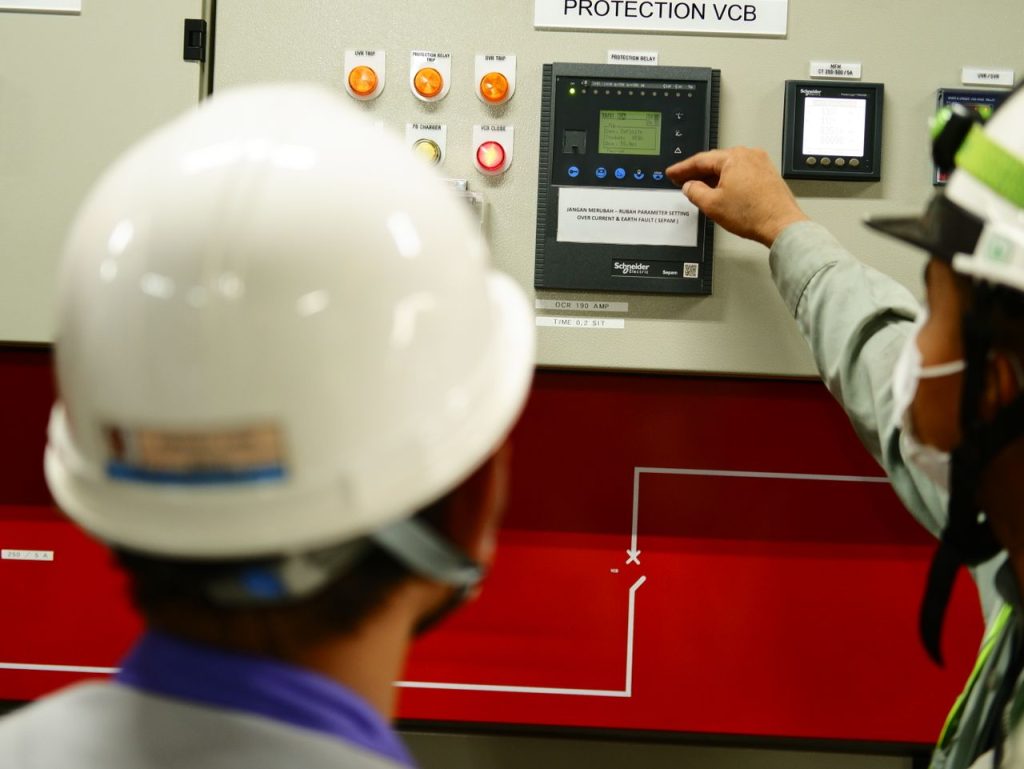
Why Is a Title 24 Report Important When the Design Changes?
The report is based on the project information available when the analysis is completed. When that information changes, the report may need to be reviewed or revised.
Changes that can affect the documentation include:
- Increasing or decreasing conditioned floor area
- Changing window sizes or performance ratings
- Revising insulation assemblies
- Changing roofing characteristics
- Selecting different HVAC equipment
- Relocating ductwork
- Changing ventilation systems
- Replacing water-heating equipment
- Revising commercial lighting fixtures
- Changing lighting controls
- Expanding or reducing the permitted scope
An outdated report can create conflicts when it is submitted with revised drawings. It can also cause problems during construction when contractors follow a design that differs from the approved energy forms.
Send AES the latest plans and a clear description of the changes before assuming the original report remains valid.
Why Is a Complete Plan Set Important?
The quality of the Title 24 report depends heavily on the quality of the information provided.
A useful plan set may include:
- Floor plans
- Exterior elevations
- Building sections
- Roof plans
- Window and exterior-door schedules
- Insulation details
- HVAC equipment specifications
- Duct-location information
- Ventilation details
- Water-heating information
- Commercial lighting schedules
- Commercial lighting-control plans
- Existing plan-check comments
Not every document needs to be complete before AES is contacted. Preliminary review can help identify what is still missing. However, the final report must be based on enough information to describe the proposed building and systems accurately.
Before submitting documents, review what AES will need from you.
How the Report Supports Better Project Decisions
The report can help the project team make informed decisions before products are ordered and construction begins.
For example, it may reveal that:
- Additional window performance is needed
- An insulation assembly requires clarification
- A proposed HVAC system needs complete specifications
- The roof characteristics differ from the plan notes
- Commercial lighting information is incomplete
- A selected design feature affects another portion of the analysis
Discovering these issues during design gives the project team more flexibility. Discovering them after plans have been submitted, products have been ordered, or construction has begun can create additional costs and scheduling problems.
The Title 24 report therefore serves as both compliance documentation and a practical coordination tool.
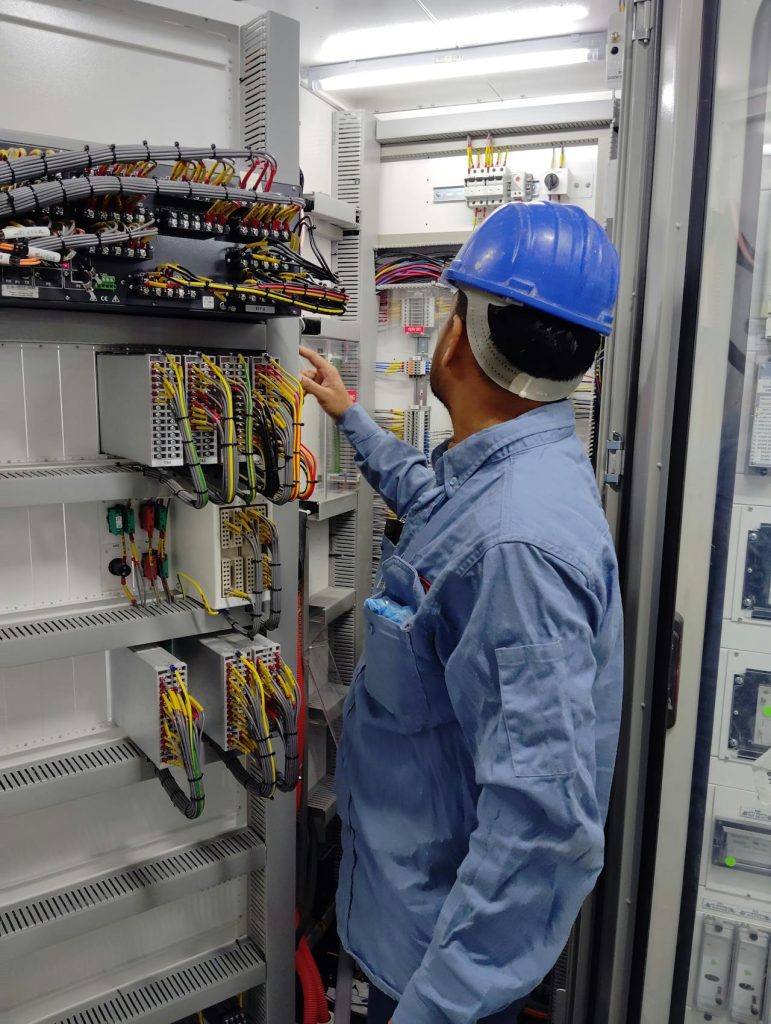
Can a Title 24 Report Save Money?
A report does not guarantee lower construction costs, but preparing it at the right stage can help reduce avoidable expenses connected to redesign, resubmittal, product changes, and schedule disruption.
Potential cost problems may arise when:
- Plans are completed before energy requirements are evaluated
- Products are ordered before required performance values are confirmed
- Equipment is selected without complete compliance information
- The report must be revised several times because the design keeps changing
- Construction proceeds using outdated documentation
- Plan-check corrections delay contractor scheduling
Early coordination does not eliminate every revision, but it gives the project team a better opportunity to address energy-related decisions before they become more costly.
The report may also help contractors understand applicable measures before estimating or purchasing materials, reducing the risk of selecting products that conflict with the approved design.
When Should You Request a Title 24 Report?
The report should generally be requested after enough of the project has been designed to identify the building envelope and major systems, but before the permit package is treated as final.
Contacting AES early can be particularly useful when:
- The project includes large or numerous windows
- The wall or roof assemblies are unusual
- The HVAC system has not been finalized
- The work combines existing and new construction
- The project involves an ADU or garage conversion
- Several consultants are preparing separate plan disciplines
- The building department has already issued corrections
- A previous report no longer matches the design
Waiting until the planned permit-submittal date can create unnecessary pressure if important information is missing.
Call (626) 365-1518 to discuss the project schedule and determine which documents should be submitted first.
How Do You Get a Title 24 Report?
The process begins by providing Alternative Energy Systems with a description of the project and the available plans.
AES will review the scope and determine which additional information may be needed. Once the necessary specifications are available, the applicable analysis can be completed and the compliance forms prepared.
The general process includes:
Submit the Current Plans
Provide the latest architectural plans and any available mechanical, electrical, lighting, or supporting documents.
Identify the Proposed Systems and Materials
Submit the available window, insulation, roofing, HVAC, ventilation, water-heating, and commercial lighting information.
Resolve Missing Details
AES will identify information that must be clarified before the report can be finalized.
Complete the Energy Analysis
The project details are evaluated using the applicable compliance method.
Coordinate the Forms With the Plans
The completed energy measures should be represented accurately throughout the permit set.
Submit the Permit Package
The coordinated report and plans can then be submitted to the applicable building department for review.
Why Choose Alternative Energy Systems?
Alternative Energy Systems provides experienced Title 24 support for homeowners, contractors, architects, designers, developers, property managers, and commercial clients throughout California.
AES has more than 30 years of experience preparing energy-compliance documentation for:
- New residential construction
- New commercial construction
- ADUs and garage conversions
- Room additions
- Residential remodels
- Multifamily improvements
- Commercial tenant improvements
- HVAC and lighting projects
- Plan-check correction responses
- Revisions to existing reports
The report is prepared around the actual project information rather than a generic building description. AES reviews the available documents, identifies missing energy details, and helps clients understand what must be coordinated before permit submittal.
Learn more about the company on the About Us page or review its professional background on the clients page.

Get Professional Help With Your Title 24 Report
Call (626) 365-1518 | Alternative Energy Systems
Understanding Why Is a Title 24 Report Important can help you approach the permit process with fewer unanswered questions. The report documents applicable energy measures, supports coordination between the calculations and plans, and provides information that can remain relevant through construction and inspection.
Alternative Energy Systems can review your project documents, identify missing specifications, complete the applicable energy analysis, prepare the compliance forms, and assist when revisions or correction responses are needed.
Call (626) 365-1518 to:
- Discuss whether your project may require a report
- Find out which plans and specifications to submit
- Request a project-specific quote
- Discuss the anticipated turnaround
- Request help with plan-check corrections
- Update an existing report after design changes
You may also submit project information through the contact page. If service has already been arranged, payment can be completed through the AES payment page.
- Phone: (626) 365-1518
- Email: info@title24energy.com
- Payment: AES Payment
Do not allow incomplete or outdated energy documentation to create preventable problems during plan review or construction. Call Alternative Energy Systems at (626) 365-1518 and request professional assistance with your Title 24 report.
Frequently Asked Questions: Why Is a Title 24 Report Important?
Why Is a Title 24 Report Important?
A Title 24 report is important because it documents how a proposed California building project addresses applicable energy requirements and provides compliance forms that support the permit application.
Why does the report need to match the plans?
The report uses information from the proposed design. When its windows, insulation, equipment, floor area, lighting, or other energy measures differ from the plans, the building department may request clarification or corrections.
Can a permit be submitted without a Title 24 report?
Some projects may require energy documentation as part of a complete permit package. The exact submittal requirements depend on the project scope and the applicable building department.
Does a Title 24 report guarantee permit approval?
No. The report supports the energy-compliance portion of the permit application, but the complete project remains subject to review by the applicable building department.
Why should the report be prepared early?
Early preparation can identify missing specifications, design conflicts, and energy measures that should be reflected in the plans before the permit package is finalized.
Is a Title 24 report important after permit approval?
Yes. Contractors and inspectors may rely on the documented energy measures during construction, installation, verification, and inspection.
Can the report help prevent plan-check corrections?
A coordinated report can reduce avoidable discrepancies, but it cannot guarantee that no corrections will be issued. The building department may request additional information or changes based on its review.
Why is a report important for an ADU?
An ADU may create new or converted conditioned space that requires evaluation of insulation, windows, HVAC equipment, ventilation, water heating, and other residential energy features.
Why is a report important for commercial work?
Commercial energy documentation may address the building envelope, mechanical systems, ventilation, water heating, lighting power, and lighting controls.
Does the report include HERS testing?
The report may identify measures that require field verification, but applicable testing or verification is completed separately by the appropriate professional.
What happens if the project changes?
The report may need to be reviewed or revised when the floor area, windows, insulation, roofing, HVAC equipment, water heating, lighting, or another energy-related feature changes.
What information is needed to prepare the report?
Helpful documents include floor plans, elevations, sections, roof plans, window schedules, insulation notes, HVAC specifications, ventilation information, water-heating details, commercial lighting documents, and existing correction comments.
How much does a Title 24 report cost?
Pricing depends on the project type, size, complexity, available documents, turnaround requirements, and whether revisions are needed. Review Title 24 report pricing in California or call (626) 365-1518 for a quote.
How do I request a Title 24 report?
Call Alternative Energy Systems at (626) 365-1518, describe the proposed work, and submit the available plans. AES can review the scope and explain the next steps.