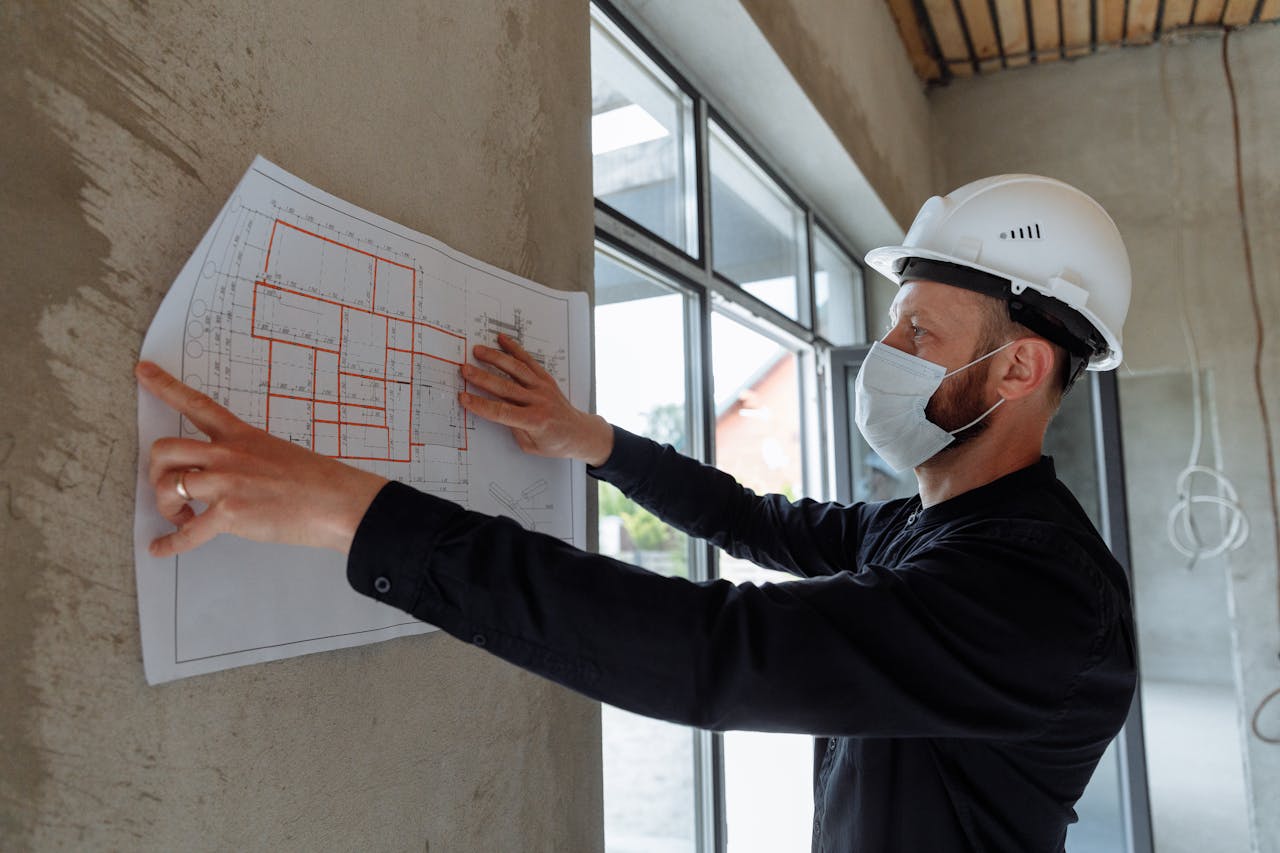
Why Was Title 24 Created by the California Energy Commission?
California is known for leading the nation in sustainability, climate action, and forward-thinking building practices. One of the most powerful tools in the state’s energy-saving arsenal is Title 24. But why was Title 24 created by the California Energy Commission in the first place?
The answer lies in the urgent need to reduce energy consumption, protect the environment, and create buildings that are smarter, healthier, and more efficient. Title 24 was not just a code—it was a vision of a better California, and it’s a requirement that continues to evolve with each code cycle.
At Title24Energy.com, we help homeowners, architects, and contractors comply with these energy regulations quickly and affordably. Whether you’re planning a new build or an addition, our experts can produce permit-ready energy compliance reports—often in just 1 to 3 business days.
Origins of Title 24: Solving an Energy Crisis
Title 24 was created in response to the energy crisis of the 1970s. California’s rapidly growing population and commercial development led to skyrocketing electricity use. The oil embargo and resulting inflation highlighted the need for conservation. Lawmakers realized that unless energy efficiency was built into the construction process, California’s power grid and economy would face serious long-term challenges.
In 1974, the Warren-Alquist Act established the California Energy Commission (CEC) and gave it authority to develop standards for energy consumption in buildings. By 1978, the CEC released Title 24 as part of the California Code of Regulations. Its goal was simple yet revolutionary: reduce energy use through smarter building design and construction.
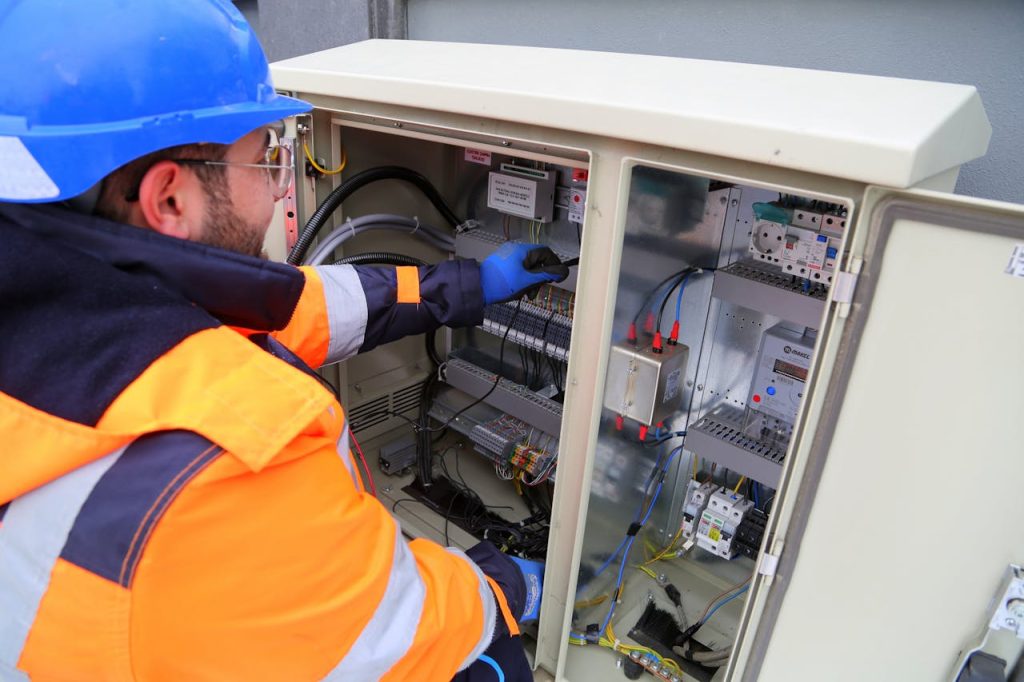
Title 24’s Mission and Vision
Title 24 was designed to transform how homes and commercial spaces were built in California. Instead of allowing inefficiency, it set minimum standards for insulation, windows, lighting, HVAC systems, and more. Over time, these standards have evolved into a dynamic, adaptive code that incorporates modern technologies such as solar energy, electric vehicle readiness, and smart thermostats.
Here’s what Title 24 aims to achieve:
- Lower utility bills for homeowners and business owners
- Reduce strain on California’s electrical grid
- Cut greenhouse gas emissions from buildings
- Promote health and comfort through better indoor environments
- Encourage innovation in sustainable building technologies
Thanks to Title 24, California buildings are among the most energy-efficient in the country—and many other states are following its example.
Why Title 24 Is More Relevant Than Ever
Today, energy conservation isn’t just about saving money. It’s about saving the planet. Buildings account for nearly 40% of all energy consumption in the United States. The CEC knows that if we want to achieve our climate goals, we must start where we live, work, and build.
That’s why Title 24 continues to evolve. The most recent update—the 2022 Building Energy Efficiency Standards—raises the bar again with higher insulation requirements, advanced lighting controls, solar mandates for new homes, and electrification readiness. Each update brings California closer to net-zero carbon construction.
Whether you’re building a home in Los Angeles or remodeling an office in Sacramento, staying compliant with Title 24 isn’t optional—it’s essential.

How Title24Energy.com Helps You Meet These Standards
Navigating state energy regulations can feel overwhelming, especially with every code update. That’s where we come in. At Title24Energy.com, our certified consultants understand the “why” behind the law and help you meet every requirement—without delays or overcharges.
We offer:
- Permit-ready Title 24 reports for residential and commercial projects
- Fast 1–3 day turnaround for most jobs
- Flat-rate pricing with no hidden fees
- Expert coordination with architects, designers, and contractors
- Support for revised plans and HERS testing when applicable
We’re not just document preparers—we’re energy compliance experts who care about your timeline, your budget, and the environment.
Start Your Project Right—Compliant from Day One
Title 24 was created by the California Energy Commission to ensure that every building in the state helps lead the way toward a more sustainable future. Your project can be part of that vision—when you work with a team that understands what it takes to get approved fast and stay fully compliant.
Call us today at (626) 365-1518 or visit https://title24energy.com to submit your plans and get your Title 24 report started now.
Let Title24Energy.com help you fulfill the mission behind California’s energy laws—while keeping your project moving, compliant, and ready for inspection. We’re here to help every step of the way.
Frequently Asked Questions – Why Was Title 24 Created by the California Energy Commission?
Why was Title 24 created in the first place?
Title 24 was created to reduce California’s energy consumption and promote sustainable, energy-efficient building practices statewide.
What triggered the creation of Title 24?
The 1970s energy crisis and increasing environmental concerns prompted lawmakers to develop a statewide energy efficiency code.
What year was Title 24 officially implemented?
Title 24 was introduced in 1978 by the California Energy Commission under the authority of the Warren-Alquist Act.
What is the Warren-Alquist Act?
It’s the legislation that established the California Energy Commission and empowered it to develop energy efficiency standards like Title 24.
Who enforces Title 24 in California?
The California Energy Commission develops the code, and local building departments enforce compliance during plan review and inspections.
What are the goals of Title 24?
To reduce greenhouse gas emissions, lower utility bills, decrease energy demand, and improve building performance across the state.
Does Title 24 apply to residential buildings?
Yes. It applies to both residential and nonresidential new construction, additions, and major alterations.
Is Title 24 a building code or an energy law?
Title 24 is part of the California Building Standards Code and focuses on energy efficiency requirements.
How does Title 24 affect the environment?
It reduces the state’s carbon footprint by promoting low-energy designs and technologies in buildings.
What types of systems does Title 24 regulate?
It regulates lighting, insulation, HVAC, windows, solar panels, ventilation, and water heating systems.
Why does Title 24 keep getting updated?
The code is updated every three years to reflect new technologies, market trends, and California’s evolving climate goals.
What’s the latest version of Title 24?
The most current version is the 2022 Building Energy Efficiency Standards, which took effect January 1, 2023.
How do I meet Title 24 requirements?
You must submit an energy compliance report, typically a CF-1R, using approved software like EnergyPro or CBECC.
Why was the California Energy Commission involved?
The CEC was established specifically to oversee and manage the state’s energy policies, including creating efficiency standards like Title 24.
Can I get help with Title 24 compliance?
Yes. Title24Energy.com offers fast, accurate, and affordable reports to help you stay compliant and avoid permit delays.
What if my project doesn’t comply?
Non-compliance can result in rejected permits, construction delays, and additional costs for redesign and testing.
Was Title 24 the first energy code in the U.S.?
Yes, California was the first state to mandate energy efficiency in buildings, setting the trend for nationwide policy.
Is Title 24 only about saving energy?
No, it also improves comfort, indoor air quality, and long-term building value.
Does Title 24 apply statewide?
Yes. It is required in every city and county in California, regardless of climate zone or project size.
How do I start my Title 24 report?
Call (626) 365-1518 or visit https://title24energy.com to upload your plans and receive a quote today.