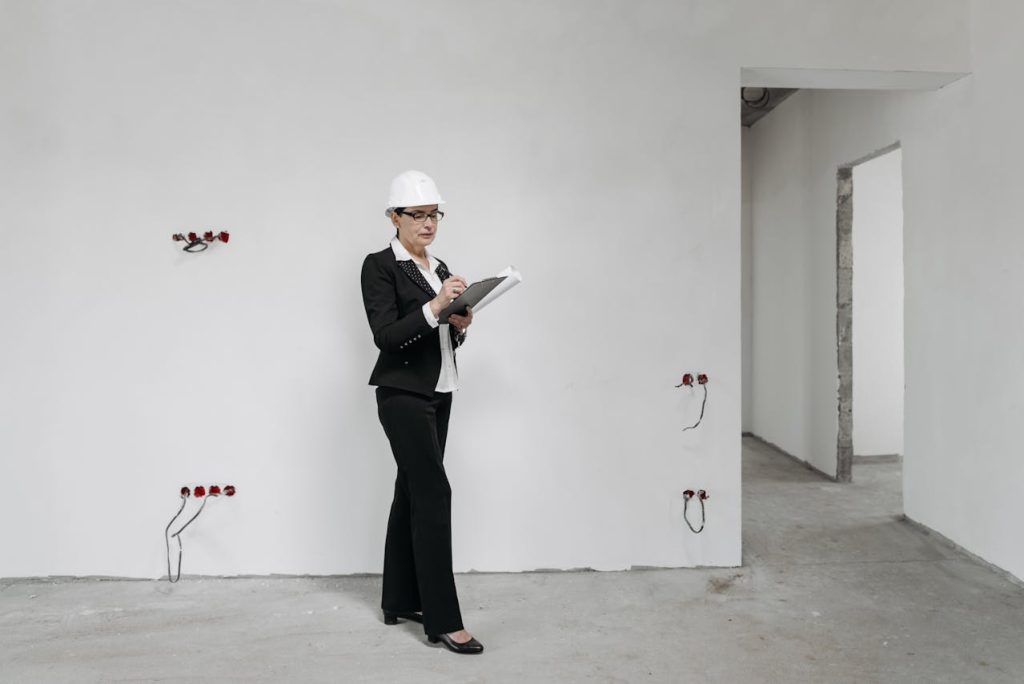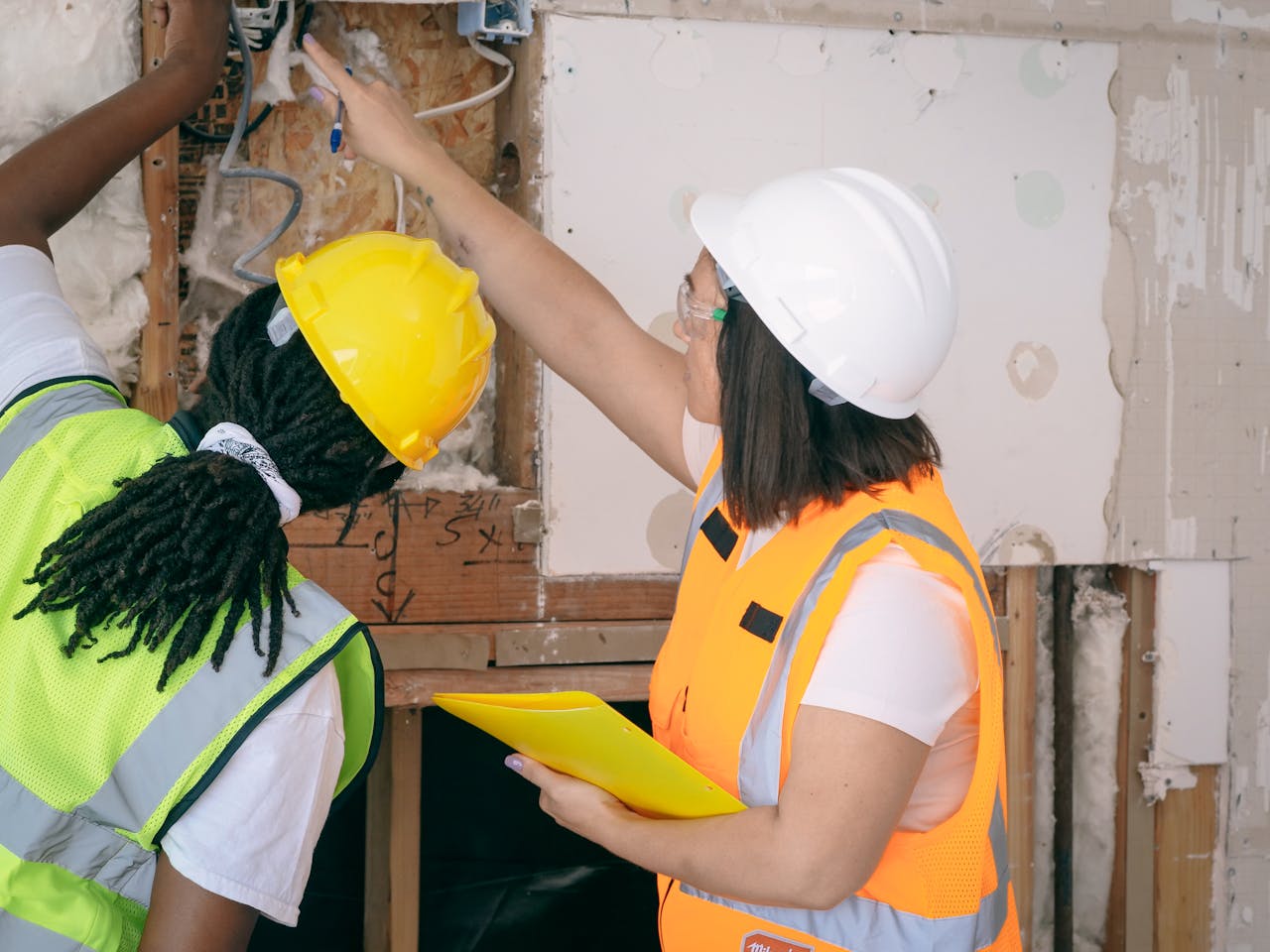
Who Can Sign Off a Title 24 Report?

Who Can Sign Off a Title 24 Report

Who Can Sign Off a Title 24 Report?

Call (626) 365-1518 | Alternative Energy Systems

Who Can Sign Off a Title 24 Report depends on which compliance document is being signed and who is legally responsible for the building design. A Title 24 consultant may prepare the energy calculations and compliance documentation, but preparing the report does not automatically make that consultant the person legally responsible for the architectural, mechanical, electrical, or overall building design.

For a California Certificate of Compliance, there are generally two important roles to understand: the documentation author and the responsible person.

The documentation author signs to certify that the compliance documentation they prepared is accurate and complete. The responsible person signs to accept responsibility for the applicable building or system design and certify that the design conforms to California’s energy requirements.

Depending on the project, the responsible person may be an architect, engineer, contractor, builder, designer, or another person legally eligible to accept responsibility for the applicable design scope.

The correct signer therefore depends on:

  • The type of building
  • Whether the project is residential, multifamily, or commercial
  • The scope of construction
  • The specific compliance form
  • Who prepared the energy documentation
  • Who has legal responsibility for the building or system design
  • Whether the project requires a licensed design professional
  • Whether field verification or acceptance testing is required

Alternative Energy Systems provides Title 24 energy calculations and compliance-documentation support throughout California. AES brings more than 30 years of California energy-compliance experience to residential, multifamily, mixed-use, and commercial projects.

Call (626) 365-1518 if you need help determining which Title 24 documents apply to your project and which project professional should sign them.

The Short Answer: Who Signs a Title 24 Certificate of Compliance?

The California Energy Code distinguishes between the person who prepares the documentation and the person responsible for the design.

For a Certificate of Compliance:

  • The documentation author signs to certify that the documentation is accurate and complete.
  • The responsible person signs to accept responsibility for the applicable design and certify conformance with the Energy Code.

These may be the same person in some projects.

On other projects, they may be two different people.

For example, an energy consultant may prepare the calculations and forms while an architect, engineer, builder, contractor, or other legally eligible responsible designer accepts responsibility for the design.

This distinction is important because a Title 24 consultant should not be described automatically as the person who can provide the final design-responsibility signature for every project.

What Does “Sign Off” Mean on a Title 24 Report?

The phrase “sign off” is commonly used by homeowners, contractors, and designers, but it can refer to several different actions.

Someone may be asking:

  • Who prepares and signs the energy calculations?
  • Who signs the Certificate of Compliance?
  • Who accepts responsibility for the building design?
  • Who signs installation documentation?
  • Who signs field-verification documentation?
  • Who signs acceptance-testing documentation?
  • Who approves the report at the building department?

Those are separate responsibilities.

A person who prepares a Title 24 calculation is not automatically responsible for construction.

A contractor responsible for installation is not automatically the building designer.

A field-verification professional does not automatically become the responsible designer.

The building department also does not replace the signatures required from the project professionals. The jurisdiction reviews the submitted documentation as part of the permit process.

Who Can Sign Off a Title 24 Report as the documentation author

What Is a Title 24 Documentation Author?

The documentation author is the person who prepares the applicable energy-compliance documentation.

That work may include:

  • Reviewing the construction plans
  • Identifying applicable energy requirements
  • Reviewing window and door information
  • Reviewing insulation assemblies
  • Reviewing HVAC specifications
  • Reviewing duct locations
  • Reviewing ventilation
  • Reviewing water heating
  • Reviewing commercial lighting and controls
  • Preparing energy calculations
  • Preparing compliance forms

The documentation author’s signature certifies the accuracy and completeness of the documentation that person prepared.

That signature does not automatically mean that the documentation author designed the entire building or accepts responsibility for every feature shown on the construction plans.

Can a Title 24 Consultant Sign the Report?

A Title 24 consultant may be able to sign the applicable compliance documentation as the documentation author when that consultant prepared the calculations and forms.

However, that does not necessarily mean the consultant can also sign as the responsible person for the building design.

The two roles should not be confused.

A consultant may:

  • Review the plans
  • Prepare the energy analysis
  • Prepare the compliance forms
  • Identify energy measures that should appear on the plans
  • Sign documentation as the documentation author

The responsible designer remains responsible for the building or system design represented by those documents.

Whether one person may serve in both roles depends on that person’s legal eligibility and actual responsibility for the applicable design.

Who Is the Responsible Person?

The responsible person is the individual legally eligible to accept responsibility for the applicable design.

That person certifies that the energy features represented by the Certificate of Compliance conform to the applicable Energy Code requirements and are consistent with the project documents submitted for permit approval.

Depending on the project and scope, the responsible person may include an eligible:

  • Architect
  • Professional engineer
  • Contractor
  • Builder
  • Building designer
  • Other professional legally permitted to accept responsibility for the applicable design

The correct person cannot be determined simply from a job title.

The person’s legal eligibility and actual responsibility for the design matter.

Why Are Two Signatures Sometimes Required?

Separating documentation preparation from design responsibility provides clarity about who did what.

The documentation author certifies:

  • The energy documentation was prepared accurately
  • The information included in the forms is complete to the extent required

The responsible person certifies:

  • Responsibility for the applicable design
  • Conformance with the Energy Code
  • Consistency between the design represented in the compliance documents and the project plans and specifications

On some projects, one qualified person may perform both functions.

On others, an energy consultant prepares the report and a separate design professional provides the responsible-person signature.
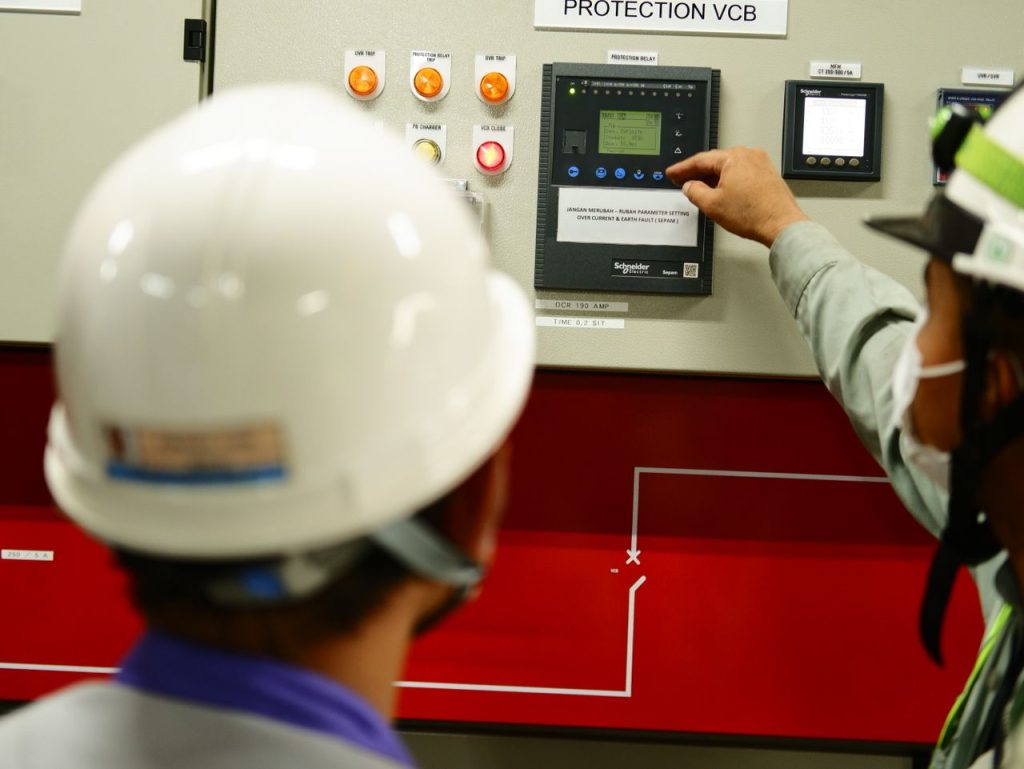
Who Can Sign Off a Title 24 Report as the responsible designer

Who Can Sign Off a Residential Title 24 Report?

For single-family residential projects, the Certificate of Compliance is commonly associated with the responsible building designer.

The appropriate signer depends on the project and whether California law requires a licensed design professional.

Residential projects may include:

  • New single-family homes
  • Detached ADUs
  • Attached ADUs
  • Garage conversions
  • Room additions
  • Second-story additions
  • Major remodels
  • Envelope alterations
  • HVAC-related permit projects

When a licensed architect or engineer is responsible for the design, that professional’s information may be required in the responsible-designer portion of the applicable compliance documentation.

California law also allows certain residential designs to be prepared without a licensed architect or engineer. When a licensed design professional is not legally required, another eligible responsible designer or builder may be able to provide the responsible-person signature for the applicable project.

The specific project should be reviewed rather than assuming every residential Title 24 form must always be signed by an architect.

Does a Title 24 Report Always Need an Architect’s Signature?

No.

An architect’s signature may be appropriate or required when an architect is the responsible design professional, but an architect is not automatically the only person who can sign every Title 24 Certificate of Compliance.

The proper signer depends on:

  • The building type
  • The construction scope
  • The design professional responsible for the project
  • California licensing requirements
  • The particular compliance form being submitted

Avoid hiring an architect solely because someone stated that every Title 24 report universally requires an architect’s signature.

Instead, determine who is legally responsible for the applicable design.

Does a Title 24 Report Always Need an Engineer’s Signature?

No.

A professional engineer may be the appropriate responsible person when the engineer is responsible for the applicable design.

However, not every residential or commercial Title 24 report requires the same type of engineer.

For example, a project may involve separate responsibility for:

  • Architectural design
  • Mechanical systems
  • Electrical systems
  • Plumbing systems
  • Structural design
  • Energy compliance

The appropriate signature depends on which system or design scope is represented by the document.

Can a Builder Sign a Residential Title 24 Certificate?

In certain residential projects where California law does not require a licensed design professional, the builder may be eligible to sign as the responsible building designer.

That should not be interpreted as permission for every builder to sign every project.

The builder must actually be eligible to accept responsibility for the applicable design.

When an architect, engineer, or other professional is responsible for the project design, the responsible-person signature should reflect that responsibility.

Can the Homeowner Sign a Title 24 Report?

A property owner should not assume that ownership alone makes the owner eligible to sign every Title 24 compliance document.

The relevant question is not simply who owns the property.

The question is who is legally eligible and actually responsible for the applicable building or system design.

Owner-builder situations can involve different responsibilities depending on the project, permit scope, design, and applicable California law.

Confirm the responsible signer before submitting the compliance forms to the building department.
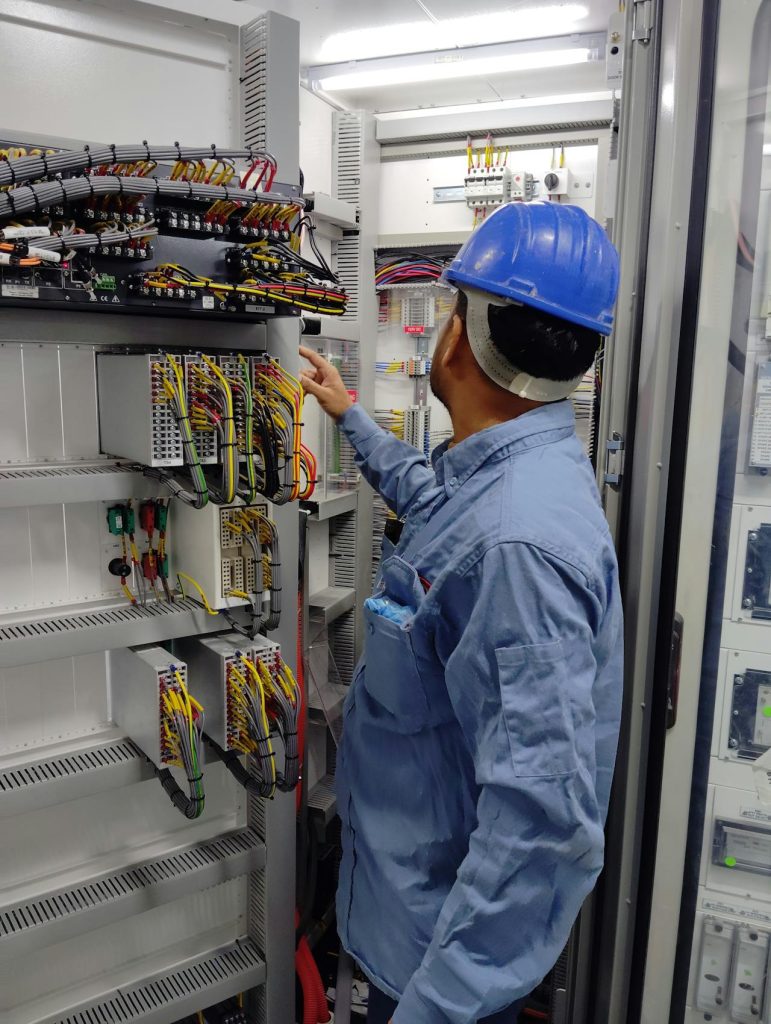
Who Can Sign Off a Title 24 Report for a residential project

Who Can Sign Off an ADU Title 24 Report?

The signature requirements for an ADU depend on the design responsibility and the type of ADU project.

An ADU may be:

  • Detached new construction
  • Attached to an existing residence
  • Created through a garage conversion
  • Created through conversion of other existing space

AES may prepare energy calculations based on:

  • Floor plans
  • Exterior elevations
  • Building sections
  • Roof plans
  • Window schedules
  • Insulation assemblies
  • HVAC information
  • Ventilation
  • Water heating

The person responsible for the ADU’s building design should then provide the applicable responsible-person signature when required.

The energy consultant’s role in preparing the report should not be confused with responsibility for the complete ADU design.

For additional project information, review the ADU Title 24 page.

Who Can Sign Off an Addition or Remodel Report?

Additions and remodels often involve existing construction combined with new work.

The responsible signer may depend on who designed:

  • The new conditioned area
  • Exterior wall changes
  • Window alterations
  • Roof modifications
  • HVAC changes
  • Other systems included in the permit scope

The energy consultant can prepare calculations based on the proposed design.

The person responsible for that design remains responsible for the applicable responsible-person declaration.

This becomes especially important when the plans are revised after the original report is completed.

Who Can Sign Off a Commercial Title 24 Report?

Commercial and nonresidential projects can involve several separate design disciplines.

The energy documentation may address:

  • Building-envelope performance
  • Mechanical systems
  • Ventilation
  • Service water heating
  • Interior lighting
  • Exterior lighting
  • Lighting controls
  • Electrical-power systems
  • Other regulated systems

The Certificate of Compliance must identify the appropriate responsible person for the applicable design scope.

Depending on the project, that may involve a licensed architect, professional engineer, licensed contractor, or another person legally eligible to accept design responsibility.

Large or technically complex commercial projects may also involve additional compliance documents with their own signature requirements.

For professional support, review Title 24 compliance services and Title 24 energy analysis.

Who Can Sign Off a Title 24 Report for commercial construction

Who Signs Multifamily Title 24 Documents?

Multifamily projects can involve several categories of compliance documentation depending on building configuration and project scope.

The project may require coordination among:

  • Architects
  • Mechanical engineers
  • Electrical designers
  • Energy consultants
  • General contractors
  • Specialty contractors
  • Field-verification professionals

The person preparing a compliance document signs for the accuracy of that documentation when required.

The responsible person signs for the design, construction, or installation scope for which that person is legally responsible.

The exact signer therefore depends on whether the document concerns design compliance, installation, acceptance testing, or field verification.

The Certificate of Compliance Is Not the Only Title 24 Document That Gets Signed

A California project may involve several categories of compliance documents.

These can include:

  • Certificate of Compliance
  • Certificate of Installation
  • Certificate of Acceptance
  • Certificate of Verification

Each serves a different purpose.

The person who signs one category of document may not be the person who signs another.

Certificate of Compliance

This addresses the proposed design.

It is associated with the documentation author and the responsible person for the applicable design.

Certificate of Installation

This documents installed features, materials, equipment, or systems.

The responsible person for the applicable construction or installation signs the appropriate documentation.

Certificate of Acceptance

Certain nonresidential systems require acceptance testing.

The applicable acceptance-testing professionals and responsible persons complete the required documentation.

Certificate of Verification

When field verification and diagnostic testing are required, the applicable verification documentation is completed and signed by the qualified field-verification professional who performed that work.

These documents should not be treated as interchangeable.

Can an ECC-Rater or HERS-Type Field Rater Sign Off the Energy Report?

Field verification and design responsibility are separate functions.

A qualified ECC-Rater may perform required field verification and diagnostic testing and sign the applicable Certificate of Verification documentation.

That does not automatically make the rater the responsible building designer for the Certificate of Compliance.

The energy report may identify measures that later require verification, but preparing or signing verification documentation is not the same as accepting responsibility for the original building design.

This distinction matters on projects involving:

  • Duct verification
  • Airflow requirements
  • Mechanical-system verification
  • Other performance-sensitive energy measures

For related information, review Title 24 vs. CALGreen.

Who Can Sign Off a Title 24 Report and field verification documents

Does the Building Department Sign Off the Title 24 Report?

The building department reviews the compliance documentation as part of the permit process, but its role is different from the signatures supplied by the project professionals.

The jurisdiction may review whether:

  • The applicable forms were submitted
  • The required signatures are present
  • The project address is correct
  • The report applies to the current plans
  • The energy features match the construction documents
  • Required verification or acceptance-testing measures are identified

The building department may:

  • Accept the documentation
  • Request clarification
  • Issue correction comments
  • Require revised forms

Building-department acceptance does not replace the responsible person’s signature and does not guarantee that later construction or inspection requirements have already been satisfied.

What Happens if the Wrong Person Signs?

Incorrect or incomplete signatures can create problems during permit review.

The building department may request:

  • The correct responsible-person signature
  • The documentation author’s signature
  • Professional-license information when applicable
  • Corrected compliance forms
  • Clarification of who is responsible for the design

Do not simply move a signature from one person to another without confirming who actually prepared the documentation and who is legally responsible for the design.

What if the Architect or Engineer Changes After the Report Is Prepared?

A change in the project team can affect responsibility for the design.

If a new professional takes over the project, provide:

  • The current plan set
  • The previously prepared Title 24 report
  • Updated project information
  • Revised specifications
  • Information identifying the current responsible designer

The new project professional should review the applicable work before accepting responsibility for it.

AES can review whether the energy calculations and forms still correspond to the current design.

What if the Plans Change After the Report Is Signed?

A signed report should remain consistent with the design being submitted.

The Title 24 documentation may require revision if the project changes:

  • Conditioned floor area
  • Building geometry
  • Window sizes
  • Window performance
  • Insulation
  • Roof assemblies
  • HVAC equipment
  • Duct locations
  • Ventilation
  • Water heating
  • Commercial lighting
  • Lighting controls

An earlier signature should not be treated as approval of later design changes that were never reviewed.

Send revised plans to AES when an energy-related feature changes.

What if the Building Department Requests a Different Signer?

First determine what the reviewer is actually requesting.

The building department may be identifying:

  • A missing documentation-author signature
  • A missing responsible-person signature
  • An incorrect responsible designer
  • Missing professional-license information
  • A document requiring a different responsible professional
  • A separate installation, acceptance, or verification form

Send AES the complete correction notice and latest project plans.

AES can review whether the energy documentation itself needs correction or whether the requested signature belongs to another member of the design or construction team.

How Do Electronic Signatures and Registered Documents Affect the Process?

Some California energy-compliance documents require electronic registration through an approved Energy Code Compliance process.

When registration is required, applicable signatures are completed electronically according to California Energy Commission requirements.

The project team should not substitute an informal typed name for a required registered electronic signature.

The specific registration requirement depends on the project, document type, and applicable verification measures.

For current state guidance, review the California Energy Commission Building Energy Efficiency Standards.
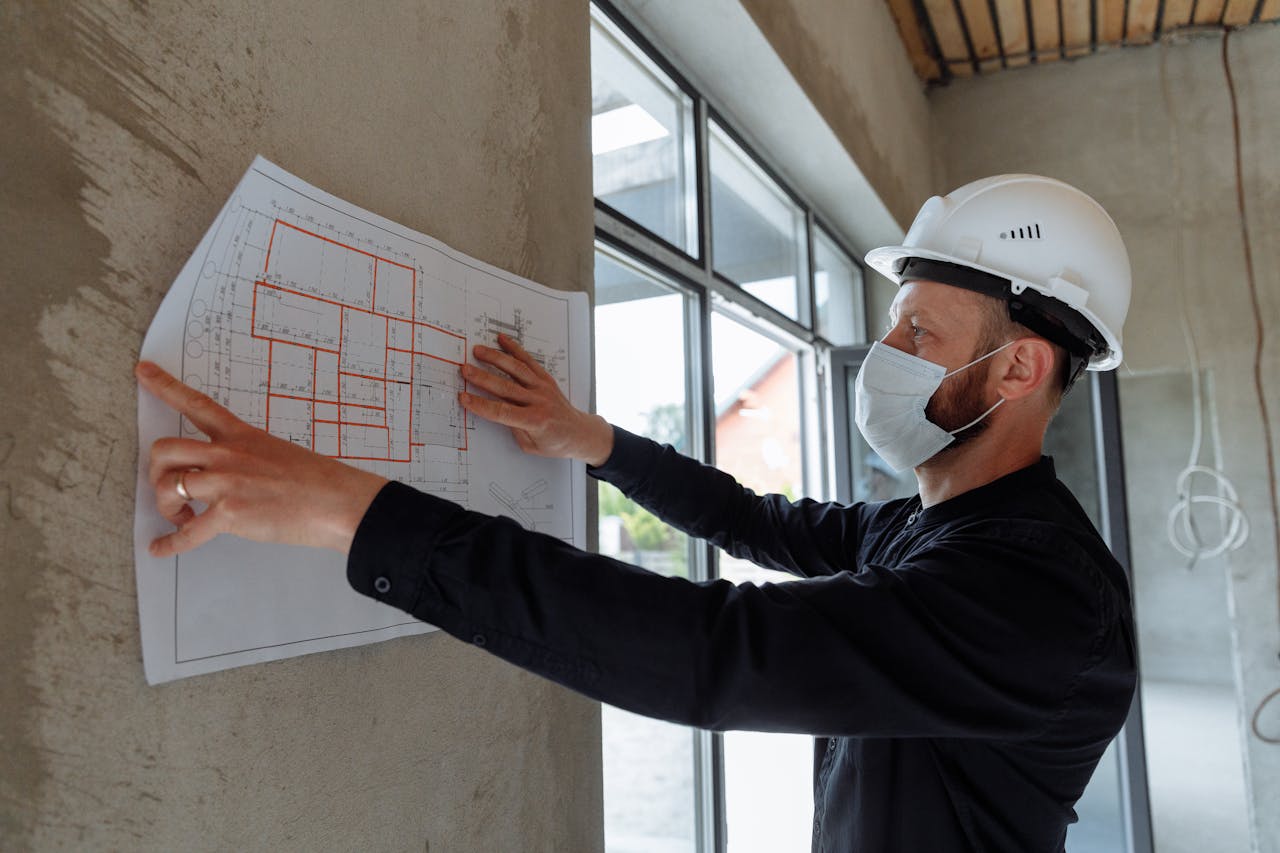
Who Can Sign Off a Title 24 Report before permit submittal

What Should You Verify Before a Title 24 Report Is Signed?

Before signatures are completed, confirm that the report reflects the project being submitted.

Review:

  • Project address
  • Client or project name
  • Permit scope
  • Current plan date
  • Conditioned floor area
  • Window information
  • Wall and roof assemblies
  • Insulation
  • HVAC systems
  • Duct locations
  • Ventilation
  • Water heating
  • Commercial lighting and controls

Also confirm:

  • Who prepared the compliance documentation
  • Who is responsible for the applicable design
  • Whether professional-license information is required
  • Whether document registration is required
  • Whether separate verification or acceptance forms will be required later

This review helps prevent signature and coordination issues during plan check.

What Documents Should You Send AES?

AES can review the available project information and explain what is needed to prepare or revise the energy documentation.

Helpful documents include:

  • Current architectural plans
  • Floor plans
  • Exterior elevations
  • Building sections
  • Roof plans
  • Window and exterior-door schedules
  • Insulation details
  • HVAC specifications
  • Duct information
  • Ventilation information
  • Water-heating specifications
  • Commercial lighting plans when applicable
  • Existing Title 24 documentation
  • Building-department correction notices

Before submitting the project, review what AES will need from you.

Why Choose Alternative Energy Systems?

Alternative Energy Systems provides professional Title 24 energy calculations, report preparation, revision, and plan-check support throughout California.

AES brings more than 30 years of California energy-compliance experience to:

  • New residential construction
  • New commercial construction
  • ADUs and garage conversions
  • Additions and remodels
  • Multifamily projects
  • Commercial tenant improvements
  • HVAC projects
  • Commercial lighting projects
  • Plan-check corrections
  • Revisions to existing calculations and reports

AES can prepare the applicable energy-compliance documentation and help the project team understand which role must provide the corresponding signature.

AES does not claim that one person can sign every document or that an energy consultant automatically replaces the legally responsible building designer.

Learn more on the About Us page or review the company’s professional background on the clients page.

Confirm Who Should Sign Your Title 24 Documentation

Call (626) 365-1518 | Alternative Energy Systems

Understanding Who Can Sign Off a Title 24 Report starts with identifying the document and the responsibility represented by the signature.

The person who prepares the energy calculations may sign as the documentation author. The person legally responsible for the applicable building or system design provides the responsible-person signature. Installation, acceptance testing, and field verification may involve separate professionals and separate compliance documents.

Alternative Energy Systems can review your residential or commercial plans, prepare the applicable Title 24 calculations and forms, identify missing information, and help clarify which project professional should complete the applicable signature section.

Call (626) 365-1518 to:

  • Discuss your project type
  • Submit current plans
  • Request Title 24 calculations
  • Ask which compliance forms may apply
  • Clarify documentation-author responsibilities
  • Review responsible-person signature questions
  • Request help with plan-check corrections

You may also begin through the contact page.

When service and payment have already been arranged, payment can be completed through the AES payment page.

Frequently Asked Questions: Who Can Sign Off a Title 24 Report?

Who Can Sign Off a Title 24 Report?

The applicable Certificate of Compliance generally distinguishes between the documentation author who certifies the accuracy and completeness of the documentation and the responsible person who accepts responsibility for the applicable design.

Can the Title 24 consultant sign the report?

A consultant who prepares the energy documentation may sign as the documentation author. The consultant can sign as the responsible person only when legally eligible and actually responsible for the applicable design.

Does an architect always have to sign?

No. The appropriate responsible signer depends on the building, project scope, design responsibility, and California licensing requirements.

Does an engineer always have to sign?

No. An engineer may be the appropriate signer when responsible for the applicable design, but not every project requires the same professional.

Can a builder sign a residential Title 24 form?

For certain residential projects where a licensed design professional is not legally required, an eligible builder or responsible designer may be able to provide the responsible-design signature.

Can a homeowner sign?

Ownership alone does not automatically make someone eligible to provide every responsible-person signature. Eligibility depends on the design responsibility and applicable law.

Who signs an ADU Title 24 report?

The documentation author signs the documentation they prepare, while the person legally responsible for the ADU design provides the applicable responsible-person signature.

Who signs a commercial Title 24 report?

The responsible signer depends on the applicable design scope and may involve an eligible architect, engineer, contractor, or other responsible professional.

What is a documentation author?

The documentation author is the person who prepares the applicable compliance documentation and certifies that the documentation is accurate and complete.

What is the responsible person?

The responsible person is the individual legally eligible to accept responsibility for the applicable building or system design.

Can the same person be the documentation author and responsible person?

Yes, when that person both prepares the documentation and is legally eligible to accept responsibility for the applicable design.

Can an energy consultant prepare the report without designing the building?

Yes. Energy documentation preparation can be delegated while the building designer remains responsible for the design represented by the compliance forms.

Does the building department sign the report?

The building department reviews the submitted documentation. Its plan-review role is separate from the signatures required from the documentation author and responsible person.

Who signs HERS or field-verification documents?

Applicable verification documents are completed and signed by the qualified professional who performs the required field verification or diagnostic testing.

Does a field rater sign as the responsible building designer?

Field verification and building-design responsibility are separate roles. A field-verification professional should not automatically be treated as the responsible building designer.

Who signs installation forms?

The applicable person responsible for construction or installation signs the required installation documentation according to the scope of work.

Can the signer change after the report is prepared?

If project responsibility changes, the current responsible professional should review the applicable work before accepting responsibility for it.

What happens if the building department says the wrong person signed?

Send AES the complete correction notice and current plans so the signature issue can be reviewed in context.

Do electronic Title 24 documents require electronic signatures?

When California’s registration requirements apply, the required signatures must follow the applicable electronic-document and signature procedures.

Does signing the report guarantee permit approval?

No. A properly signed report supports the energy-compliance portion of the permit package, but the building department controls its review and final permit decision.

How do I determine who should sign my project?

Call Alternative Energy Systems at (626) 365-1518 and provide the project type, current plans, and information identifying the responsible design professionals.


What if the Building Department Requests Corrections to a Title 24 Report

What if the Building Department Requests Corrections to a Title 24 Report

What if the Building Department Requests Corrections to a Title 24 Report?

Call (626) 365-1518 | Alternative Energy Systems

Receiving a plan-check correction does not automatically mean your entire energy report is wrong or that the permit process has failed. What if the Building Department Requests Corrections to a Title 24 Report is usually a question of identifying exactly what the reviewer wants clarified, comparing that request with the current plans, and updating the affected calculations, forms, specifications, or plan notes.

A correction may be relatively limited, such as an inconsistent project detail or missing form. It may also reveal that the construction plans changed after the energy calculations were completed, requiring portions of the report to be recalculated.

The most important first step is to send the complete correction notice along with the latest project documents rather than trying to interpret one comment in isolation.

Alternative Energy Systems can review the building-department comments, compare them with the Title 24 report and current plans, identify which energy-related items require attention, and help prepare revised documentation for resubmittal.

AES brings more than 30 years of California energy-compliance experience to residential, multifamily, mixed-use, and commercial permit projects.

Call (626) 365-1518 if your project has received Title 24 or energy-related plan-check corrections.

What Should You Do First After Receiving a Title 24 Correction?

Do not immediately change the report based on one sentence from the reviewer.

Start by collecting the complete project record.

Provide AES with:

  • The complete building-department correction notice
  • The latest architectural plan set
  • The Title 24 report that was submitted
  • Any revised mechanical plans
  • Any revised electrical or lighting plans
  • Updated window and exterior-door information
  • Updated HVAC specifications
  • Updated water-heating specifications
  • Updated commercial lighting information when applicable
  • A written description of changes made since the original report

This allows the correction to be evaluated in context.

A comment that appears to concern one form may actually originate from a discrepancy elsewhere in the plans. Likewise, a mechanical correction may require changes to both the equipment schedule and the energy calculations.

A Building-Department Correction Does Not Necessarily Mean the Entire Report Failed

Plan reviewers may issue corrections for many reasons.

Some corrections involve the Title 24 report itself. Others involve differences between the report and another part of the construction documents.

For example:

  • The energy calculations may show one window size while the elevation shows another
  • The report may list one HVAC efficiency while the mechanical schedule lists another
  • The plans may show a different insulation assembly from the calculations
  • The project floor area may have changed after the original report
  • A required compliance form may be missing from the permit package
  • A commercial lighting schedule may no longer match the energy documentation

The correction must be diagnosed before the proper response can be prepared.

That is why the full correction notice and current plans are important.

The Best Correction Process: Review, Diagnose, Revise, Coordinate, Resubmit

A strong correction response generally follows five stages.

1. Review the Complete Correction Notice

Read all building-department comments, including comments that appear outside the energy section.

A correction in another discipline may affect information used in the Title 24 calculations.

2. Diagnose the Source of the Conflict

Compare the correction with:

  • The submitted Title 24 report
  • The current architectural drawings
  • The mechanical plans
  • The electrical and lighting plans
  • Product schedules
  • Equipment specifications

Determine whether the problem is a missing document, inconsistent value, revised design, calculation issue, or plan-note issue.

3. Revise the Affected Documentation

Depending on the correction, AES may need to update:

  • Energy calculations
  • Compliance forms
  • Project information
  • Window specifications
  • Envelope assumptions
  • Mechanical-system information
  • Commercial lighting information

The architect, designer, mechanical engineer, electrical designer, or contractor may also need to revise the corresponding construction plans.

4. Coordinate the Revised Report With the Plans

The correction response should not create a new conflict.

The revised report and revised plan set should describe the same project.

5. Resubmit the Corrected Package

The corrected documents can then be incorporated into the project’s plan-check resubmittal according to the building department’s procedures.

What if the Building Department Requests Corrections to a Title 24 Report during plan check

What Types of Title 24 Corrections Do Building Departments Request?

Energy-related corrections may involve:

  • Missing compliance forms
  • Incorrect project information
  • Incorrect conditioned floor area
  • Window discrepancies
  • Missing window performance values
  • Insulation conflicts
  • Roof-assembly conflicts
  • HVAC equipment discrepancies
  • Duct-location questions
  • Ventilation information
  • Water-heating information
  • Commercial lighting power
  • Lighting-control requirements
  • Differences between calculations and construction plans
  • Outdated energy documentation

The response depends on the actual comment.

A missing form may be resolved differently from a correction requiring the building envelope to be recalculated.

Why Should You Send the Complete Correction Notice?

Sending only the sentence that mentions Title 24 can leave out important context.

Plan-check comments are often connected.

For example, one comment may request:

  • A revised mechanical schedule
  • An updated energy form
  • A corresponding plan note

Looking only at the energy comment could result in updating the report while leaving the underlying mechanical discrepancy unresolved.

The complete correction notice helps AES determine:

  • Which comments relate directly to energy compliance
  • Which comments belong to another design professional
  • Which comments affect several disciplines
  • Whether the calculations need revision
  • Whether only the plans need clarification
  • Whether both the plans and energy forms need updating

Addressing the complete issue is generally more efficient than responding to isolated comments one at a time.

Compare the Correction Notice With the Latest Plan Set

Before revising the energy report, confirm which plans the building department reviewed.

The current plan set may differ from the drawings originally provided to AES.

Compare:

  • Plan dates
  • Revision dates
  • Floor areas
  • Room layouts
  • Window schedules
  • Insulation details
  • Roof assemblies
  • Mechanical schedules
  • Water-heating information
  • Commercial lighting schedules

If AES prepared the calculations from an earlier version of the plans, the correction may require more than a simple form edit.

The energy analysis may need to be updated to reflect the revised design.

Common Correction: The Title 24 Report Does Not Match the Plans

One of the most important coordination issues is consistency between the report and construction drawings.

The documents should agree regarding:

  • Project address
  • Conditioned floor area
  • Building orientation
  • Windows and doors
  • Wall construction
  • Roof and ceiling assemblies
  • Insulation values
  • HVAC equipment
  • Duct locations
  • Ventilation
  • Water heating
  • Commercial lighting
  • Lighting controls

A report can contain technically valid calculations and still generate corrections when it does not match the plan set submitted to the building department.

The report and plans serve different purposes, but they must communicate the same project requirements.

What if the Building Department Requests Corrections to a Title 24 Report because plans do not match

Common Correction: Window Information Does Not Match

Window information may appear on:

  • Floor plans
  • Exterior elevations
  • Window schedules
  • Product specifications
  • Energy calculations
  • Compliance forms

These documents should remain consistent.

Review:

  • Window identification numbers
  • Width and height
  • Quantity
  • Orientation
  • U-factor
  • Solar heat gain coefficient
  • Glazed exterior doors

A correction may result when a window is resized, removed, added, or replaced with a different performance specification after the original report is completed.

If the window design changed, AES may need to update the calculations rather than simply edit a note.

Common Correction: Insulation or Roof Information Is Inconsistent

The building-envelope information in the plans should reflect the assemblies used in the energy analysis.

Review:

  • Exterior wall insulation
  • Continuous insulation
  • Roof insulation
  • Ceiling insulation
  • Attic configuration
  • Vaulted ceiling assemblies
  • Floor insulation
  • Floors over garages
  • Walls adjoining unconditioned areas
  • Roofing characteristics

A general note such as “insulate per code” may not communicate the project-specific assembly represented in the calculations.

The building sections and details should show the relevant insulation information.

Common Correction: HVAC Information Has Changed

Mechanical equipment is frequently selected or revised while permit plans are being developed.

The building department may identify a difference between the energy report and mechanical schedule involving:

  • System type
  • Heating efficiency
  • Cooling efficiency
  • Heat-pump information
  • Number of systems
  • Equipment location
  • Ducted or ductless configuration
  • Duct location
  • Duct insulation
  • Ventilation equipment

When the proposed equipment changes, provide AES with the current mechanical specifications.

The energy calculations and forms can then be reviewed against the actual equipment proposed for installation.

Common Correction: Water-Heating Information Does Not Match

Water-heating changes may also affect the energy documentation.

Review:

  • Equipment type
  • Fuel or energy source
  • Efficiency
  • Storage or tankless configuration
  • Heat-pump water heating
  • Equipment location
  • Individual or central service

The report should not show one water-heating system while the plumbing or mechanical plans show another.

What if the Building Department Requests Corrections to a Title 24 Report for HVAC or water heating

Commercial Title 24 Corrections May Involve Lighting and Controls

Commercial permit projects may receive corrections involving:

  • Interior lighting power
  • Fixture wattage
  • Fixture quantities
  • Room or space classifications
  • Occupancy sensors
  • Automatic shutoff controls
  • Daylighting controls
  • Exterior lighting
  • Mechanical systems
  • Ventilation
  • Service water heating
  • Building-envelope information

Commercial projects often involve several design professionals.

A lighting correction may require coordination among:

  • The Title 24 consultant
  • The architect
  • The electrical designer
  • The lighting designer
  • The contractor
  • The property owner or tenant

Updated fixture schedules and lighting-control plans should be provided when the electrical design changes.

For related commercial services, review Title 24 compliance services and Title 24 energy analysis.

Does Every Correction Require New Energy Calculations?

No.

Some correction comments may require only limited clarification or documentation changes.

Others may require the project to be recalculated.

A recalculation may be necessary when the correction involves changes to:

  • Conditioned floor area
  • Building geometry
  • Window sizes
  • Window performance
  • Insulation values
  • Roof assemblies
  • HVAC equipment
  • Duct conditions
  • Ventilation systems
  • Water heating
  • Commercial lighting power
  • Lighting controls

The correction notice and revised plans must be reviewed before determining whether new calculations are required.

Does Every Correction Require New Title 24 Forms?

Not necessarily.

The forms may need revision when project information or calculation results change.

Examples include:

  • A different conditioned floor area
  • Revised windows
  • Different insulation
  • New mechanical equipment
  • Changed water heating
  • Revised commercial lighting

A correction involving only a plan note may not require every energy form to be regenerated.

AES can review the scope and determine which documentation needs attention.

Who Is Responsible for Correcting the Construction Plans?

The Title 24 consultant prepares and revises the energy-compliance documentation within the agreed scope.

The construction plans may be prepared or controlled by:

  • An architect
  • A building designer
  • A mechanical engineer
  • An electrical designer
  • A plumbing designer
  • A contractor
  • Another project professional

When the correction requires a change to the drawings, the person responsible for those drawings should update them.

AES can identify energy measures that should remain coordinated with the plans, but revising the Title 24 report does not automatically revise architectural, structural, mechanical, electrical, or plumbing drawings prepared by others.

What if the Building Department Requests Corrections to a Title 24 Report requiring revised calculations

What Documents Should You Send AES for a Correction Review?

For the most efficient review, send the correction package together rather than in separate messages whenever possible.

Include:

  • Complete building-department correction notice
  • Latest architectural plans
  • Previously submitted Title 24 report
  • Revised mechanical plans when applicable
  • Revised electrical plans when applicable
  • Current window and door schedule
  • Current insulation details
  • Current HVAC specifications
  • Current ventilation information
  • Current water-heating information
  • Current commercial lighting schedule when applicable
  • A summary of changes made after the previous submission

Clearly identify which plan set is current.

Before sending project documents, review what AES will need from you.

How Should You Organize the Correction Package?

A well-organized submission can reduce unnecessary back-and-forth.

Use descriptive filenames such as:

  • Project-Address-Correction-Notice.pdf
  • Project-Address-Revised-Plans-Date.pdf
  • Project-Address-Existing-Title-24-Report.pdf
  • Project-Address-HVAC-Specifications.pdf
  • Project-Address-Window-Schedule.pdf

Include a short written summary explaining:

  • Which comments appear to involve Title 24
  • Which plans changed
  • Which products changed
  • Which design professionals have already responded
  • Whether the building department provided a resubmittal deadline

Avoid sending multiple unlabeled files named “final,” “new final,” or “revision” without dates or explanations.

What Happens After AES Reviews the Corrections?

After reviewing the correction notice and supporting documents, AES can determine the appropriate energy-compliance response.

The next step may involve:

  • Clarifying an existing form
  • Correcting project information
  • Updating a product specification
  • Revising calculations
  • Preparing updated compliance forms
  • Identifying a required plan-note change
  • Coordinating with the architect or contractor

The scope depends on the reviewer’s comments and the current design.

How Do You Prepare the Corrected Package for Resubmittal?

Before resubmitting, compare the revised documents one more time.

Verify that:

  • The project address is correct
  • The latest plan set is being used
  • The conditioned floor area matches
  • The windows match
  • The insulation assemblies match
  • The HVAC information matches
  • The ventilation information matches
  • The water-heating information matches
  • The commercial lighting information matches
  • The applicable revised forms are included
  • The specific plan-check comments have been addressed

The corrected report and corrected drawings should be submitted together when the correction affected both.

Should You Respond to Each Building-Department Comment?

A correction response is easier to review when each applicable comment is addressed clearly.

The project team may prepare a response identifying:

  • The correction number
  • What was requested
  • What was changed
  • Which plan sheet changed
  • Which Title 24 form changed

The exact resubmittal format depends on the building department.

Follow the jurisdiction’s instructions for response letters, revised sheets, clouded changes, or uploaded replacement files.

How Long Do Title 24 Corrections Take?

Correction timing depends on the scope.

A limited clarification may require less work than a correction involving:

  • A redesigned building envelope
  • Changed conditioned floor area
  • Numerous revised windows
  • Different HVAC systems
  • Changed commercial lighting
  • Multiple connected correction comments

Timing may also depend on how quickly the project team provides missing information.

A correction cannot be finalized accurately when AES is still waiting for the revised plans or equipment specifications.

Call (626) 365-1518 to discuss the correction scope and requested schedule.

Do Title 24 Corrections Cost Extra?

Correction pricing depends on the original service agreement and the amount of additional work required.

A limited clarification may differ from a substantial recalculation caused by major design changes.

Additional work may be required when:

  • The plans changed significantly after the original report
  • Conditioned floor area changed
  • Windows were redesigned
  • Mechanical systems changed
  • Commercial lighting changed
  • The permit scope expanded
  • Multiple correction cycles require new revisions

AES can review the correction package and determine whether the requested work falls within the existing scope or requires a separate quote.

What if the Building Department Requests Corrections to a Title 24 Report before resubmittal

What if the Correction Involves HERS Verification?

Some residential projects may include measures requiring separate field testing or verification.

The Title 24 report can identify applicable verification measures, but the report itself does not replace:

  • Field testing
  • Diagnostic testing
  • Construction inspections
  • Installation verification
  • Documentation completed by the appropriate field professional

If a building-department correction refers to verification requirements, the project team should determine whether the comment concerns:

  • The energy report
  • The plans
  • A missing verification measure
  • Separate field documentation

For additional background, review Title 24 vs. CALGreen.

What if the Correction Is Not Actually a Title 24 Issue?

Not every comment mentioning energy-related construction requires AES to revise the report.

The correction may belong primarily to:

  • The architect
  • The mechanical engineer
  • The electrical designer
  • The plumbing designer
  • The contractor
  • Another project consultant

AES can review the comment and determine whether the Title 24 documentation is affected.

This helps prevent unnecessary changes to a report when the actual correction belongs elsewhere in the permit package.

Can the Building Department Issue Another Correction After Resubmittal?

Yes. A corrected submission does not guarantee that no additional comments will be issued.

The building department may:

  • Confirm that the original comment was addressed
  • Request additional clarification
  • Identify another inconsistency
  • Review revised information that creates a new question

The goal is to provide a complete and coordinated response that reduces preventable repeat comments.

No Title 24 consultant can guarantee the building department’s final review decision.

How Can You Reduce Future Title 24 Corrections?

Many avoidable corrections begin with coordination problems.

Provide the Current Plans Before Calculations Begin

Make sure AES receives the latest plan set.

Finalize Important Specifications Early

Provide window, insulation, HVAC, water-heating, and lighting information before the report is finalized when possible.

Report Design Changes Immediately

Do not wait until plan check to mention significant revisions.

Compare the Report With the Permit Plans

Check the major energy measures before submitting the permit package.

Use Consistent Product Information

Do not show different performance values on separate plan sheets.

Keep Revision Dates Clear

Identify which plan set and report version are current.

Submit Complete Correction Packages

When corrections occur, provide the full notice, plans, report, and updated specifications together.

Why Choose Alternative Energy Systems for Title 24 Corrections?

Alternative Energy Systems provides professional Title 24 report, energy-calculation, revision, and plan-check correction support for projects throughout California.

AES brings more than 30 years of California energy-compliance experience to:

  • New residential construction
  • New commercial construction
  • ADUs and garage conversions
  • Additions and remodels
  • Multifamily projects
  • Commercial tenant improvements
  • HVAC projects
  • Commercial lighting projects
  • Plan-check corrections
  • Revisions to existing reports and calculations

AES focuses on the actual correction notice and current project documents rather than treating every plan-check comment as the same problem.

The goal is to determine what changed, what the building department is requesting, and which part of the energy-compliance package needs to be corrected.

Learn more about Alternative Energy Systems on the About Us page or review company background on the clients page.

What if the Building Department Requests Corrections to a Title 24 Report through Alternative Energy Systems

Get Help With Title 24 Plan-Check Corrections

Call (626) 365-1518 | Alternative Energy Systems

If you are asking What if the Building Department Requests Corrections to a Title 24 Report, begin by gathering the entire correction notice, current plans, previously submitted energy report, and any updated project specifications.

Alternative Energy Systems can review the correction package, determine which comments affect the energy documentation, identify whether calculations or forms need to be revised, and help coordinate the updated report with the current construction plans.

Call (626) 365-1518 to:

  • Submit a building-department correction notice
  • Request review of an existing Title 24 report
  • Request revised energy calculations
  • Request updated compliance forms
  • Review conflicts between the plans and report
  • Discuss a correction-response schedule
  • Request a project-specific quote

You may also begin through the contact page.

When service and payment have already been arranged, payment can be completed through the AES payment page.

Do not revise documents blindly or resubmit an outdated report with changed plans. Send Alternative Energy Systems the complete correction package so the energy-related issue can be reviewed in context.

Frequently Asked Questions: What if the Building Department Requests Corrections to a Title 24 Report?

What if the Building Department Requests Corrections to a Title 24 Report?

Send AES the complete correction notice, latest plans, previously submitted report, updated specifications, and a summary of any design changes. AES can determine which calculations, forms, specifications, or plan notes may need revision.

Does a correction mean the entire Title 24 report is wrong?

No. A correction may involve a limited documentation issue, a conflict between the report and plans, missing information, or a design change.

Should I send only the Title 24 correction comment?

Send the complete correction notice whenever possible. Related comments may provide important context.

What plans should I send?

Send the latest architectural plans and any current mechanical, electrical, lighting, or other plans related to the correction.

Should I send the old Title 24 report?

Yes. AES needs the previously submitted report to compare it with the correction notice and current plans.

Does every correction require recalculation?

No. Some comments may require clarification or updated forms, while others require revised calculations.

When are new calculations usually needed?

Recalculation may be needed when floor area, geometry, windows, insulation, HVAC systems, water heating, commercial lighting, or other energy-related project features change.

Can window changes cause a Title 24 correction?

Yes. Differences in window size, quantity, orientation, U-factor, solar heat gain coefficient, or location may require review.

Can HVAC changes cause a correction?

Yes. The report and mechanical plans should remain consistent regarding system type, efficiency, equipment, ducts, and ventilation.

Can commercial lighting changes require revised Title 24 forms?

They can. Changes to fixtures, wattage, quantities, room uses, or lighting controls may affect the analysis.

Who updates the architectural plans?

The professional or project team responsible for the construction drawings should make the applicable plan changes. AES handles the energy-compliance documentation within its service scope.

Can AES help determine whether the correction belongs to another consultant?

AES can review the comment and determine whether the Title 24 documentation is affected or whether the primary correction belongs to another design discipline.

How long do corrections take?

Timing depends on the complexity of the comments, extent of project changes, completeness of the submitted information, and whether recalculation is required.

Do corrections cost extra?

That depends on the original agreement and the amount of additional work. Significant redesign or additional calculation work may require a separate quote.

Can a corrected Title 24 report be resubmitted?

Yes. Revised energy documentation can be coordinated with corrected plans and incorporated into the permit resubmittal.

Can the building department issue another correction?

Yes. The jurisdiction controls its review and may request additional clarification after resubmittal.

Does correcting the Title 24 report guarantee permit approval?

No. The energy report supports one part of the permit application. The complete project remains subject to building-department review.

What is the best way to prevent repeat corrections?

Use current plans, keep specifications coordinated, disclose design changes promptly, and make sure revised energy forms and revised drawings describe the same project.

How do I request help with my correction notice?

Call Alternative Energy Systems at (626) 365-1518 and send the complete correction notice and latest project documents for review.

Title 24 Consultant Near Escalon CA

Title 24 Consultant Near Escalon CA

Title 24 Consultant Near Escalon CA — Accurate, Permit-Ready Energy Compliance for California Projects

If you are searching for a dependable Title 24 Consultant Near Escalon CA, there is a good chance you are already moving through design, estimating, or permit preparation and need energy documentation that is accurate, current, and ready to submit. Whether your project involves a new custom residence, an ADU, a remodel, a room addition, a mechanical upgrade, or a commercial tenant improvement, California energy compliance is not something you want handled casually. It affects your permit timeline, your plan-check process, and in many cases your inspection path later in construction. A professionally prepared report can help keep your project organized from the beginning instead of turning energy compliance into a frustrating last-minute obstacle.

Working with an experienced consultant matters because Title 24 documentation is not just a box to check. It must correspond closely with the plans, specifications, and equipment selections that are actually being submitted to the building department. Window performance values, insulation assemblies, slab and roof assumptions, HVAC efficiency data, duct location, lighting details, and water heating information all need to align with the project documents. If a report is rushed, copied from an old job, or not updated after revisions, it can lead to corrections, resubmittals, and wasted time. That is why property owners, architects, designers, builders, and contractors often look for a Title 24 Consultant Near Escalon CA who understands how to produce documentation that is both technically correct and practical for real-world permit approval.

Our role is to help simplify the process. We review the plans, identify the relevant compliance path, model the building when needed, and prepare permit-ready forms that support a cleaner submittal package. We also help reduce confusion by communicating clearly about what is needed upfront, what assumptions are being used, and what revisions may be required if the design changes. That makes the process easier not only for homeowners but also for architects, HVAC contractors, and project managers who need accurate information fast. Clear communication, fast turnaround, and consistent document coordination can make a meaningful difference when you are trying to stay on schedule.

If you need a responsive and knowledgeable Title 24 Consultant Near Escalon CA, call (626) 365-1518 to get started today or leave us a message online.

What Does a California Title 24 Consultant Do?

A Title 24 Consultant Near Escalon CA prepares the energy compliance documentation required under California’s Building Energy Efficiency Standards. That typically begins with a careful review of the architectural, mechanical, and sometimes electrical sheets to determine the scope of the project and the correct compliance method. From there, the consultant enters the project data into approved software when performance modeling is required, evaluates envelope and system assumptions, and prepares the official forms needed for permit submission. In simple terms, the consultant helps translate design information into code-compliant energy documentation that building departments can review.

A good consultant also does more than generate forms. They help identify mismatches before they become permit comments, explain what plan details are missing, and coordinate updates when equipment or specifications change. That can save time for everyone involved because energy compliance is tied to many other parts of the project. A window revision can affect the report. A change in HVAC equipment can affect the report. A revised attic or wall insulation specification can affect the report. The consultant’s job is to keep the documentation consistent so the compliance package supports the plans instead of conflicting with them.

Key responsibilities typically include:

  • Reviewing architectural drawings for building geometry, conditioned floor area, orientation, and envelope details
  • Confirming window U-factor, SHGC values, and fenestration assumptions
  • Entering insulation R-values, framing assemblies, and roof or floor construction details
  • Inputting HVAC system efficiency ratings, duct location, and distribution assumptions
  • Modeling whole-building energy performance with approved software when the project calls for it
  • Preparing permit-ready compliance forms and supporting documentation for submission

The objective is simple: produce accurate documentation that helps the project move through plan check with fewer delays and fewer surprises.

Projects That Require Title 24 Compliance

A qualified Title 24 Consultant Near Escalon CA can support many different residential and commercial project types. In California, compliance requirements often apply whenever a permit involves changes to the building envelope, HVAC equipment, lighting, or water heating systems. Even when the scope seems straightforward, the code pathway may still require documentation that matches the plans precisely.

Residential:

  • New single-family homes
  • Accessory Dwelling Units (ADUs)
  • Duplexes and triplexes
  • Room additions
  • Major remodels
  • HVAC changeouts

Residential projects can vary widely in complexity. A small addition may appear simple, yet glazing ratios, insulation assumptions, and mechanical revisions can still affect compliance. New homes and ADUs often require a more detailed review because multiple systems must work together to satisfy code.

Commercial:

  • Tenant improvements
  • Office buildings
  • Retail spaces
  • Restaurants and food-service build-outs
  • Warehouses and light industrial facilities
  • Mixed-use developments

Commercial projects often involve lighting controls, mechanical schedules, occupancy-related requirements, and detailed coordination with the design team. If your permit involves insulation, windows, HVAC systems, lighting, or water heating changes, there is a strong chance energy compliance documentation will be required as part of the submittal package.

California energy compliance consultant near me

Prescriptive vs Performance Compliance

Hiring an experienced Title 24 Consultant Near Escalon CA helps you determine whether the project should follow the prescriptive route or the performance route. That decision matters because each method has different strengths, and choosing the right one early can prevent redesign costs and unnecessary permit corrections.

  • Prescriptive Method: Each applicable building component or system must meet the minimum standards established by code. This path can work well when the design is fairly conventional and the project already aligns with straightforward code requirements.
  • Performance Method: Whole-building energy modeling allows trade-offs between different systems so the project can demonstrate overall compliance. This is often useful for custom homes, larger glazing areas, upgraded systems, or more complex layouts.

For many projects, the prescriptive approach may be enough. For others, especially when the design includes features that do not fit neatly into minimum baseline assumptions, performance modeling offers flexibility. An experienced consultant will evaluate the project realistically and explain which path is more efficient based on the actual plans, rather than forcing the project into the wrong method.

Choosing the proper pathway early also helps the rest of the team. Architects can finalize details with more confidence, contractors can price the correct equipment, and owners can avoid finding out too late that a design decision created avoidable compliance problems.

Why Local Knowledge Still Matters

Even though Title 24 is enforced statewide, the permit experience is not always identical from one jurisdiction to another. That is one reason many people specifically search for a Title 24 Consultant Near Escalon CA. Building departments may follow the same code, but review habits, documentation preferences, correction patterns, and communication styles can differ. A consultant with practical experience supporting California projects understands the importance of preparing a clean, readable, well-coordinated submittal package that anticipates common issues before they become comments.

Working with a consultant who understands the local permit environment can help with:

  • Common correction triggers that slow approval
  • Preferred document formatting and report clarity
  • Typical plan-check timing expectations
  • Coordination between permit forms, revised plans, and inspections

That type of project awareness does not replace good design, but it does support a smoother process. When documentation is organized well and tailored to the project rather than reused from unrelated jobs, plan reviewers can understand the submission more easily. That can help reduce back-and-forth and keep the permit moving.

Title 24 Consultant Near Escalon CA

Common Reasons Title 24 Reports Get Rejected

Even strong design teams can run into avoidable energy compliance issues when reports are prepared too quickly or not updated carefully. A knowledgeable Title 24 Consultant Near Escalon CA helps reduce the chance of rejection by checking the details that most often create plan-check comments.

  • Mismatched window specifications between plan sheets and compliance forms
  • Incorrect or incomplete HVAC efficiency entries
  • Using the wrong code cycle or outdated assumptions
  • Failure to revise the energy report after design changes
  • Missing required certificates or supporting documentation

In many cases, the problem is not that the building cannot comply. The real problem is lack of coordination. If the plans say one thing and the report says another, the reviewer will usually flag it. That is why consistent cross-checking matters. A solid compliance process protects the permit timeline and reduces the risk of resubmission.

HERS Verification and Inspections

Depending on the scope of work, a Title 24 Consultant Near Escalon CA may also help coordinate with HERS raters when third-party field verification is required. This step is important because compliance is not only about paperwork. Certain measures must be verified in the field to confirm that installed systems match the assumptions used in the report.

This can include:

  • Duct leakage testing
  • Airflow verification
  • Refrigerant charge confirmation
  • Quality insulation installation verification

When the model, plans, and actual installation all align, inspections tend to go more smoothly. When they do not align, small oversights can create expensive delays near the end of construction. Good coordination from the beginning helps avoid that situation.

Statewide Service, Local Support

Even if you are specifically searching for a California Title 24 consultant, modern digital plan review allows efficient service throughout the state. Plans, schedules, and revisions can be reviewed electronically, which makes it possible to provide fast support while still keeping communication personal and project-focused. We regularly prepare permit-ready documentation for jurisdictions across:

  • Los Angeles County
  • Orange County
  • San Diego County
  • Riverside and San Bernardino Counties
  • Bay Area jurisdictions
  • Central Valley cities

That statewide reach matters because many owners, builders, and architects work across multiple markets and want a consultant who can deliver consistent, dependable service from one project to the next.

Title 24 Consultant Near Escalon CA

How Early Energy Modeling Prevents Costly Permit Delays

One of the biggest advantages of hiring a Title 24 Consultant Near Escalon CA early is that energy compliance can be evaluated before the plans are locked. This is especially valuable when the design includes large glazing areas, upgraded mechanical systems, unusual roof lines, or other architectural choices that can affect performance. Instead of waiting for plan check to reveal a problem, early modeling gives the team time to make practical adjustments during design. That may mean refining window specs, improving insulation values, or selecting different equipment before the submission package is finalized.

This proactive approach can protect both schedule and budget. When compliance is addressed late, teams often find themselves reacting under pressure. When it is addressed early, the project moves forward with more clarity. That is good for homeowners, design professionals, and builders alike because it reduces guesswork and improves coordination.

Understanding the Relationship Between Plans and Energy Documentation

Energy compliance works best when the report and the plans tell the same story. A professional Title 24 Consultant Near Escalon CA carefully reviews the architectural sheets, mechanical schedules, and relevant product information to make sure the compliance forms are accurate. Even a small inconsistency can lead to confusion during plan check. A decimal difference in window performance, a substituted condenser, or a revised insulation note can all require updates to the report.

That attention to detail is one of the biggest differences between a generic report and a permit-ready report. Accurate documentation makes the reviewer’s job easier, reduces the chance of corrections, and helps the construction team stay aligned with what will later be inspected in the field.

Why Professional Coordination Saves Time and Reduces Risk

Hiring a knowledgeable Title 24 Consultant Near Escalon CA is about more than obtaining a certificate. It is about having a code-focused resource who can help coordinate the energy side of the project from design through approval. A consultant can serve as a useful point of contact between the owner, architect, contractor, HVAC installer, and HERS professionals when questions arise about assumptions, documentation, or revisions.

For property owners and project teams, that coordination often means fewer surprises, clearer communication, and a more predictable permit path. Instead of treating energy compliance as a last-minute task, the project benefits from a more organized and reliable process. When documentation is handled correctly from the start, Title 24 becomes a manageable step in the project rather than a problem that slows everything down.

Because compliance requirements are governed by statewide standards, we can support projects throughout California while still providing responsive, project-specific service.

We’re Ready To Take Your Call

If you need a reliable Title 24 Consultant Near Escalon CA, do not leave your permit timeline at risk by relying on incomplete, outdated, or poorly coordinated documentation. Accurate energy modeling, permit-ready forms, and responsive communication can help your project move from design to plan check with fewer delays and a better overall experience.

Call (626) 365-1518, upload your plans through our contact page, or email info@title24energy.com with “California Title 24 Consultant” in the subject line.


Frequently Asked Questions About Title 24 Consultant Near Escalon CA

1. Is Title 24 required throughout California?

Yes. California energy compliance standards apply statewide, although permit review procedures can vary by jurisdiction.

2. Can I submit for permit without a Title 24 report?

Most projects that trigger energy compliance requirements need the proper documentation included with the permit package.

3. Does an ADU require Title 24 compliance?

Yes, most ADUs require energy documentation as part of the approval process.

4. What documents are usually needed to begin?

Architectural plans, window information, insulation details, and HVAC or water-heating specifications are commonly needed.

5. How long does it take to prepare a report?

Turnaround depends on project size, complexity, and how complete the plans are when submitted.

6. Can a rejected report be corrected and resubmitted?

Yes. Revisions can usually be made when plan-check comments or design changes occur.

7. Is performance modeling always required?

No. Some projects can comply prescriptively, while others benefit from the performance method.

8. Are HVAC replacements subject to Title 24?

Often yes, especially when duct systems, efficiency ratings, or related mechanical components are involved.

9. What is HERS testing?

HERS verification is third-party field testing or inspection used for certain energy measures.

10. Can compliance be completed remotely?

Yes. Digital plans and electronic communication make statewide support practical and efficient.

11. Do additions require compliance?

Many additions do, particularly when envelope, lighting, or mechanical changes are part of the permit.

12. Does window area affect compliance results?

Yes. Fenestration area and performance values can strongly influence the energy outcome.

13. Are commercial projects handled differently from residential ones?

Yes. Nonresidential projects typically follow different compliance paths and documentation requirements.

14. What happens if the plans change after the report is finished?

The report should be updated so it remains consistent with the revised plans and specifications.

15. Can documentation mistakes delay the permit?

Yes. Mismatches between the plans and the compliance forms are a common source of corrections.

16. Are solar panels always required?

Some new residential projects may involve photovoltaic requirements depending on the scope and applicable code pathway.

17. Does insulation installation quality matter?

Yes. Field verification and inspection outcomes can be affected if installation does not match the documented assumptions.

18. Are the compliance forms submitted with the permit package?

Yes. The required certificates are generally included as part of the energy documentation package.

19. Can you coordinate with architects, contractors, or installers?

Yes. Coordination helps ensure the report, plans, and installed systems remain aligned.

20. How do I hire a Title 24 Consultant Near Escalon CA?

Call (626) 365-1518 or message us through our contact page to get started.

Title 24 Consultant Near Escalon CA

Title 24 Consultant Near Escalon CA — Accurate, Permit-Ready Energy Compliance for California Projects

If you are searching for a dependable Title 24 Consultant Near Escalon CA, there is a good chance you are already moving through design, estimating, or permit preparation and need energy documentation that is accurate, current, and ready to submit. Whether your project involves a new custom residence, an ADU, a remodel, a room addition, a mechanical upgrade, or a commercial tenant improvement, California energy compliance is not something you want handled casually. It affects your permit timeline, your plan-check process, and in many cases your inspection path later in construction. A professionally prepared report can help keep your project organized from the beginning instead of turning energy compliance into a frustrating last-minute obstacle.

Working with an experienced consultant matters because Title 24 documentation is not just a box to check. It must correspond closely with the plans, specifications, and equipment selections that are actually being submitted to the building department. Window performance values, insulation assemblies, slab and roof assumptions, HVAC efficiency data, duct location, lighting details, and water heating information all need to align with the project documents. If a report is rushed, copied from an old job, or not updated after revisions, it can lead to corrections, resubmittals, and wasted time. That is why property owners, architects, designers, builders, and contractors often look for a Title 24 Consultant Near Escalon CA who understands how to produce documentation that is both technically correct and practical for real-world permit approval.

Our role is to help simplify the process. We review the plans, identify the relevant compliance path, model the building when needed, and prepare permit-ready forms that support a cleaner submittal package. We also help reduce confusion by communicating clearly about what is needed upfront, what assumptions are being used, and what revisions may be required if the design changes. That makes the process easier not only for homeowners but also for architects, HVAC contractors, and project managers who need accurate information fast. Clear communication, fast turnaround, and consistent document coordination can make a meaningful difference when you are trying to stay on schedule.

If you need a responsive and knowledgeable Title 24 Consultant Near Escalon CA, call (626) 365-1518 to get started today or leave us a message online.

What Does a California Title 24 Consultant Do?

A Title 24 Consultant Near Escalon CA prepares the energy compliance documentation required under California’s Building Energy Efficiency Standards. That typically begins with a careful review of the architectural, mechanical, and sometimes electrical sheets to determine the scope of the project and the correct compliance method. From there, the consultant enters the project data into approved software when performance modeling is required, evaluates envelope and system assumptions, and prepares the official forms needed for permit submission. In simple terms, the consultant helps translate design information into code-compliant energy documentation that building departments can review.

A good consultant also does more than generate forms. They help identify mismatches before they become permit comments, explain what plan details are missing, and coordinate updates when equipment or specifications change. That can save time for everyone involved because energy compliance is tied to many other parts of the project. A window revision can affect the report. A change in HVAC equipment can affect the report. A revised attic or wall insulation specification can affect the report. The consultant’s job is to keep the documentation consistent so the compliance package supports the plans instead of conflicting with them.

Key responsibilities typically include:

  • Reviewing architectural drawings for building geometry, conditioned floor area, orientation, and envelope details
  • Confirming window U-factor, SHGC values, and fenestration assumptions
  • Entering insulation R-values, framing assemblies, and roof or floor construction details
  • Inputting HVAC system efficiency ratings, duct location, and distribution assumptions
  • Modeling whole-building energy performance with approved software when the project calls for it
  • Preparing permit-ready compliance forms and supporting documentation for submission

The objective is simple: produce accurate documentation that helps the project move through plan check with fewer delays and fewer surprises.

Projects That Require Title 24 Compliance

A qualified Title 24 Consultant Near Escalon CA can support many different residential and commercial project types. In California, compliance requirements often apply whenever a permit involves changes to the building envelope, HVAC equipment, lighting, or water heating systems. Even when the scope seems straightforward, the code pathway may still require documentation that matches the plans precisely.

Residential:

  • New single-family homes
  • Accessory Dwelling Units (ADUs)
  • Duplexes and triplexes
  • Room additions
  • Major remodels
  • HVAC changeouts

Residential projects can vary widely in complexity. A small addition may appear simple, yet glazing ratios, insulation assumptions, and mechanical revisions can still affect compliance. New homes and ADUs often require a more detailed review because multiple systems must work together to satisfy code.

Commercial:

  • Tenant improvements
  • Office buildings
  • Retail spaces
  • Restaurants and food-service build-outs
  • Warehouses and light industrial facilities
  • Mixed-use developments

Commercial projects often involve lighting controls, mechanical schedules, occupancy-related requirements, and detailed coordination with the design team. If your permit involves insulation, windows, HVAC systems, lighting, or water heating changes, there is a strong chance energy compliance documentation will be required as part of the submittal package.

California energy compliance consultant near me

Prescriptive vs Performance Compliance

Hiring an experienced Title 24 Consultant Near Escalon CA helps you determine whether the project should follow the prescriptive route or the performance route. That decision matters because each method has different strengths, and choosing the right one early can prevent redesign costs and unnecessary permit corrections.

  • Prescriptive Method: Each applicable building component or system must meet the minimum standards established by code. This path can work well when the design is fairly conventional and the project already aligns with straightforward code requirements.
  • Performance Method: Whole-building energy modeling allows trade-offs between different systems so the project can demonstrate overall compliance. This is often useful for custom homes, larger glazing areas, upgraded systems, or more complex layouts.

For many projects, the prescriptive approach may be enough. For others, especially when the design includes features that do not fit neatly into minimum baseline assumptions, performance modeling offers flexibility. An experienced consultant will evaluate the project realistically and explain which path is more efficient based on the actual plans, rather than forcing the project into the wrong method.

Choosing the proper pathway early also helps the rest of the team. Architects can finalize details with more confidence, contractors can price the correct equipment, and owners can avoid finding out too late that a design decision created avoidable compliance problems.

Why Local Knowledge Still Matters

Even though Title 24 is enforced statewide, the permit experience is not always identical from one jurisdiction to another. That is one reason many people specifically search for a Title 24 Consultant Near Escalon CA. Building departments may follow the same code, but review habits, documentation preferences, correction patterns, and communication styles can differ. A consultant with practical experience supporting California projects understands the importance of preparing a clean, readable, well-coordinated submittal package that anticipates common issues before they become comments.

Working with a consultant who understands the local permit environment can help with:

  • Common correction triggers that slow approval
  • Preferred document formatting and report clarity
  • Typical plan-check timing expectations
  • Coordination between permit forms, revised plans, and inspections

That type of project awareness does not replace good design, but it does support a smoother process. When documentation is organized well and tailored to the project rather than reused from unrelated jobs, plan reviewers can understand the submission more easily. That can help reduce back-and-forth and keep the permit moving.

Title 24 Consultant Near Escalon CA

Common Reasons Title 24 Reports Get Rejected

Even strong design teams can run into avoidable energy compliance issues when reports are prepared too quickly or not updated carefully. A knowledgeable Title 24 Consultant Near Escalon CA helps reduce the chance of rejection by checking the details that most often create plan-check comments.

  • Mismatched window specifications between plan sheets and compliance forms
  • Incorrect or incomplete HVAC efficiency entries
  • Using the wrong code cycle or outdated assumptions
  • Failure to revise the energy report after design changes
  • Missing required certificates or supporting documentation

In many cases, the problem is not that the building cannot comply. The real problem is lack of coordination. If the plans say one thing and the report says another, the reviewer will usually flag it. That is why consistent cross-checking matters. A solid compliance process protects the permit timeline and reduces the risk of resubmission.

HERS Verification and Inspections

Depending on the scope of work, a Title 24 Consultant Near Escalon CA may also help coordinate with HERS raters when third-party field verification is required. This step is important because compliance is not only about paperwork. Certain measures must be verified in the field to confirm that installed systems match the assumptions used in the report.

This can include:

  • Duct leakage testing
  • Airflow verification
  • Refrigerant charge confirmation
  • Quality insulation installation verification

When the model, plans, and actual installation all align, inspections tend to go more smoothly. When they do not align, small oversights can create expensive delays near the end of construction. Good coordination from the beginning helps avoid that situation.

Statewide Service, Local Support

Even if you are specifically searching for a California Title 24 consultant, modern digital plan review allows efficient service throughout the state. Plans, schedules, and revisions can be reviewed electronically, which makes it possible to provide fast support while still keeping communication personal and project-focused. We regularly prepare permit-ready documentation for jurisdictions across:

  • Los Angeles County
  • Orange County
  • San Diego County
  • Riverside and San Bernardino Counties
  • Bay Area jurisdictions
  • Central Valley cities

That statewide reach matters because many owners, builders, and architects work across multiple markets and want a consultant who can deliver consistent, dependable service from one project to the next.

Title 24 Consultant Near Escalon CA

How Early Energy Modeling Prevents Costly Permit Delays

One of the biggest advantages of hiring a Title 24 Consultant Near Escalon CA early is that energy compliance can be evaluated before the plans are locked. This is especially valuable when the design includes large glazing areas, upgraded mechanical systems, unusual roof lines, or other architectural choices that can affect performance. Instead of waiting for plan check to reveal a problem, early modeling gives the team time to make practical adjustments during design. That may mean refining window specs, improving insulation values, or selecting different equipment before the submission package is finalized.

This proactive approach can protect both schedule and budget. When compliance is addressed late, teams often find themselves reacting under pressure. When it is addressed early, the project moves forward with more clarity. That is good for homeowners, design professionals, and builders alike because it reduces guesswork and improves coordination.

Understanding the Relationship Between Plans and Energy Documentation

Energy compliance works best when the report and the plans tell the same story. A professional Title 24 Consultant Near Escalon CA carefully reviews the architectural sheets, mechanical schedules, and relevant product information to make sure the compliance forms are accurate. Even a small inconsistency can lead to confusion during plan check. A decimal difference in window performance, a substituted condenser, or a revised insulation note can all require updates to the report.

That attention to detail is one of the biggest differences between a generic report and a permit-ready report. Accurate documentation makes the reviewer’s job easier, reduces the chance of corrections, and helps the construction team stay aligned with what will later be inspected in the field.

Why Professional Coordination Saves Time and Reduces Risk

Hiring a knowledgeable Title 24 Consultant Near Escalon CA is about more than obtaining a certificate. It is about having a code-focused resource who can help coordinate the energy side of the project from design through approval. A consultant can serve as a useful point of contact between the owner, architect, contractor, HVAC installer, and HERS professionals when questions arise about assumptions, documentation, or revisions.

For property owners and project teams, that coordination often means fewer surprises, clearer communication, and a more predictable permit path. Instead of treating energy compliance as a last-minute task, the project benefits from a more organized and reliable process. When documentation is handled correctly from the start, Title 24 becomes a manageable step in the project rather than a problem that slows everything down.

Because compliance requirements are governed by statewide standards, we can support projects throughout California while still providing responsive, project-specific service.

We’re Ready To Take Your Call

If you need a reliable Title 24 Consultant Near Escalon CA, do not leave your permit timeline at risk by relying on incomplete, outdated, or poorly coordinated documentation. Accurate energy modeling, permit-ready forms, and responsive communication can help your project move from design to plan check with fewer delays and a better overall experience.

Call (626) 365-1518, upload your plans through our contact page, or email info@title24energy.com with “California Title 24 Consultant” in the subject line.


Frequently Asked Questions About Title 24 Consultant Near Escalon CA

1. Is Title 24 required throughout California?

Yes. California energy compliance standards apply statewide, although permit review procedures can vary by jurisdiction.

2. Can I submit for permit without a Title 24 report?

Most projects that trigger energy compliance requirements need the proper documentation included with the permit package.

3. Does an ADU require Title 24 compliance?

Yes, most ADUs require energy documentation as part of the approval process.

4. What documents are usually needed to begin?

Architectural plans, window information, insulation details, and HVAC or water-heating specifications are commonly needed.

5. How long does it take to prepare a report?

Turnaround depends on project size, complexity, and how complete the plans are when submitted.

6. Can a rejected report be corrected and resubmitted?

Yes. Revisions can usually be made when plan-check comments or design changes occur.

7. Is performance modeling always required?

No. Some projects can comply prescriptively, while others benefit from the performance method.

8. Are HVAC replacements subject to Title 24?

Often yes, especially when duct systems, efficiency ratings, or related mechanical components are involved.

9. What is HERS testing?

HERS verification is third-party field testing or inspection used for certain energy measures.

10. Can compliance be completed remotely?

Yes. Digital plans and electronic communication make statewide support practical and efficient.

11. Do additions require compliance?

Many additions do, particularly when envelope, lighting, or mechanical changes are part of the permit.

12. Does window area affect compliance results?

Yes. Fenestration area and performance values can strongly influence the energy outcome.

13. Are commercial projects handled differently from residential ones?

Yes. Nonresidential projects typically follow different compliance paths and documentation requirements.

14. What happens if the plans change after the report is finished?

The report should be updated so it remains consistent with the revised plans and specifications.

15. Can documentation mistakes delay the permit?

Yes. Mismatches between the plans and the compliance forms are a common source of corrections.

16. Are solar panels always required?

Some new residential projects may involve photovoltaic requirements depending on the scope and applicable code pathway.

17. Does insulation installation quality matter?

Yes. Field verification and inspection outcomes can be affected if installation does not match the documented assumptions.

18. Are the compliance forms submitted with the permit package?

Yes. The required certificates are generally included as part of the energy documentation package.

19. Can you coordinate with architects, contractors, or installers?

Yes. Coordination helps ensure the report, plans, and installed systems remain aligned.

20. How do I hire a Title 24 Consultant Near Escalon CA?

Call (626) 365-1518 or message us through our contact page to get started.

Title 24 Fremont CA

Title 24 Fremont CA

Interested in Title 24 Fremont CA ?

Call (626) 365-1518 | Alternative Energy Systems

In the heart of Fremont CA, ensuring your building projects meet the state’s stringent energy efficiency standards is not just a regulatory requirement but a commitment to sustainability and cost-effectiveness. Central to this commitment is adherence to Title 24 of the California Code of Regulations, which sets forth comprehensive energy efficiency standards for both residential and non-residential buildings. Navigating these regulations can be complex, but with the expertise of Alternative Energy Systems (AES), achieving compliance becomes a seamless and efficient process.

Understanding Title 24 and Its Importance

Title 24, officially known as the California Building Energy Efficiency Standards, was established to reduce energy consumption in newly constructed and existing buildings. These standards cover a broad spectrum of building components, including the building envelope, lighting systems, mechanical systems, and more. Compliance with Title 24 is mandatory for obtaining building permits in California, underscoring its significance in the state’s construction industry.

Adhering to Title 24 regulations is not merely about meeting legal requirements; it’s about contributing to a sustainable future. Compliance leads to reduced energy consumption, lower utility bills, and a smaller carbon footprint. Moreover, energy-efficient buildings often enjoy higher market values and enhanced occupant comfort, making compliance a wise investment for any property owner.

Alternative Energy Systems: Your Partner in Compliance

With over 30 years of experience, Alternative Energy Systems stands as a leader in providing comprehensive Title 24 compliance services for both residential and commercial projects. Their team comprises seven consultants, including three with architectural backgrounds and three certified HERS (Home Energy Rating System) raters, ensuring a blend of design insight and technical expertise. This multidisciplinary approach allows AES to deliver tailored solutions that meet the specific needs and design preferences of their clients.

Title 24 Fremont CA

Become Title 24 Compliant in Fremont CA

Call (626) 365-1518 | Alternative Energy Systems

Services Offered by AES

  1. Title 24 Energy Compliance Analysis

    • Residential Buildings: AES offers energy compliance services for new residences, additions, remodels, accessory dwelling units (ADUs), and multifamily apartments. Their analyses ensure that your residential projects meet or exceed the energy efficiency standards set forth in Title 24 regulations.
    • Commercial Buildings: AES’s expertise extends to commercial projects, where they provide comprehensive compliance services for building envelope, lighting, and mechanical systems. They work diligently to ensure that your commercial buildings are not only compliant but also optimized for energy efficiency.
  2. LEED and GreenPoint Services
    Sustainability is at the core of modern building practices. AES’s team includes LEED Accredited Professionals (LEED APs) who offer experienced sustainability consulting, GreenPoint rating services, green building specification reviews, and sustainability assessments. They guide projects through the complexities of sustainable design, helping clients achieve their environmental goals.

  3. HERS Rating Services
    As certified HERS raters, AES conducts essential field verification services, including duct leakage testing, Quality Insulation Installation (QII) verification, refrigerant charge testing, and airflow testing. These services are crucial for both new constructions and existing buildings undergoing retrofits, ensuring that all systems operate at peak efficiency.

Client Testimonials

“The efficiency of AES is exactly what I need to meet my demanding deadlines. Their prompt, reliable, and professional services make them the best solution to Title 24 compliance. Keep up the good work!”

— Trevor Abramson, Abramson Architects, Culver City

Why Choose Alternative Energy Systems?

  • Experience and Expertise: AES’s decades-long presence in the industry, combined with real construction experience and ongoing field verification in LEED projects, positions them as a trusted partner in energy compliance.
  • Comprehensive Services: From initial energy analysis to final field verification, AES offers a one-stop solution for all your Title 24 compliance needs.
  • Client-Centric Approach: AES prioritizes prompt and reliable service, understanding the demanding deadlines of the construction industry. Their clients, including esteemed firms like Abramson Architects, attest to their efficiency and professionalism.


Title 24 Fremont CA

Best Title 24 Fremont CA

Call (626) 365-1518 | Alternative Energy Systems

Getting Started with AES

Embarking on a construction or renovation project in Fremont necessitates a thorough understanding of Title 24 requirements. Let Alternative Energy Systems be your guide in this journey toward energy efficiency and compliance.

Contact Information

For more details, visit their website at https://title24energy.com/ to learn more about their services or leave a message to see how they can assist you in achieving Title 24 compliance in Fremont CA.

Ensuring your building projects comply with California’s Title 24 energy efficiency standards is crucial for legal approval, environmental sustainability, and economic efficiency. With the expert guidance of Alternative Energy Systems, you can navigate these regulations with confidence, knowing that your project is in capable hands. Don’t let compliance challenges delay your project. Reach out to AES today to discuss your specific needs and take the first step toward a successful, energy-efficient build in Fremont CA.

FAQ: Title 24 Fremont CA

1. What is Title 24?

Title 24 is California’s Building Energy Efficiency Standards, designed to regulate energy consumption in residential and commercial buildings. It ensures that structures meet modern energy efficiency requirements.

2. Why is Title 24 compliance required?

Compliance with Title 24 is mandatory to obtain building permits in California. It helps reduce energy consumption, lower utility costs, and promote sustainability.

3. Who needs to comply with Title 24?

Anyone involved in new construction, major renovations, additions, or alterations of buildings in California must comply with Title 24. This includes homeowners, developers, architects, and contractors.

4. How does Title 24 affect new construction in Fremont CA?

All new buildings must be designed to meet energy efficiency standards for insulation, lighting, HVAC systems, windows, and more. Compliance is required before obtaining final approval.

5. Do I need Title 24 compliance for a home remodel?

Yes. If you are making significant upgrades such as room additions, HVAC replacements, or major lighting changes, Title 24 regulations will apply.

6. What are the benefits of Title 24 compliance?

Title 24 compliance leads to lower energy bills, reduced carbon footprint, increased property value, and a more comfortable indoor environment.

7. What is a Title 24 energy report?

A Title 24 energy report is a detailed analysis that evaluates your building’s energy efficiency based on California’s requirements. It is needed for obtaining a building permit.

8. How long does it take to get a Title 24 report?

Depending on the project size and complexity, reports can typically be completed within 1 to 3 business days.

9. Who provides Title 24 compliance services in Fremont CA?

Alternative Energy Systems (AES) is a trusted provider with over 30 years of experience in Title 24 compliance, energy consulting, and HERS verification.

10. What does a Title 24 energy analysis include?

It includes an evaluation of the building envelope, lighting efficiency, HVAC systems, insulation, windows, and other energy-related factors.

11. What is HERS testing, and how does it relate to Title 24?

HERS (Home Energy Rating System) testing verifies that energy-saving measures meet the required standards. It includes duct leakage testing, airflow testing, insulation inspections, and refrigerant charge verification.

12. How does Title 24 affect HVAC systems?

HVAC systems must meet specific efficiency ratings, and ductwork must be tested for leaks to ensure minimal energy waste.

13. Does Title 24 require solar panels?

For new residential buildings, Title 24 mandates the installation of solar panels to offset electricity consumption.

14. What happens if my project doesn’t meet Title 24 standards?

You will not receive a building permit, and you may need to make design changes to improve energy efficiency before resubmitting your plans.

15. How much does a Title 24 energy report cost?

Costs vary depending on project size and complexity. It’s best to contact AES for an accurate quote.

16. Can commercial buildings benefit from Title 24 compliance?

Yes. Compliance results in lower energy costs, improved building performance, and enhanced environmental sustainability.

17. How can I make my building more energy-efficient beyond Title 24 requirements?

Using high-efficiency lighting, upgrading insulation, installing energy-efficient HVAC systems, and adopting renewable energy sources like solar power can further enhance efficiency.

18. What are the penalties for non-compliance with Title 24?

Non-compliance can result in project delays, fines, and increased costs due to necessary modifications.

19. How do I get started with Title 24 compliance in Fremont CA?

Contact Alternative Energy Systems at (626) 365-1518 or visit https://title24energy.com/ to schedule an energy analysis.

20. Can AES help with LEED and GreenPoint compliance?

Yes! AES has LEED Accredited Professionals who provide sustainability consulting and help clients achieve LEED and GreenPoint certification.

For expert assistance with Title 24 compliance in Fremont CA, contact Alternative Energy Systems today!

Call Now Button