
Title 24 Consultant Near Jackson CA

Title 24 Consultant Near Jackson CA

Title 24 Consultant Near Jackson CA — Permit-Ready Energy Compliance You Can Trust

If you’re online searching for a reliable Title 24 Consultant Near Jackson CA, you likely have a project moving toward permit submission and need accurate, city-ready energy documentation. Whether you’re building a custom home, designing an ADU, planning a commercial tenant improvement, or replacing an HVAC system, Title 24 compliance is a required part of the permit process throughout California.

Energy compliance is not just a formality. Your documentation must match your architectural and mechanical plans precisely. Window values, insulation levels, HVAC efficiencies, duct locations, water heating systems, and lighting controls must all align with the energy model. Even small discrepancies can trigger plan-check corrections. That’s why working with an experienced consultant matters.

If you need a responsive and knowledgeable Title 24 Consultant Near Jackson CA, call (626) 365-1518 to get started today or leave us a message online.

What Does a California Title 24 Consultant Do?

A Title 24 Consultant Near Jackson CA prepares the required energy compliance documentation under California’s Building Energy Efficiency Standards (Title 24, Part 6). This includes reviewing plans, selecting the appropriate compliance method, performing energy modeling when necessary, and generating permit-ready compliance forms.

Key responsibilities typically include:

  • Reviewing architectural drawings for building geometry and envelope details
  • Confirming window U-factor and SHGC performance values
  • Entering insulation R-values and assembly types
  • Inputting HVAC system efficiency ratings and duct location
  • Modeling energy performance using CEC-approved software
  • Preparing and delivering compliance documentation for permit submission

The goal is to ensure your project passes plan check smoothly and avoids unnecessary delays.

Projects That Require Title 24 Compliance

A qualified Title 24 Consultant Near Jackson CA will support a wide range of residential and commercial projects, including:

Residential:

  • New single-family homes
  • Accessory Dwelling Units (ADUs)
  • Duplexes and triplexes
  • Room additions
  • Major remodels
  • HVAC changeouts

Commercial:

  • Tenant improvements
  • Office buildings
  • Retail spaces
  • Restaurants and food-service build-outs
  • Warehouses and light industrial facilities
  • Mixed-use developments

If your permit involves changes to insulation, windows, HVAC systems, lighting, or water heating, energy compliance is likely required.

California energy compliance consultant near me

Prescriptive vs Performance Compliance

Hiring an experienced Title 24 Consultant Near Jackson CA will help determine whether your project should follow the prescriptive pathway or the performance pathway.

  • Prescriptive Method: Each component must meet minimum efficiency standards set by code.
  • Performance Method: Whole-building energy modeling allows trade-offs between systems to achieve overall compliance.

For simple projects, prescriptive compliance may be straightforward. For custom designs, large glazing areas, or upgraded systems, performance modeling often provides greater flexibility.

Choosing the right company early can prevent costly redesigns later.

Why Local Knowledge Still Matters

Although Title 24 is a statewide standard, building departments in different cities may have specific review procedures or documentation preferences. Working with a Title 24 Consultant Near Jackson CA ensures familiarity with:

  • Common correction triggers
  • Preferred documentation formats
  • Typical plan-check timelines
  • Inspection coordination expectations

This understanding can streamline the approval process.
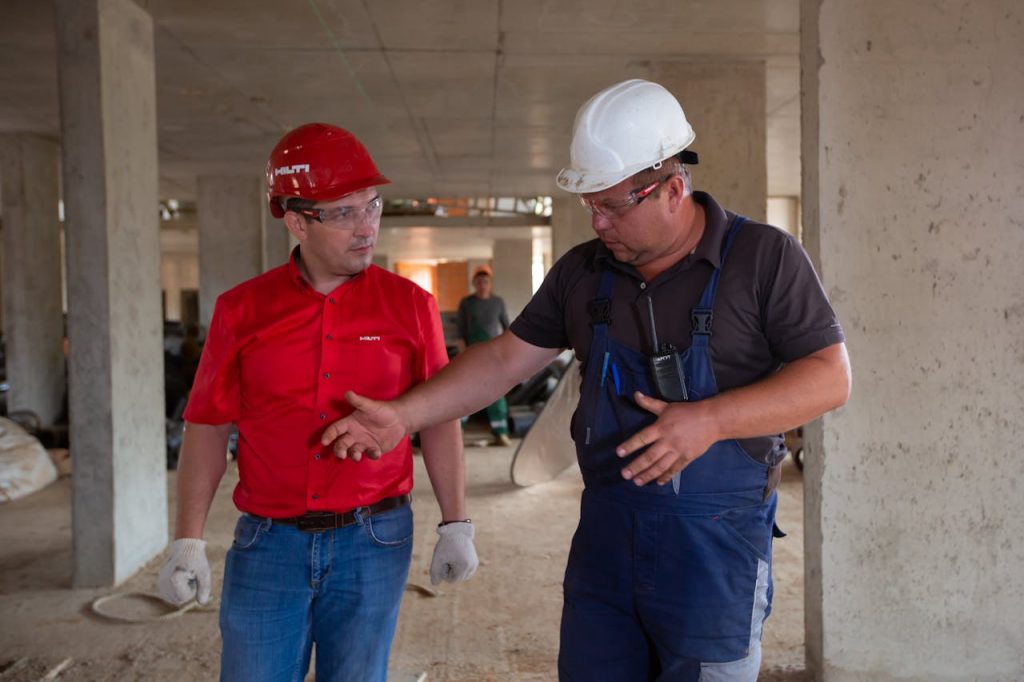
Permit ready Title 24 consultant California

Common Reasons Title 24 Reports Get Rejected

Even experienced design teams can encounter compliance issues. Hiring a strong Title 24 Consultant Near Jackson CA helps prevent:

  • Mismatched window specifications between plans and compliance forms
  • Incorrect HVAC efficiency entries
  • Outdated code cycle documentation
  • Failure to update reports after plan revisions
  • Missing required certificates

Coordination between documentation and plans is critical for passing plan check.

HERS Verification and Inspections

Depending on project scope, a Title 24 Consultant Near Jackson CA may coordinate with HERS raters for required field verification. This can include:

  • Duct leakage testing
  • Airflow verification
  • Refrigerant charge confirmation
  • Quality insulation installation verification

Accurate modeling ensures that what is installed matches what was documented, reducing inspection failures.

Statewide Service, Local Support

Even if you’re searching for a California Title 24 consultant, digital plan submission allows efficient service statewide. We regularly prepare permit-ready documentation for cities across:

  • Los Angeles County
  • Orange County
  • San Diego County
  • Riverside and San Bernardino Counties
  • Bay Area jurisdictions
  • Central Valley cities

How Early Energy Modeling Prevents Costly Permit Delays

One of the biggest advantages of working with a Title 24 Consultant Near Jackson CA early in the design phase is the ability to identify potential compliance issues before plans are finalized. Many permit delays occur not because a project cannot comply, but because energy modeling was performed after architectural and mechanical decisions were already locked in. For example, large glazing areas, specific window frame types, upgraded ceiling heights, or unique HVAC configurations can all influence compliance results. When modeling is performed during design development, practical adjustments can be made proactively—rather than reactively after plan-check comments are issued.

Early coordination also allows your design team to explore options intelligently. If performance modeling shows that the building envelope is slightly underperforming, trade-offs may be possible through higher-efficiency HVAC equipment, improved insulation assemblies, or enhanced glazing performance. Instead of scrambling to revise specifications after submission, you move into permit with confidence that your energy documentation aligns precisely with the final drawings. This approach reduces resubmittals, protects construction schedules, and keeps project budgets predictable.

Understanding the Relationship Between Plans and Energy Documentation

Energy compliance is highly detail-oriented. A professional Title 24 Consultant Near Jackson CA carefully cross-references architectural sheets, mechanical schedules, and equipment cut sheets to ensure complete alignment. Even minor discrepancies—such as a window U-factor that differs by a decimal point, or a substituted condenser with a slightly different SEER rating—can trigger plan-check corrections. Building departments expect the compliance forms to match the plans exactly. When documentation and drawings are coordinated line by line, approvals move faster.

This is particularly important when revisions occur mid-project. If the architect updates window sizes, the HVAC contractor proposes alternate equipment, or insulation values change due to availability, the energy report must be updated to reflect those revisions. Maintaining documentation accuracy protects both the design team and the property owner. It ensures that inspections later in construction confirm what was modeled, preventing failed verifications that could delay final approval.

Why Professional Coordination Saves Time and Reduces Risk

Hiring a knowledgeable Title 24 Consultant Near Jackson CA provides more than a compliance certificate—it provides project oversight from an energy-code perspective. Consultants often serve as a bridge between architects, engineers, builders, and HERS raters. When questions arise about duct location assumptions, lighting controls, photovoltaic requirements, or ventilation strategies, having a dedicated energy professional available prevents misunderstandings that can surface months later at inspection.

For homeowners, builders, and commercial property owners alike, that coordination translates into smoother inspections and predictable timelines. Instead of reacting to correction notices or failed field tests, your team proceeds with clarity. Accurate modeling, up-to-date documentation, and clear communication all contribute to a streamlined path from design to permit approval to final occupancy. When energy compliance is handled correctly from the beginning, it becomes a structured part of your project—not a surprise obstacle at the finish line.

Because compliance requirements are governed by statewide standards, we can support projects wherever they are located in California.

We’re Ready To Take Your Call

If you need a reliable Title 24 Consultant Near Jackson CA, don’t risk permit delays due to incomplete or mismatched documentation. Accurate energy modeling, coordinated compliance forms, and responsive support help your project move smoothly from design to approval.

Call (626) 365-1518, upload your plans through our contact page, or email info@title24energy.com with “California Title 24 Consultant” in the subject line.


Frequently Asked Questions About Title 24 Consultant Near Jackson CA

1. Is Title 24 required throughout California?

Yes, Title 24 energy compliance is enforced statewide.

2. Can I submit my permit without a Title 24 report?

Most projects requiring permits must include energy compliance documentation.

3. Does an ADU require Title 24 compliance?

Yes, most ADUs require compliance documentation.

4. What documents are needed to begin?

Architectural plans, window schedules, insulation details, and HVAC specifications.

5. How long does it take to prepare a report?

Turnaround depends on project size and complexity.

6. Can you revise a rejected report?

Yes, plan-check corrections and resubmissions are supported.

7. Is performance modeling always required?

No, it depends on project scope and design complexity.

8. Are HVAC replacements subject to Title 24?

Often yes, especially when duct systems are involved.

9. What is HERS testing?

HERS verification involves third-party field testing for certain systems.

10. Can compliance be completed remotely?

Yes, plans can be reviewed digitally statewide.

11. Do additions require compliance?

Most additions trigger partial energy compliance requirements.

12. Does glazing area affect results?

Yes, window area significantly impacts energy performance calculations.

13. Are commercial projects different?

Yes, commercial buildings follow nonresidential compliance pathways.

14. What happens if plans change after submission?

Documentation should be updated to match revised plans.

15. Can documentation errors delay permits?

Yes, mismatches frequently trigger correction notices.

16. Are solar panels required?

Many new residential projects include photovoltaic requirements.

17. Does insulation quality matter?

Yes, installation quality impacts inspection approval.

18. Are compliance forms submitted with the permit package?

Yes, required certificates are included in the submittal.

19. Can you coordinate with contractors?

Yes, coordination ensures installed systems match documentation.

20. How do I hire a Title 24 Consultant Near Jackson CA?

Call (626) 365-1518 or message us through our contact page to begin.

Title 24 Consultant Near Ione CA

Title 24 Consultant Near Ione CA

Title 24 Consultant Near Ione CA — Permit-Ready Energy Compliance You Can Trust

If you’re online searching for a reliable Title 24 Consultant Near Ione CA, you likely have a project moving toward permit submission and need accurate, city-ready energy documentation. Whether you’re building a custom home, designing an ADU, planning a commercial tenant improvement, or replacing an HVAC system, Title 24 compliance is a required part of the permit process throughout California.

Energy compliance is not just a formality. Your documentation must match your architectural and mechanical plans precisely. Window values, insulation levels, HVAC efficiencies, duct locations, water heating systems, and lighting controls must all align with the energy model. Even small discrepancies can trigger plan-check corrections. That’s why working with an experienced consultant matters.

If you need a responsive and knowledgeable Title 24 Consultant Near Ione CA, call (626) 365-1518 to get started today or leave us a message online.

What Does a California Title 24 Consultant Do?

A Title 24 Consultant Near Ione CA prepares the required energy compliance documentation under California’s Building Energy Efficiency Standards (Title 24, Part 6). This includes reviewing plans, selecting the appropriate compliance method, performing energy modeling when necessary, and generating permit-ready compliance forms.

Key responsibilities typically include:

  • Reviewing architectural drawings for building geometry and envelope details
  • Confirming window U-factor and SHGC performance values
  • Entering insulation R-values and assembly types
  • Inputting HVAC system efficiency ratings and duct location
  • Modeling energy performance using CEC-approved software
  • Preparing and delivering compliance documentation for permit submission

The goal is to ensure your project passes plan check smoothly and avoids unnecessary delays.

Projects That Require Title 24 Compliance

A qualified Title 24 Consultant Near Ione CA will support a wide range of residential and commercial projects, including:

Residential:

  • New single-family homes
  • Accessory Dwelling Units (ADUs)
  • Duplexes and triplexes
  • Room additions
  • Major remodels
  • HVAC changeouts

Commercial:

  • Tenant improvements
  • Office buildings
  • Retail spaces
  • Restaurants and food-service build-outs
  • Warehouses and light industrial facilities
  • Mixed-use developments

If your permit involves changes to insulation, windows, HVAC systems, lighting, or water heating, energy compliance is likely required.

California energy compliance consultant near me

Prescriptive vs Performance Compliance

Hiring an experienced Title 24 Consultant Near Ione CA will help determine whether your project should follow the prescriptive pathway or the performance pathway.

  • Prescriptive Method: Each component must meet minimum efficiency standards set by code.
  • Performance Method: Whole-building energy modeling allows trade-offs between systems to achieve overall compliance.

For simple projects, prescriptive compliance may be straightforward. For custom designs, large glazing areas, or upgraded systems, performance modeling often provides greater flexibility.

Choosing the right company early can prevent costly redesigns later.

Why Local Knowledge Still Matters

Although Title 24 is a statewide standard, building departments in different cities may have specific review procedures or documentation preferences. Working with a Title 24 Consultant Near Ione CA ensures familiarity with:

  • Common correction triggers
  • Preferred documentation formats
  • Typical plan-check timelines
  • Inspection coordination expectations

This understanding can streamline the approval process.

Permit ready Title 24 consultant California

Common Reasons Title 24 Reports Get Rejected

Even experienced design teams can encounter compliance issues. Hiring a strong Title 24 Consultant Near Ione CA helps prevent:

  • Mismatched window specifications between plans and compliance forms
  • Incorrect HVAC efficiency entries
  • Outdated code cycle documentation
  • Failure to update reports after plan revisions
  • Missing required certificates

Coordination between documentation and plans is critical for passing plan check.

HERS Verification and Inspections

Depending on project scope, a Title 24 Consultant Near Ione CA may coordinate with HERS raters for required field verification. This can include:

  • Duct leakage testing
  • Airflow verification
  • Refrigerant charge confirmation
  • Quality insulation installation verification

Accurate modeling ensures that what is installed matches what was documented, reducing inspection failures.

Statewide Service, Local Support

Even if you’re searching for a California Title 24 consultant, digital plan submission allows efficient service statewide. We regularly prepare permit-ready documentation for cities across:

  • Los Angeles County
  • Orange County
  • San Diego County
  • Riverside and San Bernardino Counties
  • Bay Area jurisdictions
  • Central Valley cities

How Early Energy Modeling Prevents Costly Permit Delays

One of the biggest advantages of working with a Title 24 Consultant Near Ione CA early in the design phase is the ability to identify potential compliance issues before plans are finalized. Many permit delays occur not because a project cannot comply, but because energy modeling was performed after architectural and mechanical decisions were already locked in. For example, large glazing areas, specific window frame types, upgraded ceiling heights, or unique HVAC configurations can all influence compliance results. When modeling is performed during design development, practical adjustments can be made proactively—rather than reactively after plan-check comments are issued.

Early coordination also allows your design team to explore options intelligently. If performance modeling shows that the building envelope is slightly underperforming, trade-offs may be possible through higher-efficiency HVAC equipment, improved insulation assemblies, or enhanced glazing performance. Instead of scrambling to revise specifications after submission, you move into permit with confidence that your energy documentation aligns precisely with the final drawings. This approach reduces resubmittals, protects construction schedules, and keeps project budgets predictable.

Understanding the Relationship Between Plans and Energy Documentation

Energy compliance is highly detail-oriented. A professional Title 24 Consultant Near Ione CA carefully cross-references architectural sheets, mechanical schedules, and equipment cut sheets to ensure complete alignment. Even minor discrepancies—such as a window U-factor that differs by a decimal point, or a substituted condenser with a slightly different SEER rating—can trigger plan-check corrections. Building departments expect the compliance forms to match the plans exactly. When documentation and drawings are coordinated line by line, approvals move faster.

This is particularly important when revisions occur mid-project. If the architect updates window sizes, the HVAC contractor proposes alternate equipment, or insulation values change due to availability, the energy report must be updated to reflect those revisions. Maintaining documentation accuracy protects both the design team and the property owner. It ensures that inspections later in construction confirm what was modeled, preventing failed verifications that could delay final approval.

Why Professional Coordination Saves Time and Reduces Risk

Hiring a knowledgeable Title 24 Consultant Near Ione CA provides more than a compliance certificate—it provides project oversight from an energy-code perspective. Consultants often serve as a bridge between architects, engineers, builders, and HERS raters. When questions arise about duct location assumptions, lighting controls, photovoltaic requirements, or ventilation strategies, having a dedicated energy professional available prevents misunderstandings that can surface months later at inspection.

For homeowners, builders, and commercial property owners alike, that coordination translates into smoother inspections and predictable timelines. Instead of reacting to correction notices or failed field tests, your team proceeds with clarity. Accurate modeling, up-to-date documentation, and clear communication all contribute to a streamlined path from design to permit approval to final occupancy. When energy compliance is handled correctly from the beginning, it becomes a structured part of your project—not a surprise obstacle at the finish line.

Because compliance requirements are governed by statewide standards, we can support projects wherever they are located in California.

We’re Ready To Take Your Call

If you need a reliable Title 24 Consultant Near Ione CA, don’t risk permit delays due to incomplete or mismatched documentation. Accurate energy modeling, coordinated compliance forms, and responsive support help your project move smoothly from design to approval.

Call (626) 365-1518, upload your plans through our contact page, or email info@title24energy.com with “California Title 24 Consultant” in the subject line.


Frequently Asked Questions About Title 24 Consultant Near Ione CA

1. Is Title 24 required throughout California?

Yes, Title 24 energy compliance is enforced statewide.

2. Can I submit my permit without a Title 24 report?

Most projects requiring permits must include energy compliance documentation.

3. Does an ADU require Title 24 compliance?

Yes, most ADUs require compliance documentation.

4. What documents are needed to begin?

Architectural plans, window schedules, insulation details, and HVAC specifications.

5. How long does it take to prepare a report?

Turnaround depends on project size and complexity.

6. Can you revise a rejected report?

Yes, plan-check corrections and resubmissions are supported.

7. Is performance modeling always required?

No, it depends on project scope and design complexity.

8. Are HVAC replacements subject to Title 24?

Often yes, especially when duct systems are involved.

9. What is HERS testing?

HERS verification involves third-party field testing for certain systems.

10. Can compliance be completed remotely?

Yes, plans can be reviewed digitally statewide.

11. Do additions require compliance?

Most additions trigger partial energy compliance requirements.

12. Does glazing area affect results?

Yes, window area significantly impacts energy performance calculations.

13. Are commercial projects different?

Yes, commercial buildings follow nonresidential compliance pathways.

14. What happens if plans change after submission?

Documentation should be updated to match revised plans.

15. Can documentation errors delay permits?

Yes, mismatches frequently trigger correction notices.

16. Are solar panels required?

Many new residential projects include photovoltaic requirements.

17. Does insulation quality matter?

Yes, installation quality impacts inspection approval.

18. Are compliance forms submitted with the permit package?

Yes, required certificates are included in the submittal.

19. Can you coordinate with contractors?

Yes, coordination ensures installed systems match documentation.

20. How do I hire a Title 24 Consultant Near Ione CA?

Call (626) 365-1518 or message us through our contact page to begin.

Title 24 Consultant Near Amador City CA

Title 24 Consultant Near Amador City CA

Title 24 Consultant Near Amador City CA — Permit-Ready Energy Compliance You Can Trust

If you’re online searching for a reliable Title 24 Consultant Near Amador City CA, you likely have a project moving toward permit submission and need accurate, city-ready energy documentation. Whether you’re building a custom home, designing an ADU, planning a commercial tenant improvement, or replacing an HVAC system, Title 24 compliance is a required part of the permit process throughout California.

Energy compliance is not just a formality. Your documentation must match your architectural and mechanical plans precisely. Window values, insulation levels, HVAC efficiencies, duct locations, water heating systems, and lighting controls must all align with the energy model. Even small discrepancies can trigger plan-check corrections. That’s why working with an experienced consultant matters.

If you need a responsive and knowledgeable Title 24 Consultant Near Amador City CA, call (626) 365-1518 to get started today or leave us a message online.

What Does a California Title 24 Consultant Do?

A Title 24 Consultant Near Amador City CA prepares the required energy compliance documentation under California’s Building Energy Efficiency Standards (Title 24, Part 6). This includes reviewing plans, selecting the appropriate compliance method, performing energy modeling when necessary, and generating permit-ready compliance forms.

Key responsibilities typically include:

  • Reviewing architectural drawings for building geometry and envelope details
  • Confirming window U-factor and SHGC performance values
  • Entering insulation R-values and assembly types
  • Inputting HVAC system efficiency ratings and duct location
  • Modeling energy performance using CEC-approved software
  • Preparing and delivering compliance documentation for permit submission

The goal is to ensure your project passes plan check smoothly and avoids unnecessary delays.

Projects That Require Title 24 Compliance

A qualified Title 24 Consultant Near Amador City CA will support a wide range of residential and commercial projects, including:

Residential:

  • New single-family homes
  • Accessory Dwelling Units (ADUs)
  • Duplexes and triplexes
  • Room additions
  • Major remodels
  • HVAC changeouts

Commercial:

  • Tenant improvements
  • Office buildings
  • Retail spaces
  • Restaurants and food-service build-outs
  • Warehouses and light industrial facilities
  • Mixed-use developments

If your permit involves changes to insulation, windows, HVAC systems, lighting, or water heating, energy compliance is likely required.

California energy compliance consultant near me

Prescriptive vs Performance Compliance

Hiring an experienced Title 24 Consultant Near Amador City CA will help determine whether your project should follow the prescriptive pathway or the performance pathway.

  • Prescriptive Method: Each component must meet minimum efficiency standards set by code.
  • Performance Method: Whole-building energy modeling allows trade-offs between systems to achieve overall compliance.

For simple projects, prescriptive compliance may be straightforward. For custom designs, large glazing areas, or upgraded systems, performance modeling often provides greater flexibility.

Choosing the right company early can prevent costly redesigns later.

Why Local Knowledge Still Matters

Although Title 24 is a statewide standard, building departments in different cities may have specific review procedures or documentation preferences. Working with a Title 24 Consultant Near Amador City CA ensures familiarity with:

  • Common correction triggers
  • Preferred documentation formats
  • Typical plan-check timelines
  • Inspection coordination expectations

This understanding can streamline the approval process.

Permit ready Title 24 consultant California

Common Reasons Title 24 Reports Get Rejected

Even experienced design teams can encounter compliance issues. Hiring a strong Title 24 Consultant Near Amador City CA helps prevent:

  • Mismatched window specifications between plans and compliance forms
  • Incorrect HVAC efficiency entries
  • Outdated code cycle documentation
  • Failure to update reports after plan revisions
  • Missing required certificates

Coordination between documentation and plans is critical for passing plan check.

HERS Verification and Inspections

Depending on project scope, a Title 24 Consultant Near Amador City CA may coordinate with HERS raters for required field verification. This can include:

  • Duct leakage testing
  • Airflow verification
  • Refrigerant charge confirmation
  • Quality insulation installation verification

Accurate modeling ensures that what is installed matches what was documented, reducing inspection failures.

Statewide Service, Local Support

Even if you’re searching for a California Title 24 consultant, digital plan submission allows efficient service statewide. We regularly prepare permit-ready documentation for cities across:

  • Los Angeles County
  • Orange County
  • San Diego County
  • Riverside and San Bernardino Counties
  • Bay Area jurisdictions
  • Central Valley cities

How Early Energy Modeling Prevents Costly Permit Delays

One of the biggest advantages of working with a Title 24 Consultant Near Amador City CA early in the design phase is the ability to identify potential compliance issues before plans are finalized. Many permit delays occur not because a project cannot comply, but because energy modeling was performed after architectural and mechanical decisions were already locked in. For example, large glazing areas, specific window frame types, upgraded ceiling heights, or unique HVAC configurations can all influence compliance results. When modeling is performed during design development, practical adjustments can be made proactively—rather than reactively after plan-check comments are issued.

Early coordination also allows your design team to explore options intelligently. If performance modeling shows that the building envelope is slightly underperforming, trade-offs may be possible through higher-efficiency HVAC equipment, improved insulation assemblies, or enhanced glazing performance. Instead of scrambling to revise specifications after submission, you move into permit with confidence that your energy documentation aligns precisely with the final drawings. This approach reduces resubmittals, protects construction schedules, and keeps project budgets predictable.

Understanding the Relationship Between Plans and Energy Documentation

Energy compliance is highly detail-oriented. A professional Title 24 Consultant Near Amador City CA carefully cross-references architectural sheets, mechanical schedules, and equipment cut sheets to ensure complete alignment. Even minor discrepancies—such as a window U-factor that differs by a decimal point, or a substituted condenser with a slightly different SEER rating—can trigger plan-check corrections. Building departments expect the compliance forms to match the plans exactly. When documentation and drawings are coordinated line by line, approvals move faster.

This is particularly important when revisions occur mid-project. If the architect updates window sizes, the HVAC contractor proposes alternate equipment, or insulation values change due to availability, the energy report must be updated to reflect those revisions. Maintaining documentation accuracy protects both the design team and the property owner. It ensures that inspections later in construction confirm what was modeled, preventing failed verifications that could delay final approval.

Why Professional Coordination Saves Time and Reduces Risk

Hiring a knowledgeable Title 24 Consultant Near Amador City CA provides more than a compliance certificate—it provides project oversight from an energy-code perspective. Consultants often serve as a bridge between architects, engineers, builders, and HERS raters. When questions arise about duct location assumptions, lighting controls, photovoltaic requirements, or ventilation strategies, having a dedicated energy professional available prevents misunderstandings that can surface months later at inspection.

For homeowners, builders, and commercial property owners alike, that coordination translates into smoother inspections and predictable timelines. Instead of reacting to correction notices or failed field tests, your team proceeds with clarity. Accurate modeling, up-to-date documentation, and clear communication all contribute to a streamlined path from design to permit approval to final occupancy. When energy compliance is handled correctly from the beginning, it becomes a structured part of your project—not a surprise obstacle at the finish line.

Because compliance requirements are governed by statewide standards, we can support projects wherever they are located in California.

We’re Ready To Take Your Call

If you need a reliable Title 24 Consultant Near Amador City CA, don’t risk permit delays due to incomplete or mismatched documentation. Accurate energy modeling, coordinated compliance forms, and responsive support help your project move smoothly from design to approval.

Call (626) 365-1518, upload your plans through our contact page, or email info@title24energy.com with “California Title 24 Consultant” in the subject line.


Frequently Asked Questions About Title 24 Consultant Near Amador City CA

1. Is Title 24 required throughout California?

Yes, Title 24 energy compliance is enforced statewide.

2. Can I submit my permit without a Title 24 report?

Most projects requiring permits must include energy compliance documentation.

3. Does an ADU require Title 24 compliance?

Yes, most ADUs require compliance documentation.

4. What documents are needed to begin?

Architectural plans, window schedules, insulation details, and HVAC specifications.

5. How long does it take to prepare a report?

Turnaround depends on project size and complexity.

6. Can you revise a rejected report?

Yes, plan-check corrections and resubmissions are supported.

7. Is performance modeling always required?

No, it depends on project scope and design complexity.

8. Are HVAC replacements subject to Title 24?

Often yes, especially when duct systems are involved.

9. What is HERS testing?

HERS verification involves third-party field testing for certain systems.

10. Can compliance be completed remotely?

Yes, plans can be reviewed digitally statewide.

11. Do additions require compliance?

Most additions trigger partial energy compliance requirements.

12. Does glazing area affect results?

Yes, window area significantly impacts energy performance calculations.

13. Are commercial projects different?

Yes, commercial buildings follow nonresidential compliance pathways.

14. What happens if plans change after submission?

Documentation should be updated to match revised plans.

15. Can documentation errors delay permits?

Yes, mismatches frequently trigger correction notices.

16. Are solar panels required?

Many new residential projects include photovoltaic requirements.

17. Does insulation quality matter?

Yes, installation quality impacts inspection approval.

18. Are compliance forms submitted with the permit package?

Yes, required certificates are included in the submittal.

19. Can you coordinate with contractors?

Yes, coordination ensures installed systems match documentation.

20. How do I hire a Title 24 Consultant Near Amador City CA?

Call (626) 365-1518 or message us through our contact page to begin.

Title 24 Consultant Near Union City CA

Title 24 Consultant Near Union City CA

Title 24 Consultant Near Union City CA — Permit-Ready Energy Compliance You Can Trust

If you’re online searching for a reliable Title 24 Consultant Near Union City CA, you likely have a project moving toward permit submission and need accurate, city-ready energy documentation. Whether you’re building a custom home, designing an ADU, planning a commercial tenant improvement, or replacing an HVAC system, Title 24 compliance is a required part of the permit process throughout California.

Energy compliance is not just a formality. Your documentation must match your architectural and mechanical plans precisely. Window values, insulation levels, HVAC efficiencies, duct locations, water heating systems, and lighting controls must all align with the energy model. Even small discrepancies can trigger plan-check corrections. That’s why working with an experienced consultant matters.

If you need a responsive and knowledgeable Title 24 Consultant Near Union City CA, call (626) 365-1518 to get started today or leave us a message online.

What Does a California Title 24 Consultant Do?

A Title 24 Consultant Near Union City CA prepares the required energy compliance documentation under California’s Building Energy Efficiency Standards (Title 24, Part 6). This includes reviewing plans, selecting the appropriate compliance method, performing energy modeling when necessary, and generating permit-ready compliance forms.

Key responsibilities typically include:

  • Reviewing architectural drawings for building geometry and envelope details
  • Confirming window U-factor and SHGC performance values
  • Entering insulation R-values and assembly types
  • Inputting HVAC system efficiency ratings and duct location
  • Modeling energy performance using CEC-approved software
  • Preparing and delivering compliance documentation for permit submission

The goal is to ensure your project passes plan check smoothly and avoids unnecessary delays.

Projects That Require Title 24 Compliance

A qualified Title 24 Consultant Near Union City CA will support a wide range of residential and commercial projects, including:

Residential:

  • New single-family homes
  • Accessory Dwelling Units (ADUs)
  • Duplexes and triplexes
  • Room additions
  • Major remodels
  • HVAC changeouts

Commercial:

  • Tenant improvements
  • Office buildings
  • Retail spaces
  • Restaurants and food-service build-outs
  • Warehouses and light industrial facilities
  • Mixed-use developments

If your permit involves changes to insulation, windows, HVAC systems, lighting, or water heating, energy compliance is likely required.

California energy compliance consultant near me

Prescriptive vs Performance Compliance

Hiring an experienced Title 24 Consultant Near Union City CA will help determine whether your project should follow the prescriptive pathway or the performance pathway.

  • Prescriptive Method: Each component must meet minimum efficiency standards set by code.
  • Performance Method: Whole-building energy modeling allows trade-offs between systems to achieve overall compliance.

For simple projects, prescriptive compliance may be straightforward. For custom designs, large glazing areas, or upgraded systems, performance modeling often provides greater flexibility.

Choosing the right company early can prevent costly redesigns later.

Why Local Knowledge Still Matters

Although Title 24 is a statewide standard, building departments in different cities may have specific review procedures or documentation preferences. Working with a Title 24 Consultant Near Union City CA ensures familiarity with:

  • Common correction triggers
  • Preferred documentation formats
  • Typical plan-check timelines
  • Inspection coordination expectations

This understanding can streamline the approval process.

Permit ready Title 24 consultant California

Common Reasons Title 24 Reports Get Rejected

Even experienced design teams can encounter compliance issues. Hiring a strong Title 24 Consultant Near Union City CA helps prevent:

  • Mismatched window specifications between plans and compliance forms
  • Incorrect HVAC efficiency entries
  • Outdated code cycle documentation
  • Failure to update reports after plan revisions
  • Missing required certificates

Coordination between documentation and plans is critical for passing plan check.

HERS Verification and Inspections

Depending on project scope, a Title 24 Consultant Near Union City CA may coordinate with HERS raters for required field verification. This can include:

  • Duct leakage testing
  • Airflow verification
  • Refrigerant charge confirmation
  • Quality insulation installation verification

Accurate modeling ensures that what is installed matches what was documented, reducing inspection failures.

Statewide Service, Local Support

Even if you’re searching for a California Title 24 consultant, digital plan submission allows efficient service statewide. We regularly prepare permit-ready documentation for cities across:

  • Los Angeles County
  • Orange County
  • San Diego County
  • Riverside and San Bernardino Counties
  • Bay Area jurisdictions
  • Central Valley cities

How Early Energy Modeling Prevents Costly Permit Delays

One of the biggest advantages of working with a Title 24 Consultant Near Union City CA early in the design phase is the ability to identify potential compliance issues before plans are finalized. Many permit delays occur not because a project cannot comply, but because energy modeling was performed after architectural and mechanical decisions were already locked in. For example, large glazing areas, specific window frame types, upgraded ceiling heights, or unique HVAC configurations can all influence compliance results. When modeling is performed during design development, practical adjustments can be made proactively—rather than reactively after plan-check comments are issued.

Early coordination also allows your design team to explore options intelligently. If performance modeling shows that the building envelope is slightly underperforming, trade-offs may be possible through higher-efficiency HVAC equipment, improved insulation assemblies, or enhanced glazing performance. Instead of scrambling to revise specifications after submission, you move into permit with confidence that your energy documentation aligns precisely with the final drawings. This approach reduces resubmittals, protects construction schedules, and keeps project budgets predictable.

Understanding the Relationship Between Plans and Energy Documentation

Energy compliance is highly detail-oriented. A professional Title 24 Consultant Near Union City CA carefully cross-references architectural sheets, mechanical schedules, and equipment cut sheets to ensure complete alignment. Even minor discrepancies—such as a window U-factor that differs by a decimal point, or a substituted condenser with a slightly different SEER rating—can trigger plan-check corrections. Building departments expect the compliance forms to match the plans exactly. When documentation and drawings are coordinated line by line, approvals move faster.

This is particularly important when revisions occur mid-project. If the architect updates window sizes, the HVAC contractor proposes alternate equipment, or insulation values change due to availability, the energy report must be updated to reflect those revisions. Maintaining documentation accuracy protects both the design team and the property owner. It ensures that inspections later in construction confirm what was modeled, preventing failed verifications that could delay final approval.

Why Professional Coordination Saves Time and Reduces Risk

Hiring a knowledgeable Title 24 Consultant Near Union City CA provides more than a compliance certificate—it provides project oversight from an energy-code perspective. Consultants often serve as a bridge between architects, engineers, builders, and HERS raters. When questions arise about duct location assumptions, lighting controls, photovoltaic requirements, or ventilation strategies, having a dedicated energy professional available prevents misunderstandings that can surface months later at inspection.

For homeowners, builders, and commercial property owners alike, that coordination translates into smoother inspections and predictable timelines. Instead of reacting to correction notices or failed field tests, your team proceeds with clarity. Accurate modeling, up-to-date documentation, and clear communication all contribute to a streamlined path from design to permit approval to final occupancy. When energy compliance is handled correctly from the beginning, it becomes a structured part of your project—not a surprise obstacle at the finish line.

Because compliance requirements are governed by statewide standards, we can support projects wherever they are located in California.

We’re Ready To Take Your Call

If you need a reliable Title 24 Consultant Near Union City CA, don’t risk permit delays due to incomplete or mismatched documentation. Accurate energy modeling, coordinated compliance forms, and responsive support help your project move smoothly from design to approval.

Call (626) 365-1518, upload your plans through our contact page, or email info@title24energy.com with “California Title 24 Consultant” in the subject line.


Frequently Asked Questions About Title 24 Consultant Near Union City CA

1. Is Title 24 required throughout California?

Yes, Title 24 energy compliance is enforced statewide.

2. Can I submit my permit without a Title 24 report?

Most projects requiring permits must include energy compliance documentation.

3. Does an ADU require Title 24 compliance?

Yes, most ADUs require compliance documentation.

4. What documents are needed to begin?

Architectural plans, window schedules, insulation details, and HVAC specifications.

5. How long does it take to prepare a report?

Turnaround depends on project size and complexity.

6. Can you revise a rejected report?

Yes, plan-check corrections and resubmissions are supported.

7. Is performance modeling always required?

No, it depends on project scope and design complexity.

8. Are HVAC replacements subject to Title 24?

Often yes, especially when duct systems are involved.

9. What is HERS testing?

HERS verification involves third-party field testing for certain systems.

10. Can compliance be completed remotely?

Yes, plans can be reviewed digitally statewide.

11. Do additions require compliance?

Most additions trigger partial energy compliance requirements.

12. Does glazing area affect results?

Yes, window area significantly impacts energy performance calculations.

13. Are commercial projects different?

Yes, commercial buildings follow nonresidential compliance pathways.

14. What happens if plans change after submission?

Documentation should be updated to match revised plans.

15. Can documentation errors delay permits?

Yes, mismatches frequently trigger correction notices.

16. Are solar panels required?

Many new residential projects include photovoltaic requirements.

17. Does insulation quality matter?

Yes, installation quality impacts inspection approval.

18. Are compliance forms submitted with the permit package?

Yes, required certificates are included in the submittal.

19. Can you coordinate with contractors?

Yes, coordination ensures installed systems match documentation.

20. How do I hire a Title 24 Consultant Near Union City CA?

Call (626) 365-1518 or message us through our contact page to begin.

Title 24 Consultant Near San Leandro CA

Title 24 Consultant Near San Leandro CA

Title 24 Consultant Near San Leandro CA — Permit-Ready Energy Compliance You Can Trust

If you’re online searching for a reliable Title 24 Consultant Near San Leandro CA, you likely have a project moving toward permit submission and need accurate, city-ready energy documentation. Whether you’re building a custom home, designing an ADU, planning a commercial tenant improvement, or replacing an HVAC system, Title 24 compliance is a required part of the permit process throughout California.

Energy compliance is not just a formality. Your documentation must match your architectural and mechanical plans precisely. Window values, insulation levels, HVAC efficiencies, duct locations, water heating systems, and lighting controls must all align with the energy model. Even small discrepancies can trigger plan-check corrections. That’s why working with an experienced consultant matters.

If you need a responsive and knowledgeable Title 24 Consultant Near San Leandro CA, call (626) 365-1518 to get started today or leave us a message online.

What Does a California Title 24 Consultant Do?

A Title 24 Consultant Near San Leandro CA prepares the required energy compliance documentation under California’s Building Energy Efficiency Standards (Title 24, Part 6). This includes reviewing plans, selecting the appropriate compliance method, performing energy modeling when necessary, and generating permit-ready compliance forms.

Key responsibilities typically include:

  • Reviewing architectural drawings for building geometry and envelope details
  • Confirming window U-factor and SHGC performance values
  • Entering insulation R-values and assembly types
  • Inputting HVAC system efficiency ratings and duct location
  • Modeling energy performance using CEC-approved software
  • Preparing and delivering compliance documentation for permit submission

The goal is to ensure your project passes plan check smoothly and avoids unnecessary delays.

Projects That Require Title 24 Compliance

A qualified Title 24 Consultant Near San Leandro CA will support a wide range of residential and commercial projects, including:

Residential:

  • New single-family homes
  • Accessory Dwelling Units (ADUs)
  • Duplexes and triplexes
  • Room additions
  • Major remodels
  • HVAC changeouts

Commercial:

  • Tenant improvements
  • Office buildings
  • Retail spaces
  • Restaurants and food-service build-outs
  • Warehouses and light industrial facilities
  • Mixed-use developments

If your permit involves changes to insulation, windows, HVAC systems, lighting, or water heating, energy compliance is likely required.

California energy compliance consultant near me

Prescriptive vs Performance Compliance

Hiring an experienced Title 24 Consultant Near San Leandro CA will help determine whether your project should follow the prescriptive pathway or the performance pathway.

  • Prescriptive Method: Each component must meet minimum efficiency standards set by code.
  • Performance Method: Whole-building energy modeling allows trade-offs between systems to achieve overall compliance.

For simple projects, prescriptive compliance may be straightforward. For custom designs, large glazing areas, or upgraded systems, performance modeling often provides greater flexibility.

Choosing the right company early can prevent costly redesigns later.

Why Local Knowledge Still Matters

Although Title 24 is a statewide standard, building departments in different cities may have specific review procedures or documentation preferences. Working with a Title 24 Consultant Near San Leandro CA ensures familiarity with:

  • Common correction triggers
  • Preferred documentation formats
  • Typical plan-check timelines
  • Inspection coordination expectations

This understanding can streamline the approval process.

Permit ready Title 24 consultant California

Common Reasons Title 24 Reports Get Rejected

Even experienced design teams can encounter compliance issues. Hiring a strong Title 24 Consultant Near San Leandro CA helps prevent:

  • Mismatched window specifications between plans and compliance forms
  • Incorrect HVAC efficiency entries
  • Outdated code cycle documentation
  • Failure to update reports after plan revisions
  • Missing required certificates

Coordination between documentation and plans is critical for passing plan check.

HERS Verification and Inspections

Depending on project scope, a Title 24 Consultant Near San Leandro CA may coordinate with HERS raters for required field verification. This can include:

  • Duct leakage testing
  • Airflow verification
  • Refrigerant charge confirmation
  • Quality insulation installation verification

Accurate modeling ensures that what is installed matches what was documented, reducing inspection failures.

Statewide Service, Local Support

Even if you’re searching for a California Title 24 consultant, digital plan submission allows efficient service statewide. We regularly prepare permit-ready documentation for cities across:

  • Los Angeles County
  • Orange County
  • San Diego County
  • Riverside and San Bernardino Counties
  • Bay Area jurisdictions
  • Central Valley cities

How Early Energy Modeling Prevents Costly Permit Delays

One of the biggest advantages of working with a Title 24 Consultant Near San Leandro CA early in the design phase is the ability to identify potential compliance issues before plans are finalized. Many permit delays occur not because a project cannot comply, but because energy modeling was performed after architectural and mechanical decisions were already locked in. For example, large glazing areas, specific window frame types, upgraded ceiling heights, or unique HVAC configurations can all influence compliance results. When modeling is performed during design development, practical adjustments can be made proactively—rather than reactively after plan-check comments are issued.

Early coordination also allows your design team to explore options intelligently. If performance modeling shows that the building envelope is slightly underperforming, trade-offs may be possible through higher-efficiency HVAC equipment, improved insulation assemblies, or enhanced glazing performance. Instead of scrambling to revise specifications after submission, you move into permit with confidence that your energy documentation aligns precisely with the final drawings. This approach reduces resubmittals, protects construction schedules, and keeps project budgets predictable.

Understanding the Relationship Between Plans and Energy Documentation

Energy compliance is highly detail-oriented. A professional Title 24 Consultant Near San Leandro CA carefully cross-references architectural sheets, mechanical schedules, and equipment cut sheets to ensure complete alignment. Even minor discrepancies—such as a window U-factor that differs by a decimal point, or a substituted condenser with a slightly different SEER rating—can trigger plan-check corrections. Building departments expect the compliance forms to match the plans exactly. When documentation and drawings are coordinated line by line, approvals move faster.

This is particularly important when revisions occur mid-project. If the architect updates window sizes, the HVAC contractor proposes alternate equipment, or insulation values change due to availability, the energy report must be updated to reflect those revisions. Maintaining documentation accuracy protects both the design team and the property owner. It ensures that inspections later in construction confirm what was modeled, preventing failed verifications that could delay final approval.

Why Professional Coordination Saves Time and Reduces Risk

Hiring a knowledgeable Title 24 Consultant Near San Leandro CA provides more than a compliance certificate—it provides project oversight from an energy-code perspective. Consultants often serve as a bridge between architects, engineers, builders, and HERS raters. When questions arise about duct location assumptions, lighting controls, photovoltaic requirements, or ventilation strategies, having a dedicated energy professional available prevents misunderstandings that can surface months later at inspection.

For homeowners, builders, and commercial property owners alike, that coordination translates into smoother inspections and predictable timelines. Instead of reacting to correction notices or failed field tests, your team proceeds with clarity. Accurate modeling, up-to-date documentation, and clear communication all contribute to a streamlined path from design to permit approval to final occupancy. When energy compliance is handled correctly from the beginning, it becomes a structured part of your project—not a surprise obstacle at the finish line.

Because compliance requirements are governed by statewide standards, we can support projects wherever they are located in California.

We’re Ready To Take Your Call

If you need a reliable Title 24 Consultant Near San Leandro CA, don’t risk permit delays due to incomplete or mismatched documentation. Accurate energy modeling, coordinated compliance forms, and responsive support help your project move smoothly from design to approval.

Call (626) 365-1518, upload your plans through our contact page, or email info@title24energy.com with “California Title 24 Consultant” in the subject line.


Frequently Asked Questions About Title 24 Consultant Near San Leandro CA

1. Is Title 24 required throughout California?

Yes, Title 24 energy compliance is enforced statewide.

2. Can I submit my permit without a Title 24 report?

Most projects requiring permits must include energy compliance documentation.

3. Does an ADU require Title 24 compliance?

Yes, most ADUs require compliance documentation.

4. What documents are needed to begin?

Architectural plans, window schedules, insulation details, and HVAC specifications.

5. How long does it take to prepare a report?

Turnaround depends on project size and complexity.

6. Can you revise a rejected report?

Yes, plan-check corrections and resubmissions are supported.

7. Is performance modeling always required?

No, it depends on project scope and design complexity.

8. Are HVAC replacements subject to Title 24?

Often yes, especially when duct systems are involved.

9. What is HERS testing?

HERS verification involves third-party field testing for certain systems.

10. Can compliance be completed remotely?

Yes, plans can be reviewed digitally statewide.

11. Do additions require compliance?

Most additions trigger partial energy compliance requirements.

12. Does glazing area affect results?

Yes, window area significantly impacts energy performance calculations.

13. Are commercial projects different?

Yes, commercial buildings follow nonresidential compliance pathways.

14. What happens if plans change after submission?

Documentation should be updated to match revised plans.

15. Can documentation errors delay permits?

Yes, mismatches frequently trigger correction notices.

16. Are solar panels required?

Many new residential projects include photovoltaic requirements.

17. Does insulation quality matter?

Yes, installation quality impacts inspection approval.

18. Are compliance forms submitted with the permit package?

Yes, required certificates are included in the submittal.

19. Can you coordinate with contractors?

Yes, coordination ensures installed systems match documentation.

20. How do I hire a Title 24 Consultant Near San Leandro CA?

Call (626) 365-1518 or message us through our contact page to begin.

Title 24 Consultant Near Pleasanton CA

Title 24 Consultant Near Pleasanton CA

Title 24 Consultant Near Pleasanton CA — Permit-Ready Energy Compliance You Can Trust

If you’re online searching for a reliable Title 24 Consultant Near Pleasanton CA, you likely have a project moving toward permit submission and need accurate, city-ready energy documentation. Whether you’re building a custom home, designing an ADU, planning a commercial tenant improvement, or replacing an HVAC system, Title 24 compliance is a required part of the permit process throughout California.

Energy compliance is not just a formality. Your documentation must match your architectural and mechanical plans precisely. Window values, insulation levels, HVAC efficiencies, duct locations, water heating systems, and lighting controls must all align with the energy model. Even small discrepancies can trigger plan-check corrections. That’s why working with an experienced consultant matters.

If you need a responsive and knowledgeable Title 24 Consultant Near Pleasanton CA, call (626) 365-1518 to get started today or leave us a message online.

What Does a California Title 24 Consultant Do?

A Title 24 Consultant Near Pleasanton CA prepares the required energy compliance documentation under California’s Building Energy Efficiency Standards (Title 24, Part 6). This includes reviewing plans, selecting the appropriate compliance method, performing energy modeling when necessary, and generating permit-ready compliance forms.

Key responsibilities typically include:

  • Reviewing architectural drawings for building geometry and envelope details
  • Confirming window U-factor and SHGC performance values
  • Entering insulation R-values and assembly types
  • Inputting HVAC system efficiency ratings and duct location
  • Modeling energy performance using CEC-approved software
  • Preparing and delivering compliance documentation for permit submission

The goal is to ensure your project passes plan check smoothly and avoids unnecessary delays.

Projects That Require Title 24 Compliance

A qualified Title 24 Consultant Near Pleasanton CA will support a wide range of residential and commercial projects, including:

Residential:

  • New single-family homes
  • Accessory Dwelling Units (ADUs)
  • Duplexes and triplexes
  • Room additions
  • Major remodels
  • HVAC changeouts

Commercial:

  • Tenant improvements
  • Office buildings
  • Retail spaces
  • Restaurants and food-service build-outs
  • Warehouses and light industrial facilities
  • Mixed-use developments

If your permit involves changes to insulation, windows, HVAC systems, lighting, or water heating, energy compliance is likely required.

California energy compliance consultant near me

Prescriptive vs Performance Compliance

Hiring an experienced Title 24 Consultant Near Pleasanton CA will help determine whether your project should follow the prescriptive pathway or the performance pathway.

  • Prescriptive Method: Each component must meet minimum efficiency standards set by code.
  • Performance Method: Whole-building energy modeling allows trade-offs between systems to achieve overall compliance.

For simple projects, prescriptive compliance may be straightforward. For custom designs, large glazing areas, or upgraded systems, performance modeling often provides greater flexibility.

Choosing the right company early can prevent costly redesigns later.

Why Local Knowledge Still Matters

Although Title 24 is a statewide standard, building departments in different cities may have specific review procedures or documentation preferences. Working with a Title 24 Consultant Near Pleasanton CA ensures familiarity with:

  • Common correction triggers
  • Preferred documentation formats
  • Typical plan-check timelines
  • Inspection coordination expectations

This understanding can streamline the approval process.

Permit ready Title 24 consultant California

Common Reasons Title 24 Reports Get Rejected

Even experienced design teams can encounter compliance issues. Hiring a strong Title 24 Consultant Near Pleasanton CA helps prevent:

  • Mismatched window specifications between plans and compliance forms
  • Incorrect HVAC efficiency entries
  • Outdated code cycle documentation
  • Failure to update reports after plan revisions
  • Missing required certificates

Coordination between documentation and plans is critical for passing plan check.

HERS Verification and Inspections

Depending on project scope, a Title 24 Consultant Near Pleasanton CA may coordinate with HERS raters for required field verification. This can include:

  • Duct leakage testing
  • Airflow verification
  • Refrigerant charge confirmation
  • Quality insulation installation verification

Accurate modeling ensures that what is installed matches what was documented, reducing inspection failures.

Statewide Service, Local Support

Even if you’re searching for a California Title 24 consultant, digital plan submission allows efficient service statewide. We regularly prepare permit-ready documentation for cities across:

  • Los Angeles County
  • Orange County
  • San Diego County
  • Riverside and San Bernardino Counties
  • Bay Area jurisdictions
  • Central Valley cities

How Early Energy Modeling Prevents Costly Permit Delays

One of the biggest advantages of working with a Title 24 Consultant Near Pleasanton CA early in the design phase is the ability to identify potential compliance issues before plans are finalized. Many permit delays occur not because a project cannot comply, but because energy modeling was performed after architectural and mechanical decisions were already locked in. For example, large glazing areas, specific window frame types, upgraded ceiling heights, or unique HVAC configurations can all influence compliance results. When modeling is performed during design development, practical adjustments can be made proactively—rather than reactively after plan-check comments are issued.

Early coordination also allows your design team to explore options intelligently. If performance modeling shows that the building envelope is slightly underperforming, trade-offs may be possible through higher-efficiency HVAC equipment, improved insulation assemblies, or enhanced glazing performance. Instead of scrambling to revise specifications after submission, you move into permit with confidence that your energy documentation aligns precisely with the final drawings. This approach reduces resubmittals, protects construction schedules, and keeps project budgets predictable.

Understanding the Relationship Between Plans and Energy Documentation

Energy compliance is highly detail-oriented. A professional Title 24 Consultant Near Pleasanton CA carefully cross-references architectural sheets, mechanical schedules, and equipment cut sheets to ensure complete alignment. Even minor discrepancies—such as a window U-factor that differs by a decimal point, or a substituted condenser with a slightly different SEER rating—can trigger plan-check corrections. Building departments expect the compliance forms to match the plans exactly. When documentation and drawings are coordinated line by line, approvals move faster.

This is particularly important when revisions occur mid-project. If the architect updates window sizes, the HVAC contractor proposes alternate equipment, or insulation values change due to availability, the energy report must be updated to reflect those revisions. Maintaining documentation accuracy protects both the design team and the property owner. It ensures that inspections later in construction confirm what was modeled, preventing failed verifications that could delay final approval.

Why Professional Coordination Saves Time and Reduces Risk

Hiring a knowledgeable Title 24 Consultant Near Pleasanton CA provides more than a compliance certificate—it provides project oversight from an energy-code perspective. Consultants often serve as a bridge between architects, engineers, builders, and HERS raters. When questions arise about duct location assumptions, lighting controls, photovoltaic requirements, or ventilation strategies, having a dedicated energy professional available prevents misunderstandings that can surface months later at inspection.

For homeowners, builders, and commercial property owners alike, that coordination translates into smoother inspections and predictable timelines. Instead of reacting to correction notices or failed field tests, your team proceeds with clarity. Accurate modeling, up-to-date documentation, and clear communication all contribute to a streamlined path from design to permit approval to final occupancy. When energy compliance is handled correctly from the beginning, it becomes a structured part of your project—not a surprise obstacle at the finish line.

Because compliance requirements are governed by statewide standards, we can support projects wherever they are located in California.

We’re Ready To Take Your Call

If you need a reliable Title 24 Consultant Near Pleasanton CA, don’t risk permit delays due to incomplete or mismatched documentation. Accurate energy modeling, coordinated compliance forms, and responsive support help your project move smoothly from design to approval.

Call (626) 365-1518, upload your plans through our contact page, or email info@title24energy.com with “California Title 24 Consultant” in the subject line.


Frequently Asked Questions About Title 24 Consultant Near Pleasanton CA

1. Is Title 24 required throughout California?

Yes, Title 24 energy compliance is enforced statewide.

2. Can I submit my permit without a Title 24 report?

Most projects requiring permits must include energy compliance documentation.

3. Does an ADU require Title 24 compliance?

Yes, most ADUs require compliance documentation.

4. What documents are needed to begin?

Architectural plans, window schedules, insulation details, and HVAC specifications.

5. How long does it take to prepare a report?

Turnaround depends on project size and complexity.

6. Can you revise a rejected report?

Yes, plan-check corrections and resubmissions are supported.

7. Is performance modeling always required?

No, it depends on project scope and design complexity.

8. Are HVAC replacements subject to Title 24?

Often yes, especially when duct systems are involved.

9. What is HERS testing?

HERS verification involves third-party field testing for certain systems.

10. Can compliance be completed remotely?

Yes, plans can be reviewed digitally statewide.

11. Do additions require compliance?

Most additions trigger partial energy compliance requirements.

12. Does glazing area affect results?

Yes, window area significantly impacts energy performance calculations.

13. Are commercial projects different?

Yes, commercial buildings follow nonresidential compliance pathways.

14. What happens if plans change after submission?

Documentation should be updated to match revised plans.

15. Can documentation errors delay permits?

Yes, mismatches frequently trigger correction notices.

16. Are solar panels required?

Many new residential projects include photovoltaic requirements.

17. Does insulation quality matter?

Yes, installation quality impacts inspection approval.

18. Are compliance forms submitted with the permit package?

Yes, required certificates are included in the submittal.

19. Can you coordinate with contractors?

Yes, coordination ensures installed systems match documentation.

20. How do I hire a Title 24 Consultant Near Pleasanton CA?

Call (626) 365-1518 or message us through our contact page to begin.

Title 24 Consultant Near Piedmont CA

Title 24 Consultant Near Piedmont CA

Title 24 Consultant Near Piedmont CA — Permit-Ready Energy Compliance You Can Trust

If you’re online searching for a reliable Title 24 Consultant Near Piedmont CA, you likely have a project moving toward permit submission and need accurate, city-ready energy documentation. Whether you’re building a custom home, designing an ADU, planning a commercial tenant improvement, or replacing an HVAC system, Title 24 compliance is a required part of the permit process throughout California.

Energy compliance is not just a formality. Your documentation must match your architectural and mechanical plans precisely. Window values, insulation levels, HVAC efficiencies, duct locations, water heating systems, and lighting controls must all align with the energy model. Even small discrepancies can trigger plan-check corrections. That’s why working with an experienced consultant matters.

If you need a responsive and knowledgeable Title 24 Consultant Near Piedmont CA, call (626) 365-1518 to get started today or leave us a message online.

What Does a California Title 24 Consultant Do?

A Title 24 Consultant Near Piedmont CA prepares the required energy compliance documentation under California’s Building Energy Efficiency Standards (Title 24, Part 6). This includes reviewing plans, selecting the appropriate compliance method, performing energy modeling when necessary, and generating permit-ready compliance forms.

Key responsibilities typically include:

  • Reviewing architectural drawings for building geometry and envelope details
  • Confirming window U-factor and SHGC performance values
  • Entering insulation R-values and assembly types
  • Inputting HVAC system efficiency ratings and duct location
  • Modeling energy performance using CEC-approved software
  • Preparing and delivering compliance documentation for permit submission

The goal is to ensure your project passes plan check smoothly and avoids unnecessary delays.

Projects That Require Title 24 Compliance

A qualified Title 24 Consultant Near Piedmont CA will support a wide range of residential and commercial projects, including:

Residential:

  • New single-family homes
  • Accessory Dwelling Units (ADUs)
  • Duplexes and triplexes
  • Room additions
  • Major remodels
  • HVAC changeouts

Commercial:

  • Tenant improvements
  • Office buildings
  • Retail spaces
  • Restaurants and food-service build-outs
  • Warehouses and light industrial facilities
  • Mixed-use developments

If your permit involves changes to insulation, windows, HVAC systems, lighting, or water heating, energy compliance is likely required.

California energy compliance consultant near me

Prescriptive vs Performance Compliance

Hiring an experienced Title 24 Consultant Near Piedmont CA will help determine whether your project should follow the prescriptive pathway or the performance pathway.

  • Prescriptive Method: Each component must meet minimum efficiency standards set by code.
  • Performance Method: Whole-building energy modeling allows trade-offs between systems to achieve overall compliance.

For simple projects, prescriptive compliance may be straightforward. For custom designs, large glazing areas, or upgraded systems, performance modeling often provides greater flexibility.

Choosing the right company early can prevent costly redesigns later.

Why Local Knowledge Still Matters

Although Title 24 is a statewide standard, building departments in different cities may have specific review procedures or documentation preferences. Working with a Title 24 Consultant Near Piedmont CA ensures familiarity with:

  • Common correction triggers
  • Preferred documentation formats
  • Typical plan-check timelines
  • Inspection coordination expectations

This understanding can streamline the approval process.

Permit ready Title 24 consultant California

Common Reasons Title 24 Reports Get Rejected

Even experienced design teams can encounter compliance issues. Hiring a strong Title 24 Consultant Near Piedmont CA helps prevent:

  • Mismatched window specifications between plans and compliance forms
  • Incorrect HVAC efficiency entries
  • Outdated code cycle documentation
  • Failure to update reports after plan revisions
  • Missing required certificates

Coordination between documentation and plans is critical for passing plan check.

HERS Verification and Inspections

Depending on project scope, a Title 24 Consultant Near Piedmont CA may coordinate with HERS raters for required field verification. This can include:

  • Duct leakage testing
  • Airflow verification
  • Refrigerant charge confirmation
  • Quality insulation installation verification

Accurate modeling ensures that what is installed matches what was documented, reducing inspection failures.

Statewide Service, Local Support

Even if you’re searching for a California Title 24 consultant near me, digital plan submission allows efficient service statewide. We regularly prepare permit-ready documentation for cities across:

  • Los Angeles County
  • Orange County
  • San Diego County
  • Riverside and San Bernardino Counties
  • Bay Area jurisdictions
  • Central Valley cities

How Early Energy Modeling Prevents Costly Permit Delays

One of the biggest advantages of working with a Title 24 Consultant Near Piedmont CA early in the design phase is the ability to identify potential compliance issues before plans are finalized. Many permit delays occur not because a project cannot comply, but because energy modeling was performed after architectural and mechanical decisions were already locked in. For example, large glazing areas, specific window frame types, upgraded ceiling heights, or unique HVAC configurations can all influence compliance results. When modeling is performed during design development, practical adjustments can be made proactively—rather than reactively after plan-check comments are issued.

Early coordination also allows your design team to explore options intelligently. If performance modeling shows that the building envelope is slightly underperforming, trade-offs may be possible through higher-efficiency HVAC equipment, improved insulation assemblies, or enhanced glazing performance. Instead of scrambling to revise specifications after submission, you move into permit with confidence that your energy documentation aligns precisely with the final drawings. This approach reduces resubmittals, protects construction schedules, and keeps project budgets predictable.

Understanding the Relationship Between Plans and Energy Documentation

Energy compliance is highly detail-oriented. A professional Title 24 Consultant Near Piedmont CA carefully cross-references architectural sheets, mechanical schedules, and equipment cut sheets to ensure complete alignment. Even minor discrepancies—such as a window U-factor that differs by a decimal point, or a substituted condenser with a slightly different SEER rating—can trigger plan-check corrections. Building departments expect the compliance forms to match the plans exactly. When documentation and drawings are coordinated line by line, approvals move faster.

This is particularly important when revisions occur mid-project. If the architect updates window sizes, the HVAC contractor proposes alternate equipment, or insulation values change due to availability, the energy report must be updated to reflect those revisions. Maintaining documentation accuracy protects both the design team and the property owner. It ensures that inspections later in construction confirm what was modeled, preventing failed verifications that could delay final approval.

Why Professional Coordination Saves Time and Reduces Risk

Hiring a knowledgeable Title 24 Consultant Near Piedmont CA provides more than a compliance certificate—it provides project oversight from an energy-code perspective. Consultants often serve as a bridge between architects, engineers, builders, and HERS raters. When questions arise about duct location assumptions, lighting controls, photovoltaic requirements, or ventilation strategies, having a dedicated energy professional available prevents misunderstandings that can surface months later at inspection.

For homeowners, builders, and commercial property owners alike, that coordination translates into smoother inspections and predictable timelines. Instead of reacting to correction notices or failed field tests, your team proceeds with clarity. Accurate modeling, up-to-date documentation, and clear communication all contribute to a streamlined path from design to permit approval to final occupancy. When energy compliance is handled correctly from the beginning, it becomes a structured part of your project—not a surprise obstacle at the finish line.

Because compliance requirements are governed by statewide standards, we can support projects wherever they are located in California.

We’re Ready To Take Your Call

If you need a reliable Title 24 Consultant Near Piedmont CA, don’t risk permit delays due to incomplete or mismatched documentation. Accurate energy modeling, coordinated compliance forms, and responsive support help your project move smoothly from design to approval.

Call (626) 365-1518, upload your plans through our contact page, or email info@title24energy.com with “California Title 24 Consultant” in the subject line.


Frequently Asked Questions About Title 24 Consultant Near Piedmont CA

1. Is Title 24 required throughout California?

Yes, Title 24 energy compliance is enforced statewide.

2. Can I submit my permit without a Title 24 report?

Most projects requiring permits must include energy compliance documentation.

3. Does an ADU require Title 24 compliance?

Yes, most ADUs require compliance documentation.

4. What documents are needed to begin?

Architectural plans, window schedules, insulation details, and HVAC specifications.

5. How long does it take to prepare a report?

Turnaround depends on project size and complexity.

6. Can you revise a rejected report?

Yes, plan-check corrections and resubmissions are supported.

7. Is performance modeling always required?

No, it depends on project scope and design complexity.

8. Are HVAC replacements subject to Title 24?

Often yes, especially when duct systems are involved.

9. What is HERS testing?

HERS verification involves third-party field testing for certain systems.

10. Can compliance be completed remotely?

Yes, plans can be reviewed digitally statewide.

11. Do additions require compliance?

Most additions trigger partial energy compliance requirements.

12. Does glazing area affect results?

Yes, window area significantly impacts energy performance calculations.

13. Are commercial projects different?

Yes, commercial buildings follow nonresidential compliance pathways.

14. What happens if plans change after submission?

Documentation should be updated to match revised plans.

15. Can documentation errors delay permits?

Yes, mismatches frequently trigger correction notices.

16. Are solar panels required?

Many new residential projects include photovoltaic requirements.

17. Does insulation quality matter?

Yes, installation quality impacts inspection approval.

18. Are compliance forms submitted with the permit package?

Yes, required certificates are included in the submittal.

19. Can you coordinate with contractors?

Yes, coordination ensures installed systems match documentation.

20. How do I hire a Title 24 Consultant Near Piedmont CA?

Call (626) 365-1518 or message us through our contact page to begin.

Common Title 24 Mistakes That Delay Permits

Common Title 24 Mistakes That Delay Permits

Common Title 24 Mistakes That Delay Permits — And How to Avoid Plan-Check Resubmittals in California

If you’ve ever received a correction notice from the building department, you already understand how frustrating permit delays can be. One of the most frequent causes of plan-check slowdowns in California is energy documentation. This guide breaks down Common Title 24 Mistakes That Delay Permits so you can avoid costly resubmittals and keep your project moving.

Title 24 compliance is not just a formality—it is part of the official building code review process. When the energy report doesn’t match the plans, omits required information, or reflects outdated assumptions, reviewers are required to issue corrections. The result? Extra review cycles, schedule extensions, and sometimes last-minute product changes.

Whether you’re a homeowner, architect, builder, developer, contractor, engineer, or permit expediter, understanding these common mistakes can protect your timeline. If you need fast, permit-ready compliance support, call (626) 365-1518.

Mistake #1: The Energy Report Doesn’t Match the Architectural Plans

This is the single most common issue behind plan-check comments.

Reviewers frequently compare:

  • Conditioned floor area in the report vs. floor plans
  • Window sizes and quantities vs. elevations
  • Insulation values vs. wall/roof details
  • Mechanical system types vs. mechanical schedules

If the energy report lists different window areas, insulation R-values, or HVAC efficiencies than the plans, corrections are almost guaranteed. Even minor mismatches can trigger a resubmittal.

How to avoid it: Ensure the Title 24 documentation is prepared from the final permit-intent plan set—not from an earlier draft.

Mistake #2: Missing or Incomplete Window Schedule Information

Window performance is critical in energy modeling. A missing U-factor or SHGC value can stall the entire compliance process.

Common window-related issues include:

  • No performance values listed on the window schedule
  • Generic “dual-pane window” descriptions without ratings
  • Values that differ from what was used in the model
  • Last-minute substitutions not reflected in the report

Because windows significantly impact performance results, building departments review them carefully.

How to avoid it: Provide a complete window schedule with U-factor and SHGC values before compliance modeling begins.

Title 24 mistakes that delay permits in California

Mistake #3: HVAC System Mismatch

Another one of the Common Title 24 Mistakes That Delay Permits involves HVAC equipment.

Examples include:

  • Mechanical schedule lists a different efficiency than the report
  • Switching from ducted to ductless systems after modeling
  • Model numbers not matching documented efficiencies
  • Omitting ventilation assumptions

Mechanical discrepancies are often discovered during plan check—or worse, during inspection.

How to avoid it: Finalize HVAC selections before generating the compliance report, and update documentation immediately if changes occur.

Mistake #4: Using an Outdated Code Cycle

California adopts energy code cycles on a scheduled basis. Submitting documentation prepared under the wrong code cycle is a fast way to receive corrections.

Common scenarios:

  • Using forms from a previous cycle
  • Failing to update modeling assumptions after a new adoption date
  • Reusing old compliance documentation for a new permit application

How to avoid it: Confirm which code cycle is in effect at the time of permit submittal and ensure documentation aligns accordingly.

Mistake #5: Reusing an Old Title 24 Report

We often see attempts to reuse documentation from a similar project. Even small changes in:

  • Orientation
  • Square footage
  • Window layout
  • Mechanical equipment

can invalidate reuse.

This is one of the most overlooked Common Title 24 Mistakes That Delay Permits because the differences may appear minor but materially affect compliance modeling.

How to avoid it: Generate project-specific compliance documentation for each address and plan set.

Avoiding Title 24 permit delays

Mistake #6: Failing to Update the Report After Plan Changes

Plans evolve. Window sizes change. Insulation values get revised. HVAC systems are substituted.

If the energy report is not updated to reflect these changes, plan check will issue corrections.

This often happens when:

  • Architectural revisions occur after compliance was completed
  • Mechanical contractors change equipment selections
  • Solar system size changes without updating documentation

How to avoid it: Treat the Title 24 report as a living document during design. Update it whenever energy-related plan elements change.

Mistake #7: Incomplete Commercial Lighting Documentation

For commercial projects, lighting and control requirements are frequently the cause of delay.

Common issues:

  • Lighting power density exceeding allowable limits
  • Missing automatic lighting control descriptions
  • Fixture schedules not matching energy documentation
  • Unclear scope boundaries in tenant improvements

Commercial compliance documentation must align precisely with fixture layouts and control zones.

How to avoid it: Coordinate lighting design and compliance early in the permit phase.

Mistake #8: Submitting Preliminary Plans Instead of Permit-Intent Plans

Preparing compliance documentation from schematic or draft drawings increases the chance of mismatches.

If the plans submitted to the city differ from the plans used for modeling, corrections will follow.

How to avoid it: Wait until the permit-intent plan set is complete before finalizing compliance documentation.

Mistake #9: Ignoring Mandatory Measures

Performance-based modeling can sometimes obscure mandatory minimum requirements.

Even if performance calculations pass, mandatory elements such as:

  • Minimum insulation levels
  • Specific control requirements
  • Ventilation compliance

must still be met.

How to avoid it: Ensure both performance and mandatory measures are satisfied.

Mistake #10: Poor Communication Between Trades

Energy compliance touches architecture, mechanical design, solar design, insulation installers, and sometimes electrical contractors.

When these trades don’t communicate:

  • Specifications change without documentation updates
  • Installations don’t match approved compliance forms
  • Inspection delays occur

How to avoid it: Keep your Title 24 consultant informed of any design or product changes before permit submission and before inspections.

How to Prevent Title 24 Permit Delays

Avoiding Common Title 24 Mistakes That Delay Permits requires coordination and documentation discipline:

  • Use the final permit-intent plan set
  • Provide complete window and mechanical schedules
  • Confirm insulation callouts are consistent
  • Update compliance documentation after revisions
  • Ensure documentation matches installed systems

When handled properly, Title 24 compliance supports permit approval rather than slowing it down.

We’re Ready to Help You Avoid Resubmittals

We help homeowners, architects, builders, developers, engineers, contractors, and permit expediters across California prepare accurate, permit-ready Title 24 compliance documentation.

If you want to prevent costly plan-check cycles, call (626) 365-1518, upload plans through our contact page, or email info@title24energy.com with “Permit Delay” in the subject line.

We’re Ready To Take Your Call

Understanding Common Title 24 Mistakes That Delay Permits is the first step toward keeping your project on schedule. With accurate modeling, consistent documentation, and early coordination, compliance becomes predictable—and plan check moves more smoothly.

Call (626) 365-1518 today and let’s keep your permit process moving forward.


Frequently Asked Questions About Common Title 24 Mistakes That Delay Permits

1. What is the most common Title 24 mistake?

Mismatches between the energy report and architectural or mechanical plans are the most common issue.

2. Do window substitutions cause delays?

Yes, especially if updated performance values are not reflected in the compliance report.

3. Can HVAC changes trigger corrections?

Yes, mechanical efficiency mismatches frequently cause plan-check comments.

4. Is using an old Title 24 report risky?

Yes, reused documentation often leads to corrections.

5. Does the wrong code cycle cause rejection?

Yes, compliance must match the adopted code cycle at permit submission.

6. Can plan revisions require updated energy reports?

Yes, any energy-related changes require updated documentation.

7. Do commercial projects face more compliance delays?

They can, especially regarding lighting and controls documentation.

8. Does incomplete window data delay modeling?

Yes, missing U-factor or SHGC values prevent accurate modeling.

9. Should compliance be prepared from draft plans?

It’s best to use final permit-intent plans to avoid mismatches.

10. Can inspectors reject projects over documentation issues?

Yes, inspections require installed systems to match approved documentation.

11. Does orientation matter in compliance?

Yes, building orientation affects solar exposure and modeling results.

12. Can poor communication cause delays?

Yes, coordination gaps between trades often create compliance mismatches.

13. Is solar documentation important?

Yes, solar assumptions must match what is installed.

14. Are mandatory measures always required?

Yes, mandatory minimum requirements apply regardless of performance results.

15. Can last-minute changes delay permits?

Yes, especially if documentation isn’t updated.

16. Does lighting documentation affect commercial permits?

Yes, lighting power density and controls are heavily reviewed.

17. How can I prevent resubmittals?

Ensure compliance documentation matches the exact permit plan set.

18. Who prepares Title 24 reports?

Certified energy consultants using approved software tools.

19. How long do corrections usually delay permits?

Delays depend on jurisdiction review cycles and revision complexity.

20. How do I get help avoiding Title 24 mistakes?

Call (626) 365-1518 or upload your plans through our contact page to review your project.

Title 24 Future Code Cycles

Title 24 future code cycles

Title 24 Future Code Cycles — What to Expect and How to Prepare Your California Project

If you’re researching Title 24 future code cycles, you’re thinking ahead—and that’s exactly what smart project planning in California requires. Title 24 (Part 6) isn’t static. It evolves on a recurring schedule as the state adjusts performance targets, equipment standards, documentation expectations, and enforcement practices. For homeowners, architects, builders, developers, engineers, and permit expediters, those future cycles can directly impact design decisions, permit timing, and even product selection.

The most important thing to understand is this: Title 24 code cycles don’t just affect “new projects.” They affect projects in progress, projects waiting for submittal, and projects that span transition periods between enforcement dates. If your permit submittal crosses into a new cycle window, your compliance documentation may need to reflect updated expectations.

This guide explains Title 24 future code cycles in plain language—how they’re structured, how they influence permits and inspections, and how to design with flexibility so you don’t get caught in a last-minute compliance scramble. If you’d like your current plans reviewed for cycle timing and permit readiness, call (626) 365-1518.

How Title 24 Code Cycles Work in California

California updates its Building Energy Efficiency Standards on a recurring schedule. Each new cycle reflects policy goals, technological advances, and long-term energy performance targets. While the broad structure of compliance—envelope, HVAC, ventilation, water heating, lighting, documentation—remains familiar, the details evolve.

Future code cycles typically influence:

  • Minimum efficiency requirements for HVAC equipment
  • Envelope performance expectations (insulation and glazing)
  • Documentation formats and approved software tools
  • Verification and testing triggers
  • Performance modeling baselines

When people ask about Title 24 future code cycles, they usually want to know: “Will my current design still work?” The answer depends on timing, scope, and compliance pathway.

Why Future Cycles Matter Before You Submit for Permit

One of the biggest misunderstandings about code cycles is assuming that compliance is locked in when design starts. In reality, enforcement is typically tied to permit submittal date. That means if your plans are ready today but you don’t submit until a new cycle is active, the city may expect compliance documentation generated under the newly enforced standards.

This is how Title 24 future code cycles affect real-world projects:

  • A custom home design prepared months earlier may need updated modeling.
  • An ADU waiting on final drawings may cross into a new enforcement window.
  • A commercial tenant improvement may require updated documentation outputs.
  • Plan check may request current-cycle forms if submittal occurs after enforcement begins.

Planning for cycle timing early helps avoid rushed revisions later.

What Typically Changes From Cycle to Cycle?

While each cycle has its own adjustments, several areas consistently receive attention over time.

1. Envelope performance

Insulation levels and glazing assumptions can shift. Window performance values (U-factor and SHGC) often play a larger role as energy targets become more aggressive. Even small design decisions—like increased glazing area—can have a greater compliance impact under tighter cycles.

2. Mechanical efficiency expectations

HVAC systems are a frequent focus of updates. Efficiency minimums, distribution assumptions, and control requirements may evolve. If you select equipment early, confirm it will still meet expectations at the time of submittal.

3. Performance modeling baselines

For projects using performance modeling, the baseline assumptions used to compare proposed designs can change. That means a design that complied under one cycle may need slight adjustments under the next.

4. Documentation and verification

Approved software tools and required output forms may be updated. Some cycles also expand or clarify verification triggers for certain systems.

Understanding these categories is essential when reviewing Title 24 future code cycles for upcoming projects.

Title 24 future code cycles and permit timing

How Future Cycles Influence Prescriptive vs Performance Strategy

As standards tighten over time, prescriptive pathways can become more restrictive. That doesn’t mean they’re unusable—it just means they may require higher-performing components to meet minimum thresholds.

In contrast, performance modeling may offer more flexibility because it evaluates the building as a system. If one component becomes more restrictive in a new cycle, trade-offs in other areas can sometimes maintain compliance.

When evaluating Title 24 future code cycles, it’s smart to ask:

  • Will this design still pass under the next cycle?
  • Should we consider performance modeling now to avoid future redesign?
  • Are there envelope or mechanical decisions that could limit flexibility later?

A proactive compliance strategy can prevent redesign costs and permit delays.

What Happens If Your Project Crosses a Cycle Transition?

Cycle transitions are where confusion—and permit corrections—most often occur. If a project spans a transition period, you may encounter:

  • Requests for updated compliance documentation.
  • Plan check comments referencing current enforcement expectations.
  • Clarification requests regarding which cycle applies.

In many cases, the safest approach is to align compliance documentation with the cycle enforced at the time of submittal. Confirming this early with your consultant can prevent costly delays.

Preparing for Title 24 future code cycles

Designing With Future Code Cycles in Mind

If you’re planning new construction, an ADU, an addition, or a commercial project, you can reduce risk by building in compliance flexibility.

Best practices include:

  • Confirm cycle timing early: Know when your jurisdiction enforces the next cycle.
  • Lock key performance values: Window and HVAC selections should be aligned with future-ready expectations.
  • Keep documentation aligned: Ensure your compliance package matches your permit-intent plan set.
  • Consider performance modeling: It may offer more flexibility across evolving cycles.
  • Allow time for revisions: If submittal timing is uncertain, build buffer time into your schedule.

Forward planning is far less expensive than last-minute redesign.

How Title 24 Future Code Cycles Affect Inspections

It’s not just permits that are influenced by cycle timing. Inspections can also be impacted. Installed systems must match approved documentation generated under the correct cycle. If equipment is substituted or assumptions change after approval, documentation updates may be required before final sign-off.

Keeping compliance documentation aligned with field decisions reduces the risk of late-stage surprises.

How We Help You Prepare for Future Cycles

We help homeowners, architects, designers, contractors, engineers, developers, and permit expediters prepare compliance packages aligned with current enforcement expectations while planning ahead for Title 24 future code cycles.

Our process includes:

  • Reviewing permit timing and jurisdiction enforcement windows
  • Selecting the appropriate compliance pathway
  • Ensuring alignment between plans and documentation
  • Supporting corrections, revisions, and resubmittals if needed

If you want to confirm that your project is aligned with the correct cycle and ready for submittal, call (626) 365-1518, upload plans through our contact page, or email info@title24energy.com with “Future Code Cycle Review” in the subject line.

We’re Ready To Take Your Call

Understanding Title 24 future code cycles isn’t about predicting every change—it’s about preparing your project so that permit timing, documentation, and inspections stay aligned. When your compliance package reflects the correct cycle and matches your plan set, approval becomes predictable.

Call (626) 365-1518 today to prepare your California project for current and future Title 24 requirements.


Frequently Asked Questions About Title 24 Future Code Cycles

1. How often are Title 24 code cycles updated?

California updates its energy standards on a recurring schedule, typically every few years.

2. Which code cycle applies to my project?

In most cases, the cycle enforced at the time of permit submittal applies.

3. Can my project be delayed if it crosses into a new cycle?

Yes, if compliance documentation does not reflect the currently enforced standards.

4. Do new cycles affect residential and commercial projects?

Yes, both sectors are subject to updated energy requirements.

5. Will window requirements change in future cycles?

Glazing performance expectations often evolve as energy targets tighten.

6. Do HVAC efficiency standards change over time?

Yes, mechanical efficiency requirements are frequently updated.

7. Does performance modeling change with new cycles?

Baseline assumptions and compliance targets may be adjusted in future cycles.

8. Can I design now for a future cycle?

Yes, planning for higher efficiency components can reduce redesign risk later.

9. What happens if I submit under an older cycle?

Plan check may require updated documentation aligned with the enforced cycle.

10. Are documentation forms updated each cycle?

Approved software outputs and required forms can change with new cycles.

11. Do ADUs follow the same cycle rules?

Yes, most ADUs must comply with the enforced cycle at the time of permit submittal.

12. Can commercial tenant improvements be affected?

Yes, especially when mechanical or lighting systems are involved.

13. Do inspections change with new cycles?

Installed systems must match approved documentation generated under the applicable cycle.

14. Should I wait to submit if a new cycle is approaching?

That depends on your timeline and design readiness; planning early helps avoid rushed updates.

15. Does prescriptive compliance become harder over time?

Minimum component values may become more stringent in future cycles.

16. Is performance modeling more flexible for future cycles?

It can be, because it evaluates overall building performance rather than just minimum component values.

17. Can you help confirm which cycle applies to my project?

Yes, we can review your jurisdiction and permit timing.

18. What documents do I need to start?

Permit-intent architectural and mechanical plans, window schedule, and system specifications.

19. Can you update compliance documentation if a cycle changes mid-project?

Yes, revisions can be prepared to align with current enforcement expectations.

20. How do I prepare my project for future Title 24 cycles?

Call (626) 365-1518 or upload plans through our contact page to begin a cycle-readiness review.

How Title 24 Changes Affect Permits

How Title 24 changes affect permits

How Title 24 Changes Affect Permits — A Practical Guide for California Plan Check, Corrections, and Approval

If you’re trying to understand how Title 24 changes affect permits, you’re already asking the right question. In California, the permit process doesn’t just depend on drawings and zoning—it depends on whether your energy compliance documentation matches the currently enforced expectations and matches your plan set. When Title 24 updates (or when the city’s interpretation and review approach tightens), projects can get stuck in plan check even when the design itself is solid.

The biggest misconception is that Title 24 “changes” only matter to engineers or energy modelers. In reality, they affect homeowners, architects, builders, contractors, and permit expediters because they influence what the building department accepts, what gets flagged, and what has to be revised before approval. A project can be delayed simply because the energy report was generated under a different code cycle than the city expects, or because the plan set evolved after the compliance documentation was created.

This page explains how Title 24 changes affect permits in practical, plan-check language: what changes trigger corrections, how to reduce resubmittal cycles, and how to keep your project permit-ready from design through inspection. If you want a permit-ready compliance package matched to your current plan set, call (626) 365-1518.

Why Title 24 Is a “Permit Gate” in California

Title 24 (Part 6) is part of California’s building code, which means it has the same legal weight as structural and life-safety requirements. For many residential and commercial projects, the building department will not approve permits without compliant energy documentation.

When people ask how Title 24 changes affect permits, the short answer is: changes can alter what counts as compliant, what forms are required, what assumptions are allowed, and which software outputs the city will accept. But the longer—and more useful—answer is that changes also affect how easily a reviewer can verify your submittal.

Plan check is verification-driven. The reviewer compares the compliance documentation to the plans and asks, “Does this describe the same building?” If the answer is unclear, you get a correction notice.

What Counts as a “Title 24 Change” That Impacts Permits?

In the real world, Title 24 “changes” can take several forms. Understanding which one you’re dealing with is the key to avoiding permit delays.

1) Code cycle changes

California updates the energy standards on a recurring schedule. When a new cycle is enforced, building departments typically expect energy forms and modeling outputs generated under that cycle for permits submitted during that enforcement window.

2) Software and documentation output changes

Even if the project’s design doesn’t change, the approved compliance software and the required output formats can change. Cities want documentation produced using approved tools that reflect current calculations and forms.

3) Review practice changes

Sometimes the biggest “change” is not a new rule—it’s stricter plan-check review. Many jurisdictions now compare window schedules, insulation callouts, mechanical notes, and equipment efficiencies more aggressively. That means mismatches that might have slipped through years ago can now trigger corrections.

4) Project scope or plan revisions

This is the most common permit impact: the plans changed, but the Title 24 report didn’t. Window sizes shift, insulation details are updated, mechanical equipment is substituted, or the conditioned area changes. In each case, the compliance package may need to be revised to match what is being permitted.

How Code Cycle Timing Affects Your Permit Submission

If your project timeline spans a transition period, how Title 24 changes affect permits becomes very concrete. You might have drawings started months ago, but the permit submittal happens later under a different enforcement cycle. In those cases, plan check may request updated compliance documentation.

Common symptoms of a cycle mismatch include:

  • Plan check requests “current code cycle” compliance documents.
  • They flag forms as outdated or inconsistent with current standards.
  • They ask for revised energy documentation tied to the current plan revision.

The best practice is to confirm early which cycle the jurisdiction expects for your submittal timeline and to ensure your compliance documentation is created (or updated) to match that timing.

How Title 24 changes affect permits in plan check

The Most Common Permit Corrections Caused by Title 24 Changes

When cities issue comments related to energy documentation, they often look like “mismatch” issues. These are the most frequent reasons we see permits slowed down:

Window schedule mismatches

The window U-factor and SHGC values on the energy forms must match the window schedule exactly. If you changed windows, adjusted sizes, or updated the schedule and the forms weren’t revised, the city will flag it. Even if the new windows are “better,” the documentation still has to match.

HVAC system differences

If the mechanical plans show one system type but the energy documentation reflects another, plan check will request clarification or correction. Efficiency ratings and equipment assumptions must match across the plan set.

Insulation conflicts across sheets

Many plan sets have insulation values in notes, details, and schedules. If those values conflict, it creates uncertainty. If the energy report reflects one value but the plans show another, the reviewer will ask for corrections.

Ventilation strategy unclear

Ventilation requirements are often met in the design, but the plan set may not clearly describe the strategy. If it’s unclear how ventilation is being provided—or if the forms and plans don’t align—the city may issue comments.

Outdated documentation outputs

Even if the design is correct, if the compliance package is produced in a format the city does not accept for the current cycle, it can trigger resubmittal requests.

Why Prescriptive vs Performance Choice Can Impact Permits

Another way how Title 24 changes affect permits shows up is through the compliance method selection. Title 24 generally allows different pathways, and each has advantages depending on design.

  • Prescriptive method: Each component meets minimum requirements. It can be straightforward for simple projects.
  • Performance method: Energy modeling allows trade-offs and can be more flexible for custom designs, complex glazing, or specific system choices.

As standards tighten over time, prescriptive compliance can become more restrictive. That doesn’t mean performance is always required—but it does mean that selecting the wrong pathway for a given design can lead to compliance shortfalls and permit delays.

A good consultant helps you choose the method that is most likely to pass plan check cleanly and remain consistent through construction.

How Title 24 changes affect permits and inspections

How Title 24 Changes Can Affect Inspections and Final Approval

Permits are only the first gate. Title 24 compliance often continues into construction through verification and inspections. If the installed equipment or assemblies differ from what was approved, final approval can be delayed.

This is where Title 24 changes can hit late in the process:

  • Contractors substitute HVAC equipment due to availability, but documentation isn’t updated.
  • Window products change during procurement and values don’t match the approved forms.
  • Insulation installation differs from the specified assembly.
  • Required verification measures are missed or not documented.

The simplest way to avoid inspection issues is to keep the compliance documentation aligned with field decisions. If substitutions occur, update documentation early—before the inspector discovers the mismatch.

How to Reduce Permit Delays When Title 24 Changes Apply

If you want to minimize permit disruptions when standards or requirements shift, focus on a few high-impact actions:

  • Confirm your plan version: Ensure the energy report is based on the same plan set being submitted.
  • Lock window values: Finalize U-factor and SHGC values and keep them consistent in the schedule and forms.
  • Confirm HVAC selections: Make sure system type and efficiencies match across mechanical notes and energy documentation.
  • Clean up insulation callouts: Remove conflicting values across plans and details.
  • Submit correction notices when requesting revisions: Targeted revisions reduce review cycles and resubmissions.

These steps help your compliance package move through plan check as a verifiable document instead of an interpretation puzzle.

How We Help Projects Stay Permit-Ready

We help homeowners, architects, designers, contractors, developers, and permit expediters create compliance packages that plan check can verify quickly. Our process is built around alignment: correct compliance pathway, accurate inputs, and a final check against the permit set before delivery.

We support:

  • New construction and ADUs
  • Additions and remodels
  • Tenant improvements and commercial projects
  • Plan-check corrections, revisions, and resubmittals

To get started, call (626) 365-1518, upload plans through our
contact page,
or email info@title24energy.com with “Permits + Title 24” in the subject line.

We’re Ready To Take Your Call

Understanding how Title 24 changes affect permits comes down to one word: alignment. When your compliance documentation reflects the currently enforced expectations and matches your plan set, permits move faster, corrections drop, and inspections become predictable.

Call (626) 365-1518 today to get a plan-check-ready Title 24 compliance package prepared accurately for your California project.


Frequently Asked Questions About How Title 24 Changes Affect Permits

1. What is the biggest way Title 24 changes affect permits?

They can change what documentation is required and whether the city accepts your compliance package for the current enforcement cycle.

2. Can my permit be delayed if my Title 24 report is outdated?

Yes. If your report is based on older forms, older software outputs, or older plans, plan check can require revisions.

3. Does the permit submission date determine which code cycle applies?

In many cases, yes. Jurisdictions typically enforce the cycle active at the time of submittal.

4. Why do cities compare energy forms to the plan set?

To verify that the compliance documentation describes the same building and systems being permitted.

5. What’s the most common correction related to Title 24 paperwork?

Mismatches between window schedules and the energy compliance forms.

6. Can HVAC substitutions cause permit corrections?

Yes. System type and efficiency must match across mechanical notes and compliance documentation.

7. Do additions and remodels get affected by Title 24 changes?

Often yes. Requirements depend on scope and which energy-related components are being modified.

8. Do ADUs require current-cycle Title 24 documentation?

Yes. Most ADUs require energy compliance documentation tied to the cycle enforced for that submission.

9. What’s the difference between prescriptive and performance compliance?

Prescriptive requires each component meet minimum values; performance uses modeling and allows trade-offs.

10. Which compliance method is more likely to avoid permit delays?

The method that best fits the project and produces a clear, verifiable package that matches the plan set.

11. Can Title 24 changes affect commercial permits differently than residential?

Yes. Commercial projects often involve additional lighting and controls documentation expectations.

12. Why do insulation callouts create plan-check comments?

Conflicting insulation values across plans create uncertainty and can conflict with compliance forms.

13. Does ventilation documentation affect permit approval?

Yes. An unclear ventilation strategy can trigger plan-check comments or resubmittal requests.

14. If plans change after submittal, do I need revised energy documentation?

Usually yes if changes affect windows, HVAC, insulation, water heating, conditioned area, or other energy features.

15. Can Title 24 changes affect inspections?

Yes. Installed systems must match approved documentation, and some measures require verification.

16. What happens if installed equipment doesn’t match the approved forms?

You may need documentation updates and/or field corrections before final approval.

17. Can a fast-turnaround report still be permit-ready?

Yes, if intake is disciplined and a final plan-alignment review is performed before delivery.

18. What should I provide to prevent permit corrections?

Complete permit-intent plans, window schedule with values, insulation callouts, mechanical specs, and any correction notice if in review.

19. Can you help with plan-check corrections and resubmittals?

Yes. Targeted revisions can be prepared when you provide the correction notice and updated plans.

20. How do I get help with permits impacted by Title 24 changes?

Call (626) 365-1518 or upload plans through our contact page to begin.

Call Now Button