
How Much Do Title 24 Calculations Cost?
Call (626) 365-1518 | Alternative Energy Systems
How Much Do Title 24 Calculations Cost depends on the actual building project rather than one universal price that applies to every home, ADU, addition, remodel, multifamily building, or commercial project.
The cost can depend on:
- Project type
- Building size
- Project complexity
- New construction versus alteration
- Residential, multifamily, or commercial classification
- Amount of conditioned space
- Complexity of the building envelope
- Number and type of windows
- Mechanical-system complexity
- Whether commercial lighting is involved
- How complete the plans are
- Whether important specifications are missing
- Whether an existing report must be revised
- Whether building-department correction comments already exist
- Turnaround requirements
- Extent of requested revisions
A straightforward project with coordinated plans and complete specifications can involve a different amount of work from a custom residence, multifamily project, mixed-use building, restaurant improvement, or commercial project involving several design disciplines.
Alternative Energy Systems therefore reviews the project before providing pricing.
Call (626) 365-1518 or send the current plans through the contact page to request a project-specific quote.
There Is No Single Price That Accurately Fits Every Project
Two projects with similar square footage can require very different amounts of energy-compliance work.
One project may have:
- Simple building geometry
- One wall assembly
- A straightforward roof
- A complete window schedule
- One HVAC system
- Complete specifications
Another building of similar size may include:
- Several roof elevations
- Multiple wall assemblies
- Extensive glazing
- Several HVAC systems
- Mixed conditioned and unconditioned spaces
- Existing and proposed construction
- Incomplete product information
The amount of work required to review, analyze, coordinate, and document those projects is not the same.
That is why project-specific pricing is more useful than a generic number.
Project Type Is One of the Biggest Pricing Factors
The first question is usually what kind of project is being analyzed.
AES works with projects including:
- New homes
- ADUs
- Garage conversions
- Residential additions
- Residential remodels
- Multifamily buildings
- Mixed-use projects
- Commercial buildings
- Office tenant improvements
- Retail improvements
- Restaurant projects
- Warehouse alterations
- HVAC projects
- Commercial lighting projects
Each project category can involve different calculations, forms, systems, and coordination requirements.
Building Size Can Affect the Cost
Larger projects can require more information to be reviewed and entered into the energy analysis.
Depending on the project, that may include additional:
- Floor area
- Exterior wall area
- Roof assemblies
- Windows
- Mechanical systems
- Zones
- Lighting areas
However, square footage should not be treated as the only pricing factor.
A smaller building with complicated geometry, several system types, or incomplete plans can require more coordination than a larger but straightforward project.
Complex Building Geometry Can Increase the Work Required
Energy analysis becomes more involved when the building contains many different conditions.
Examples include:
- Multiple stories
- Several roof elevations
- Vaulted ceilings
- Complex exterior-wall geometry
- Numerous projections or recesses
- Large amounts of glazing
- Multiple conditioned zones
- Attached and detached portions
These characteristics can require additional review and modeling.
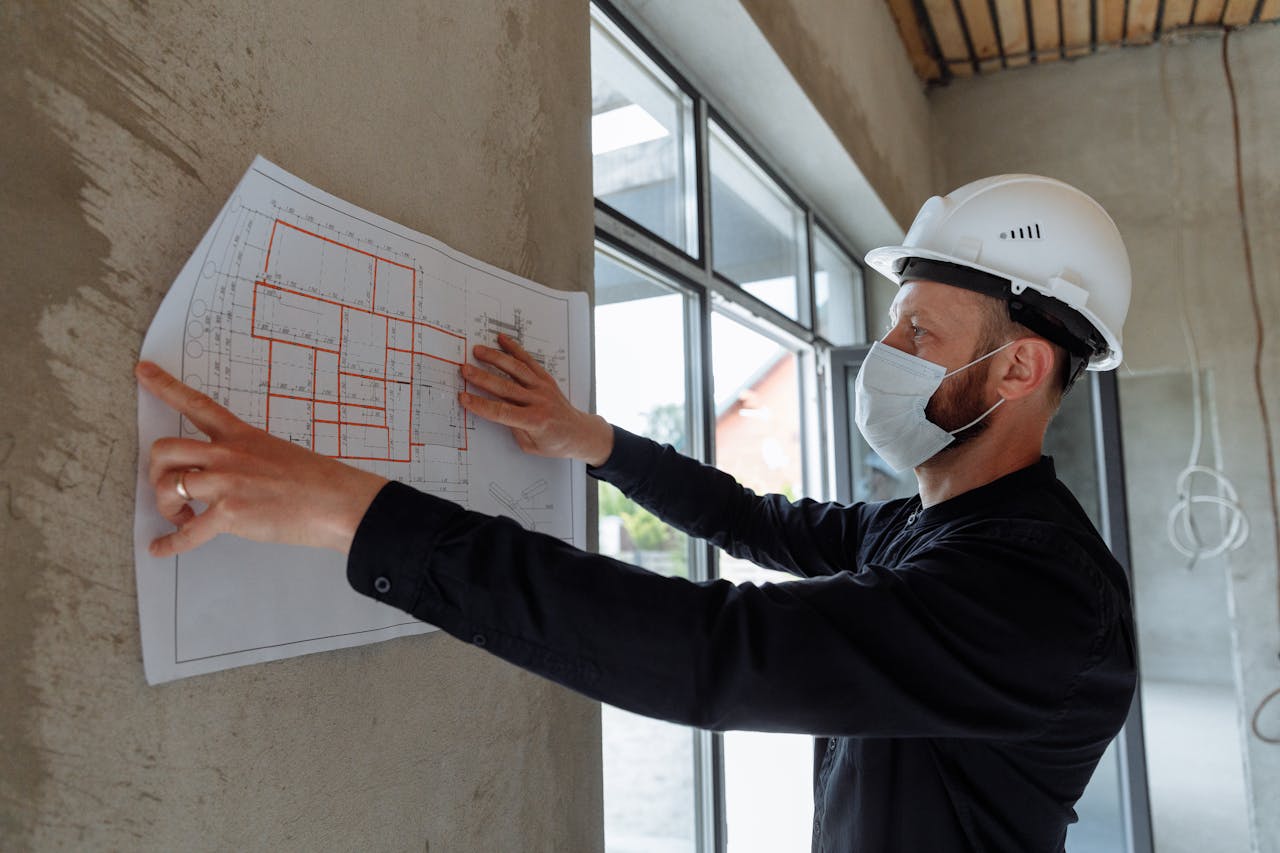
Complete Plans Can Help Control the Cost
A well-developed plan set can reduce the time spent identifying basic project information.
Helpful documents include:
- Floor plans
- Exterior elevations
- Building sections
- Roof plans
- Window schedules
- Insulation notes
- Mechanical information
- Water-heating information
- Commercial lighting plans when applicable
Incomplete plans do not necessarily prevent AES from reviewing a project.
However, missing information can require additional communication, revised assumptions, or later updates.
Before requesting pricing, review what AES will need from you.
Missing Specifications Can Affect Pricing and Timing
A project can appear complete architecturally while still lacking information required for the energy analysis.
Common missing items can include:
- Window U-factor
- Solar heat gain coefficient
- Wall insulation
- Roof insulation
- HVAC efficiency
- Duct location
- Water-heating specifications
- Commercial fixture wattage
- Lighting-control information
If these details have to be resolved during the calculation process, the project can involve more coordination than one submitted with complete specifications.

New Construction Pricing Can Differ From Addition or Alteration Pricing
A newly constructed building can require analysis of the complete energy-related design.
That can include:
- Building geometry
- Climate zone
- Orientation
- Walls
- Roof assemblies
- Floors
- Windows
- Insulation
- HVAC
- Duct systems
- Ventilation
- Water heating
An alteration may involve a much narrower set of systems.
An addition can fall somewhere between those two depending on its size and compliance path.
The price should therefore reflect the actual scope rather than only the property type.
How Much Do Calculations Cost for an ADU?
ADU pricing depends partly on how the ADU is being created.
A project may involve:
- A newly constructed detached ADU
- An attached ADU
- A garage conversion
- A conversion of another existing structure
A new detached ADU may require analysis of a complete building envelope and mechanical design.
A garage conversion may instead require careful review of existing and proposed construction.
Relevant pricing factors can include:
- ADU size
- Building configuration
- Window design
- Existing conditions
- Mechanical system
- Completeness of the plans
For project-specific information, review ADU Title 24 or call AES for a quote.
How Much Do Calculations Cost for a Residential Addition?
Addition pricing varies because additions range from relatively simple room expansions to major second-story projects.
Factors can include:
- Amount of new conditioned floor area
- New exterior walls
- Roof complexity
- Number of windows
- HVAC changes
- Duct extensions
- Interaction with the existing building
- Compliance method
Some additions can use applicable prescriptive compliance documentation.
Others may involve performance calculations.
The selected compliance path can change the amount of work required.
How Much Do Calculations Cost for a Garage Conversion?
Garage conversions can involve different work than either a completely new building or a simple remodel.
AES may need to evaluate:
- Existing wall construction
- New insulation
- Floor conditions
- Roof or ceiling conditions
- New windows
- HVAC
- Ventilation
Clearly distinguishing existing and proposed construction can make the review more efficient.
How Much Do Calculations Cost for a Residential Remodel?
Residential remodel pricing depends on how much energy-regulated work is actually being changed.
A project involving only limited alterations can be different from a whole-house remodel that changes:
- Windows
- Exterior walls
- Insulation
- Roof assemblies
- HVAC systems
- Ductwork
- Water heating
The word “remodel” alone is not enough to determine the price.
AES needs to understand the actual construction scope.
How Much Do Calculations Cost for a New Home?
New-home calculations can depend on:
- Total conditioned floor area
- Number of stories
- Building geometry
- Window quantity and orientation
- Envelope complexity
- Roof design
- Number of HVAC systems
- Water-heating design
- Selected compliance path
A custom house with complex geometry and extensive glazing can require a different amount of work from a straightforward residential design.
How Much Do Calculations Cost for Multifamily Projects?
Multifamily pricing can vary significantly depending on the building configuration.
The project may include:
- Multiple dwelling units
- Common spaces
- Central mechanical systems
- Individual mechanical systems
- Central water heating
- Common-area lighting
- Multiple envelope conditions
Larger multifamily projects can also require coordination among several design professionals.
The quote should therefore be based on the specific plans and systems rather than simply the number of units.
How Much Do Commercial Calculations Cost?
Commercial projects can vary even more widely because the energy documentation may involve several disciplines.
Depending on the project, AES may need to review:
- Architectural plans
- Mechanical plans
- Electrical plans
- Lighting schedules
- Lighting controls
- Ventilation
- Service water heating
- Envelope information
A small office tenant improvement is not the same scope as a restaurant, warehouse, mixed-use project, or newly constructed commercial building.
For broader information, review Title 24 compliance services.
Commercial Lighting Can Affect the Price
A commercial project may require lighting compliance work involving:
- Fixture types
- Fixture quantities
- Fixture wattage
- Space classifications
- Lighting power
- Occupancy controls
- Automatic shutoff controls
- Daylighting controls
- Exterior lighting
A project with complete lighting schedules can be easier to evaluate than one where fixtures or controls are still being designed.
Mechanical Complexity Can Affect the Price
Projects with several HVAC systems can require additional analysis and coordination.
Mechanical factors can include:
- System type
- Equipment efficiency
- Heat pumps
- Number of systems
- Duct configuration
- Ventilation
- Controls
Changing equipment during the analysis can also require additional review.
Performance Modeling and Prescriptive Compliance Can Have Different Scopes
California energy compliance can use different methods.
Prescriptive Compliance
A qualifying project can follow applicable component and system requirements.
This may use project-specific forms without requiring a complete whole-building performance model.
Performance Compliance
Performance analysis uses approved software to evaluate the proposed design against the applicable standard design or energy budget.
This can involve detailed modeling of:
- Building geometry
- Orientation
- Envelope assemblies
- Windows
- Mechanical systems
- Other applicable energy features
The amount of work associated with each method can differ.
The correct compliance path should be determined from the actual project rather than selected only on price.
Can Design Tradeoffs Affect the Cost of the Analysis?
They can.
A project using performance compliance may need additional evaluation when the design initially does not meet the applicable performance target.
The project team may consider changes involving:
- Windows
- Glazing area
- Insulation
- Roof characteristics
- HVAC efficiency
- Other qualifying measures
Additional modeling or redesign coordination can increase the amount of work associated with the project.
Does Climate Zone Affect Pricing?
Climate zone is an important technical input in California energy compliance, but it is generally only one part of the overall project scope.
A project’s price is more likely to be influenced by the complete combination of:
- Building type
- Size
- Complexity
- Envelope
- Systems
- Documentation
- Revisions
Climate zone can influence the calculations themselves, while project complexity influences the amount of consulting work required.
Do Revisions Cost Extra?
Revision pricing depends on the agreed scope and the extent of the change.
Do not assume that every possible future design revision is automatically included in the original calculation fee.
A minor update can be very different from:
- Changing conditioned floor area
- Adding or removing rooms
- Changing multiple windows
- Changing the roof design
- Changing the HVAC system
- Revising commercial lighting
- Responding to significant plan-check changes
The project-specific quote or agreement should define the applicable scope.

Do Building Department Corrections Affect the Cost?
They can, depending on what the building department requests and the scope of the original service.
A correction might involve a simple clarification.
Another comment may require:
- Revised calculations
- Updated forms
- Changed project specifications
- New mechanical information
- Updated lighting information
- Coordination with revised plans
Send AES the complete correction notice so the required work can be evaluated accurately.
Does the Initial Fee Include Unlimited Plan Changes?
Do not assume so.
A Title 24 calculation is based on a specific project design.
If that design changes substantially, additional work may be necessary.
The quote should be reviewed for the scope of included services and revisions.
Changes initiated after the original analysis can involve additional work when they affect the energy model or compliance forms.
Can Incomplete Plans Make the Project More Expensive?
Potentially.
Incomplete plans can lead to:
- Additional review
- More follow-up questions
- Temporary assumptions
- Later recalculation
- Repeated plan coordination
Sending the most developed current plans available can reduce avoidable duplication of work.
Can Changing Windows Increase the Cost?
Potentially, if the change requires the calculations or forms to be revised.
Window changes can involve:
- Quantity
- Size
- Orientation
- U-factor
- Solar heat gain coefficient
A substantial change made after the original analysis may require additional modeling.
Can Changing HVAC Equipment Increase the Cost?
Potentially.
The existing report should be reviewed when the project changes:
- Equipment type
- Heating efficiency
- Cooling efficiency
- Heat-pump configuration
- Duct conditions
A simple product substitution may require less work than redesigning the entire mechanical system.
Does Faster Turnaround Affect Pricing?
Turnaround requirements can be a pricing factor.
A project requiring accelerated handling can involve different scheduling demands from one with a normal project timeline.
Availability and project complexity still matter.
Call AES to discuss both the scope and requested schedule rather than assuming every project can be completed under the same expedited conditions.
Are Field Verification or HERS Services Included in the Calculation Price?
Some residential projects can trigger separate field verification or diagnostic testing.
The Title 24 calculations may identify those requirements, but the calculations themselves are not the field verification.
Do not assume third-party testing or verification is automatically included in the calculation fee.
The project-specific quote should be reviewed to determine what services are included and what must be coordinated separately.
Is Commercial Acceptance Testing Included?
Commercial acceptance testing is separate from preparation of the original energy analysis.
Applicable projects may require later testing of certain:
- Lighting controls
- Mechanical systems
- Other regulated systems
Do not assume these construction-stage services are included in the Title 24 calculation quote unless the scope specifically states that they are.
Does the Calculation Fee Include Building Department Permit Fees?
A consulting fee for preparing energy calculations should not automatically be treated as a building permit fee.
Building departments can charge their own permit, plan-check, or administrative fees.
Those governmental charges are separate from the professional work involved in preparing the energy-compliance documentation unless a specific agreement states otherwise.
Does Paying for the Calculations Guarantee Permit Approval?
No.
Title 24 calculations address the energy-compliance portion of the project.
The building department can separately review:
- Architecture
- Structure
- Electrical work
- Mechanical work
- Plumbing
- Fire and life safety
- CALGreen
- Other applicable requirements
Paying for professional energy calculations does not guarantee complete building-department approval.
What Should a Project-Specific Quote Be Based On?
To provide meaningful pricing, AES may need to understand:
- What is being built
- Whether the work is new construction or an alteration
- Approximate building size
- Building type
- Plan completeness
- Mechanical-system complexity
- Whether commercial lighting is involved
- Whether an existing report must be revised
- Whether building-department comments already exist
- Requested turnaround
Providing the current plans is usually much more useful than describing the project only by square footage.
What Should I Send to Get a Quote?
Send the most current project information available.
Useful documents can include:
- Floor plans
- Exterior elevations
- Building sections
- Roof plans
- Window schedules
- Insulation notes
- HVAC information
- Water-heating information
- Commercial lighting plans when applicable
- Existing Title 24 documentation
- Building-department correction comments
AES can review the material and identify whether additional information is needed before confirming the project scope.
Can I Get Pricing Before Every Product Has Been Selected?
Potentially.
A project can often be reviewed for quoting before every manufacturer and model number has been finalized.
The plans still need enough information to understand:
- Building type
- Size
- Project scope
- Envelope complexity
- Mechanical approach
- Commercial systems when applicable
If the design changes substantially after the quote is prepared, the scope may need to be reevaluated.
Why Very Cheap Pricing Can Be Misleading
The value of Title 24 work depends on more than generating forms.
A useful analysis should reflect the actual project.
That involves reviewing whether:
- The floor area is correct
- The climate zone is correct
- The windows match the plans
- The insulation matches the sections
- The HVAC information is current
- The water heating is represented correctly
- Commercial lighting matches the electrical design
A low advertised number may not tell you:
- What building type it applies to
- How much plan review is included
- Whether revisions are included
- Whether correction support is included
- Whether the advertised service fits your project at all
The scope behind the price matters.
The Lowest Price Is Not Always the Lowest Project Cost
Energy documentation that is incomplete or poorly coordinated can create additional work elsewhere in the project.
Potential consequences can include:
- Architectural revisions
- Repeated calculations
- Incorrect product orders
- Mechanical changes
- Building-department corrections
That does not mean a higher fee automatically guarantees better work.
It means the quote should be evaluated according to what is actually included and whether the service matches the project.
Can Early Energy Review Help Control Costs?
It can help reduce avoidable redesign.
Starting before all major products have been purchased gives the project team time to resolve questions involving:
- Windows
- Insulation
- HVAC
- Water heating
- Commercial lighting
Changes are generally easier to consider while the project is still on paper than after materials and equipment have been ordered.

What Is Typically Involved in Preparing the Calculations?
Although every project differs, the process can include:
1. Reviewing the Project Scope
AES determines whether the work involves new construction, an ADU, addition, remodel, multifamily project, commercial tenant improvement, HVAC project, lighting project, or another scope.
2. Reviewing the Plans
The building geometry and energy-related features are identified.
3. Identifying Missing Information
AES can determine whether additional window, insulation, mechanical, water-heating, or lighting information is needed.
4. Preparing the Applicable Analysis
The project is evaluated through the appropriate energy-compliance method.
5. Preparing Compliance Documentation
Applicable forms are created from the project analysis.
6. Coordinating the Results With the Plans
The energy measures should correspond to the construction drawings.
The amount of work required at each stage can affect the project fee.
Why Choose Alternative Energy Systems?
Alternative Energy Systems provides professional Title 24 calculations, energy-compliance documentation, revisions, and plan-check support throughout California.
AES brings more than 30 years of California energy-compliance experience to:
- New residential construction
- ADUs
- Garage conversions
- Additions
- Residential remodels
- Multifamily projects
- Mixed-use buildings
- Commercial construction
- Office tenant improvements
- Retail projects
- Restaurant projects
- Warehouse alterations
- HVAC projects
- Commercial lighting projects
- Energy-related plan-check corrections
AES bases pricing on the actual project rather than pretending every building requires exactly the same amount of analysis.
Learn more through the About Us page or review company background on the clients page.
Get a Project-Specific Quote for Title 24 Calculations
Call (626) 365-1518 | Alternative Energy Systems
The most accurate answer to How Much Do Title 24 Calculations Cost is based on the project itself.
Pricing can change according to:
- Project type
- Building size
- Complexity
- Plan completeness
- Compliance method
- Mechanical and lighting systems
- Requested turnaround
- Revisions
- Plan-check corrections
Rather than applying one price to every building, Alternative Energy Systems can review the project information and provide a quote based on the work actually required.
Call (626) 365-1518, email info@title24energy.com, or use the contact page to discuss your project.
You can also review Title 24 report pricing in California for additional pricing information.
When service and payment have already been arranged, payment can be completed through the AES payment page.
Frequently Asked Questions: How Much Do Title 24 Calculations Cost?
How Much Do Title 24 Calculations Cost?
Pricing depends on project type, size, complexity, available documentation, turnaround requirements, and whether revisions are needed. AES provides project-specific pricing rather than one universal fee for every project.
Is there one flat price for every Title 24 calculation?
No. A new home, ADU, addition, multifamily project, commercial building, or tenant improvement can involve very different amounts of work.
Does square footage determine the price?
It is one factor, but complexity, systems, plan completeness, and compliance method can also affect pricing.
Can a small project cost more than a larger project?
Potentially. A smaller but complicated or poorly documented project can require more coordination than a larger straightforward design.
Does a new house cost the same as an ADU?
Not necessarily. The quote depends on each project’s size, design, systems, documentation, and compliance requirements.
Does a detached ADU cost the same as a garage conversion?
Not automatically. A detached ADU and conversion involve different existing conditions and analysis scopes.
Does an addition cost less than a complete new house?
It can involve a different amount of work, but the actual price depends on the addition’s size, complexity, compliance path, and interaction with the existing building.
Does a remodel always need expensive calculations?
No. The required work depends on which energy-regulated components are being altered and which compliance method applies.
Do commercial calculations cost more than residential calculations?
Commercial projects can involve additional systems such as lighting and controls, but pricing depends on the actual project rather than building category alone.
Does multifamily work have different pricing?
It can. Multifamily buildings can involve multiple units, common areas, central systems, lighting, and other project-specific requirements.
Does performance modeling affect pricing?
Performance modeling can involve detailed building modeling and design evaluation. The scope can differ from a qualifying prescriptive project.
Is prescriptive compliance always cheaper?
Not necessarily. Pricing still depends on project type, documentation, systems, and the work required to complete the applicable forms.
Do incomplete plans affect pricing?
They can. Missing information may require additional coordination or later revisions.
Do revisions cost extra?
Revision pricing depends on the project agreement and extent of the changes. Significant design changes can require additional analysis.
Are unlimited revisions automatically included?
Do not assume so. The project-specific quote should identify the applicable scope and revision terms.
Do building-department corrections cost extra?
That depends on the correction, original scope, and work required. Some comments may involve clarification while others require recalculation or revised forms.
Does changing my windows affect the cost?
Potentially, if the change requires updated calculations or compliance forms.
Does changing HVAC equipment affect the cost?
Potentially. Changes to equipment type or efficiency can require review or recalculation.
Does faster turnaround affect pricing?
Turnaround requirements can be one pricing factor depending on availability, scope, and project complexity.
Is HERS or field verification included in the calculation fee?
Do not assume so. Field verification is separate from preparing the original energy calculations and should be confirmed in the project-specific scope.
Is commercial acceptance testing included?
Do not assume so. Acceptance testing is generally a separate construction-stage activity and should be confirmed separately.
Are building permit fees included?
Governmental permit and plan-check fees are separate from professional energy-calculation services unless a specific agreement states otherwise.
Does paying for calculations guarantee permit approval?
No. The calculations support the energy-compliance portion of the permit application, while the building department reviews the complete project.
What information do you need before quoting?
Current floor plans, elevations, sections, roof plans, window information, insulation details, HVAC information, water-heating information, commercial lighting information when applicable, and existing correction comments are useful.
Can I get a quote before every product has been selected?
Potentially. AES needs enough information to understand the building type, project scope, size, systems, and overall complexity.
Can early review help avoid additional cost?
It can help identify missing information and design conflicts before products are ordered or the permit package is finalized.
Where can I find more pricing information?
Review Title 24 report pricing in California or call AES for project-specific pricing.
How do I request a quote?
Call Alternative Energy Systems at (626) 365-1518 or send the current project plans through the contact page.