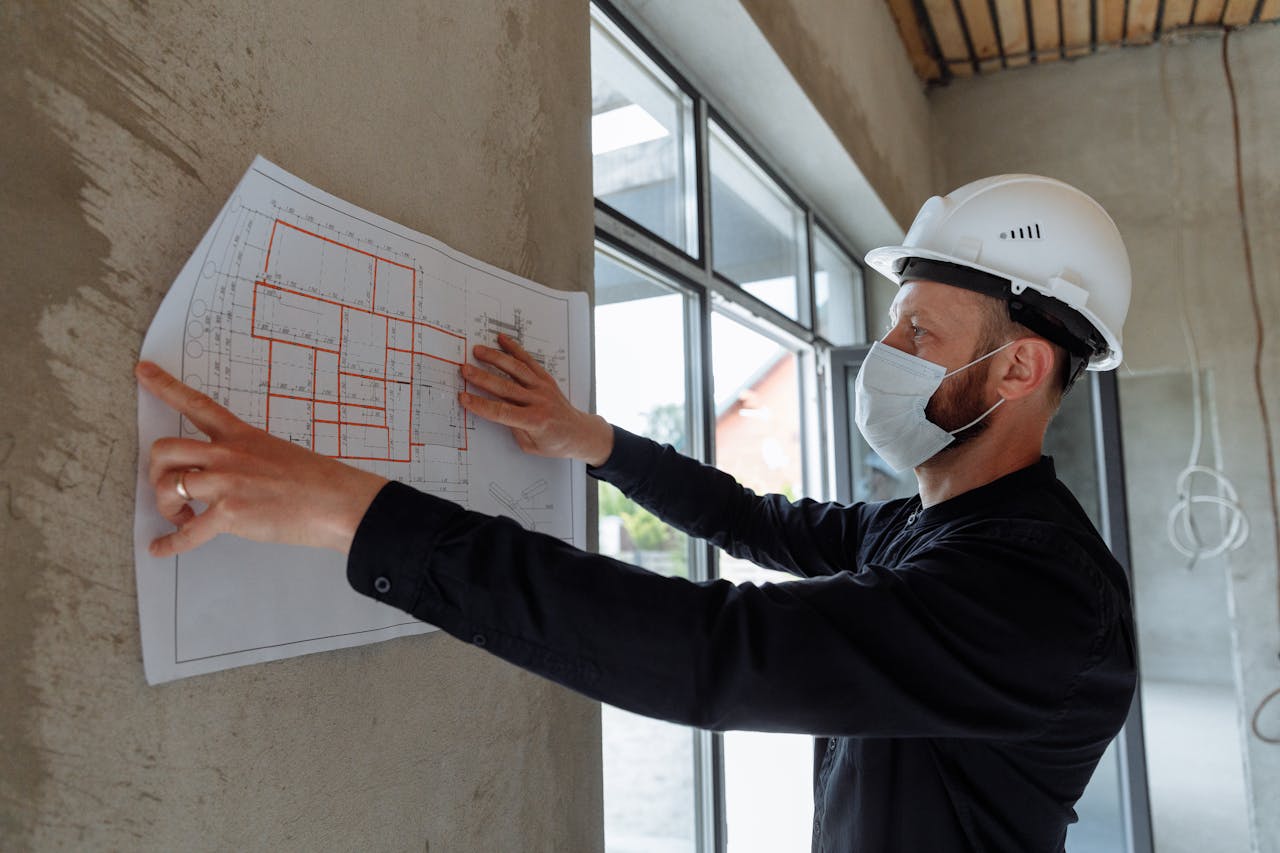
What Are the Current Title 24 Standards?
Call (626) 365-1518 | Alternative Energy Systems
What Are the Current Title 24 Standards is an important question for homeowners, contractors, architects, designers, developers, property managers, and commercial building owners preparing construction documents in California.
The current statewide Building Energy Efficiency Standards are the 2025 California Energy Code. For applicable permit applications filed on or after January 1, 2026, projects must comply with the 2025 Energy Code.
The Energy Code is contained primarily in California Code of Regulations, Title 24, Part 6, with associated administrative requirements in Part 1.
The current standards establish energy-efficiency requirements for applicable:
- Newly constructed residential buildings
- Newly constructed multifamily buildings
- Newly constructed nonresidential buildings
- Additions to existing buildings
- Alterations to existing buildings
- Building-envelope components
- Heating and cooling systems
- Ventilation
- Water heating
- Lighting and controls
- Solar and battery systems when applicable
- Other regulated energy-related systems
The exact requirements are not identical for every project.
Building type, climate zone, construction scope, existing conditions, equipment, and the selected compliance method all influence what must be shown in the final Title 24 documentation.
Alternative Energy Systems brings more than 30 years of California energy-compliance experience to residential, multifamily, mixed-use, and commercial projects.
Call (626) 365-1518 if you need Title 24 calculations or want to determine which current requirements apply to your project.
The Current Energy Code Is the 2025 California Energy Code
California updates its Building Energy Efficiency Standards on a three-year cycle.
The current edition is the 2025 Energy Code.
Although it is called the 2025 edition, it became effective statewide on January 1, 2026.
That means the two dates serve different purposes:
- 2025 identifies the code edition
- January 1, 2026 is its statewide effective date
The previous 2022 Energy Code generally applied to applicable permit applications under the prior code cycle.
Projects entering permitting now should not automatically rely on forms, calculations, equipment assumptions, or compliance reports prepared under an older edition.
Which Projects Use the Current Standards?
The current Energy Code contains requirements for residential and nonresidential buildings involving:
- New construction
- Additions
- Alterations
Projects can include:
- New homes
- ADUs
- Garage conversions
- Room additions
- Residential remodels
- Apartment buildings
- Multifamily alterations
- Mixed-use projects
- Office buildings
- Retail spaces
- Restaurants
- Warehouses
- Commercial tenant improvements
- HVAC alterations
- Lighting projects
A limited alteration will not necessarily require the same documentation as a newly constructed building.
The project scope determines which sections and forms apply.
The Current Standards Have Three Main Compliance Layers
One of the easiest ways to understand the current Energy Code is to separate it into three broad categories.
Mandatory Requirements
Mandatory provisions establish requirements that apply according to the applicable building and project scope.
These requirements cannot simply be traded away through a performance calculation.
Performance Compliance
Performance compliance evaluates the building using approved energy-modeling methods.
The proposed design is compared against an established energy budget based on factors such as:
- Building type
- Climate zone
- Project characteristics
Performance compliance allows different energy measures to interact and can provide design flexibility.
Prescriptive Compliance
The prescriptive approach provides specified requirements for applicable components and systems.
Instead of relying primarily on whole-building tradeoffs, the project follows the applicable prescriptive package.
For more information about the calculation process, review Title 24 energy calculations.
Mandatory Requirements Establish the Baseline
Mandatory requirements establish minimum provisions that apply within their defined project scope.
Depending on the building, they can involve areas such as:
- Building-envelope construction
- Mechanical systems
- Ventilation
- Water heating
- Lighting
- Electrical provisions
- Other regulated systems
A performance calculation should not be interpreted as permission to ignore applicable mandatory requirements.
The complete compliance package needs to address both the mandatory provisions and the selected compliance path.
Performance Standards Vary by Climate Zone and Building Type
California has 16 building climate zones.
The performance energy budget can vary according to:
- Climate zone
- Building type
This allows the Energy Code to account for California’s very different climatic conditions.
A coastal building does not necessarily experience the same heating and cooling conditions as an inland valley, desert, or mountain building.
For more information about this relationship, review the climate-zone requirements applicable to the actual project location rather than relying on a generic statewide assumption.
Prescriptive Standards Provide a Defined Compliance Path
Prescriptive compliance provides another way to demonstrate compliance.
Depending on the project, prescriptive requirements can address:
- Insulation
- Windows
- Roof characteristics
- Heating and cooling systems
- Water heating
- Lighting
- Controls
- Other regulated systems
Prescriptive requirements can vary according to building category and climate zone.
A specification used successfully on one project should therefore not automatically be copied to another building without review.

Current Standards for the Building Envelope
The building envelope remains a major part of Title 24 compliance.
Depending on the project, the current standards can address:
- Exterior walls
- Roof assemblies
- Ceilings
- Floors
- Attics
- Windows
- Glazed exterior doors
- Other thermal boundaries
The energy documentation should accurately represent what is shown in the construction plans.
If the report shows one wall, roof, window, or insulation condition while the plans show another, the project may need correction.
Current Insulation Requirements Depend on the Project
There is no single insulation value that applies universally to every California building.
The applicable requirements can depend on:
- Building type
- Climate zone
- Wall assembly
- Roof assembly
- Ceiling configuration
- Floor configuration
- Compliance approach
The energy calculations and architectural sections should describe compatible assemblies.
Changing insulation after the report is prepared can require review.
Current Window Standards Address Energy Performance
Windows can significantly affect building energy performance.
Applicable Title 24 documentation may address:
- Window area
- Orientation
- U-factor
- Solar heat gain coefficient
- Glazed exterior doors
Product selections should correspond to the performance characteristics represented in the energy report.
Contractors and owners should confirm window specifications before ordering products.
Current Roof Requirements Can Affect Compliance
Roof-related energy requirements can involve:
- Roof insulation
- Ceiling insulation
- Attic construction
- Roofing characteristics
- Cool-roof provisions when applicable
The actual requirements depend on project type, climate zone, roof assembly, and compliance method.
Current HVAC Standards Continue to Emphasize Efficient Equipment
Heating and cooling systems remain central to the Energy Code.
Applicable requirements can involve:
- Equipment type
- Heating efficiency
- Cooling efficiency
- Heat-pump systems
- Controls
- Duct systems
- Other mechanical measures
The 2025 code cycle expands the role of efficient heat-pump technology in several building categories.
The exact requirement depends on whether the project is single-family, multifamily, nonresidential, new construction, or an alteration.

The 2025 Standards Expand Heat-Pump Use
Heat pumps are an important part of the current Energy Code.
The 2025 standards expand or encourage heat-pump technology for:
- Space conditioning
- Water heating
- Certain residential applications
- Some multifamily applications
- Selected nonresidential applications
This does not mean every project automatically has one identical heat-pump requirement.
The correct provision depends on building type, construction scope, system configuration, and compliance path.
Some Existing Commercial HVAC Replacements Have New Requirements
The 2025 Energy Code also includes updated requirements affecting certain existing commercial buildings when qualifying rooftop HVAC equipment reaches end of life and is replaced.
These provisions apply to specified equipment and building categories rather than every HVAC replacement in California.
Affected projects can include certain:
- Retail buildings
- Schools
- Office buildings
- Libraries
A commercial HVAC replacement should therefore be evaluated according to the actual equipment size, building use, and applicable code section.
Duct Requirements Remain Part of Energy Compliance
Duct systems can affect energy performance.
Applicable requirements can involve:
- Duct location
- Duct insulation
- Duct sealing
- Airflow-related requirements
- Applicable field verification
Do not assume that changing the duct design has no effect because the HVAC equipment itself remains unchanged.
Mechanical-system revisions should be coordinated with the energy report.
Current Ventilation Standards Are Stronger in Important Areas
The 2025 Energy Code includes updated ventilation provisions.
Ventilation is important because energy-efficient buildings must also provide appropriate indoor air quality.
Depending on building type, the requirements can involve:
- Whole-building ventilation
- Local exhaust
- Outdoor-air systems
- Energy recovery ventilation
- Other applicable mechanical ventilation measures
The 2025 cycle includes strengthened multifamily ventilation requirements.
Ventilation should therefore be coordinated with the mechanical plans and Title 24 documentation rather than treated as a separate afterthought.
Water-Heating Standards Continue to Evolve
Water heating is another significant building energy use.
Current requirements can address:
- Equipment type
- Efficiency
- Heat-pump water heaters
- Hot-water distribution
- Pipe insulation
- Central systems
- Individual systems
The 2025 Energy Code expands heat-pump water-heating provisions in several building categories.
Current Single-Family Standards Include Electric-Ready Requirements
The 2025 Energy Code includes electric-ready requirements for certain newly constructed single-family buildings when specified gas or propane appliances are installed.
Depending on the design, electric-ready provisions can relate to future conversion of:
- Space heating
- Water heating
- Cooking
- Clothes drying
These requirements are intended to make future conversion to efficient electric equipment easier.
They do not apply identically to every addition, alteration, or all-electric project.
The actual design should be reviewed against the applicable code provisions.
Some New Single-Family Buildings Must Be Battery-Ready
The 2025 Energy Code also contains battery energy storage system readiness requirements for certain newly constructed single-family buildings.
The applicability depends on specific project and electrical-service conditions.
This is another example of why a current Title 24 report should be based on the actual project rather than an older generic checklist.
Current Multifamily Standards Include Significant Updates
The 2025 cycle includes several updates affecting multifamily buildings.
Depending on the project, these can involve:
- Heat-pump water heating
- Heat-pump water-heater readiness
- Water-heating ventilation
- Pipe insulation
- Building-envelope efficiency
- Energy recovery ventilation
- Solar photovoltaic calculations
- Battery-energy-storage calculations
- Lighting requirements
- Pool and spa heating
The correct multifamily compliance documentation depends on the project scope and building configuration.
Current Nonresidential Standards Include Major Mechanical Updates
The current nonresidential standards include updated mechanical provisions.
Examples include:
- Heat-pump water-heater requirements in applicable newly constructed buildings
- Heat-pump baselines for certain multizone systems
- Updated HVAC efficiency requirements
- Updated controls
- Envelope-efficiency improvements
Office, school, retail, restaurant, warehouse, assembly, and other commercial projects should be reviewed according to their individual building type and systems.
Commercial Kitchens Can Have Electric-Ready Requirements
The 2025 Energy Code establishes electric-ready requirements for applicable commercial kitchens.
The purpose is to make future conversion to electric cooking equipment more practical.
This does not mean every restaurant or commercial kitchen must immediately replace all fuel-fired cooking appliances.
The exact requirement depends on the applicable new construction or project scope.
Lighting Remains an Important Part of Current Commercial Standards
Nonresidential lighting continues to be regulated under the Energy Code.
Applicable requirements can involve:
- Interior lighting power
- Fixture wattage
- Space use
- Exterior lighting
- Lighting controls
- Automatic shutoff
- Occupancy controls
- Daylighting controls
The 2025 cycle also includes updates intended to clarify and simplify portions of the lighting requirements.
Commercial lighting plans should remain coordinated with the energy documentation.
Solar Requirements Remain Part of the Current Energy Code
Solar photovoltaic requirements continue to apply to qualifying projects.
The 2025 Energy Code updates solar provisions for certain multifamily and nonresidential buildings.
Applicability depends on factors such as:
- Building type
- New construction status
- Roof conditions
- Applicable exceptions
- Other project-specific conditions
Do not assume every project has the same solar requirement.
Battery-Energy-Storage Requirements Have Also Been Updated
The 2025 standards include updated battery-energy-storage provisions in applicable building categories.
These changes are intended to improve the way buildings interact with onsite solar generation and the electrical grid.
Applicable requirements differ among:
- Single-family buildings
- Multifamily buildings
- Nonresidential buildings
The code can distinguish between:
- Battery readiness
- Battery installation requirements
- Solar and battery sizing requirements
The actual project should be reviewed before determining which provision applies.
Some Assembly Buildings Now Have Expanded Solar and Storage Requirements
The 2025 nonresidential standards expand applicable solar photovoltaic and battery-energy-storage provisions to additional assembly building types.
These can include certain buildings used for:
- Events and exhibits
- Religious worship
- Sports and recreation
Applicability still depends on the complete Energy Code provisions and project-specific conditions.
Current Standards Address Grid Flexibility as Well as Efficiency
Modern Title 24 requirements increasingly consider not only how much energy a building uses but also how building systems interact with the electrical grid.
Current standards can include strategies involving:
- Heat pumps
- Electric readiness
- Solar generation
- Battery storage
- Load flexibility
- Controls
This reflects the changing relationship between individual buildings and California’s larger energy system.
The Current Standards Still Depend on Climate Zone
California continues to use 16 building climate zones.
Climate-sensitive requirements can affect:
- Building-envelope performance
- Insulation
- Windows
- Solar heat gain
- Roof characteristics
- Heating and cooling analysis
A report should therefore use the correct project location and climate zone.
Current Standards Are Different for Single-Family, Multifamily, and Nonresidential Buildings
One of the most important changes in recent Energy Code organization is the clearer separation of major building categories.
A project should first be classified correctly as:
- Single-family residential
- Multifamily
- Nonresidential
The applicable compliance manual, forms, requirements, and calculations depend on this classification.
A detached home should not automatically use the same assumptions as an apartment building.
An apartment project should not automatically use the same forms as a retail tenant improvement.
Current Standards for Additions Depend on the New Work
An addition can introduce:
- New conditioned floor area
- New exterior walls
- New windows
- New roof assemblies
- New insulation
- New or extended HVAC systems
- Ductwork
- Ventilation
- Water heating
The applicable requirements are based on the project scope rather than simply the age of the original building.
Current Standards for Alterations Depend on What Is Being Changed
Existing buildings can trigger current Energy Code requirements when regulated components are altered.
Examples can involve:
- Window replacement
- Roofing work
- Insulation changes
- HVAC replacement
- Duct alterations
- Water-heating replacement
- Commercial lighting alterations
- Control upgrades
A limited alteration does not necessarily require the same whole-building analysis as new construction.
Applicable alteration requirements and forms should be identified first.
Current Standards Do Not Mean Every Existing Building Must Be Rebuilt
The effective date of a new Energy Code does not mean every existing California building suddenly has to be upgraded completely.
The standards apply according to the construction project and code-defined scope.
Existing buildings can remain in service without automatically being reconstructed to each new code cycle.
Current requirements generally become relevant when covered construction, additions, alterations, or other regulated work occurs.
Field Verification Can Still Be Required
Some current Title 24 measures require separate field verification or diagnostic testing.
Depending on the project, this may involve:
- Duct systems
- Airflow
- Mechanical equipment
- Other performance-sensitive measures
The Title 24 report can identify applicable verification requirements.
The report itself does not replace the required field verification.
Commercial Acceptance Testing Can Also Be Required
Applicable nonresidential projects may require acceptance testing for certain installed systems and controls.
This can include applicable:
- Lighting controls
- Mechanical systems
- Other regulated systems
Acceptance testing is separate from preparation of the original Title 24 calculations.
The project team should identify these requirements before construction is complete.
Current Title 24 Standards and CALGreen Are Not the Same Thing
Title 24 includes multiple parts of California’s Building Standards Code.
The Energy Code is primarily Part 6.
CALGreen is Part 11.
The two can overlap in broader sustainability goals, but they contain different requirements.
A Title 24 energy report should not be assumed to satisfy every CALGreen requirement.
For additional context, review Title 24 vs. CALGreen.
Why Using the Current Forms Matters
A project can have accurate architectural drawings and still encounter problems if the wrong compliance forms are used.
New code cycles can change:
- Forms
- Terminology
- Calculation procedures
- Compliance software
- Verification requirements
Do not assume a form saved from a previous project remains current.
The report should use the documents appropriate to the applicable Energy Code edition.
Why Current Compliance Software Matters
Performance calculations are completed using approved compliance methods.
The California Energy Commission establishes rules governing energy-modeling software used for compliance.
Current software must reflect the 2025 Energy Code’s:
- Calculation procedures
- Reference assumptions
- Performance requirements
- Reporting requirements
An old calculation produced under a previous code cycle should not automatically be treated as current.
What Happens if Your Existing Report Was Prepared Under the 2022 Standards?
Send AES:
- The existing report
- The latest plans
- The project address
- Current specifications
- Available permit information
AES can review whether the previous report still corresponds to the applicable permit circumstances or whether new calculations and forms are needed.
Do not simply change the date on an older compliance report.
What Information Is Needed for a Current Title 24 Report?
Helpful project documents may include:
- Floor plans
- Exterior elevations
- Building sections
- Roof plans
- Window schedules
- Window specifications
- Insulation details
- HVAC equipment information
- Duct locations
- Ventilation information
- Water-heating information
- Commercial lighting plans
- Commercial lighting-control plans
- Existing Title 24 documentation
- Building-department corrections
Not every item is required for every project.
Before sending documents, review what AES will need from you.

How Do You Know Which Current Requirements Apply to Your Project?
Start with five questions:
- What type of building is it?
- Is the work new construction, an addition, or an alteration?
- What is the project climate zone?
- Which building components and systems are changing?
- Which compliance path applies?
Those answers help identify the relevant requirements.
The project can then be evaluated for:
- Mandatory measures
- Prescriptive requirements
- Performance compliance
- Applicable verification
- Applicable acceptance testing
Why Early Review of the Current Standards Matters
Waiting until the permit package is finished before addressing Title 24 can create unnecessary revisions.
Early energy review can identify:
- Missing insulation information
- Window-performance issues
- HVAC conflicts
- Ventilation questions
- Water-heating requirements
- Commercial lighting issues
- Solar or battery requirements when applicable
- Verification measures
Resolving these items before submittal can make the energy documentation easier to coordinate with the plans.
What if the Plans Change After the Current Report Is Prepared?
Notify AES when the project changes:
- Floor area
- Building geometry
- Windows
- Insulation
- Roof assemblies
- HVAC equipment
- Duct locations
- Ventilation
- Water heating
- Lighting
- Controls
- Solar or battery systems
The existing calculations can then be reviewed to determine whether revised forms or analysis are necessary.
What if the Building Department Requests Corrections?
Send AES:
- The complete correction notice
- The latest plan set
- The previously submitted energy report
- Updated mechanical plans
- Updated electrical or lighting plans when applicable
- Current product specifications
- A summary of design changes
AES can review whether the comment requires:
- Revised calculations
- Updated forms
- Additional specifications
- Plan coordination
- Clarification of current requirements
Why Choose Alternative Energy Systems?
Alternative Energy Systems provides professional Title 24 calculations, compliance documentation, revisions, and plan-check support throughout California.
AES brings more than 30 years of California energy-compliance experience to:
- New homes
- ADUs
- Garage conversions
- Additions
- Residential remodels
- Multifamily projects
- Mixed-use buildings
- Commercial construction
- Office tenant improvements
- Retail projects
- Restaurant projects
- Warehouse alterations
- HVAC projects
- Commercial lighting projects
- Plan-check corrections
AES reviews the current plans and applies the Energy Code appropriate to the project rather than relying on outdated reports or assumptions from another building.
Learn more through the About Us page or review company background on the clients page.
Get Help With the Current Title 24 Standards
Call (626) 365-1518 | Alternative Energy Systems
Understanding What Are the Current Title 24 Standards starts with recognizing that the current statewide Energy Code is the 2025 edition, effective for applicable permit applications filed on or after January 1, 2026.
The current standards include:
- Mandatory energy-efficiency requirements
- Prescriptive compliance options
- Performance compliance options
- Climate-zone-specific energy budgets
- Building-envelope requirements
- Window requirements
- HVAC requirements
- Ventilation requirements
- Water-heating requirements
- Lighting and control requirements
- Expanded heat-pump provisions
- Electric-ready provisions in applicable projects
- Solar and battery-storage requirements in applicable projects
- Verification and acceptance-testing requirements where applicable
The exact combination depends on the building and scope.
Alternative Energy Systems can review your plans and determine what energy-compliance documentation is needed for the current code cycle.
Call (626) 365-1518 or begin through the contact page.
When service and payment have already been arranged, payment can be completed through the AES payment page.
For official current statewide information, review the California Energy Commission 2025 Building Energy Efficiency Standards.
Frequently Asked Questions: What Are the Current Title 24 Standards?
What Are the Current Title 24 Standards?
The current California Energy Code is the 2025 Building Energy Efficiency Standards, primarily contained in Title 24, Part 6. They apply to applicable permit applications filed on or after January 1, 2026.
When did the current standards take effect?
The 2025 Energy Code took effect statewide on January 1, 2026.
Why is it called the 2025 Energy Code if it became effective in 2026?
2025 identifies the edition. January 1, 2026 is the effective date.
What was the previous Title 24 Energy Code?
The prior major edition was the 2022 Energy Code, which took effect January 1, 2023.
Do the current standards apply to new homes?
Yes. Applicable newly constructed single-family buildings are subject to the current residential Energy Code requirements.
Do the current standards apply to ADUs?
Yes. New ADUs and applicable conversions, additions, or alterations can be subject to current Title 24 requirements.
Do the current standards apply to multifamily buildings?
Yes. California has dedicated 2025 multifamily requirements and compliance guidance.
Do the current standards apply to commercial buildings?
Yes. Applicable newly constructed nonresidential buildings, additions, and alterations are subject to current Energy Code provisions.
Do existing buildings have to be completely upgraded?
No. A new code cycle does not automatically require every existing building to be completely rebuilt. Requirements apply according to the construction or alteration scope.
What are mandatory Title 24 requirements?
Mandatory requirements establish baseline provisions that apply within their defined building and project scope regardless of whether prescriptive or performance compliance is used.
What is prescriptive compliance?
Prescriptive compliance follows applicable component and system requirements established by the Energy Code.
What is performance compliance?
Performance compliance uses approved energy modeling to compare the proposed building against an applicable energy budget while allowing certain design tradeoffs.
Do the current standards vary by climate zone?
Yes. California has 16 building climate zones, and performance budgets and certain prescriptive requirements vary by climate zone and building type.
Do the current standards include heat pumps?
Yes. The 2025 cycle expands or encourages efficient heat-pump technology for several residential, multifamily, and nonresidential applications.
Are new homes required to be electric-ready?
Certain newly constructed single-family buildings have electric-ready requirements when specified gas or propane appliances are installed.
Are batteries required in every new home?
No. Battery-related provisions differ by building type and project conditions. Some new single-family projects have battery-ready requirements rather than a universal battery-installation requirement.
Do the current standards include solar requirements?
Yes. Solar photovoltaic requirements continue to apply to qualifying projects, and the 2025 code updates solar provisions for certain multifamily and nonresidential building types.
Do commercial buildings have battery-storage requirements?
Certain qualifying nonresidential projects have applicable battery-energy-storage requirements, subject to the specific Energy Code provisions and exceptions.
Are ventilation requirements part of the current standards?
Yes. Ventilation remains part of the Energy Code, and the 2025 cycle includes strengthened requirements in important building categories.
Are water-heating requirements part of the current standards?
Yes. Water heating remains a major regulated system, and the 2025 cycle expands certain heat-pump water-heating requirements.
Does Title 24 still regulate commercial lighting?
Yes. Commercial lighting power and lighting controls remain part of nonresidential energy compliance.
Are Title 24 and CALGreen the same?
No. The Energy Code is primarily Title 24, Part 6, while CALGreen is Title 24, Part 11.
Can I use a 2022 Title 24 report for a current project?
Do not assume so. The report, permit timing, plans, forms, calculations, and applicable code cycle should be reviewed first.
Do current Title 24 reports require current software?
Performance calculations should use compliance methods and software approved for the applicable current Energy Code.
How do I know which current requirements apply to my project?
The answer depends on building type, project scope, climate zone, systems involved, and compliance method. AES can review the current plans and determine what information is needed.
How do I get started?
Call Alternative Energy Systems at (626) 365-1518 and provide the current plans and project information for review.