
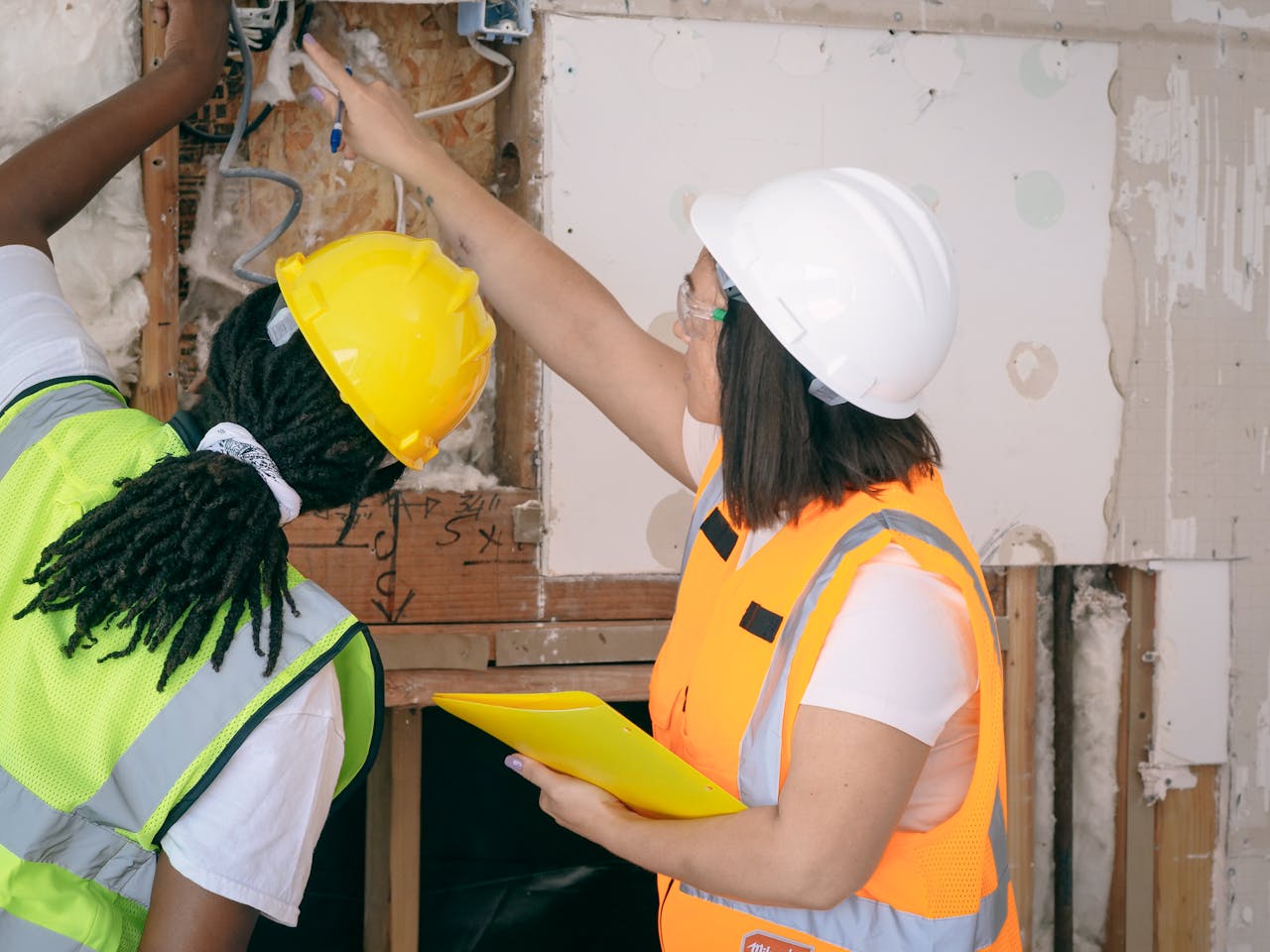
Title 24 Laguna Hills Energy Compliance for Residential and Commercial Projects
Call (626) 365-1518 | Alternative Energy Systems
Building plans can move forward more confidently when the energy documentation is accurate from the beginning. Alternative Energy Systems provides professional Title 24 Laguna Hills energy compliance support for homeowners, architects, designers, engineers, contractors, developers, and property managers who need permit-ready documentation for qualifying construction projects. Whether the work involves a new home, an accessory dwelling unit, an addition, a remodel, a commercial tenant improvement, or upgrades to regulated building systems, our team helps clients prepare the analysis and forms needed for the next stage of the permit process.
California’s Building Energy Efficiency Standards influence much more than insulation. Depending on the project scope, the energy analysis may evaluate windows, doors, wall assemblies, roof construction, conditioned floor area, heating and cooling equipment, ventilation, water heating, lighting, controls, and other regulated components. The 2025 California Energy Code applies to permit applications submitted on or after January 1, 2026. This makes it important to use current plans, current system specifications, and an appropriate compliance method instead of relying on an older report or assumptions from a previous project.
Laguna Hills includes established residential neighborhoods, commercial properties, renovation projects, additions, and accessory dwelling unit opportunities. Each project should be reviewed based on its real design and construction scope. A useful Title 24 Laguna Hills report should reflect the actual property, not a generic checklist. Window placement, orientation, floor area, insulation details, HVAC specifications, and design changes can all affect the results.
Alternative Energy Systems provides remote online service for projects in Laguna Hills. We do not claim to maintain a physical office in Laguna Hills. Clients can send plans digitally, receive guidance, and obtain electronic documentation without unnecessary travel. To discuss your project, call (626) 365-1518, email info@title24energy.com, or use the contact page to send a message.
What Title 24 Laguna Hills Means for Your Permit Plans
Title 24 Laguna Hills refers to the California energy-code analysis and documentation that may be required for qualifying building projects in the city. The energy report supports the permit package by showing how the proposed design addresses the Building Energy Efficiency Standards that apply to the project type and submission date.
The City of Laguna Hills Building & Safety Division provides plan checking, permitting, and inspection services for new construction, additions, renovations, alterations, and remodels. Energy documentation may be one part of the larger permit package when a project affects regulated components. Starting the energy review before permit submission can help the owner and project team identify missing details while the design is still flexible.
A strong report should align with the drawings. The floor area shown in the model should match the plans. Window sizes and performance values should be consistent. HVAC details should reflect the proposed equipment. Insulation notes, water-heating specifications, ventilation measures, and other regulated elements should also agree with the documents submitted for review.
When the plans and energy report conflict, the project team may need to spend additional time correcting drawings, updating calculations, revising specifications, or responding to plan-check questions. Accurate coordination early in the process can help reduce those avoidable complications.
Why the Current California Energy Code Matters
The 2025 California Energy Code applies to permit applications submitted on or after January 1, 2026. An older report should not automatically be reused simply because the project looks similar to a prior design. Code cycles change, forms change, approved software changes, and the actual building details may also be different.
When the performance approach applies, approved compliance software must be used for the current code cycle. This approach evaluates the proposed building design as a complete system. The consultant reviews the applicable project details, models the building when needed, and prepares the documentation that supports permit review.
Projects That May Need Title 24 Laguna Hills Documentation
The energy-code requirements depend on the scope of work. A Title 24 Laguna Hills analysis may be needed for new construction, additions, accessory dwelling units, substantial remodels, HVAC replacements, commercial improvements, and other projects that affect regulated components.
New Residential Construction
A new home should incorporate energy compliance planning early in the design process. The analysis may consider building orientation, conditioned floor area, roof assemblies, walls, insulation, windows, doors, HVAC equipment, ventilation, water heating, and other regulated features. Starting early gives the project team more time to evaluate options before the permit package is submitted.
Accessory Dwelling Units
An accessory dwelling unit can provide additional living space, flexible housing options, or long-term property value. The energy documentation should reflect whether the ADU is detached, attached, converted from existing space, or included as part of a larger renovation. Sending complete plans helps the consultant determine the appropriate modeling scope.
Home Additions
An addition can affect much more than the newly created square footage. New exterior walls, roof assemblies, windows, doors, conditioned floor area, HVAC loads, and ventilation measures may need to be evaluated. Depending on the design, portions of the existing structure may also need to be considered. A complete Title 24 Laguna Hills analysis helps the project team understand the applicable requirements before construction begins.
Residential Remodels
Remodels should be reviewed carefully when they affect windows, insulation, lighting, water heating, mechanical equipment, or the building envelope. A smaller project is not automatically exempt from energy-code requirements. The correct documentation depends on the work shown in the plans and the systems being changed.
HVAC Replacements and Mechanical Upgrades
Heating and cooling improvements may require documentation and field verification depending on the project scope. Equipment efficiency, duct location, duct condition, airflow, refrigerant charge, and other details can influence the required steps. Contractors should confirm the energy requirements before equipment is ordered or installed.
Commercial Tenant Improvements
Commercial projects may involve lighting, lighting controls, HVAC systems, mechanical zones, envelope changes, water heating, or other regulated features. Offices, retail spaces, restaurants, service businesses, and mixed-use properties should be reviewed according to their actual plans. The energy documentation should match the commercial scope rather than relying on a residential template.

How the Title 24 Laguna Hills Process Works
Alternative Energy Systems uses a digital workflow designed to help clients submit plans, answer project questions, and receive documentation efficiently. Every project is different, but the process generally follows a clear sequence.
Step 1: Send the Plans and Project Details
The first step is to send the available drawings and explain the proposed scope of work. A complete initial submission helps the consultant identify what needs to be reviewed and reduces avoidable follow-up requests. Useful documents and details often include:
- Project address
- Description of the proposed work
- Floor plans
- Building elevations
- Building sections when available
- Roof plan
- North arrow showing building orientation
- Window and door locations
- Window and door schedules when available
- Conditioned floor areas for new and existing spaces
- Insulation details
- HVAC equipment information
- Water-heating system information
- Owner contact information
- Designer or architect contact information
- Billing contact information
Some projects need additional documentation after the initial review. Clear plans help the consultant identify those needs earlier and keep the process organized.
Step 2: Determine the Appropriate Compliance Method
The consultant reviews the project and determines how the applicable energy requirements should be addressed. Some projects may use a prescriptive method. Others may benefit from the performance approach, which evaluates the proposed design through approved energy-modeling software.
The correct method depends on the building type, construction scope, systems, and design features. The goal is to prepare an accurate analysis that supports the plans while avoiding unnecessary design changes.
Step 3: Review the Model and Address Design Questions
If the initial analysis shows that the project needs adjustments, the consultant can discuss practical options with the project team. Changes may involve window performance, insulation assemblies, equipment specifications, ventilation details, lighting, controls, or other regulated components.
This does not always mean the design needs a major overhaul. In many cases, targeted changes can help the project move forward while preserving the larger design intent.
Step 4: Receive Electronic Compliance Documentation
Once the analysis is complete, Alternative Energy Systems provides electronic documentation for the applicable project scope. Digital files can be shared with the owner, architect, designer, contractor, or engineer and included with the permit package.
Step 5: Update the Report When the Plans Change
Plans often evolve during design and construction. A revised window schedule, changed HVAC system, modified floor plan, different insulation assembly, updated room layout, or altered water-heating system can affect the calculations. Notify the consultant promptly so the energy report remains aligned with the final plans.
Prescriptive and Performance Options for Title 24 Laguna Hills
A Title 24 Laguna Hills project may use a prescriptive pathway or a performance pathway depending on the scope and design. Understanding the difference helps owners and project teams appreciate why complete plans matter.
Prescriptive Compliance
The prescriptive method generally requires regulated components to satisfy specific minimum requirements. A straightforward project may be able to follow this path when the proposed windows, insulation, systems, and other features align with the applicable standards.
Performance Compliance
The performance method evaluates the proposed design as a complete system through approved energy-modeling software. This can provide flexibility when one design feature does not follow the simplest prescriptive path but other features improve overall performance. Custom homes, additions, projects with larger glazing areas, and designs with more complex systems may benefit from this approach.
The performance method is not a shortcut. The model must still match the plans, use current information, and rely on software approved for the applicable code cycle.
Local Considerations for Title 24 Laguna Hills Projects
Laguna Hills is an established Orange County community with residential neighborhoods, commercial centers, renovation activity, and a range of property types. Buildings in Laguna Hills should be evaluated according to their actual design and use rather than treated as generic city-swapped projects.
Local permit planning matters because the City of Laguna Hills Building & Safety Division provides plan checking, permitting, and inspection services for new construction, additions, renovations, alterations, and remodels. An organized permit package should account for the applicable energy documentation and remain internally consistent across the architectural, mechanical, and energy-compliance materials.
Construction planning may also involve waste-management requirements. Laguna Hills requires applicable new construction, demolition, and renovation projects to recycle or reuse at least 65% of construction and demolition waste. This requirement is separate from the energy report, but it illustrates why owners and contractors should review local procedures early instead of assuming that the permit process is limited to a single document.
Common Mistakes That Can Delay Title 24 Laguna Hills Projects
Many energy-compliance problems can be reduced through early coordination. Common issues include:
- Submitting permit plans before confirming whether energy documentation is required
- Using an outdated code cycle
- Reusing a report created for a different property or design
- Leaving window sizes or performance values unclear
- Changing HVAC equipment without updating the analysis
- Failing to identify conditioned and unconditioned spaces correctly
- Omitting insulation details from the plans
- Submitting energy forms that conflict with the architectural drawings
- Waiting until construction is underway to ask about field verification
- Ordering equipment before confirming that it aligns with the energy model
- Failing to communicate plan revisions promptly
- Assuming that every addition or remodel follows the same compliance pathway
A careful Title 24 Laguna Hills review helps the project team identify these issues before they become more expensive corrections.
Title 24 Laguna Hills and HERS Field Verification
Some projects require field verification after construction begins. The design-stage energy report and the field inspection process are connected, but they serve different purposes. The report documents the proposed compliance approach. Field verification confirms that specific systems or measures were installed or tested properly.
Alternative Energy Systems provides HERS-related services for qualifying projects. Depending on the scope, verification may include:
- Duct-leakage testing
- Blower-door testing
- Refrigerant-charge testing
- Fan-watt-draw testing
- Airflow testing
- Quality Insulation Installation verification
- Photovoltaic verification
- Indoor-air-quality ventilation checks
Field verification should be discussed before construction reaches the stage where testing becomes difficult. Some inspections must occur before walls are closed. Other tests happen after mechanical equipment is installed and operating. Early coordination helps the contractor schedule the correct verification at the correct time.
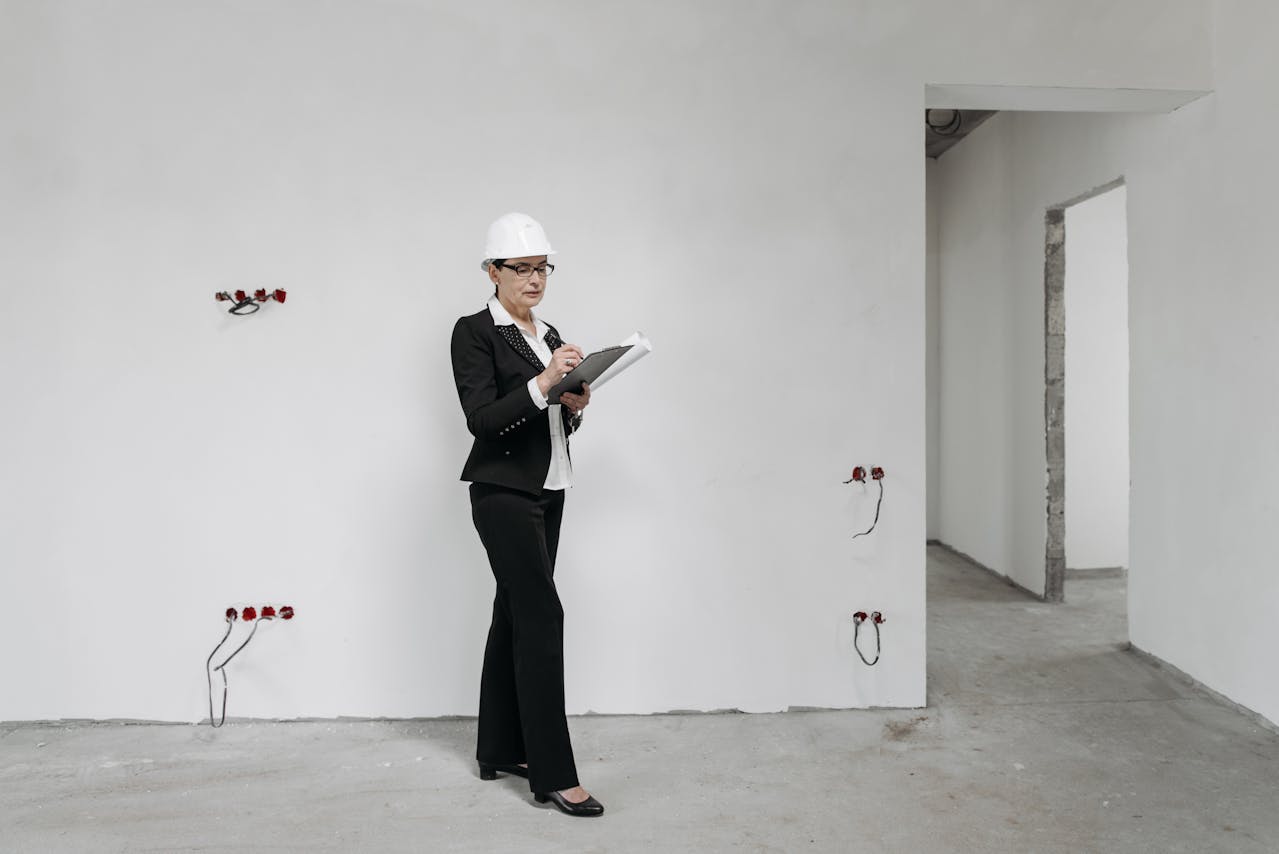
Why Choose Alternative Energy Systems for Title 24 Laguna Hills?
Alternative Energy Systems is a full-service energy-analysis company with more than 30 years of experience supporting residential and commercial projects. The company works with homeowners, architects, designers, contractors, engineers, developers, and property managers who need reliable documentation for qualifying construction scopes.
The company’s services include:
- Residential Title 24 energy analysis
- Commercial envelope compliance
- Commercial lighting compliance
- Commercial mechanical compliance
- Residential and commercial energy modeling
- HERS rating and field verification
- LEED consulting
- GreenPoint Rated support
- California Tax Credit Allocation Committee support
- California Utility Allowance Calculation services
Clients can learn more about the company through the about page, review approximate fees on the price list, or use the contact page to request a quote.
How Much Does Title 24 Laguna Hills Service Cost?
Pricing depends on the building type, project scope, square footage, systems involved, complexity, and revision needs. A small residential addition generally requires less analysis than a large custom home, multifamily project, or commercial improvement.
Alternative Energy Systems lists residential Title 24 analysis for new construction, additions, and remodels starting at $350 and up for projects from 0 to 2,000 square feet. Larger residential projects and nonresidential work are priced according to their scope. Field verification may be priced separately depending on the required services.
Send the available plans for a project-specific quote. Accurate drawings help the team evaluate the work more efficiently and provide guidance based on the real project.
Request a Title 24 Laguna Hills Quote
Do not let incomplete energy documentation become the reason your plans stall during permit review. Alternative Energy Systems provides professional Title 24 Laguna Hills analysis for qualifying residential and commercial projects. Send your plans early so the team can review the scope, identify the information needed, and prepare a project-specific quote.
Call (626) 365-1518, email info@title24energy.com, or submit your project details through the contact page.
- Phone: (626) 365-1518
- Email: info@title24energy.com
- Office: 145 South Glenoaks Blvd. #1009, Burbank, CA 91502
- Project Intake: Send your plans or request a quote
Alternative Energy Systems provides remote online service for Laguna Hills projects and does not claim to maintain a physical office in Laguna Hills.
Frequently Asked Questions About Title 24 Laguna Hills
What is Title 24 Laguna Hills?
Title 24 Laguna Hills refers to the energy-compliance analysis and documentation that may be required for qualifying building projects in Laguna Hills under California’s Building Energy Efficiency Standards.
When did the current California Energy Code take effect?
The 2025 California Energy Code applies to permit applications submitted on or after January 1, 2026.
Does Laguna Hills review building permits for remodels and additions?
The City of Laguna Hills Building & Safety Division provides plan checking, permitting, and inspection services for new construction, additions, renovations, alterations, and remodels.
Do new homes require energy compliance documentation?
New residential construction must address the applicable California energy requirements. The analysis should be based on the real plans and current code cycle.
Do ADUs need Title 24 documentation?
Accessory dwelling units commonly require energy documentation. The correct scope depends on whether the ADU is detached, attached, converted from existing space, or part of a larger renovation.
Can a remodel require a Title 24 Laguna Hills report?
Yes. Remodels that affect regulated components such as windows, insulation, HVAC systems, lighting, water heating, or the building envelope may require documentation.
What plans should I send for a quote?
Send the project address, scope of work, floor plans, elevations, roof plan, sections when available, window and door information, insulation details, floor areas, HVAC specifications, and water-heating information.
Can the process be completed remotely?
Yes. Alternative Energy Systems provides digital solutions that allow clients to send plans and receive electronic documentation online.
Does Alternative Energy Systems have a Laguna Hills office?
No local Laguna Hills office is claimed. Alternative Energy Systems provides remote online service for projects in Laguna Hills and lists its office in Burbank, California.
What is the difference between prescriptive and performance compliance?
The prescriptive method generally requires individual features to satisfy applicable minimum standards. The performance method evaluates the building design as a complete system using approved compliance software.
What happens if the plans change?
Notify the consultant promptly. Changes to floor area, windows, equipment, insulation, layout, water heating, or other regulated features may require updated calculations or revised forms.
What is HERS field verification?
HERS field verification confirms that certain systems or measures were installed or tested properly. It is separate from the design-stage energy analysis.
Can Alternative Energy Systems provide HERS-related services?
Yes. The company lists duct-leakage testing, blower-door testing, refrigerant-charge testing, airflow testing, fan-watt-draw testing, Quality Insulation Installation verification, and photovoltaic verification among its services.
Do commercial projects need energy documentation?
Qualifying commercial improvements may require energy analysis for lighting, controls, HVAC systems, mechanical zones, envelope features, or other regulated components.
How much does Title 24 Laguna Hills service cost?
Pricing depends on the project. Alternative Energy Systems lists residential analysis starting at $350 and up for projects from 0 to 2,000 square feet. Send the plans for a project-specific quote.
Can an older report be reused?
An older report should not be reused automatically. The plans, code cycle, project address, equipment, systems, and construction scope must match the current permit application.
Are there local construction waste requirements?
Laguna Hills requires applicable new construction, demolition, and renovation projects to recycle or reuse at least 65% of construction and demolition waste. Confirm the current requirements for your project directly with the city.
How early should I request Title 24 Laguna Hills service?
Start when the plans are developed enough to provide accurate information but before the permit package is submitted. Early review gives the project team more time to address questions.
What can delay permit review?
Common problems include incomplete plans, outdated calculations, conflicting equipment details, missing window information, energy documentation that does not match the drawings, and design changes that were not communicated to the consultant.
How do I request Title 24 Laguna Hills help?
Call Alternative Energy Systems at (626) 365-1518, email info@title24energy.com, or use the contact page to submit your project details.
Start Your Title 24 Laguna Hills Project Today
Call (626) 365-1518 | Alternative Energy Systems
Send your plans, request a project-specific quote, and take the next step toward accurate permit-ready energy documentation.
“`