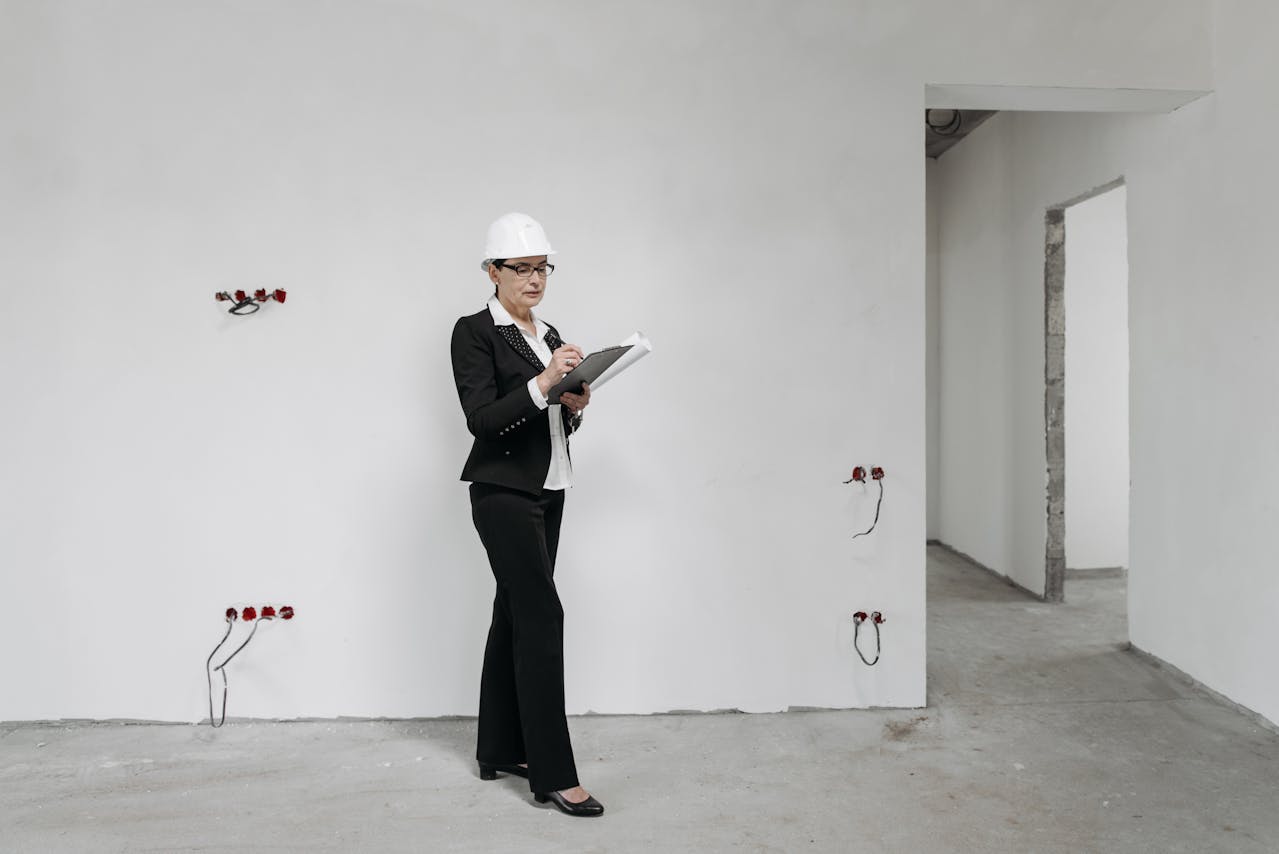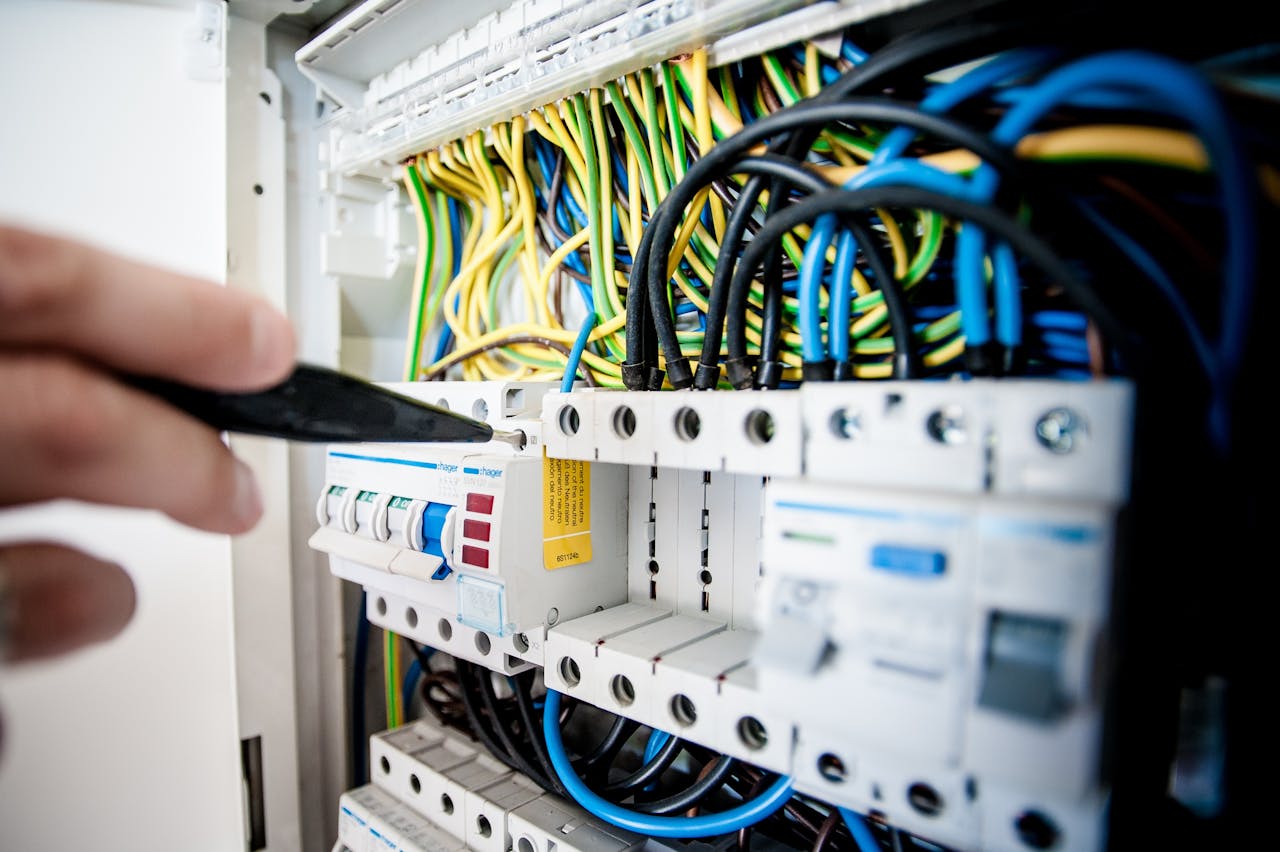
What is a Junior ADU?

What is a Junior ADU?

What Is a Junior ADU?

A Junior ADU, also known as a JADU, is a small residential unit created entirely within the walls of an existing single-family home. Unlike a traditional ADU, a Junior ADU does not involve expanding the building footprint and is designed to make use of existing interior space in a more efficient way.

Junior ADUs are primarily intended to increase housing flexibility while maintaining neighborhood character and minimizing new construction.

How It Works

A Junior ADU is formed by converting part of an existing home — such as a large bedroom or a portion of the floor plan — into a separate living space.

To qualify as a Junior ADU, it must include:

  • A separate entrance from the main home
  • An efficiency kitchen space
  • Up to 500 square feet of living area
  • Connection to the main home’s utilities

Unlike a standard ADU, a Junior ADU usually shares bathrooms and some utilities with the primary residence.
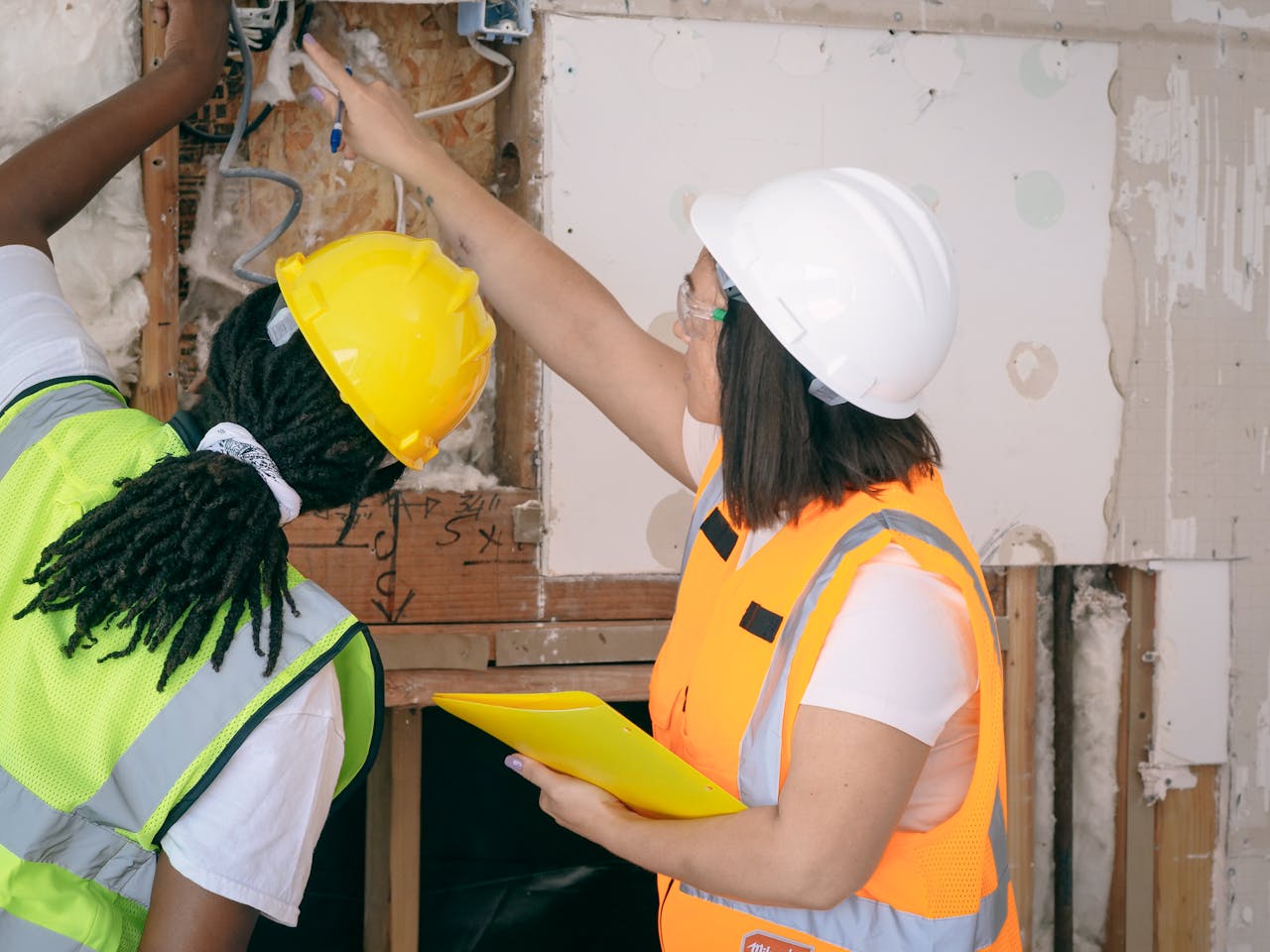
Junior ADU interior conversion example

Junior ADU vs Standard ADU

While both provide additional housing options, Junior ADUs and traditional ADUs differ in several important ways.

A Junior ADU:

  • Must be entirely within the existing home
  • Has a maximum size of 500 square feet
  • Shares sanitation facilities with the main dwelling (if allowed by local code)
  • Typically requires less construction work

A traditional ADU:

  • Can be detached or attached
  • Can be much larger
  • Must include its own bathroom
  • Often requires new structural elements

Why Homeowners Build Junior ADUs

Many homeowners create Junior ADUs to generate rental income, accommodate extended family, or add more functionality to underutilized interior space.

They are also popular because they typically require:

  • Lower construction costs
  • Faster approval processes
  • Less disruption than full ADU builds

Junior ADUs are often used for aging parents, students, or long-term rental opportunities.
Junior ADU permit and layout process

Permitting and Code Considerations

Even though a Junior ADU often requires less construction, it still needs proper permits and compliance approval.

Most Junior ADU projects must meet local planning requirements as well as Title 24 energy compliance when changes affect energy systems such as insulation, ventilation, or heating and cooling components.

A professional compliance consultant can help determine whether your project requires a Title 24 report.

What You Need to Build a Junior ADU

To start a project, you will typically need:

  • Architectural plans showing the conversion layout
  • Floor plan measurements
  • Existing and proposed electrical layouts
  • Door and kitchen configuration details
  • Local zoning review

These documents help your city determine whether your Junior ADU meets legal requirements.

How to Get Guidance on a Junior ADU Project

If you’re planning a Junior ADU, it’s important to understand how it impacts your building compliance, permits, and energy documentation.

Call (626) 365-1518 or submit your details through our online contact form and our team will guide you through the process.

Final Thoughts

It’s a smart way to convert part of your existing home into a functional independent living space, offering flexibility, income potential, and efficient use of square footage.

For professional guidance on required compliance and documentation, call (626) 365-1518 today.

Frequently Asked Questions

Is a Junior ADU the same as a regular ADU?

No. A Junior ADU is smaller, must be within the existing home, and has different requirements than a standard ADU.

How large can a Junior ADU be?

Up to a maximum of 500 square feet.

Do Junior ADUs need permits?

Yes. All Junior ADUs must go through the city’s permitting process.

Do they require a separate bathroom?

Not always. Some jurisdictions allow shared bathroom facilities.

Can I rent out a Junior ADU?

Yes, depending on local rental restrictions and regulations.

Does a Junior ADU affect property value?

In many cases, it can increase usability and long-term property value.

Do Junior ADUs require a Title 24 report?

Some do, especially if energy systems or the building envelope are altered.

Can I build one without changing walls?

It depends on the layout and local building codes.

How do I start?

Call (626) 365-1518 or use our contact page to begin.
ADU Title 24 Compliance

ADU Title 24 California

Need Help Navigating ADU Title 24 Requirements in California?

Call (626) 365-1518 | Alternative Energy Systems

Building an Accessory Dwelling Unit (ADU) in California? Then you’ll need to comply with **Title 24 energy standards**—a requirement that can get complicated fast. At Alternative Energy Systems (AES), we specialize in making **ADU Title 24** compliance simple, fast, and fully approved by your local building department.

ADU Title 24 California: Why It’s Required

Every new ADU in California—whether detached, attached, or garage-converted—must meet the **Title 24 Building Energy Efficiency Standards**. This ensures your unit is built with modern energy-saving practices, from insulation and HVAC to lighting and water heating systems.

Complying with Title 24 for ADUs isn’t just a box to check—it’s a pathway to reducing energy bills, maximizing comfort, and increasing the long-term value of your property. AES is here to help you every step of the way.

California’s Title 24 Experts – Alternative Energy Systems

With over 30 years of experience, AES is trusted by homeowners, architects, and contractors statewide. We understand the nuances of **Title 24 for ADUs**, from custom backyard builds to multi-unit conversions. Whether you’re early in design or ready for plan submission, we provide permit-ready documentation, consulting, and HERS verification when required.

ADU Title 24 California

Make Your ADU Title 24 Report Easy and Fast

Call (626) 365-1518 | Alternative Energy Systems

Our ADU Title 24 Services

  1. Title 24 Reports for ADUs
    • Detached Units: We produce full energy compliance reports for new, ground-up accessory dwellings.
    • Garage Conversions: Need Title 24 for a garage-to-ADU conversion? We’ve done thousands—fast and accurately.
    • Attached Additions: ADUs attached to the main house still require separate calculations. We handle both.
  2. HERS Testing for ADUs: When required, we provide certified HERS field testing, including duct leakage, airflow, QII, and more.
  3. Energy Code Consulting: Not sure where to begin? We’ll review your design and walk you through the exact Title 24 requirements for your ADU.

Client Testimonials

“AES made our ADU process seamless. Their team handled everything, and the city approved it without a single correction.”

— Michael Foster, Homeowner, California

Why Homeowners Across California Choose AES

  • Specialized Experience: We focus on ADU compliance and know exactly what your local jurisdiction expects.
  • Lightning Fast Turnarounds: Most ADU reports are completed in 1–2 business days.
  • Complete Service: From consultation to HERS verification, we do it all under one roof.


ADU Title 24 California

Trusted ADU Title 24 Report Specialists in California

Call (626) 365-1518 | Alternative Energy Systems

Get Started on Your Title 24 Compliance Today

If you’re planning an ADU anywhere in California, don’t let energy code requirements slow you down. AES is ready to guide you from the first draft to final approval.

Contact Information

Visit https://title24energy.com/ or send a message to start your ADU compliance process today.

Following California’s Title 24 energy code ensures your ADU meets state energy goals and gets approved quickly. Trust AES to deliver peace of mind.


FAQ: ADU Title 24 California

  1. What is ADU Title 24?
    It refers to the specific energy calculations and documentation required for Accessory Dwelling Units to comply with California’s energy efficiency code.
  2. Do all ADUs require Title 24?
    Yes. Whether detached, attached, or converted from an existing structure, ADUs must comply with Title 24 requirements.
  3. When is the Title 24 report submitted?
    Before you can get a permit. It’s required during the plan check phase by your city or county.
  4. What does the Title 24 report include?
    It includes calculations for envelope insulation, HVAC efficiency, lighting, water heating systems, and more.
  5. How long does it take to get an ADU Title 24 report?
    AES typically delivers complete reports within 1 to 3 business days.
  6. Is HERS testing required for ADUs?
    In many cases, yes. Especially if you’re installing new ductwork or HVAC systems.
  7. Do I need Title 24 for a garage conversion?
    Absolutely. Garage-to-ADU conversions are considered new dwelling units and must meet all Title 24 criteria.
  8. What’s the difference between attached and detached ADU?
    Detached ADUs are treated as standalone structures, while attached ADUs are connected to the primary residence but still require their own energy calculations.
  9. Can I skip Title 24 if my ADU is under 500 square feet?
    No. All ADUs must comply regardless of size. There are no exemptions based solely on square footage.
  10. Does AES provide Title 24 services statewide?
    Yes! We serve all of California with remote consulting, digital report delivery, and fast turnaround.
  11. What makes AES a trusted ADU partner?
    We’ve helped thousands of Californians get their ADUs approved—on time, on budget, and fully compliant.
Posted in ADU
Call Now Button