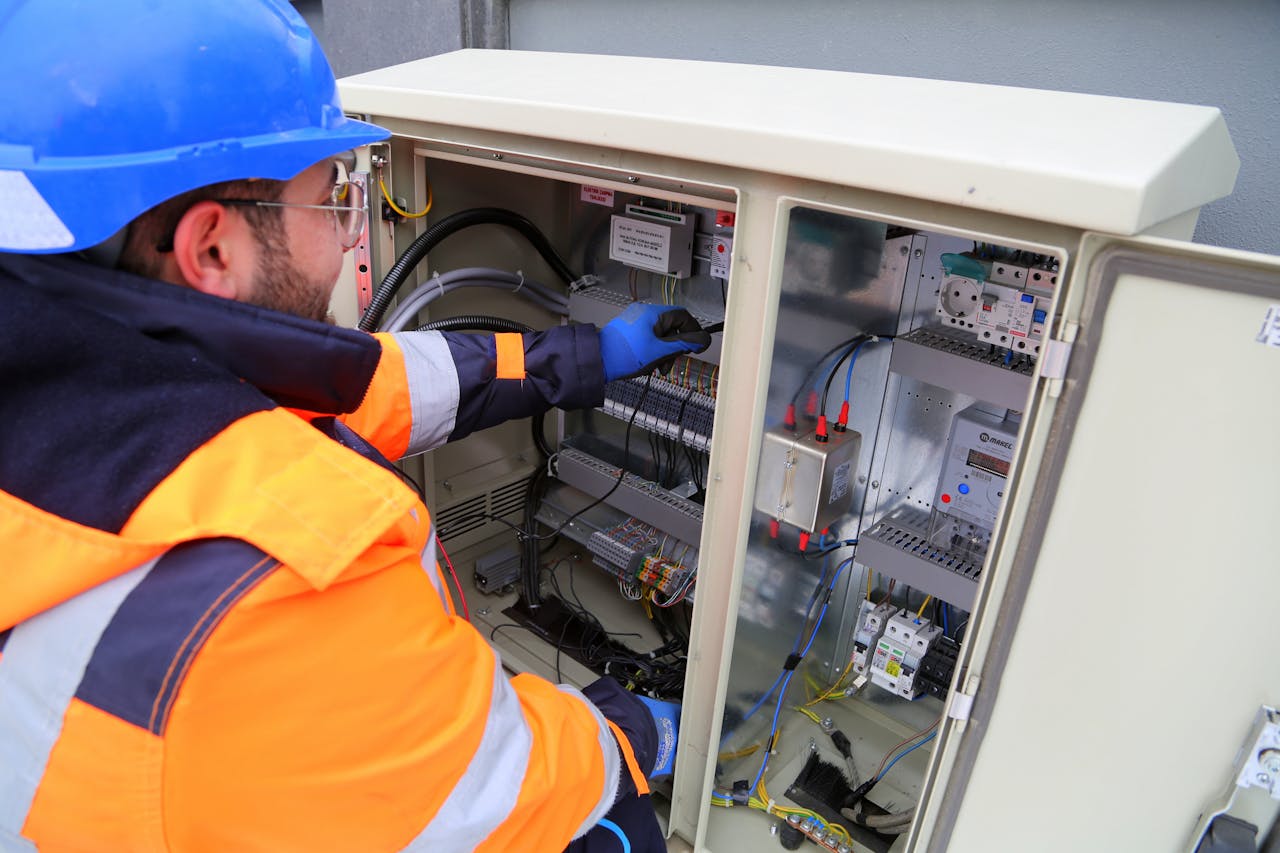
Title 24 Report for Restaurant Build-Outs — Energy Compliance for Commercial Kitchen & Dining Permits
A Title 24 report for restaurant build-outs is a required component of many commercial permit applications in California when a new restaurant, café, quick-service space, or food hall tenant improvement is underway. Restaurant projects are uniquely complex from an energy compliance standpoint because they combine multiple regulated systems: commercial lighting, HVAC, kitchen ventilation, refrigeration loads, and often outdoor dining or conditioned patio areas.
Unlike standard office tenant improvements, restaurant build-outs involve high internal heat gains, specialized exhaust systems, makeup air units, and tightly coordinated lighting layouts. That complexity makes early energy compliance modeling essential. When documentation is prepared accurately and aligned with mechanical, electrical, and architectural drawings, the plan-check process tends to move more smoothly and inspections are less likely to be delayed by documentation conflicts.
Our team prepares Title 24 report for restaurant build-outs with detailed coordination between kitchen design, HVAC strategy, lighting controls, and envelope requirements. If you’re planning a new restaurant tenant improvement or converting a space into a food service operation, call (626) 365-1518 to begin your compliance process.
Why Restaurant Build-Outs Have Unique Title 24 Requirements
Restaurants typically fall under the nonresidential energy compliance pathway. However, they differ from retail or office spaces because of the intensity of lighting, ventilation, and mechanical equipment.
A Title 24 report for restaurant build-outs may evaluate:
- Lighting power density in dining areas, kitchens, storage, and restrooms
- Automatic lighting controls and occupancy sensors
- Daylighting controls near storefront glazing
- HVAC equipment efficiency and system type
- Kitchen exhaust and makeup air systems
- Envelope performance for exterior walls and glazing
- Conditioned outdoor dining areas (if applicable)
Because restaurants often operate extended hours, energy modeling must reflect accurate schedules and equipment assumptions. Clear documentation helps building departments verify that the project meets statewide energy standards before approving the permit.

Common Restaurant Build-Out Scenarios
A Title 24 report for restaurant build-outs is typically required for:
- New restaurant tenant improvements in shopping centers
- Conversion of retail space into a food service establishment
- Expansion of existing dining areas
- Remodels involving lighting or HVAC upgrades
- Installation of new rooftop units (RTUs)
- Adding commercial kitchen exhaust and makeup air systems
Even relatively small food-service remodels can trigger updated energy documentation if regulated lighting or mechanical systems are modified.
How a Title 24 Report for Restaurant Build-Outs Is Prepared
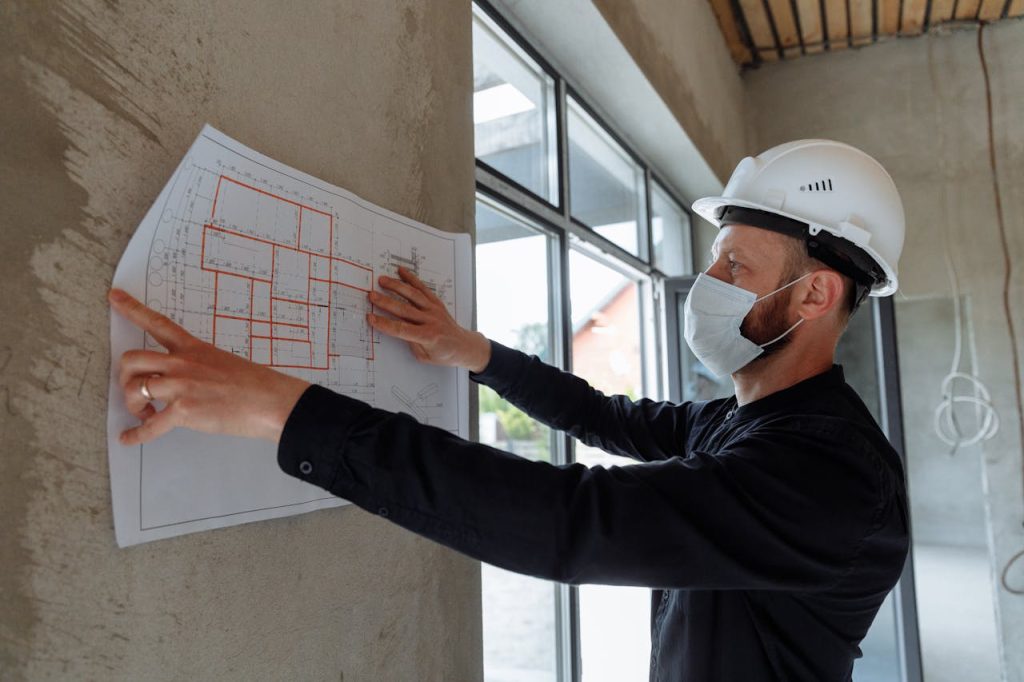
The compliance process begins with a thorough review of architectural, mechanical, and electrical drawings. Particular attention is given to:
- Lighting fixture schedules and control diagrams
- Mechanical schedules for rooftop units and exhaust fans
- Kitchen equipment layouts
- Occupancy classifications and operating hours
- Exterior envelope modifications
Using approved nonresidential compliance software such as CBECC-Com or EnergyPro, the building geometry and regulated systems are modeled. The proposed design is compared against a baseline standard building to confirm compliance.
If the design does not initially meet energy performance targets, adjustments may include:
- Upgrading lighting fixtures to higher-efficiency LED options
- Adjusting lighting control strategies
- Confirming HVAC efficiency ratings
- Refining envelope insulation or glazing performance
Once compliance is achieved, the required certificates of compliance and supporting forms are generated for permit submission. Internal quality checks ensure that the energy documentation matches the plan set exactly.
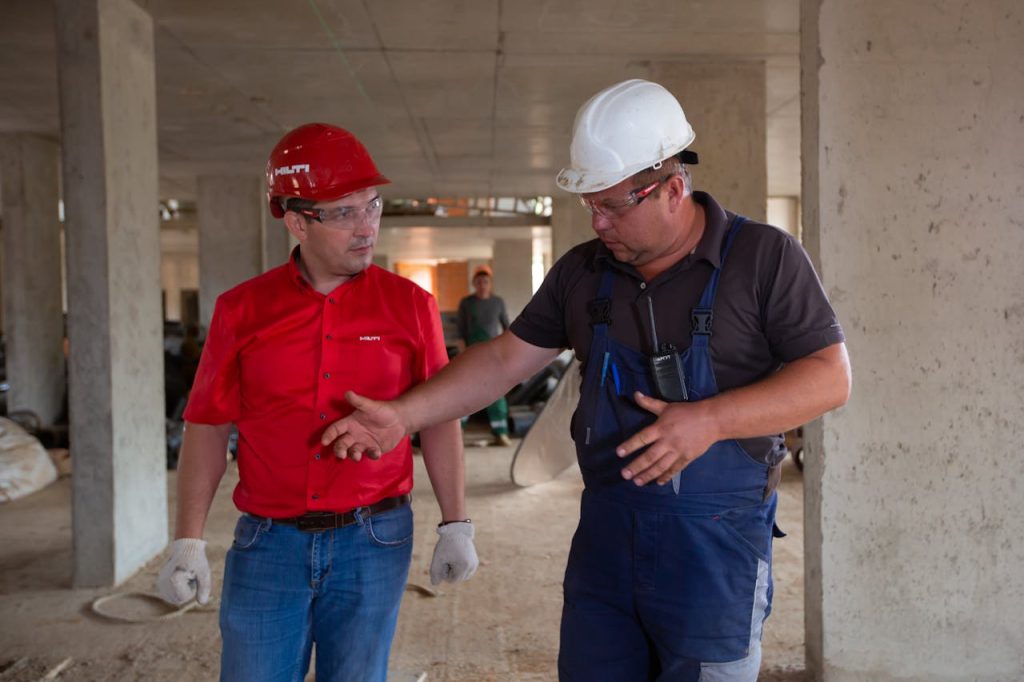
Lighting and Ventilation: Two Key Compliance Drivers
For restaurant projects, lighting and ventilation are often the most scrutinized components of a Title 24 report for restaurant build-outs.
Dining areas require automatic lighting controls, occupancy sensors in certain spaces, and sometimes daylight-responsive controls near storefront glazing. Kitchens require careful coordination between exhaust systems and conditioned air supply.
Failing to document these systems clearly can result in plan-check corrections or inspection delays. Early coordination between designers and energy consultants reduces that risk.
How Compliance Impacts Inspections and Final Approval
After plan-check approval, inspectors verify that installed systems match the approved documentation. If lighting fixtures are substituted or mechanical equipment efficiencies change during construction, compliance documents may need revision.
Accurate Title 24 report for restaurant build-outs documentation helps prevent:
- Inspection failures due to missing controls
- Mismatched mechanical efficiency ratings
- Lighting power density violations
- Delays in final occupancy approval
Because restaurant openings are often tied to lease deadlines or investor schedules, preventing compliance-related delays is critical.
Cost Considerations for Restaurant Energy Compliance
Costs vary based on project size, number of lighting fixtures, complexity of kitchen ventilation systems, and whether the project is a simple remodel or full tenant build-out.
Pricing factors may include:
- Total square footage
- Lighting fixture count and control zoning
- Number of mechanical systems
- Extent of envelope modifications
- Number of revisions before permit approval
Clear communication of scope and deliverables ensures predictable turnaround and cost management.
How to Get Started with a Title 24 Report for Restaurant Build-Outs
To begin your Title 24 report for restaurant build-outs, submit your architectural, electrical, and mechanical drawings for review. Early modeling can prevent plan-check corrections and support a smoother permit timeline.
Call (626) 365-1518, upload plans through our contact page, or email info@title24energy.com with “Restaurant Title 24” in the subject line.
We’re Ready To Take Your Call
A properly prepared Title 24 report for restaurant build-outs supports your project from design through final inspection. With accurate lighting documentation, coordinated mechanical modeling, and permit-ready forms, energy compliance becomes an organized and predictable part of your restaurant launch.
Call (626) 365-1518 today to get started.
Frequently Asked Questions About Title 24 Report for Restaurant Build-Outs
1. Do restaurant build-outs require Title 24 compliance in California?
Yes. Most new restaurant tenant improvements require nonresidential energy compliance documentation.
2. Are lighting controls required in dining areas?
Yes. Automatic shut-off and occupancy controls are typically required.
3. Does kitchen exhaust affect compliance?
Yes. Exhaust and makeup air systems must be documented accurately.
4. What software is used for restaurant compliance?
Approved nonresidential compliance software such as CBECC-Com or EnergyPro is used.
5. Does adding a new rooftop unit require updated documentation?
Yes. New mechanical systems must be included in the compliance model.
6. Are outdoor dining areas regulated?
If conditioned or enclosed, they may require modeling.
7. How long does it take to prepare a Title 24 report?
Turnaround depends on complexity, but many restaurant TI projects can be completed within a few business days.
8. What causes common plan-check corrections?
Incomplete lighting schedules, missing control details, and mechanical mismatches.
9. Can compliance documents be revised after submittal?
Yes, if equipment or lighting changes occur.
10. Does every restaurant remodel require compliance?
If regulated lighting or HVAC systems are modified, documentation is usually required.
11. Are refrigeration systems included in Title 24 modeling?
Some process loads may be treated separately depending on scope.
12. Do restaurants have higher lighting power limits?
Lighting power density limits vary by space type and must meet code requirements.
13. Are occupancy sensors required in restrooms?
Yes, automatic controls are typically required in certain spaces.
14. Does replacing lighting fixtures trigger compliance updates?
Yes, especially if the fixture count or type changes significantly.
15. Is HERS verification required for restaurant projects?
Typically no, but certain mechanical systems may require verification depending on scope.
16. Does the size of the restaurant affect compliance?
Yes. Larger spaces generally involve more detailed modeling.
17. Can contractors prepare their own compliance documentation?
Title 24 compliance is typically prepared by qualified energy consultants.
18. What documents are submitted to the city?
Certificates of compliance and supporting documentation generated by approved software.
19. Does compliance impact final inspection?
Yes. Inspectors verify installed systems against approved documentation.
20. How do I get started?
Call (626) 365-1518 or upload plans through the contact page.