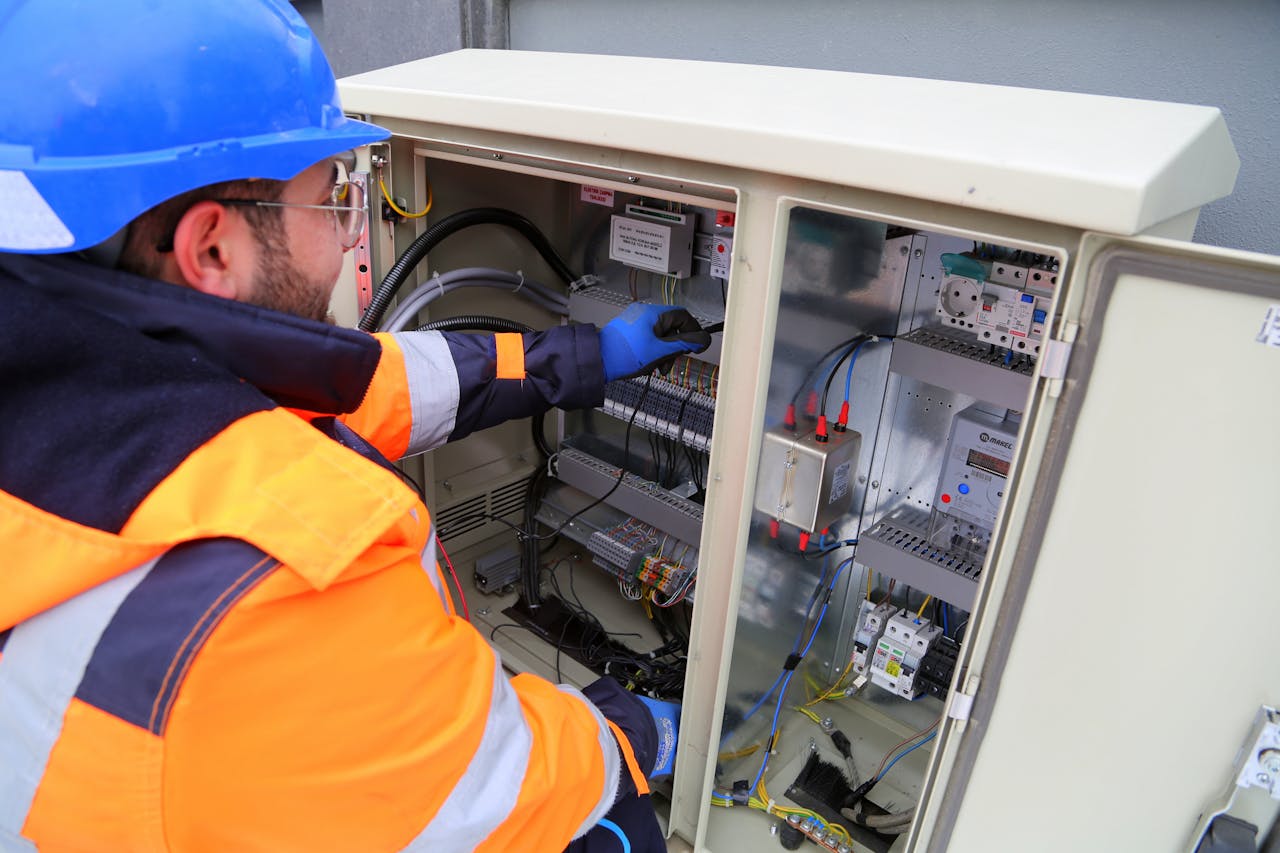
Title 24 Report for Duplex and Triplex — Permit-Ready Energy Compliance for Small Multi-Unit Builds
A Title 24 report for duplex and triplex projects is a key permit requirement for many two- and three-unit residential developments in California. Duplexes and triplexes sit in a unique space: they share some of the complexity of larger multi-family buildings, but they’re often designed and built with the speed and budget sensitivity of a single-family project. That combination makes energy compliance especially important—because small coordination mistakes can delay plan check, disrupt contractor schedules, and trigger avoidable resubmittals.
For duplex and triplex builds, the energy documentation needs to match the plan set with “detail-level accuracy.” Window performance values, insulation assemblies, HVAC system types, duct assumptions, ventilation approach, and water heating configuration must align across architectural sheets and mechanical notes. If the building department sees mismatched forms or missing specs, the permit package can get kicked back even when the design itself would meet code.
Our team prepares Title 24 report for duplex and triplex projects with an emphasis on clarity and coordination—so your compliance package is permit-ready, reviewer-friendly, and practical to build in the field. If you’re building a duplex, triplex, or small multi-unit development anywhere in California, call (626) 365-1518 to start your energy compliance process.
Why Duplex and Triplex Projects Have Title 24 Requirements
California’s energy standards apply to new residential construction and many major alterations. A duplex or triplex typically includes multiple dwelling units, which can increase the number of energy-regulated systems and the level of documentation required. Even when the design is straightforward, compliance must be verified and documented correctly before permits are issued.
A Title 24 report for duplex and triplex commonly evaluates:
- Wall, roof, and floor insulation assemblies for each dwelling unit
- Window and exterior door performance values (U-factor and SHGC)
- HVAC system type, efficiency ratings, and distribution assumptions
- Duct location, duct sealing, and leakage assumptions
- Ventilation compliance for indoor air quality
- Water heating system type (individual vs. shared systems) and distribution
Because duplexes and triplexes often share walls and may share equipment spaces, documenting the configuration clearly is essential for plan check approval and later inspections.

Common Duplex and Triplex Project Types
A Title 24 report for duplex and triplex is commonly needed for:
- Ground-up duplex new construction
- Ground-up triplex new construction
- Single-family conversions into duplex or triplex configurations (scope dependent)
- Lot splits or infill housing projects with multiple units
- Small-scale rental property developments
- Duplex/triplex additions that expand conditioned space significantly
Even when the architecture is similar to a single-family home, the multi-unit configuration can affect HVAC zoning, water heating choices, and ventilation requirements—so energy modeling must reflect the real design.
How a Title 24 Report for Duplex and Triplex Is Prepared
The process begins with reviewing permit-intent architectural and mechanical plans. We confirm the unit layout, conditioned floor areas, shared walls, and any shared mechanical or water heating components. Next, we identify the compliance pathway and model the project using state-approved software such as EnergyPro or CBECC-Res.
Key inputs typically include:
- Envelope assemblies (insulation values, roof types, slab or raised floor details)
- Window schedules and performance ratings
- HVAC equipment selections and efficiency ratings
- Ventilation strategy (bath fans, kitchen ventilation, whole-house ventilation where required)
- Water heating type, location, and distribution assumptions
If the initial model indicates a compliance shortfall, recommendations focus on practical changes that keep the project buildable—such as confirming window performance values, adjusting insulation levels, or verifying HVAC efficiencies and control assumptions.
Once compliance is achieved, we generate the permit-ready documentation package and perform internal consistency checks to ensure the energy forms match the submitted plan set.
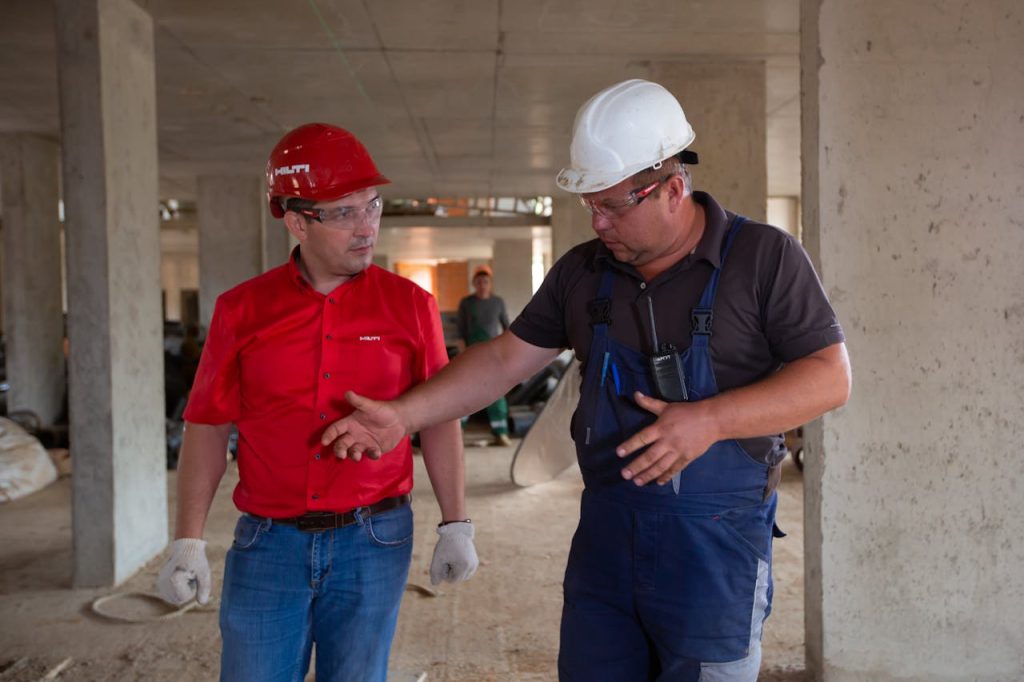
How Proper Compliance Supports Inspections and Final Approval
For duplex and triplex projects, compliance doesn’t end at plan check. Inspections verify that what gets installed matches what was documented. Depending on the project, HERS verification may be required for HVAC installation, duct leakage, or other regulated measures.
Accurate Title 24 report for duplex and triplex documentation helps:
- Reduce failed inspections due to mismatched equipment or window ratings
- Prevent delays caused by missing ventilation or control requirements
- Support smoother HERS testing and verification scheduling
- Keep final sign-off aligned with the approved permit set
Clear documentation also helps contractors and installers avoid guesswork—especially when multiple units must be built consistently.
How Much Does a Title 24 Report for Duplex and Triplex Cost?
Pricing depends on total square footage, number of units, design complexity, and how complete the plans are at the time of modeling. A straightforward duplex with standard systems may be predictable, while a custom triplex with unique glazing, multiple HVAC zones, or shared water heating systems may require additional coordination.
Pricing factors often include:
- Total conditioned square footage across all units
- Number of HVAC systems and zoning complexity
- Window count and performance specification clarity
- Water heating configuration (individual vs. centralized)
- Number of plan revisions prior to permit approval
If HERS verification is required, it is typically scheduled during construction and billed separately.
Best Practices to Keep Duplex and Triplex Permits Moving
To reduce plan-check delays and avoid resubmittals:
- Finalize window performance values (U-factor/SHGC) before modeling whenever possible.
- Keep insulation callouts clear and consistent across sheets.
- Confirm HVAC efficiency ratings and system types early.
- Identify shared mechanical rooms or shared water heating systems clearly on plans.
- Update energy documentation immediately when the plan set changes.
Most compliance delays are caused by missing details or mismatched documentation—not by the design itself.
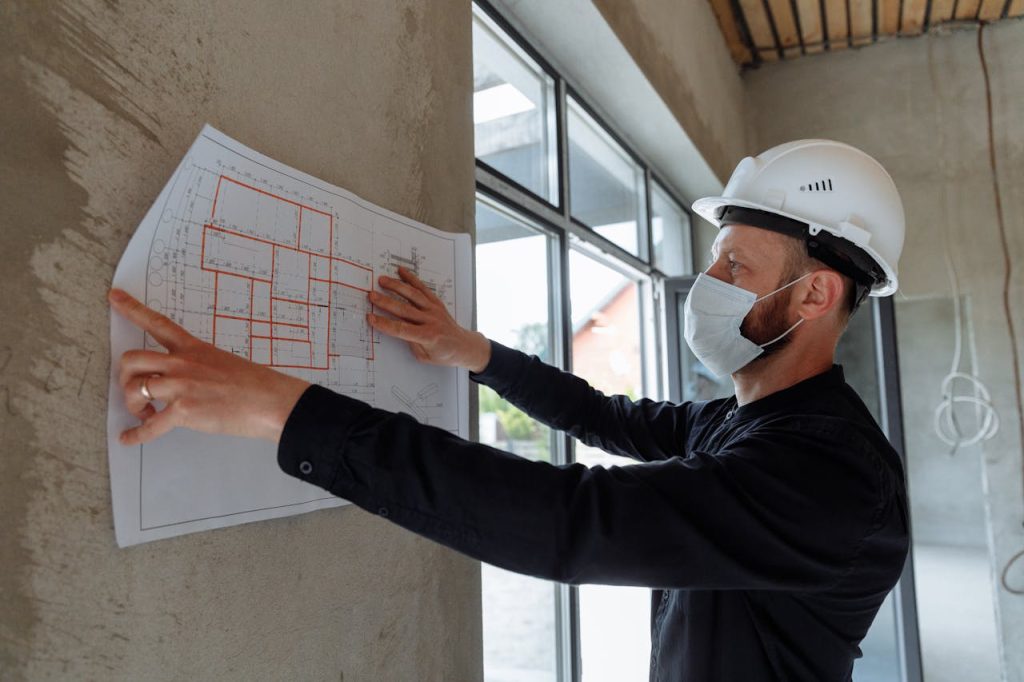
How to Get Started with a Title 24 Report for Duplex and Triplex
Getting started is simple. Submit your permit-intent plans to a trusted Title 24 consultant and request a Title 24 report for duplex and triplex. Early modeling and coordination can prevent plan-check corrections and help your permit package move smoothly through review.
Call (626) 365-1518, upload plans through our contact page, or email info@title24energy.com with “Duplex/Triplex Title 24” in the subject line.
We’re Ready To Take Your Call
A properly prepared Title 24 report for duplex and triplex helps your small multi-unit project stay on schedule—from plan check to inspections to final approval. With coordinated modeling and documentation that matches your drawings, energy compliance becomes predictable instead of stressful.
Call (626) 365-1518 today to begin. Your duplex/triplex-ready Title 24 compliance documentation can be prepared accurately and efficiently—so your project can move forward with confidence.
Frequently Asked Questions About Title 24 Report for Duplex and Triplex
1. Is a Title 24 report required for a duplex in California?
Yes. Most new duplex construction and many major permitted alterations require Title 24 energy compliance documentation.
2. Is a Title 24 report required for a triplex in California?
Yes. Triplex projects typically require compliance documentation for permit approval.
3. Is a duplex considered multi-family for Title 24 purposes?
In many cases, yes. It includes multiple dwelling units and is treated differently than a single-family home in planning and documentation.
4. Do duplex and triplex projects use residential compliance pathways?
Most do, but common areas or shared spaces can introduce additional documentation requirements depending on design.
5. What information is needed to prepare a Title 24 report?
Permit-intent plans, window schedules, insulation callouts, HVAC details, ventilation strategy, and water heating specs.
6. Do shared walls between units affect energy modeling?
Yes. Party walls and shared assemblies must be modeled and documented correctly.
7. Can each unit have its own HVAC system?
Yes. Many duplexes and triplexes have separate HVAC systems, and the model must reflect the actual design.
8. What if the project uses a shared mechanical room?
Shared mechanical spaces can be compliant, but they must be documented clearly so reviewers understand system configuration.
9. Do duplex/triplex projects require HERS verification?
Many do, especially when HVAC systems, ductwork, or specific performance measures trigger third-party verification.
10. How long does it take to complete a Title 24 report for a duplex or triplex?
Turnaround depends on plan completeness and complexity, but many projects can be completed within a few business days.
11. What causes the most plan-check corrections on duplex/triplex reports?
Mismatched window values, unclear insulation callouts, inconsistent HVAC schedules, and outdated plan versions are common issues.
12. Can the Title 24 report be revised if plans change?
Yes. If regulated features change, the report should be updated to match the revised permit drawings.
13. Do window performance values need to match exactly?
Yes. The U-factor and SHGC used in the model should match the specified window products for permit approval.
14. Does building orientation matter for duplex/triplex compliance?
It can. Glazing distribution and orientation affect solar heat gain and overall performance modeling results.
15. Are solar panels required on duplex and triplex new construction?
Many new residential projects in California require PV systems depending on the code cycle and project specifics.
16. Do water heaters need to meet specific efficiency standards?
Yes. Water heating equipment must meet applicable efficiency requirements and be documented correctly.
17. Does ventilation design affect compliance?
Yes. Ventilation assumptions and equipment must meet code requirements and match the plans.
18. Can a contractor prepare a Title 24 report?
Title 24 reports are typically prepared by qualified energy consultants using state-approved software.
19. Does Title 24 compliance affect inspections?
Yes. Inspectors and/or HERS raters verify that installations match the approved compliance documentation.
20. How do I get started with a Title 24 report for duplex and triplex?
Call (626) 365-1518 or upload your plans through the contact page to begin your compliance process.