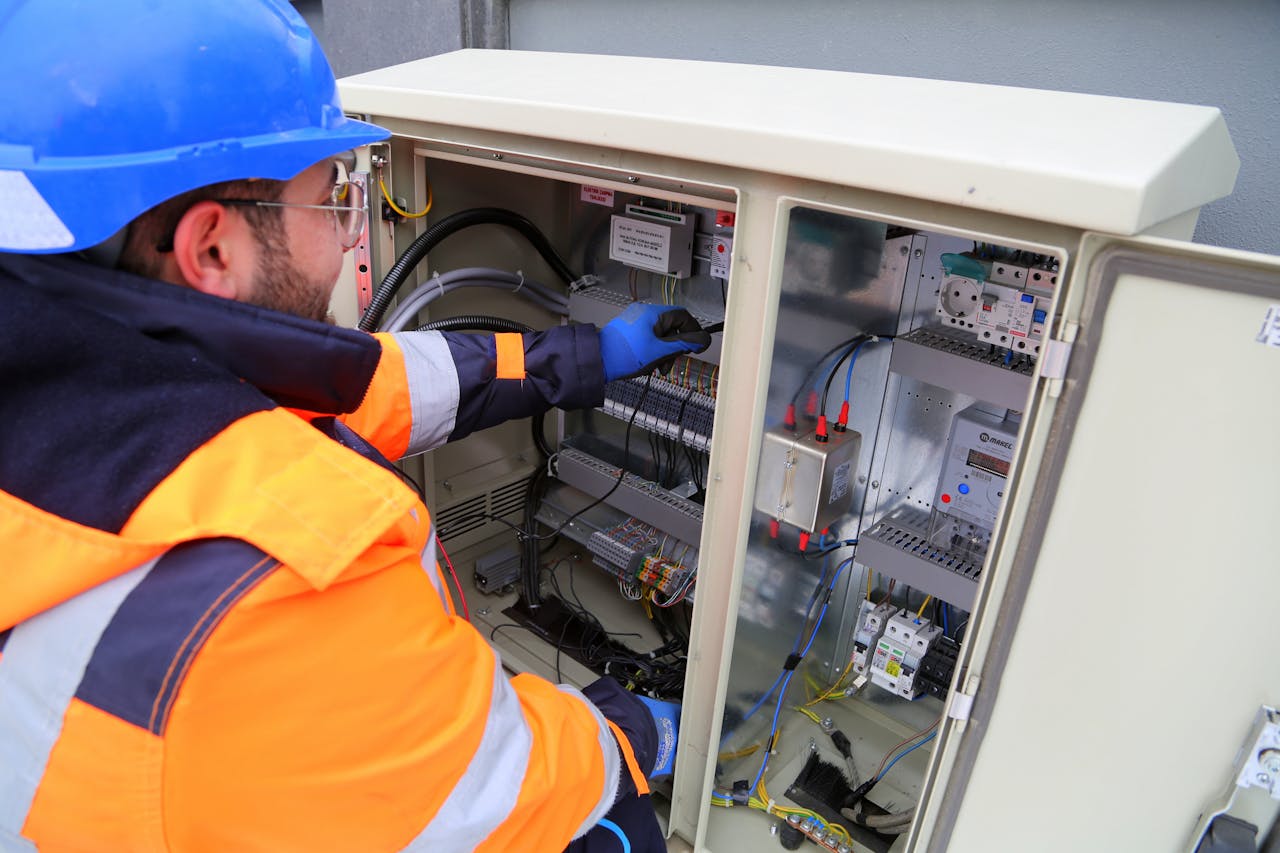
Title 24 Compliance for Multi-Family Housing — Coordinated Energy Documentation for Apartment and Condominium Projects
Title 24 compliance for multi-family housing is a critical part of the permit process for apartment buildings, condominium developments, mixed residential complexes, and large-scale housing projects across California. Multi-family projects operate at a different level of complexity than single-family homes. They often include repeated dwelling units, shared corridors, common areas, centralized mechanical systems, parking structures, and amenity spaces—all of which may fall under different energy code provisions.
Because of this complexity, energy compliance for multi-family buildings must be structured carefully. Documentation must clearly identify which portions of the building fall under low-rise residential standards, which portions may qualify as high-rise residential, and which common areas follow nonresidential requirements. A properly prepared Title 24 compliance for multi-family housing package ensures plan-check reviewers can verify compliance efficiently and that contractors can build according to documentation that matches the approved plans.
Our role is to help developers, architects, and builders move from design to permit approval without unnecessary corrections or costly delays. If you are planning or submitting a multi-family housing project in California, call (626) 365-1518 to begin your compliance process.
Why Multi-Family Housing Has Unique Title 24 Requirements
Multi-family buildings are not simply “larger houses.” They often combine multiple compliance pathways within one project. For example:
- Individual dwelling units may follow residential modeling requirements.
- Corridors, lobbies, and common amenity areas may follow nonresidential lighting and control standards.
- Central mechanical plants may have separate efficiency and control requirements.
- Envelope performance may affect both residential and shared spaces.
Title 24 compliance for multi-family housing must clearly document how each building area complies with the appropriate standard. If occupancy classification or zoning is unclear, plan check may issue correction notices that require revisions and resubmittals.
Clear separation and coordination between residential and common-area compliance is essential for approval.

Projects That Require Title 24 Compliance for Multi-Family Housing
A Title 24 compliance for multi-family housing package is commonly required for:
- Apartment buildings (low-rise and high-rise)
- Condominium developments
- Townhome and stacked flat communities
- Affordable housing projects
- Student housing developments
- Senior housing and assisted living facilities (scope dependent)
- Podium-style multi-family buildings with parking structures
Each project may require a different modeling approach depending on building height, number of units, and shared systems.
How Title 24 Compliance for Multi-Family Housing Is Prepared
The process begins with a detailed review of architectural and mechanical plans. We identify dwelling units, common spaces, corridors, and mechanical zones to determine the appropriate compliance pathway for each area.
State-approved software such as EnergyPro, CBECC-Res, or CBECC-Com is used depending on whether the project qualifies as low-rise residential, high-rise residential, or requires nonresidential documentation for common areas.
Inputs typically include:
- Envelope assemblies and insulation values
- Window performance values (U-factor and SHGC)
- Lighting fixture schedules and control strategies in common areas
- HVAC system types, efficiencies, and zoning
- Ventilation and indoor air quality assumptions
- Water heating systems (individual or central)
If compliance gaps appear, practical recommendations are provided to bring the project into alignment with energy standards while preserving design intent.
A complete Title 24 compliance for multi-family housing package includes coordinated documentation that aligns precisely with the submitted plan set, reducing the likelihood of correction cycles.

How Compliance Supports Inspections and Occupancy
Multi-family housing projects often require staged inspections. Residential units, common corridors, and mechanical systems may be inspected separately. Some components may require HERS verification, particularly for HVAC installations and duct systems in residential units.
Accurate Title 24 compliance for multi-family housing helps:
- Prevent failed HERS tests in residential units
- Ensure lighting controls in corridors and amenity spaces meet code
- Align mechanical equipment efficiencies with documentation
- Support smoother final occupancy approvals
Clear documentation ensures contractors know what must be installed in each portion of the building.
How Much Does Title 24 Compliance for Multi-Family Housing Cost?
Costs vary based on:
- Total number of dwelling units
- Building height and classification (low-rise vs. high-rise)
- Complexity of common-area lighting and controls
- Mechanical system configuration (individual vs. central systems)
- Number of plan revisions during permitting
Because multi-family projects involve repeated units, early modeling during design development can significantly reduce revision costs later in the process.
Best Practices for Multi-Family Title 24 Compliance
To streamline plan-check approval:
- Clearly label dwelling units and common areas on plans.
- Provide complete lighting and control documentation for shared spaces.
- Ensure mechanical schedules match specified equipment.
- Update compliance documents promptly when design revisions occur.
Coordination across architectural, mechanical, and electrical drawings prevents correction cycles.
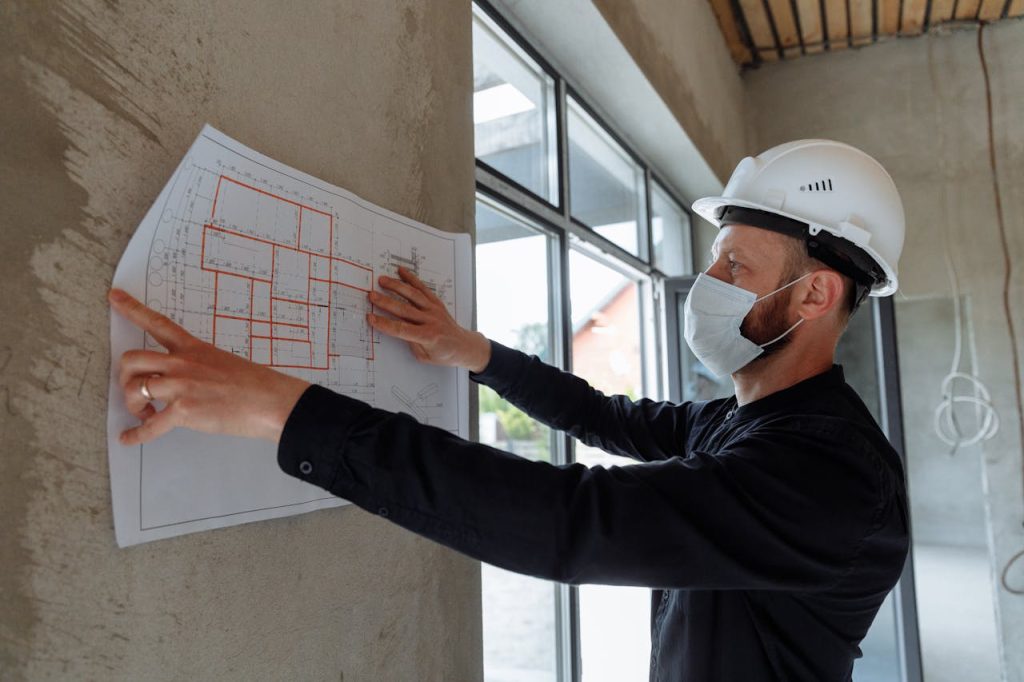
How to Get Started with Title 24 Compliance for Multi-Family Housing
Submit your permit-intent plans to a trusted Title 24 consultant and request Title 24 compliance for multi-family housing. Early coordination reduces plan-check corrections and helps keep development timelines predictable.
Call (626) 365-1518, upload plans through our contact page, or email info@title24energy.com with “Multi-Family Title 24” in the subject line.
We’re Ready To Take Your Call
Title 24 compliance for multi-family housing should support your development schedule—not delay it. With coordinated documentation, correct compliance pathways, and reviewer-ready forms, energy compliance becomes a predictable step toward permit approval and occupancy.
Call (626) 365-1518 today to begin your multi-family compliance process.
Frequently Asked Questions About Title 24 Compliance for Multi-Family Housing
1. What is Title 24 compliance for multi-family housing?
It is energy compliance documentation required for apartment and condominium projects under California energy standards.
2. Do apartment buildings require Title 24 documentation?
Yes. Most multi-family housing projects require compliance documentation before permits are approved.
3. Are low-rise and high-rise multi-family buildings treated differently?
Yes. Building height affects which compliance pathway applies.
4. Do common areas follow residential standards?
Often, common areas follow nonresidential standards for lighting and controls.
5. Are HERS tests required for multi-family projects?
Many residential units require HERS verification depending on systems installed.
6. What software is used for multi-family compliance?
State-approved tools such as EnergyPro, CBECC-Res, and CBECC-Com are commonly used.
7. Does occupancy classification affect compliance?
Yes. Space use and occupancy determine lighting allowances and modeling assumptions.
8. Can documentation be revised during plan check?
Yes. Revisions are common if design changes or corrections are issued.
9. How long does compliance preparation take?
Turnaround depends on project size and complexity but is often completed within several business days once plans are finalized.
10. Does Title 24 impact inspections?
Yes. Inspectors verify installed systems match approved documentation.
11. Are central water heating systems regulated?
Yes. Central systems must meet applicable efficiency standards.
12. Do corridor lighting systems require controls?
Yes. Mandatory lighting controls are typically required in common areas.
13. Does a podium parking level affect compliance?
It may, depending on how lighting and ventilation systems are configured.
14. Are amenity spaces considered commercial areas?
Some amenity spaces may follow nonresidential requirements depending on classification.
15. Can developers coordinate compliance during design development?
Yes. Early modeling reduces redesign risk and speeds permit approval.
16. Does Title 24 increase project cost?
Energy standards may influence product selection, but early planning minimizes cost impact.
17. Who prepares Title 24 documentation for multi-family projects?
A qualified energy consultant using state-approved software should prepare the documentation.
18. Can permit expediters coordinate documentation?
Yes. Expediters often work alongside energy consultants to streamline submissions.
19. What causes the most corrections in multi-family compliance?
Mismatched occupancy classifications, incomplete lighting documentation, and inconsistent mechanical schedules are common issues.
20. How do I get started?
Call (626) 365-1518 or upload your plans through the contact page to begin your compliance process.