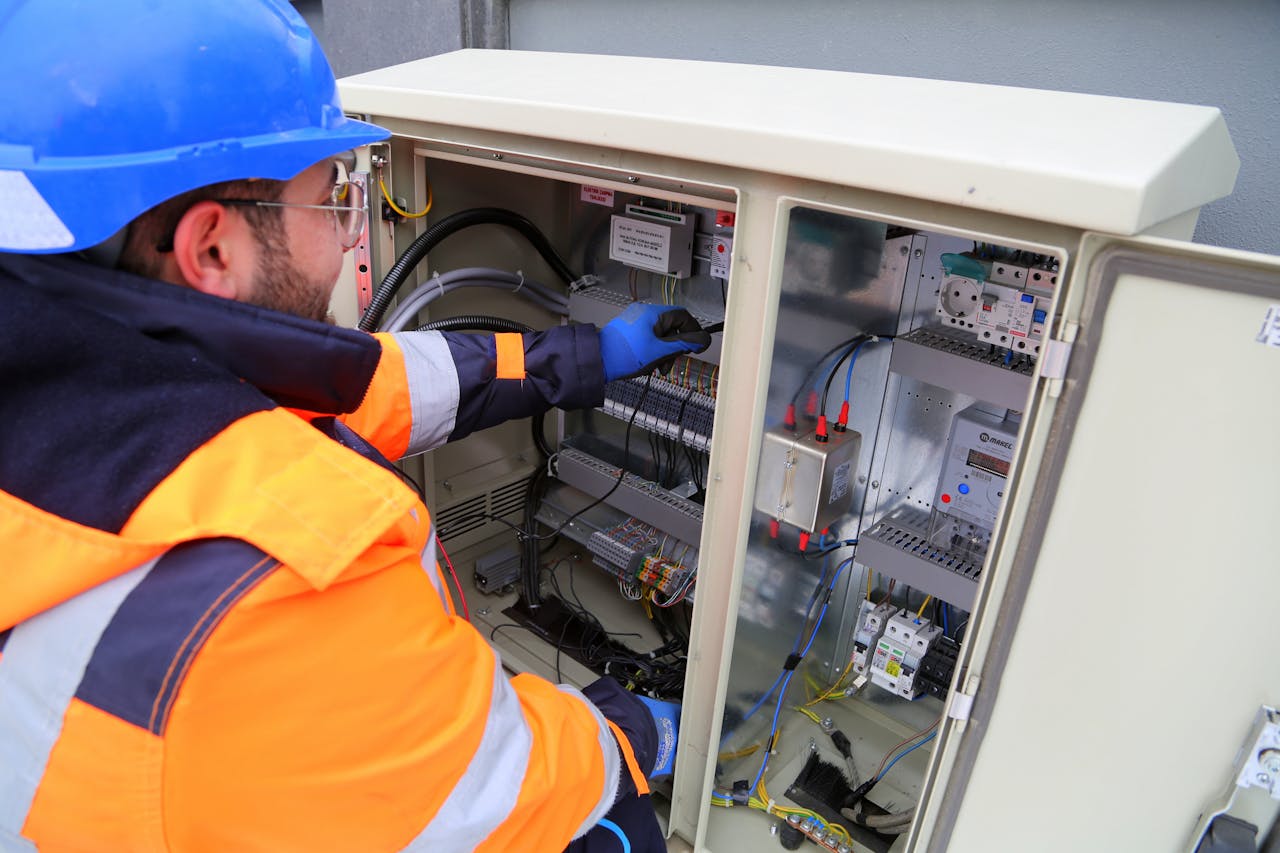
Title 24 Report for Mixed-Use Projects with Coordinated Residential and Commercial Compliance
Call (626) 365-1518 | Alternative Energy Systems
A mixed-use building can place apartments, retail suites, restaurants, offices, live-work units, shared corridors, parking areas, and amenity spaces under one roof. That combination creates a more demanding energy-compliance process than a typical single-purpose building. Alternative Energy Systems prepares a professional Title 24 Report for Mixed-Use Projects so developers, architects, engineers, contractors, property owners, and project managers can coordinate the applicable residential, multifamily, and nonresidential requirements before the permit package reaches plan review.
A mixed-use development should not be treated as a standard residential project with a commercial section added at the last minute. The energy documentation must clearly identify the spaces, occupancies, systems, and compliance pathways that apply to each part of the building. Dwelling units, shared residential areas, retail storefronts, office suites, restaurant spaces, conditioned corridors, lobbies, amenity rooms, and mechanical zones may require different calculations, schedules, controls, forms, and field-verification steps.
The current 2025 California Energy Code applies to permit applications submitted on or after January 1, 2026. This code cycle includes requirements for newly constructed buildings, additions, and alterations. Compliance software is approved for specific occupancies and project scopes, making it important to classify the building correctly and use the appropriate method for each regulated portion of the project.
Alternative Energy Systems provides remote online service for mixed-use projects throughout California. Plans, specifications, schedules, and project details can be submitted digitally. To request a quote for a Title 24 Report for Mixed-Use Projects, call (626) 365-1518, email info@title24energy.com, or use the contact page to send your project information.
What Is a Title 24 Report for Mixed-Use Projects?
A Title 24 Report for Mixed-Use Projects is a coordinated energy-code documentation package prepared for a development that combines more than one use or occupancy type. A common example is a building with retail or restaurant space on the ground floor and residential units above. Other examples include live-work developments, apartment buildings with leasing offices and amenity spaces, condominium projects with commercial frontage, and urban infill developments that combine housing with business uses.
The report documents how the proposed building design addresses California’s Building Energy Efficiency Standards. The analysis may evaluate building-envelope assemblies, insulation, windows, doors, glazing distribution, conditioned floor area, mechanical equipment, ventilation, water heating, lighting power, lighting controls, process systems, and other regulated features. The exact scope depends on the design, occupancy classifications, building size, project type, and permit-submittal date.
Mixed-use compliance requires careful organization because the project may involve multiple regulated areas that cannot be modeled or documented as though they were identical. The energy consultant must identify where one compliance pathway ends and another begins. The architectural plans, mechanical schedules, electrical plans, lighting schedules, control notes, equipment specifications, and energy documentation must support one another.
Why Mixed-Use Compliance Is More Complex
Residential, multifamily, and nonresidential buildings have different energy-code requirements. A mixed-use building can include portions that require separate documentation methods, approved software tools, or compliance forms. Shared areas may also need to be classified carefully so the project team knows which rules apply.
A reliable Title 24 Report for Mixed-Use Projects should clearly answer practical questions such as:
- Which portions of the building are residential, multifamily, or nonresidential?
- How are shared corridors, lobbies, leasing offices, fitness rooms, and amenity spaces classified?
- Which envelope assemblies apply to each regulated area?
- Which lighting-power and lighting-control requirements apply to the commercial spaces?
- How are HVAC zones separated and documented?
- Which ventilation requirements apply to each occupancy?
- Are there field-verification, functional-testing, or commissioning requirements?
- How should revisions be coordinated when tenant layouts or equipment selections change?
Resolving these questions early helps reduce preventable plan-check corrections and gives contractors a clearer set of documents to build from.
Common Building Types That Need a Title 24 Report for Mixed-Use Projects
A Title 24 Report for Mixed-Use Projects may be needed for a wide range of developments. The correct approach depends on the actual building design, not simply the marketing name used for the property.
Ground-Floor Retail with Residential Units Above
This is one of the most common mixed-use configurations. Street-level retail suites may have different lighting, HVAC, ventilation, glazing, and control requirements than the apartments or condominiums located above them. Corridors, lobbies, stairs, elevators, leasing offices, and shared amenity rooms must also be classified accurately.
Apartment Buildings with Commercial Frontage
A multifamily development may include restaurants, coffee shops, professional offices, retail stores, or service businesses facing the street. The project team should provide enough detail to distinguish the shell conditions, finished tenant areas, shared systems, and future tenant-improvement responsibilities.
Live-Work Developments
Live-work projects can require close coordination because residential and business functions may exist within the same unit or building. The drawings should clearly describe the intended use of each area so the consultant can determine how the applicable energy requirements should be documented.
Podium-Style Developments
A podium development may combine residential units with retail spaces, structured parking, common areas, leasing offices, fitness rooms, community rooms, and other amenities. These projects often require organized documentation because multiple systems and occupancies interact within a larger building design.
Mixed-Use Renovations and Adaptive Reuse Projects
Existing buildings may be renovated to include new residential units, commercial spaces, or a combination of uses. Adaptive reuse projects can be especially detailed because the consultant must understand existing conditions, proposed alterations, retained assemblies, new systems, and any changes in occupancy or conditioned space.
Hotels, Hospitality Uses, and Commercial Amenities
Some larger projects combine hospitality-related uses with restaurants, retail suites, meeting spaces, offices, residential units, or other regulated areas. The energy documentation should reflect the actual uses, systems, and construction scope shown on the plans.

How a Title 24 Report for Mixed-Use Projects Is Prepared
Preparation starts with a detailed review of the plans. The consultant needs to understand the building uses, conditioned areas, envelope assemblies, equipment, lighting, controls, and design responsibilities before the project can be modeled correctly. The most efficient process begins while the plans are developed enough to provide reliable information but before the permit package is finalized.
Step 1: Identify the Occupancies and Space Types
The first step is to identify how the building is divided. Each unit, suite, corridor, lobby, office, restaurant, store, amenity space, parking area, mechanical room, and shared area should be labeled clearly. Accurate classifications help determine which energy-code requirements, forms, and software tools apply.
The project team should avoid vague labels when more specific information is available. A generic label such as “commercial space” may not provide enough detail when the area could become a restaurant, office, retail store, or service business with different lighting, ventilation, and mechanical needs.
Step 2: Separate the Residential, Multifamily, and Nonresidential Pathways
A Title 24 Report for Mixed-Use Projects may require coordinated documentation for more than one occupancy pathway. The consultant reviews the plans to determine which portions are evaluated under the applicable residential, multifamily, or nonresidential requirements.
This separation should remain clear throughout the permit package. The calculations, forms, mechanical schedules, lighting documents, plan notes, and field-verification requirements should identify the correct portions of the building. A well-organized package helps reviewers understand the compliance strategy and helps contractors avoid applying the wrong specification to the wrong area.
Step 3: Review the Building Envelope
The building envelope includes walls, roofs, floors, insulation assemblies, windows, doors, and other features that separate conditioned space from unconditioned space or the exterior. Mixed-use projects can become complicated when different spaces share walls, floors, ceilings, or roof assemblies.
The consultant may review:
- Exterior wall assemblies
- Roof and ceiling assemblies
- Floors over unconditioned spaces
- Walls adjacent to parking structures
- Shared walls between differently classified spaces
- Window and door schedules
- Glazing area and distribution
- U-factor and solar heat gain coefficient values
- Air barriers and applicable envelope details
Step 4: Coordinate Mechanical Systems and Ventilation
Mixed-use buildings may use separate mechanical systems for residential units, common areas, retail suites, restaurant spaces, offices, and other commercial zones. Equipment capacities, efficiencies, system types, duct locations, ventilation assumptions, exhaust requirements, and control strategies should align with the energy documentation.
A restaurant space may have different ventilation and exhaust considerations than an office suite. A retail shell may require different documentation than a completed tenant improvement. Residential units may have different field-verification steps than nonresidential spaces. Early coordination helps the project team identify these distinctions before equipment is ordered or installed.
Step 5: Review Commercial Lighting and Controls
Nonresidential portions of a mixed-use building commonly require lighting-power calculations and control documentation. The consultant may need fixture schedules, wattages, space types, control notes, occupancy-sensor details, daylighting information, and other electrical-plan details.
Lighting documentation should remain consistent with the electrical drawings. Fixture substitutions, layout changes, control revisions, and tenant-improvement decisions may require updated calculations. Clear lighting schedules help reduce confusion during plan review and inspections.
Step 6: Model the Project with Approved Compliance Software
When the performance method applies, the project must use software approved for the applicable occupancy and project scope. The California Energy Commission approves compliance software for specific categories such as single-family residential, multifamily, and nonresidential buildings. A mixed-use project may require more than one coordinated software pathway depending on the design.
The energy model should reflect the actual plans. If the initial results show that adjustments are needed, the consultant can discuss practical options with the project team. These may include glazing improvements, insulation changes, equipment refinements, lighting adjustments, control updates, or other measures that support compliance while respecting the larger design intent.
Step 7: Prepare the Permit-Ready Documentation
After the calculations are complete, the consultant prepares electronic forms and supporting documentation for the applicable project areas. The documents can be shared with the architect, engineer, contractor, developer, owner, and permit team. Each party should work from the same current version so revisions do not create conflicts later.
Information Needed for a Title 24 Report for Mixed-Use Projects
Complete plans help Alternative Energy Systems scope the project accurately and prepare an organized report. The initial submission should include as much of the following information as possible:
- Project address
- Project description and intended uses
- Site plan
- Floor plans for each level
- Building elevations
- Building sections
- Roof plans
- North arrow and building orientation
- Occupancy classifications and space labels
- Square footage by use or occupancy type
- Residential unit count and unit types
- Common-area descriptions
- Commercial tenant-space descriptions
- Window and door schedules
- Envelope-assembly details
- Insulation values
- Mechanical plans and equipment schedules
- Ventilation and exhaust details
- Water-heating information
- Lighting fixture schedules
- Lighting-control notes
- Electrical plans when available
- Owner contact information
- Architect, engineer, or designer contact information
- Billing contact information
Some projects require additional materials after the first review. Complex mechanical systems, restaurant spaces, future tenant suites, existing-building conditions, phased construction, and adaptive reuse projects may create additional questions. Sending complete plans early allows the consultant to identify those issues before the permit schedule becomes urgent.
Why Early Coordination Matters for a Title 24 Report for Mixed-Use Projects
Mixed-use projects often involve several design disciplines, multiple contractors, future tenants, financing timelines, phased approvals, and construction schedules that leave little room for preventable corrections. Beginning the Title 24 Report for Mixed-Use Projects early gives the design team time to address energy-code questions before the plans are locked.
Early coordination can help the project team:
- Clarify which compliance pathway applies to each space
- Separate residential, multifamily, and nonresidential documentation correctly
- Review envelope assemblies before specifications are finalized
- Coordinate mechanical zoning and equipment selections
- Confirm lighting-power calculations and controls
- Identify field-verification or functional-testing needs
- Reduce inconsistent notes between architectural, mechanical, and electrical drawings
- Plan for future tenant-improvement responsibilities
- Update the model promptly when design revisions occur
Waiting until the permit deadline can create unnecessary pressure. A design change to a retail suite, mechanical zone, window schedule, lighting package, or shared amenity area may affect several documents at once. A coordinated energy review gives the team more time to respond intelligently instead of making rushed revisions after plan-check comments arrive.
Common Problems That Can Delay Mixed-Use Energy Compliance
A carefully prepared Title 24 Report for Mixed-Use Projects helps reduce problems that often create resubmittals, inspection questions, or construction confusion. Common issues include:
- Failing to label occupancy types clearly on the plans
- Combining residential and nonresidential spaces without documenting the boundaries
- Using outdated compliance software or forms
- Submitting incomplete window or door schedules
- Leaving shared walls, floors, or ceilings unclear
- Using mechanical schedules that do not match the energy model
- Changing equipment without notifying the consultant
- Omitting lighting-control details in commercial spaces
- Using generic placeholder assumptions for future tenant areas without a clear strategy
- Failing to update calculations after architectural revisions
- Overlooking HERS, functional-testing, or commissioning requirements
- Submitting forms that conflict with architectural, mechanical, or electrical drawings
- Waiting until construction is underway to clarify field-verification steps
These issues are easier to resolve before permit submission. Clear plans, current schedules, and prompt communication help the consultant keep the documentation aligned with the real building design.
Title 24 Report for Mixed-Use Projects and Field Verification
The design-stage report and the field-verification process are connected, but they serve different purposes. The report documents the proposed compliance strategy. Field verification confirms that certain systems, measures, controls, or installation details satisfy the applicable requirements after construction begins.
Depending on the project scope, verification or testing may include:
- Duct-leakage testing
- Airflow verification
- Refrigerant-charge testing
- Fan-watt-draw testing
- Quality Insulation Installation verification
- Ventilation testing
- Lighting-control functional testing
- Mechanical-control functional testing
- Photovoltaic verification
- Other project-specific compliance steps
Not every mixed-use project requires every service. The applicable requirements depend on the building type, occupancies, systems, scope, and compliance approach. Contractors should understand the verification schedule before covering work, installing substitutions, or approaching final inspection.
How a Title 24 Report for Mixed-Use Projects Supports Permit Review and Construction
A well-organized report helps more than the permit reviewer. It gives the architect, engineer, contractor, developer, owner, and inspection team a clearer understanding of the approved energy strategy. This can reduce confusion when several trades work on different portions of the building.
Support for Architects and Designers
Architects and designers can use the energy analysis to confirm that building-envelope decisions, glazing choices, space classifications, and design revisions remain consistent with the compliance package.
Support for Mechanical Engineers and Contractors
Mechanical teams can compare the energy documentation with equipment schedules, duct locations, ventilation assumptions, controls, and zoning strategies. This helps reduce substitutions that could create compliance conflicts later.
Support for Electrical Engineers and Lighting Contractors
Electrical teams can review fixture schedules, lighting-power calculations, control notes, and functional-testing requirements for nonresidential spaces. Consistent documents make it easier to understand which controls belong in each regulated area.
Support for Developers and Property Owners
Developers and owners benefit from early coordination because energy-code corrections can affect permit timing, financing milestones, tenant-delivery schedules, and construction sequencing. A complete report helps reduce avoidable uncertainty.
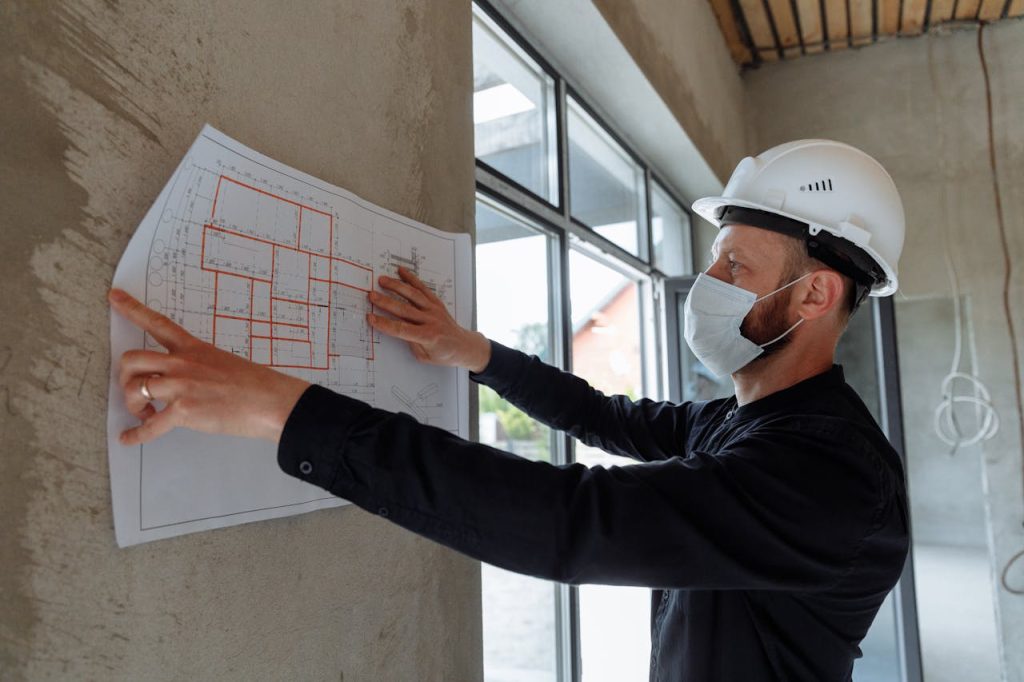
Why Choose Alternative Energy Systems?
Alternative Energy Systems is a full-service energy-analysis company with more than 30 years of experience supporting projects ranging from small additions to large commercial buildings. The company provides residential and commercial Title 24 analysis and offers digital solutions for clients who need to submit and receive project documents online.
The company’s services include:
- Residential Title 24 energy analysis
- Commercial envelope compliance
- Commercial lighting compliance
- Commercial mechanical compliance
- Residential and commercial energy modeling
- HERS rating and field verification
- LEED consulting
- GreenPoint Rated support
- California Tax Credit Allocation Committee support
- California Utility Allowance Calculation services
Mixed-use developments benefit from this broader service background because the project may involve multiple occupancies, multiple design disciplines, and more than one compliance pathway. Clients can review the company’s background and qualifications, explore general services, or use the contact page to request a project-specific quote.
How Much Does a Title 24 Report for Mixed-Use Projects Cost?
The cost of a Title 24 Report for Mixed-Use Projects depends on the size, complexity, occupancies, number of residential units, commercial square footage, mechanical systems, lighting scope, control strategy, and revision needs. A smaller mixed-use property with a limited commercial area may require less analysis than a podium development with multiple tenant spaces, shared amenities, structured parking, and complex mechanical zoning.
Pricing factors may include:
- Total building square footage
- Residential or multifamily unit count
- Number and type of commercial spaces
- Shared common areas
- Envelope complexity
- Mechanical-system complexity
- Lighting schedules and control requirements
- Future tenant-improvement assumptions
- Number of compliance pathways
- Field-verification requirements
- Functional-testing or commissioning needs
- Plan-check corrections and design revisions
General residential pricing is available on the price list, but mixed-use projects should be quoted individually. Send the available plans and schedules so the team can evaluate the actual scope.
Request a Title 24 Report for Mixed-Use Projects Quote
Do not let unclear occupancy classifications, incomplete lighting schedules, inconsistent mechanical plans, or outdated energy forms become the reason your mixed-use permit package stalls. Alternative Energy Systems prepares coordinated Title 24 Report for Mixed-Use Projects documentation for developers, architects, engineers, contractors, property owners, and project managers throughout California.
Send the plans early so the team can review the occupancies, building areas, systems, schedules, and permit scope. Call (626) 365-1518, email info@title24energy.com, or submit a message through the contact page.
- Phone: (626) 365-1518
- Email: info@title24energy.com
- Office: 145 South Glenoaks Blvd. #1009, Burbank, CA 91502
- Project Intake: Send your plans and request a quote
Remote online services are available for mixed-use projects throughout California. Plans and project details can be submitted digitally for review.
Frequently Asked Questions About Title 24 Report for Mixed-Use Projects
What is a Title 24 Report for Mixed-Use Projects?
A Title 24 Report for Mixed-Use Projects is coordinated energy-compliance documentation for a building that combines uses such as residential units, retail suites, restaurants, offices, shared amenity spaces, or other regulated areas.
Why do mixed-use projects need specialized energy analysis?
Mixed-use buildings may include residential, multifamily, and nonresidential areas with different compliance requirements, forms, schedules, and approved software pathways. The documentation should identify which requirements apply to each space.
When did the current California Energy Code take effect?
The 2025 California Energy Code applies to permit applications submitted on or after January 1, 2026.
Can one report cover the entire mixed-use building?
The project can receive a coordinated documentation package, but different portions of the building may require separate calculations, forms, or software pathways depending on their occupancy and scope.
What building types commonly need mixed-use documentation?
Examples include apartments over retail stores, condominium buildings with commercial frontage, live-work developments, podium projects, adaptive reuse projects, and buildings with residential units plus restaurants, offices, or service businesses.
Do shared corridors and lobbies need to be classified?
Yes. Shared corridors, lobbies, leasing offices, amenity rooms, fitness spaces, and other common areas should be identified clearly so the consultant can determine the applicable requirements.
Do commercial spaces require lighting calculations?
Nonresidential spaces commonly require lighting-power and lighting-control documentation. Fixture schedules and control notes should match the electrical plans.
Do restaurants require additional coordination?
Restaurant spaces can require close coordination because lighting, HVAC, ventilation, exhaust, controls, and other project details may differ from a typical office or retail suite.
What plans should I submit for a quote?
Send the site plan, floor plans, elevations, sections, roof plans, occupancy labels, square footage by use, window and door schedules, envelope details, mechanical plans, equipment schedules, lighting plans, fixture schedules, controls, and contact information.
Can the process be completed remotely?
Yes. Alternative Energy Systems provides a digital workflow for submitting plans, receiving questions, and obtaining electronic documentation.
Does the performance method require approved software?
Yes. When the performance method applies, the project must use software approved for the relevant occupancy and code cycle.
Can the plans be revised after the report is prepared?
Yes, but changes to space uses, windows, assemblies, lighting, controls, equipment, zoning, ventilation, or floor area may require updated calculations and revised forms.
What happens when a commercial tenant changes?
A change in tenant use can affect lighting, controls, ventilation, mechanical requirements, and other energy-code details. The project team should determine whether revised documentation is needed.
Do future tenant suites need to be addressed?
Future tenant spaces should be identified clearly. The appropriate documentation strategy depends on the shell scope, permit structure, and future tenant-improvement responsibilities.
Can mixed-use buildings require HERS verification?
Some residential or multifamily measures may require field verification. The exact requirements depend on the systems and compliance strategy.
Can nonresidential areas require functional testing?
Some nonresidential systems and controls may require functional testing or other verification steps depending on the scope. These requirements should be identified early.
Why should the energy report match the architectural plans?
Conflicting information can lead to correction requests, inspection issues, construction confusion, and revised documentation. The energy model should reflect the same design shown in the permit plans.
How much does a Title 24 Report for Mixed-Use Projects cost?
Pricing depends on the building size, occupancies, number of units, commercial spaces, systems, lighting scope, controls, revisions, and verification requirements. Submit the plans for a project-specific quote.
How early should the project team begin?
Begin when the plans are developed enough to provide accurate information but before permit submission. Early coordination gives the team time to resolve compliance questions without disrupting the schedule.
How do I request a Title 24 Report for Mixed-Use Projects?
Call Alternative Energy Systems at (626) 365-1518, email info@title24energy.com, or submit your project details through the contact page.
Start Your Title 24 Report for Mixed-Use Projects Today
Call (626) 365-1518 | Alternative Energy Systems
Send your plans, request a project-specific quote, and take the next step toward coordinated permit-ready energy documentation.